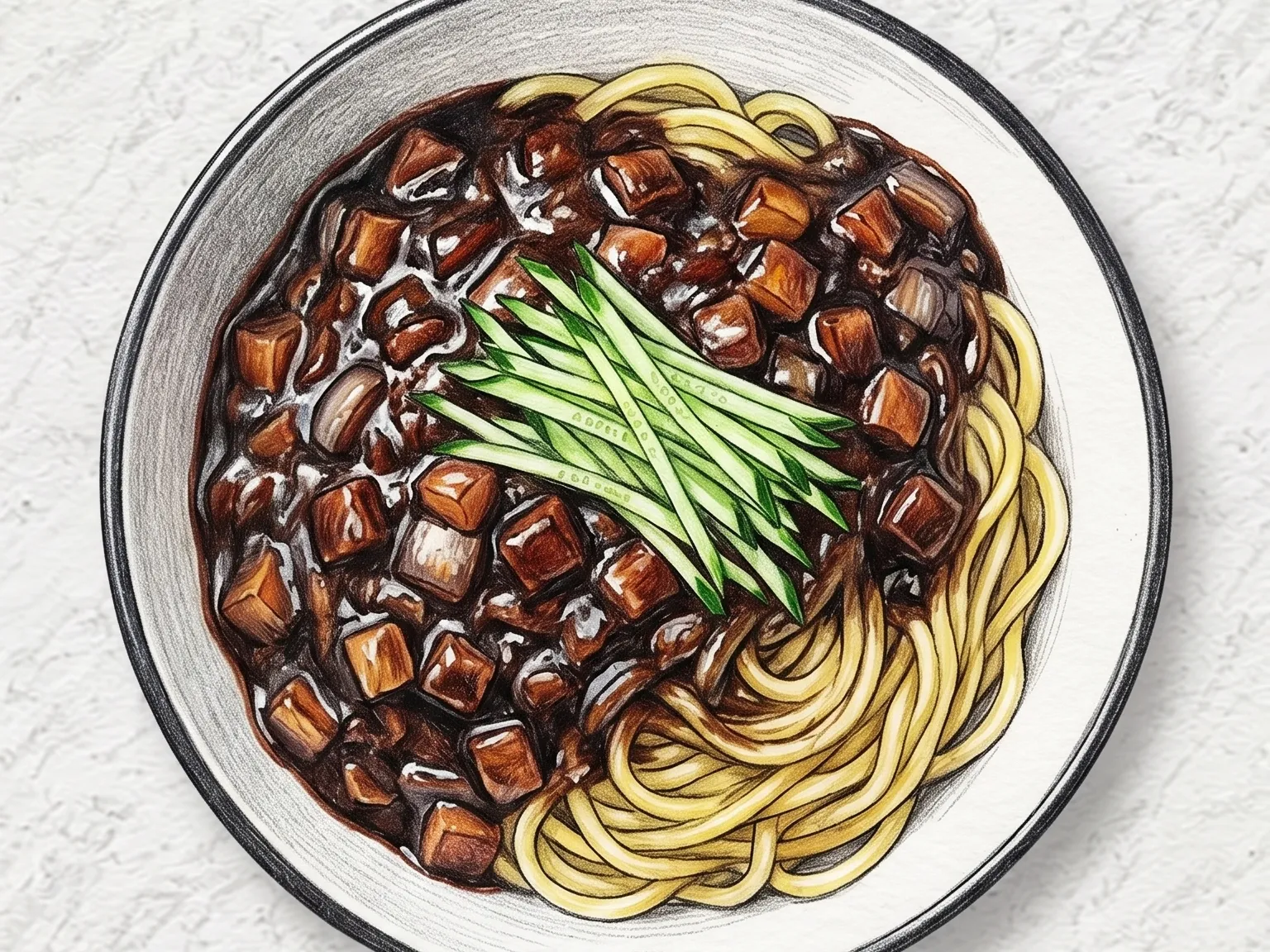
Charim and HAP
Korean Black Bean Noodles cooking process
HAP turned Charim's Korean Black Bean Noodles recipe into a 21-second cooking video.
See more from HAP on YouTubeKorean Black Bean Noodles
Fry 3 tbsp chunjang in 2 tbsp cooking oil over low heat, stirring constantly for about 2 minutes, until it looks glossy and the sharp, bitter smell softens. Stir-fry the pork, then the onion and potato, add 200 ml water and simmer about 5 minutes over medium-low heat until the potato edges turn slightly translucent. After the zucchini and sugar have simmered 2 minutes, add 2 tbsp starch water a little at a time and stop when the sauce falls slowly from a spoon.
Quick answer
- Total time
- 30 min
- Level
- Medium
- Servings
- 2 servings
- Ingredients
- 11
About this dish
Thick black-bean sauce made from chunjang (Korean fermented black bean paste) coats chewy wheat noodles, with diced pork, onion, potato and zucchini giving it body.
Read more
Simmering until the potato turns half translucent lets the vegetables sweeten the salty paste. In Korea it is the go-to delivery meal on moving day or after a graduation, and it tastes best mixed the moment the hot sauce lands on the noodles.
Ingredients
Instructions
- 1
Dice the onion, potato, and half zucchini into even 1 cm cubes so they cook at the same pace.
Cut the half cucumber into thin strips and keep it cold until serving.
- 2
Warm 2 tbsp cooking oil in a pan over low heat, then add 3 tbsp chunjang.
Stir constantly for about 2 minutes until the paste looks glossy and the sharp, bitter smell softens.
- 3
Add 150 g diced pork and raise the heat to medium.
Stir-fry for 2 to 3 minutes until the outside changes color and some fat renders, then add the onion and potato and cook 3 minutes more.
- 4
Pour in 200 ml water and scrape the bottom of the pan to loosen the fried chunjang.
Once it boils, lower to medium-low and simmer about 5 minutes, until the potato edges turn slightly translucent.
- 5
Add the zucchini and 1 tbsp sugar, then simmer about 2 minutes more.
Add the 2 tbsp starch water gradually, not all at once, until the sauce turns glossy and falls slowly from a spoon.
- 6
Cook 300 g Chinese-style noodles according to the package timing, then drain well in a sieve.
Place the hot noodles in bowls, spoon the thick sauce over them, top with cucumber strips, and mix before eating.
Use-up ingredient planner
Turn these ingredients into two more meals
The overlap excludes basic seasonings. Open the next recipe and your selected dishes will stay with you.
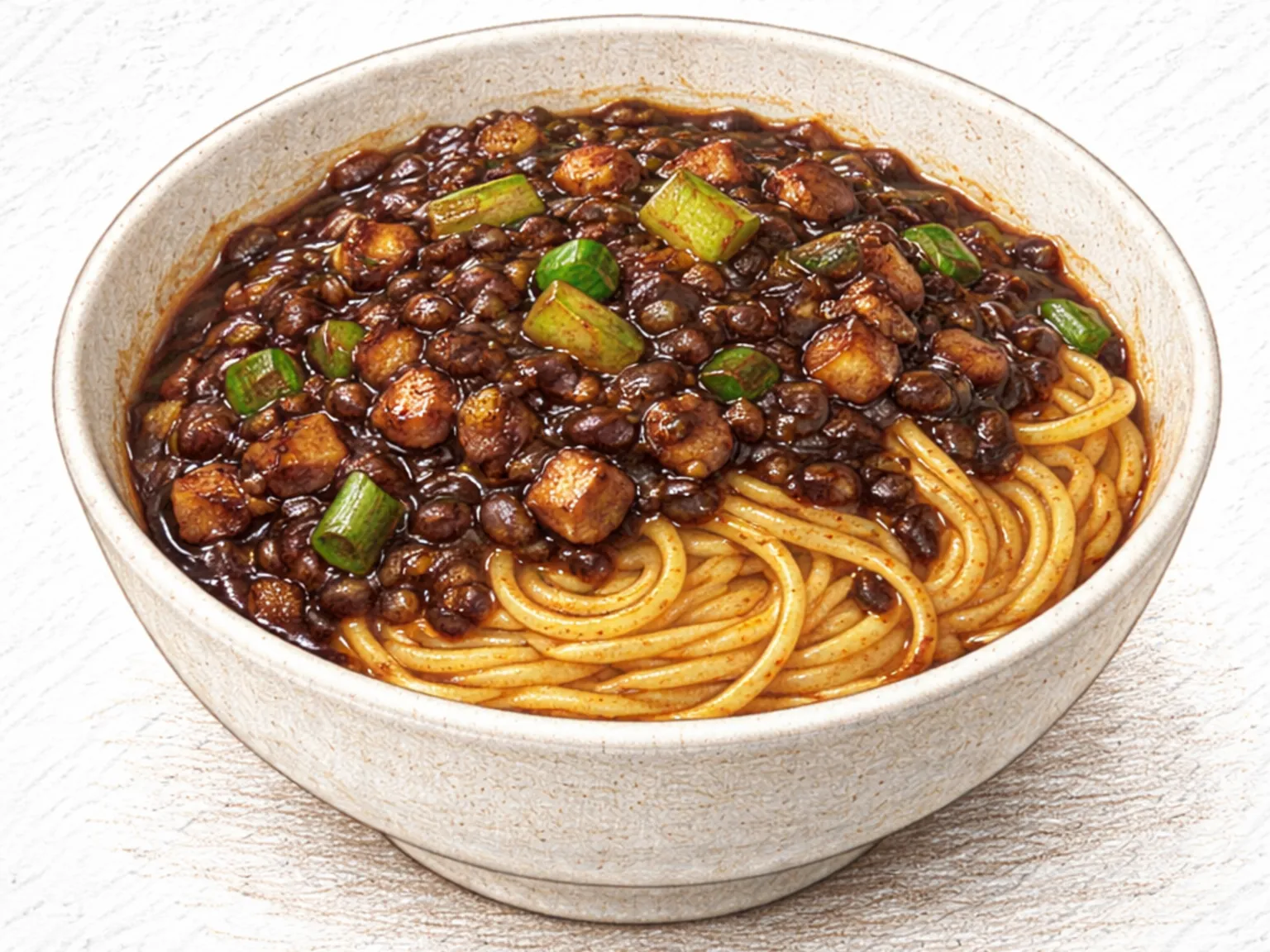
Bunsik-Style Korean Black Bean Noodles
Chinese-style noodles, Black bean paste (chunjang)
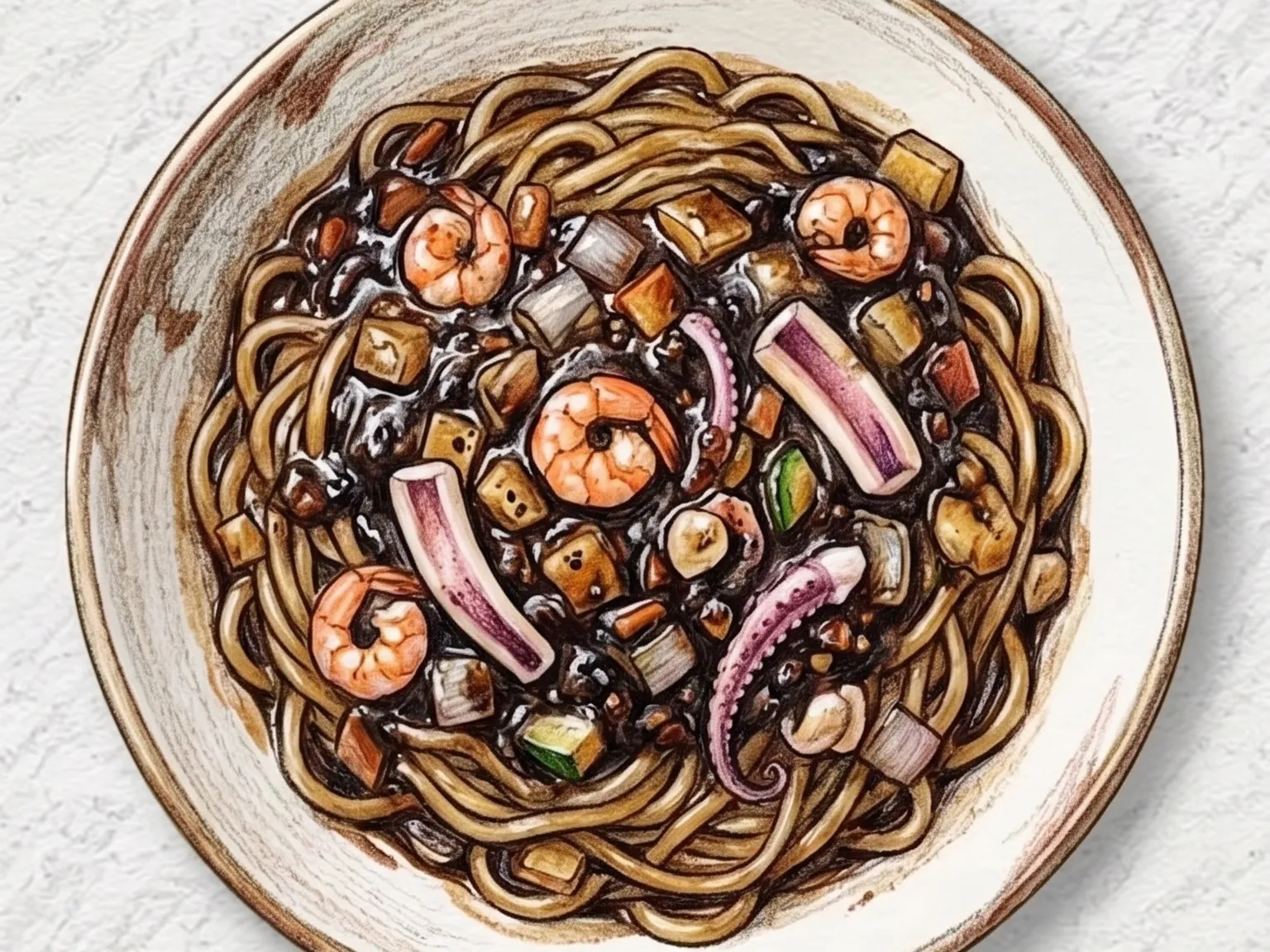
Seafood Jajangmyeon (Black Bean Noodles with Squid and Shrimp)
Chinese-style noodles, Black bean paste (chunjang)
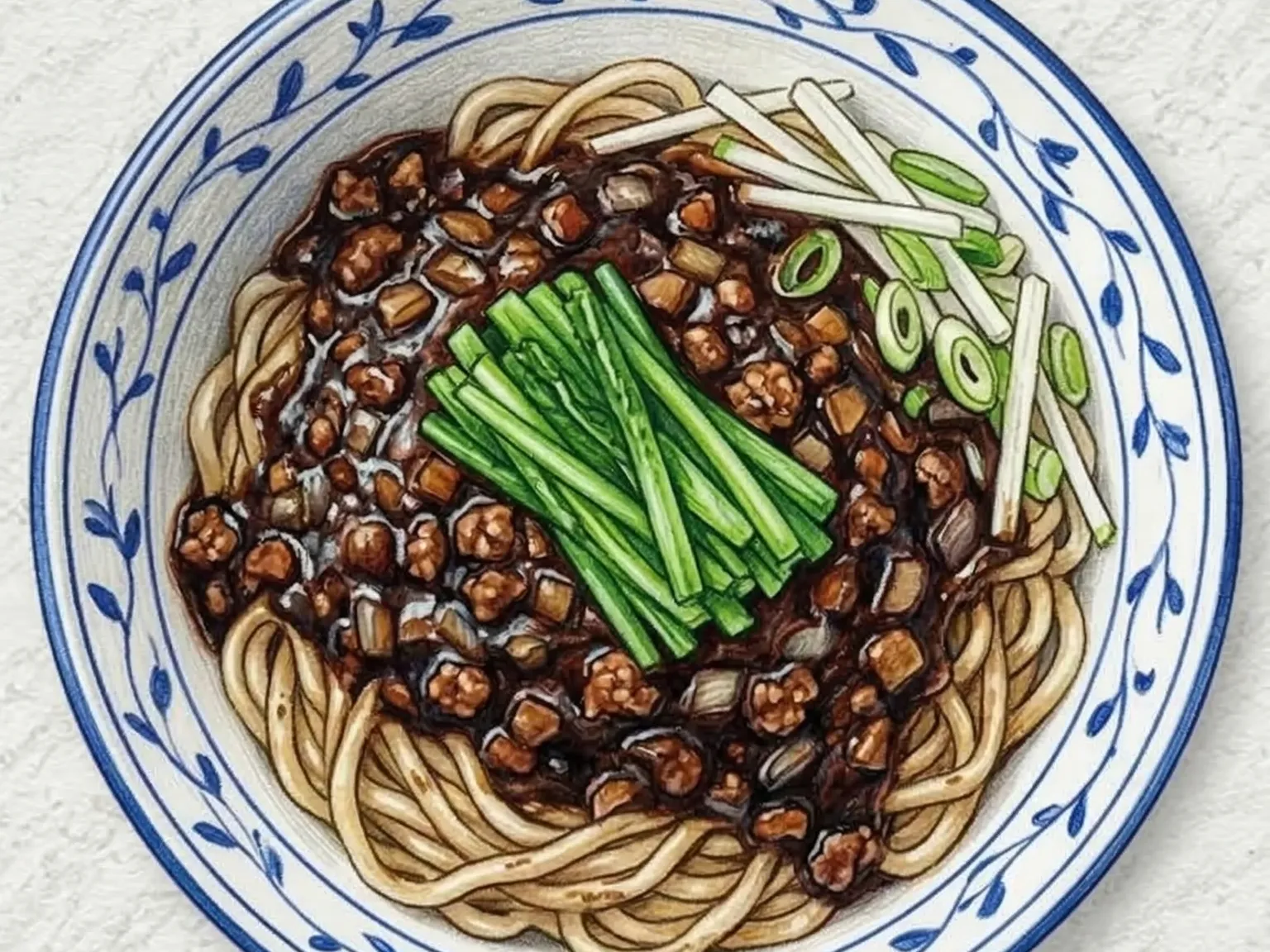
Zhajiangmian (Chinese Black Bean Paste Noodles with Ground Pork)
Black bean paste (chunjang), Pork belly (diced)