Charim

2686 Korean & World Recipes

2686+ Korean recipes, clean and organized. Ingredients to instructions, all at a glance.

Korean Spicy Chewy Noodles

Korean Spicy Chewy Noodles

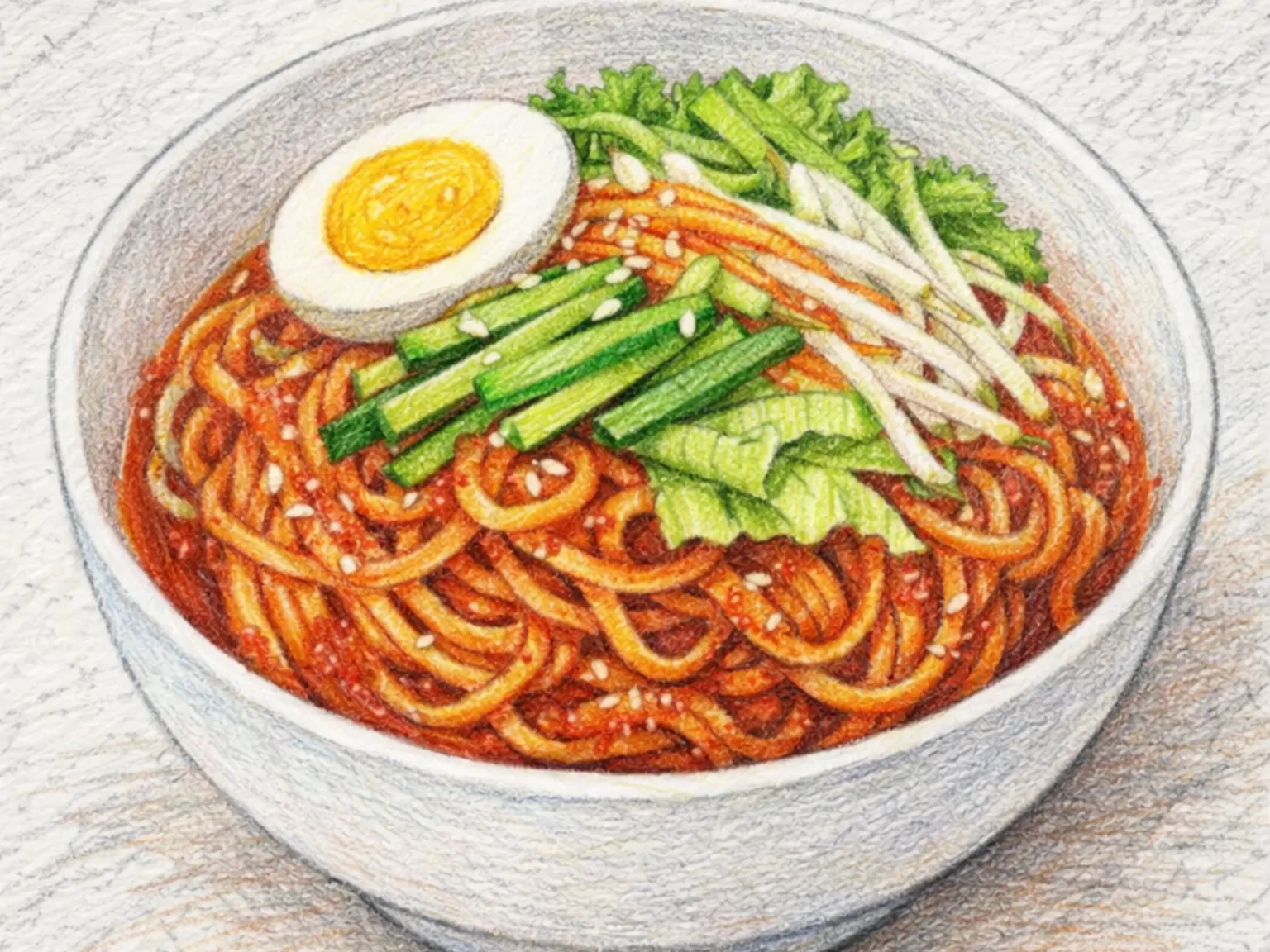
Jjolmyeon is a Korean cold noodle dish built around unusually thick, springy wheat noodles that were accidentally invented at an Incheon noodle factory in the 1970s. The noodles are boiled, rinsed in ice water to firm up their chewy texture, then dressed in a sweet-sour-spicy sauce made from gochujang, vinegar, sugar, soy sauce, and sesame oil. Shredded cabbage and julienned cucumber are chilled separately and piled on top, giving each bite a crisp contrast to the bold sauce. A halved boiled egg adds a creamy counterpoint to the heat. The dish is served cold and eaten after thorough mixing, making it a go-to summer meal and late-night snack across Korea.

Prep 10min Cook 10min 2 servings

Adjust Servings

2servings
servings

Instructions

  1. 1

    Mix gochujang, vinegar, sugar, soy sauce, and sesame oil for a sweet-spicy sauce.

  2. 2

    Julienne cucumber, shred cabbage thinly, and soak in cold water for crispness.

  3. 3

    Boil egg and halve.

  4. 4

    Boil noodles per package directions and rinse in cold water.

  5. 5

    Layer cabbage and noodles in a bowl, top with sauce, cucumber, and egg.

  6. 6

    Sprinkle sesame seeds and mix well before eating.

🛒Shop Ingredients on Amazon

As an Amazon Associate, we may earn from qualifying purchases.

Tips

Toss boiled noodles with a little sesame oil to prevent sticking.
A splash of lemon-lime soda in the sauce adds a refreshing kick.

Nutrition (per serving)

Calories
430
kcal
Protein
12
g
Carbs
78
g
Fat
8
g

More Recipes

Korean Bulgogi Jjolmyeon (Marinated Beef on Chewy Spicy Noodles)
NoodlesMedium

Korean Bulgogi Jjolmyeon (Marinated Beef on Chewy Spicy Noodles)

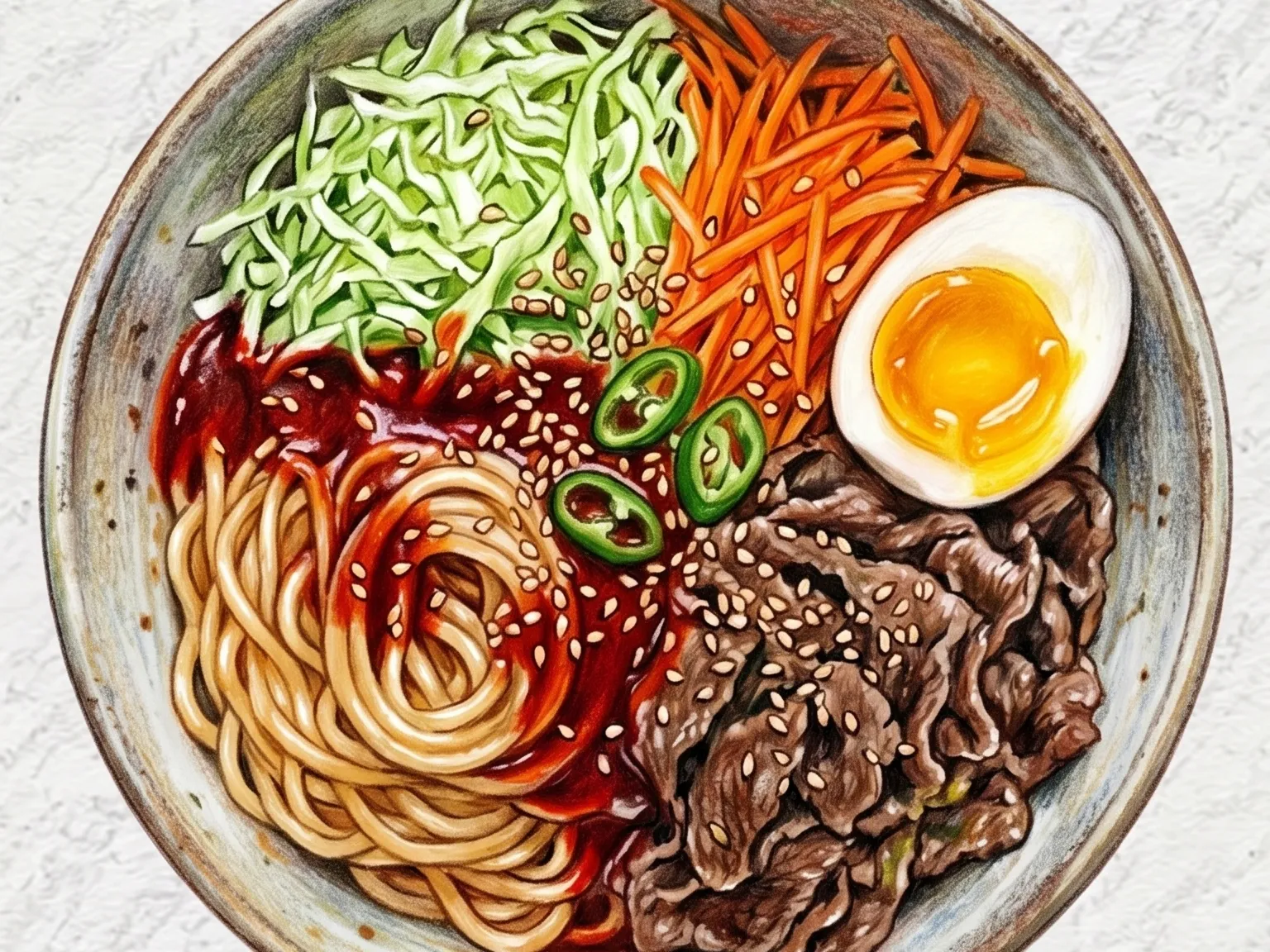
Bulgogi jjolmyeon tops springy, chewy jjolmyeon noodles with thinly sliced beef that has been marinated in soy sauce, sugar, and sesame oil, then quickly stir-fried over high heat. The noodles' intense elasticity and the beef's sweet-savory glaze come together for a bowl that satisfies on both texture and flavor. A spicy-tangy sauce of gochujang, soy sauce, and vinegar coats the noodles, counterbalancing the sweetness of the bulgogi. Shredded cabbage and carrot add crisp contrast, while a halved boiled egg tempers the overall heat. Cooking the beef fast over high flame minimizes moisture loss and keeps the slices from toughening.

🌙 Late Night
Prep 20minCook 12min2 servings
Korean Beef Brisket Jjolmyeon
NoodlesEasy

Korean Beef Brisket Jjolmyeon

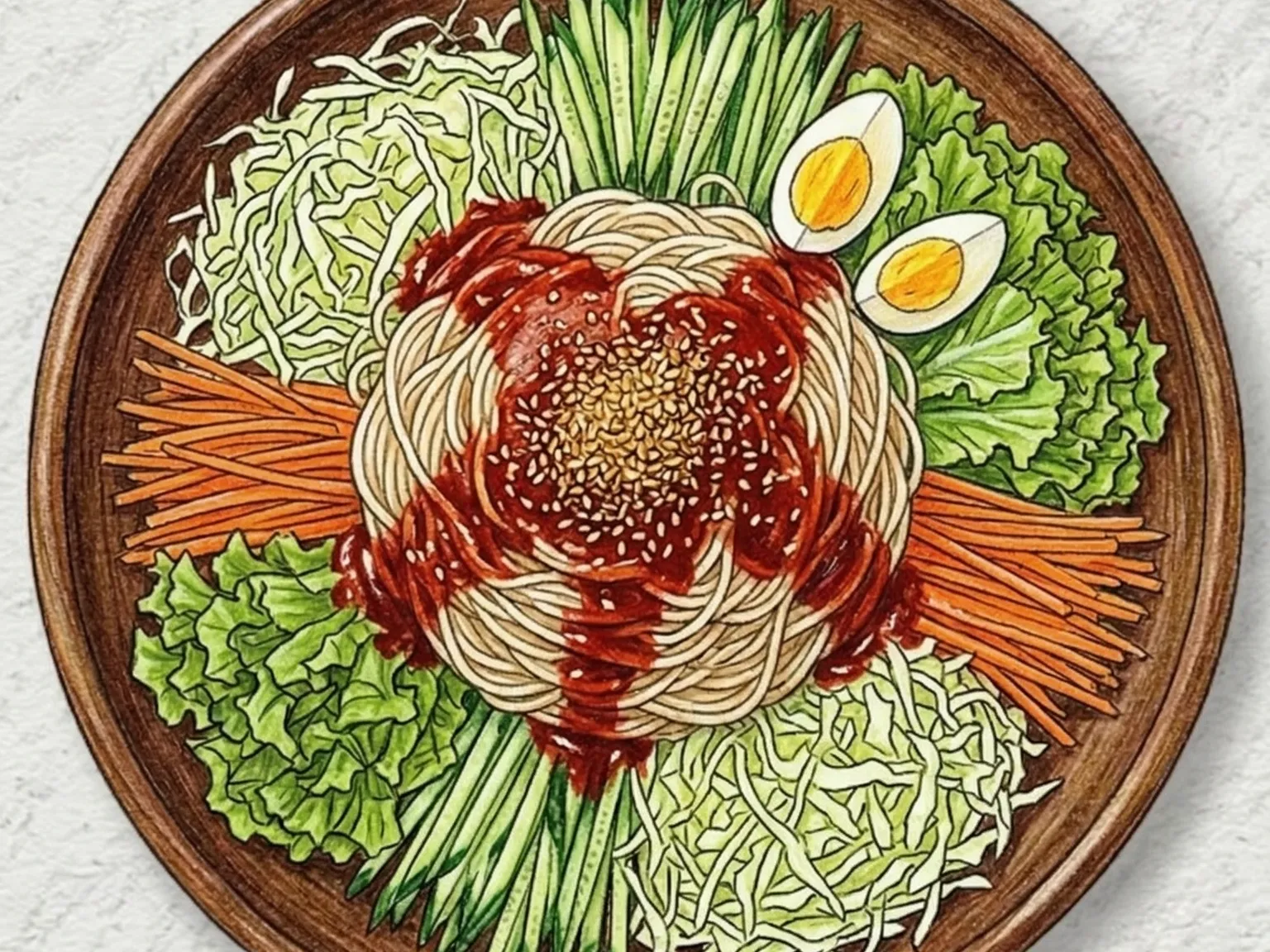
Seared beef brisket crowns a bowl of chewy jjolmyeon noodles dressed in a spicy gochujang sauce. The brisket is cooked fast over high heat so the outside crisps while the marbled fat inside renders just enough to leave each slice rich and fragrant. That beefy aroma mingles with the sweet-spicy dressing, elevating what is already a bold noodle dish. Jjolmyeon's signature rubbery chew traps sauce in every crevice, ensuring consistent flavor from the first bite to the last. Julienned cucumber and a halved boiled egg are the standard accompaniments, adding cool crunch and mild richness. Bean sprouts or perilla leaves can be tossed in for extra texture. The dish works equally well as a refreshing summer meal or a satisfying late-night bowl.

🌙 Late Night
Prep 15minCook 12min2 servings
Korean Spicy Bellflower Root Chewy Noodles
NoodlesMedium

Korean Spicy Bellflower Root Chewy Noodles

Deodeok gochujang jjolmyeon is a spicy noodle dish that combines the aromatic bitterness of bellflower root with gochujang-dressed chewy jjolmyeon noodles. Lightly pounding the peeled deodeok loosens its fibers, releasing its distinctive herbal fragrance and softening the texture. A brief salt cure draws out moisture and reduces bitterness, allowing the seasoning to penetrate more effectively. The sauce - gochujang blended with vinegar and oligosaccharide syrup - balances heat with a tangy edge and subtle sweetness that complements the root's character. Julienned cabbage, carrot, and cucumber provide a crisp, fresh layer between the dense noodles and the fibrous deodeok.

🥗 Light & Healthy
Prep 18minCook 8min2 servings
Korean Spicy Beef Soup Noodles
NoodlesMedium

Korean Spicy Beef Soup Noodles

Yukgaejang guksu starts with a deep broth made by simmering beef brisket until the liquid turns rich and full-bodied. The meat is shredded along the grain and returned to the pot alongside fernbrake, bean sprouts, and green onion that have been seasoned with gochugaru, sesame oil, and garlic before a brief stir-fry. This pre-seasoning step lets the chili heat dissolve into the oil, producing a rounded spiciness rather than raw powder burn. Korean soup soy sauce adjusts the salt level without clouding the broth's color. Thin wheat somyeon noodles are boiled separately and added at the end so they absorb the broth without turning mushy. Swapping in glass noodles changes the texture to a chewier, more slippery bite that holds onto the soup longer.

🏠 Everyday
Prep 15minCook 20min2 servings
Korean Buckwheat Noodle Salad
SaladsEasy

Korean Buckwheat Noodle Salad

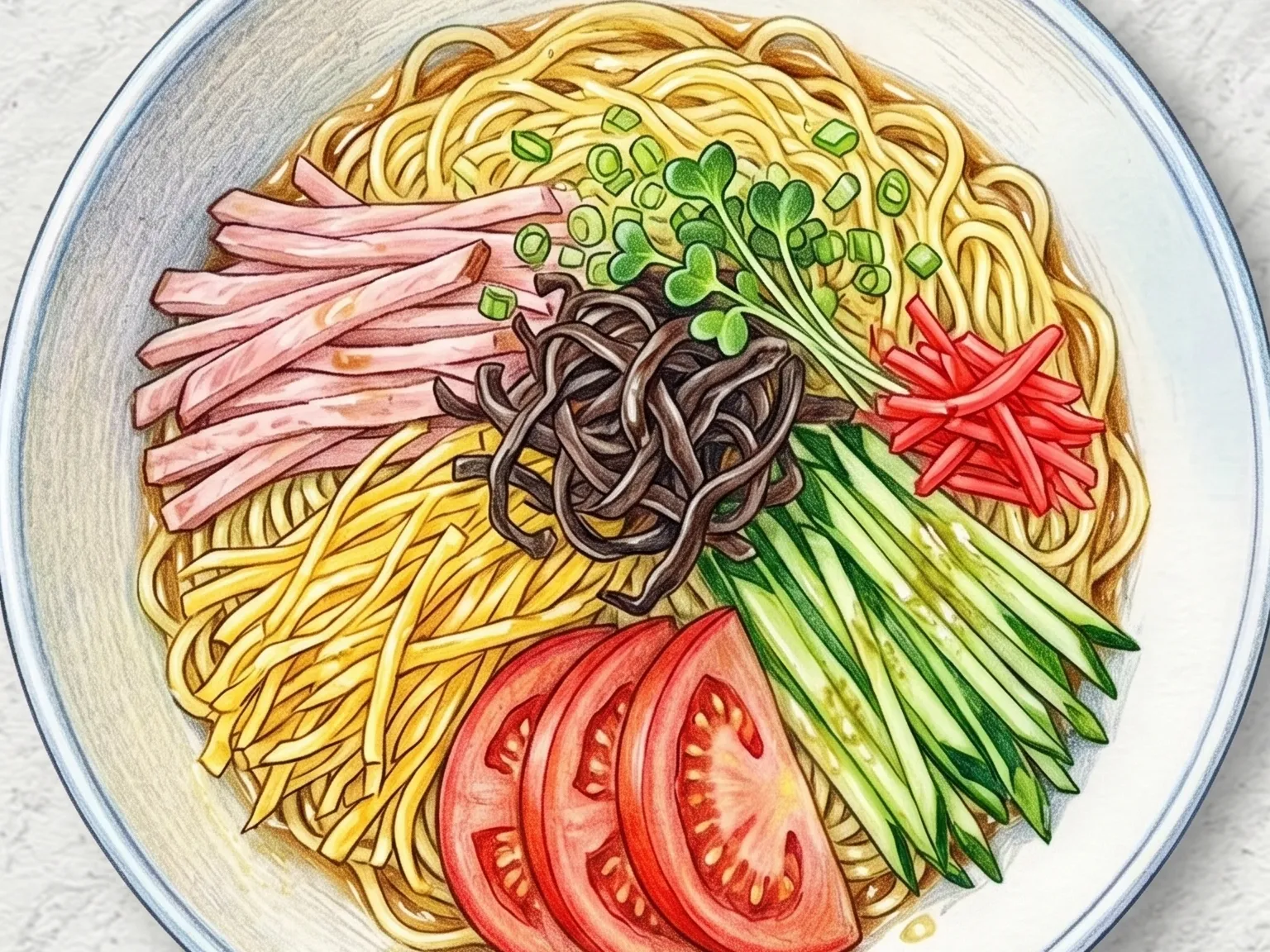
Buckwheat noodles are boiled and rinsed in cold water to lock in their earthy flavor and springy bite, then tossed with julienned cucumber, red cabbage, and carrot for color and crunch. The dressing builds on gochujang and vinegar for a spicy-sour backbone, with soy sauce and sesame oil adding savory depth underneath. Thorough rinsing removes surface starch so the noodles stay separate and the dressing coats each strand evenly. Served chilled, the salad works as a light standalone meal in warm weather, refreshing enough to stimulate appetite without weighing you down.

🥗 Light & Healthy
Prep 15minCook 7min2 servings
Korean Spicy Cucumber Salad
Side dishesEasy

Korean Spicy Cucumber Salad

Oi-muchim - Korean spicy cucumber salad - is one of the most frequently served vegetable banchan on summer Korean tables, tossing thinly sliced cucumber in gochugaru, garlic, vinegar, and sesame oil. Slicing the cucumber as thin as possible with a mandoline or knife is important - thin slices absorb the dressing rapidly and deliver a texture that is simultaneously crunchy and yielding. Salting for ten minutes and squeezing out the released water is the pivotal step; undrained cucumber turns the dressing into a diluted puddle. The seasoning mixes gochugaru, minced garlic, vinegar, sugar, sesame oil, and sesame seeds - vinegar amplifies the cucumber's natural freshness while gochugaru provides a gentle trailing heat. Assembling immediately before serving is essential, as osmotic action wilts the cucumber within thirty minutes. This banchan tops naengmyeon and bibimbap or stands alone alongside rice. When summer heat suppresses appetite, oi-muchim is often the first dish Korean diners reach for - its cool, sharp bite cuts through the lethargy.

🏠 Everyday🍱 Lunchbox
Prep 15min4 servings
More Noodles →