Korean Steamed Clams

Korean Steamed Clams

Quick answer

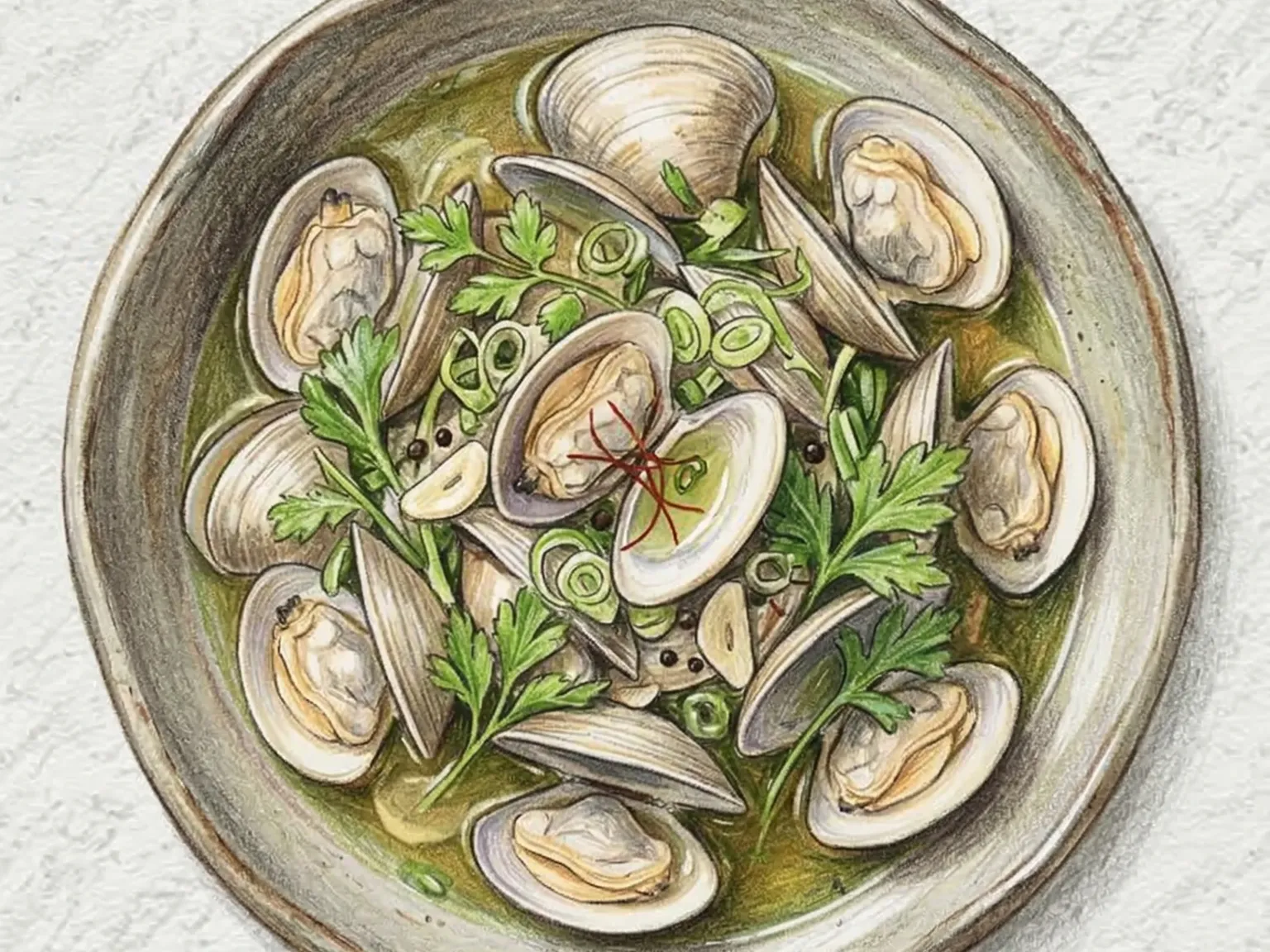
Jogae-jjim is Korean steamed clams cooked with rice wine, garlic, green onion, and cheongyang chili over high heat in a covered pot.

What makes this special

  • Jogae-jjim relies on saltwater purging to yield a clear, grit-free broth from natural clam juices.
  • 1-hour saltwater purging is what keeps the resulting broth clear and clean
  • Clam juices released as shells open self-generate a clear seafood stock
Total time
40 min
Level
Easy
Servings
4 servings
Ingredients
7
Calories
210 kcal
Protein
24 g

Key ingredients

mixed clamsgreen onionhot green chiligarlic clovesrice wine

Core cooking flow

  1. 1 Soak 1000 g mixed clams in salted water for 30 minutes to purge sand.
  2. 2 Slice 80 g green onion and 2 hot green chilies diagonally into 0.5 cm pieces.
  3. 3 Pour 300 ml water and 2 tbsp rice wine into a pot, add the garlic, and set it over high heat.

Jogae-jjim is Korean steamed clams cooked with rice wine, garlic, green onion, and cheongyang chili over high heat in a covered pot. Properly purged clams open within minutes and release their natural juices into the pot, creating a clean, intensely savory seafood broth without any added stock. The chili adds a background warmth without overpowering the shellfish, and minimal salt lets the clams' natural salinity and sweetness come through unobstructed. Removing the clams from heat as soon as they open keeps the meat plump and tender rather than chewy and shrunken. The remaining broth is flavorful enough to serve as a base for noodles or porridge, so nothing goes to waste.

Prep 25min Cook 15min 4 servings

Instructions

Read the steps as a cooking flow: prep, heat, seasoning, doneness control, and finish.

6 steps
  1. 1
    Season

    Soak 1000 g mixed clams in salted water for 30 minutes to purge sand.

    Scrub the shell seams with a brush, then rinse until the water runs clear and no grit remains.

  2. 2
    Prep

    Slice 80 g green onion and 2 hot green chilies diagonally into 0.5 cm pieces.

    Keep 6 garlic cloves whole so they perfume the steaming liquid gradually without making the broth harsh.

  3. 3
    Control

    Pour 300 ml water and 2 tbsp rice wine into a pot, add the garlic, and set it over high heat.

    When it boils vigorously and the alcohol smell softens, the pot is ready for the clams.

  4. 4
    Control

    Add the cleaned clams, cover the pot tightly, and steam over high heat for 4 to 5 minutes.

    Avoid lifting the lid often, and watch for strong steam and shells beginning to open.

  5. 5
    Heat

    When most shells have opened, scatter the green onion and chilies over the clams and steam for only 30 seconds more.

    Turn off the heat right away, because overcooking makes the meat shrink and toughen.

  6. 6
    Finish

    Taste the broth before seasoning, then add the 0.5 tsp salt gradually rather than all at once.

    Discard any clams that stay closed after cooking, and serve the opened clams hot with the broth.

After the steps

Pick a recipe that fits this dish.

Continue with shared ingredients, meal pairings, or a similar method.

Recipes That Go Well With This

More Steamed →

Based on shared ingredients and meal pairing

Korean Steamed Clams with Soju
Shared ingredient: green onion Drinks

Korean Steamed Clams with Soju

Bajirak sul jjim is a Korean drinking snack of baby clams steamed open in soju with garlic and butter, producing a savory broth suited for dipping bread or cooking noodles afterward. The alcohol in soju evaporates quickly, steaming the clams open while stripping away any fishy odor, and leaving a faint grain-spirit aroma in the liquid. Butter is added after the shells open so it emulsifies with the released clam juice to form a rich, cohesive sauce; adding it from the start causes the fat to separate and float on top. Generous sliced garlic steams alongside the clams, losing its raw bite while retaining a mellow fragrance that builds depth in the sauce. Diagonally cut cheongyang chili adds a sharp heat accent to the salty, buttery liquid. Scallion is scattered on top at the end for a fresh finish. White wine can replace soju, adding acidity and a different aromatic character, but soju's clean grain note pairs more naturally with clams in a Korean context. Bajirak - short-neck clams - are smaller and sweeter than other Korean clams, making them well suited for quick steaming, and frozen clams release sufficient broth to make the dish work. Cooking thin wheat noodles in the remaining liquid after the clams are eaten makes an excellent final course.

Korean Steamed Flounder (Whole Flatfish with Soy Garlic Sauce)
Shared ingredient: green onion Steamed

Korean Steamed Flounder (Whole Flatfish with Soy Garlic Sauce)

Korean steamed flounder, called gajami-jjim, is a fish dish prepared by cooking whole flatfish over a bed of vegetables with a light soy garlic sauce. The process starts by layering sliced onions at the bottom of the steamer to prevent the delicate white flesh from sticking or breaking apart during cooking. A seasoning mixture of soy sauce, minced garlic, and rice wine is spooned over the cleaned fish. The rice wine and garlic neutralize fishy notes while keeping the flounder moist. Steaming takes about twelve minutes over medium-high heat, followed by an additional two minutes after scattering sliced green onions on top. The cooking time must be monitored closely to prevent the tender fish from drying out. The resulting dish features a clean, savory taste highlighting the natural flavor of the flounder. The light sauce left in the dish can be mixed with cooked rice.

Korean Seafood Hot Pot Soup
Serve together Soups

Korean Seafood Hot Pot Soup

Haemul-tang is a Korean seafood hot pot that throws together crab, shrimp, clams, and squid in a fiery, brick-red broth. The liquid starts with gochugaru and plenty of garlic, building a spicy base that the seafood then amplifies with its own briny juices. Radish chunks soften as the pot bubbles, thickening the broth slightly and adding a cool sweetness behind the heat. Green onions and cheongyang peppers go in toward the end for a sharp, vegetal bite. The magic of haemul-tang lies in the convergence of flavors: crab shells release a sweet, crustacean stock; clams open to spill their liquor; shrimp and squid contribute distinct textures from snappy to chewy. The pot is brought to the table still at a rolling boil, and diners pick through the shells and tentacles while the broth continues to concentrate.

Korean Steamed Clams with Rice Wine
Similar recipe Steamed

Korean Steamed Clams with Rice Wine

Manila and surf clams are steamed with garlic in rice wine to create this traditional Korean drinking snack. Purging the shellfish in salted water beforehand ensures the resulting broth remains clear and free of grit. Pouring cold rice wine over the shells and sealing the pot allows the alcohol to transform into steam, which strips away any ocean odors while the clams release their natural juices. As the shells open, their concentrated brine forms a natural stock at the bottom of the pot. Dropping a piece of butter into the liquid the moment the first shell cracks open adds a creamy, rounded quality to the salty clam base. Freshly scattered chives provide a grassy contrast to the buttery liquid, maintaining a sense of freshness throughout the dish. Since no additional water or stock is required, the success of the broth relies entirely on the quality of the clams and the thoroughness of the purging process. Lifting the lid at an angle prevents condensation from dripping back onto the clams, which keeps the concentrated seasoning from thinning out. A final squeeze of lemon juice heightens the sweetness of the clam meat and provides a crisp finish to the experience.

Serve with this

Korean Grilled Eel Rice Bowl
Rice Medium

Korean Grilled Eel Rice Bowl

Jangeeo deopbap is a bowl of grilled freshwater eel over steamed rice, where the key technique is building up a thick, lacquered glaze through multiple applications of a sweet-salty sauce reduced from soy sauce, mirin, sugar, and ginger juice. The eel starts skin-side down on the grill over medium heat for around five minutes to crisp the skin, then is flipped and basted repeatedly with the sauce as it finishes cooking. A single coat of sauce produces a pale, thin color, so at least two applications and ideally three or more are needed to build the characteristic glossy surface. With each additional coat, the sugars in the sauce react with heat through both Maillard browning and caramelization, layering flavor with every pass. Because freshwater eel is naturally fatty, fat drips during grilling can cause flare-ups, so heat control is important throughout the process. Sansho pepper dusted on at the end cuts through the eel's inherent richness with a sharp, numbing fragrance that balances the sweet glaze and keeps the dish from feeling heavy.

🎉 Special Occasion 🏠 Everyday
Prep 10min Cook 15min 1 servings
Korean Stir-Fried Sweet Potato Stems
Side dishes Medium

Korean Stir-Fried Sweet Potato Stems

Goguma julgi - sweet potato stems - are the above-ground vines of the sweet potato plant, a byproduct that Korean cooks transform into a summer namul rather than discarding. The most labor-intensive step is peeling each stem by hand, pinching the outer skin with a fingernail and pulling it away to reveal the tender core beneath. After blanching for two minutes and rinsing in cold water, the stems are stir-fried in perilla oil with garlic and seasoned with soup soy sauce. Perilla powder stirred in at the end thickens the remaining liquid into a nutty glaze. In season during summer, the stems are harvested from sweet potato fields before the tubers themselves are dug up.

🏠 Everyday 🍱 Lunchbox
Prep 30min Cook 10min 4 servings
Korean Pickled Taro Stems
Kimchi Medium

Korean Pickled Taro Stems

Torandae jangajji is a Korean pickled side dish made from taro stems. The outer fibrous skin is peeled away first, and the stems are salted and then blanched. Raw taro stems contain calcium oxalate crystals that cause an unpleasant prickling sensation in the throat, and blanching effectively neutralizes this before the stems are packed into the pickling liquid. The brine is made by bringing soy sauce, vinegar, and sugar to a boil, and it is poured over the stems while still hot so the seasoning penetrates quickly and evenly. Sliced garlic and ginger are simmered in the brine before it is poured, which infuses the liquid with deep aromatic warmth without any of the sharp pungency those ingredients carry raw. After two to three days of refrigerating, each piece develops a layered depth of salty, savory flavor with a clean vinegar brightness underneath. The defining characteristic of this pickle is its distinctive fibrous crunch, which stays satisfying even after the stems have fully absorbed the brine. It works as a rice accompaniment throughout the week and doubles as a drinking snack alongside soju.

🍱 Lunchbox 🏠 Everyday
Prep 30min Cook 15min 4 servings

Similar recipes

Korean Steamed Shrimp
Steamed Easy

Korean Steamed Shrimp

Saeu jjim is a traditional Korean method for preparing steamed shrimp by utilizing a specific layering technique within a steamer. The process begins by creating a foundation of sliced onions, green onions, and garlic cloves across the steamer basket. Whole shrimp are then carefully arranged directly on top of this bed of aromatic vegetables. As the water boils below, the rising steam carries the volatile oils and scents of the onion and garlic upward, allowing these fragrances to penetrate the shrimp through their shells. A small amount of rice wine is applied to the shrimp before the lid is closed to neutralize any strong briny odors that may be present. Leaving the shells intact during the steaming process is a deliberate step to minimize the loss of internal moisture. This protective layer ensures the meat remains firm and juicy while preserving the natural sugars found in the seafood. Precision regarding the cooking duration is a critical factor for success. The shrimp typically require only eight to nine minutes of exposure to the steam once the water has reached a steady boil. If the cooking time exceeds this window, the proteins in the flesh will contract and cause the texture to become noticeably tough and dry. When the time is up and the lid is lifted, it should be tilted to the side rather than pulled straight up. This prevents the heavy condensation collected on the underside of the lid from dripping back down onto the shrimp, which would otherwise dilute the seasoning on the surface of the shells. Just before the dish is served, a light squeeze of fresh lemon juice is applied to provide a bright acidity that complements the inherent sweetness of the shrimp. While the dish is sufficiently flavorful to be eaten without any dipping sauce, it is often accompanied by cho-ganjang, which is a mixture of soy sauce and vinegar. Alternatively, a sweet chili sauce can be provided as a condiment for individuals who prefer an additional flavor profile alongside the seafood.

🥗 Light & Healthy 🏠 Everyday
Prep 15min Cook 12min 2 servings
Korean Steamed Octopus (Whole Salted Radish Broth)
Steamed Medium

Korean Steamed Octopus (Whole Salted Radish Broth)

Muneo-jjim is a Korean steamed whole octopus dish prepared by scrubbing the octopus vigorously with coarse salt to remove slime and any off-odor, then cooking it in a pot layered with radish and green onion. Submerging the head end first and lifting it in and out of the boiling water two or three times causes the tentacles to curl inward naturally, resulting in an attractive presentation before the full cook begins. Simmering for about fifteen minutes and then resting off the heat with the lid on produces a texture that is springy and chewy without turning tough. The radish adds mild sweetness to the water while green onion draws out any fishiness, so the resulting broth carries a clean, subtle depth of its own. Once cooked, the octopus is sliced on the diagonal into manageable pieces and served with a simple dipping sauce of sesame oil mixed with salt. That combination lets the octopus's natural ocean flavor and nuttiness come through without interference. The dish works equally well as a drinking accompaniment or an everyday banchan, and the technique scales from a small arm to a full-sized octopus without adjustment.

🍺 Bar Snacks 🎉 Special Occasion
Prep 20min Cook 25min 4 servings
Korean Grilled Clams (Butter Garlic Mixed Shellfish Grill)
Grilled Medium

Korean Grilled Clams (Butter Garlic Mixed Shellfish Grill)

Mixed clams are submerged in salt water for at least one hour so they expel any sand and grit naturally, then placed shell-side down on a hot grill or pan. As the shells gradually crack open from the heat, a knob of butter, minced garlic, and a splash of rice wine are dropped into each opened shell for one to two more minutes of cooking. The briny liquid that the clams release mingles with the melting butter, building a concentrated natural sauce inside every shell without any additional stock or seasoning needed. Because clams vary in size, they open at different times, so pulling each one as soon as it opens rather than waiting for the whole batch prevents overcooking. Any clam that stays firmly shut after the others have opened should be discarded as unsafe. Chopped fresh parsley scattered over the finished clams cuts through any residual fishiness with a clean herbal note.

🍺 Bar Snacks 🏠 Everyday
Prep 25min Cook 12min 2 servings

Tips

Discard clams that remain closed after cooking.
The broth is great as a base for noodles or porridge.

Nutrition (per serving)

Calories
210
kcal
Protein
24
g
Carbs
6
g
Fat
8
g