Korean Rice Ball (Sesame Rice Balls with Tuna Mayo Filling)
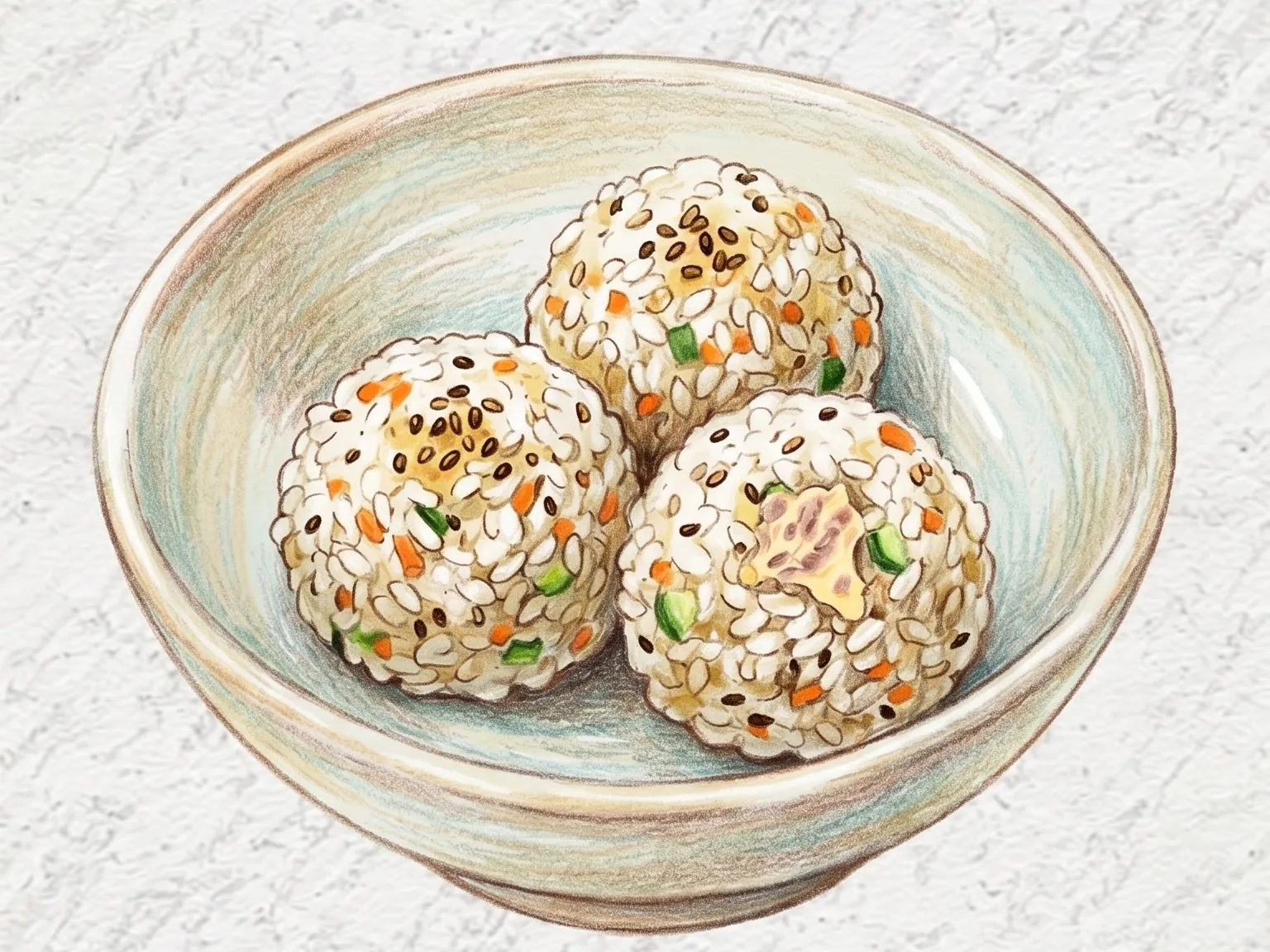
Jumeokbap are Korean rice balls made by seasoning warm rice with sesame oil, salt, and sesame seeds, then adding a tuna-mayonnaise filling with finely diced carrot and cucumber and shaping everything into rounds using plastic wrap. The sesame oil coats each grain for a nutty fragrance and helps the rice hold together firmly. Inside, the salty tuna and creamy mayonnaise meld while the carrot and cucumber provide crunchy bites of freshness. They require no cooking equipment to assemble and serve well as a packed lunch or picnic food.
Adjust Servings
Instructions
- 1
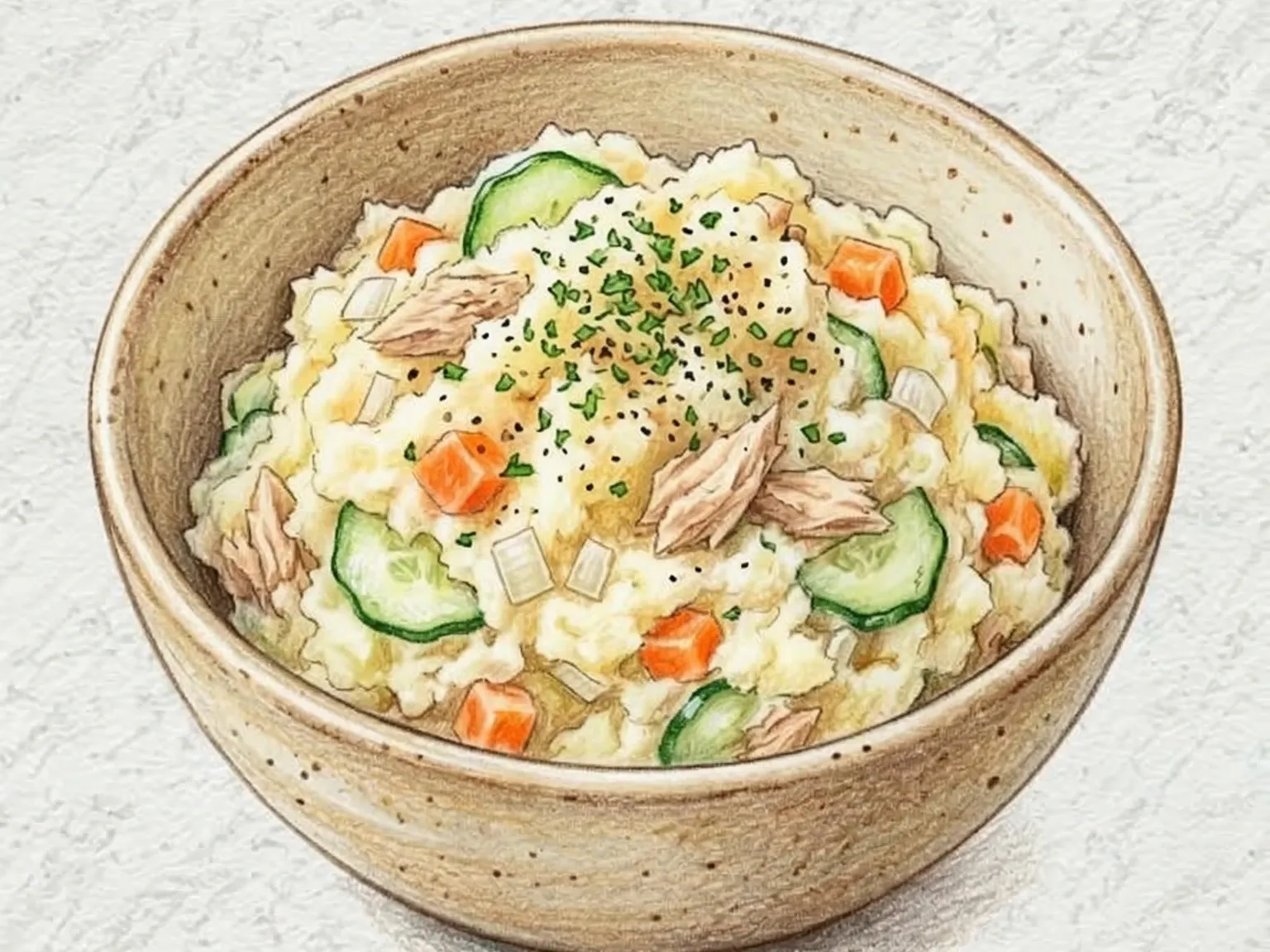
Drain tuna and mix with mayonnaise.
- 2
Finely dice carrot and cucumber.
- 3
Mix rice with sesame oil, salt, and sesame seeds.
- 4
Spread rice on plastic wrap, add filling, and shape into round balls.
As an Amazon Associate, we may earn from qualifying purchases.
Tips
Nutrition (per serving)
More Recipes

Korean Anchovy Rice Balls
Dried small anchovies are dry-toasted to remove fishiness, then glazed in soy sauce and oligosaccharide syrup before being folded into warm rice to form compact rice balls. Sesame oil, roasted seaweed flakes, and sesame seeds contribute layers of nuttiness that complement the sweet-salty anchovy glaze. Shaping the balls while the rice is still warm ensures they hold together firmly. These rice balls keep their flavor even after cooling, making them ideal for packed lunches and on-the-go snacking.

Korean Tomato Egg Fried Rice
Eggs are scrambled first and set aside, then tomatoes are stir-fried in the same pan until their juices burst and coat the wok. Day-old or freshly cooked rice goes in next, tossed at high heat so the grains absorb the tomato's sweet-tart moisture while staying individually distinct. The scrambled egg is folded back in at the end, distributing soft, fluffy curds throughout the fried rice. Rooted in the Chinese classic of tomato and egg, this version turns those familiar flavors into a satisfying one-bowl fried rice.

Korean Seafood Fried Rice
Mixed seafood including shrimp, squid, and mussel meat is stir-fried together on high heat until a smoky wok char develops. Day-old cold rice works best because its lower moisture content lets the grains separate cleanly in the pan, and seasoning with soy sauce and oyster sauce layers additional depth on top of the seafood's own brininess. Cracking the eggs into the pan first and immediately tossing the rice on top coats each grain in a thin shell of egg, yielding a lightly crisp exterior. Sesame oil is drizzled only after the heat is off so its fragrance stays intact.

Korean Shiitake Mushroom Rice
Pyogo-beoseot-bap is a Korean pot rice that cooks thickly sliced shiitake mushrooms on top of soaked rice, allowing the mushrooms' concentrated umami to infuse every grain as steam circulates under the lid. Once the rice is done, it is mixed with a soy-sesame dipping sauce made from soy sauce, sesame oil, chopped scallion, and toasted sesame seeds, which amplifies the earthy depth of the mushrooms. The shiitakes retain a meaty chew even after cooking, giving the dish a satisfying bite that rivals meat-based rice bowls. Adding julienned carrot introduces subtle sweetness and a splash of color. This is a staple vegetarian option in Korean home cooking, prized for its simplicity and the way a single ingredient can carry an entire meal.

Ssambap (Korean Lettuce Leaf Wraps with Rice and Ssamjang)
Fresh lettuce, perilla leaves, and other leafy greens are spread flat and topped with a small mound of warm rice, a dab of ssamjang, and a slice of raw garlic or chili pepper, then folded into a single bite-sized wrap. The cool crunch of the leaves meets the warm, sticky rice and the salty-sweet depth of fermented soybean paste in every bite. Adding grilled pork belly or bulgogi inside the wrap turns it into a balanced, protein-rich meal. The hands-on ritual of building each wrap at the table is part of what makes ssambap a communal favorite.

Korean Cream Tteokbokki (Chewy Rice Cake in Cream Butter Sauce)
Cream tteokbokki simmers chewy rice cake sticks in a sauce built from heavy cream, milk, and butter. Onions are sauteed in butter first to develop sweetness, then cream and milk go in to form a thick, coating sauce before the rice cakes are added and stirred for seven to eight minutes over medium-low heat. A finishing dusting of parmesan cheese adds a salty, savory edge that balances the richness of the cream. With no gochujang or chili in sight, the dish leans closer to a cream pasta in flavor profile, making it the go-to tteokbokki variation for those who prefer no heat at all.