Kake Udon (Plain Udon in Clear Dashi Broth)

Kake Udon (Plain Udon in Clear Dashi Broth)

Quick answer

Kake udon is the most elemental form of Japanese udon: thick, springy wheat noodles served in a clear dashi broth seasoned with soy sauce, mirin, and a small amount of salt.

What makes this special

  • Springy wheat noodles sit in a clear dashi broth seasoned with soy sauce and mirin.
  • Dashi quality is the single factor that determines the whole dish
  • Kansai-style light soy sauce keeps the broth pale and clear
Total time
22 min
Level
Easy
Servings
2 servings
Ingredients
7
Calories
420 kcal
Protein
13 g

Key ingredients

udon noodlesdashi stocksoy saucemirinsalt

Core cooking flow

  1. 1 Shake excess water from the scallion and slice it finely.
  2. 2 Pour 700 ml of dashi into a saucepan and warm it over medium heat until steam rises.
  3. 3 Add 1.5 tablespoons soy sauce, 1 tablespoon mirin, and 0.3 teaspoon salt, then warm for about 1 minute.

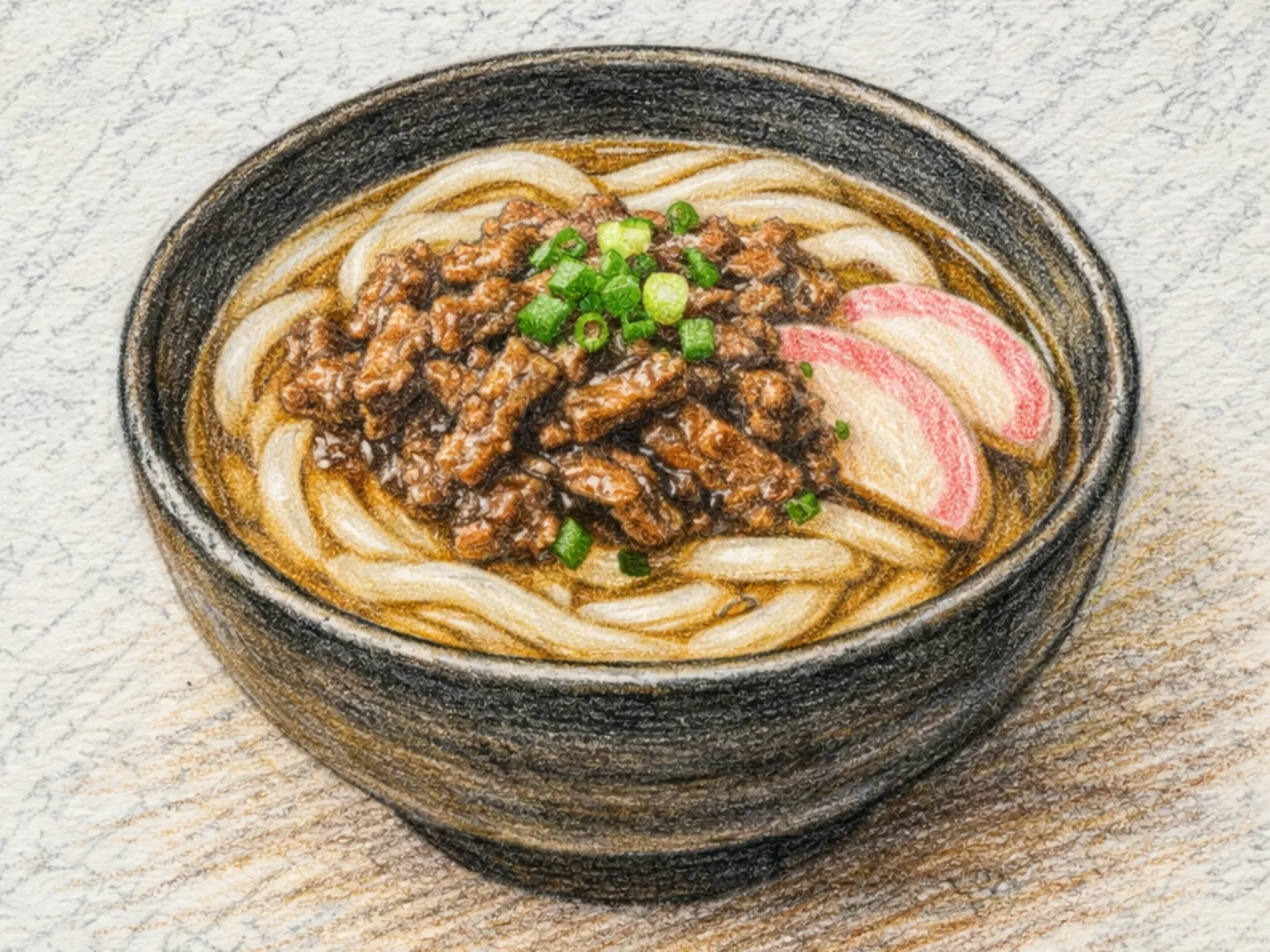
Kake udon is the most elemental form of Japanese udon: thick, springy wheat noodles served in a clear dashi broth seasoned with soy sauce, mirin, and a small amount of salt. With so few components, the quality of the dashi determines everything about the dish. The broth is built on katsuobushi and dried kelp, producing a flavor that is restrained but unmistakably savory. The noodles must be thick enough to hold their chew and smooth enough to carry broth with each lift of the chopsticks. Toppings are deliberately kept to a minimum, typically sliced kamaboko fish cake and chopped green onion, so the stock and noodle texture remain the focus rather than any single garnish. The noodles should go directly from the pot into hot broth, as they soften quickly and lose their characteristic bounce if left to sit. In the Kansai region, pale usukuchi soy sauce is used to keep the broth nearly transparent, making the visual clarity of the soup another deliberate element of the dish.

Prep 10min Cook 12min 2 servings
Recipes by ingredient → soy sauce scallions

Instructions

Read the steps as a cooking flow: prep, heat, seasoning, doneness control, and finish.

6 steps
  1. 1
    Finish

    Shake excess water from the scallion and slice it finely.

    Set the four fish cake slices near the bowls, then bring a generous pot of water to a boil so the noodles and broth can finish hot together.

  2. 2
    Control

    Pour 700 ml of dashi into a saucepan and warm it over medium heat until steam rises.

    Keep it just below a hard boil, because vigorous boiling dulls the clean aroma that defines this simple broth.

  3. 3
    Season

    Add 1.5 tablespoons soy sauce, 1 tablespoon mirin, and 0.3 teaspoon salt, then warm for about 1 minute.

    Taste a spoonful and adjust only lightly, keeping the broth clear, balanced, and not overly salty.

  4. 4
    Heat

    When the water is boiling hard, add 300 g udon noodles and loosen them gently with chopsticks for about 2 minutes.

    Stop as soon as the strands separate and feel springy, before they turn swollen or soft.

  5. 5
    Step

    Drain the noodles quickly in a strainer and transfer them to warmed bowls.

    Do not rinse them under cold water here, because the dish depends on hot noodles meeting hot broth without cooling the soup.

  6. 6
    Finish

    Pour the hot broth over the noodles, then top with the fish cake slices and scallion.

    Serve at once, before the noodles absorb too much broth, so the surface stays smooth and the bite remains chewy.

After the steps

Pick a recipe that fits this dish.

Continue with shared ingredients, meal pairings, or a similar method.

Recipes That Go Well With This

More Noodles →

Based on shared ingredients and meal pairing

Niku Udon (Japanese Thick Noodles in Dashi Broth with Braised Beef)
Shared ingredient: udon noodles Asian

Niku Udon (Japanese Thick Noodles in Dashi Broth with Braised Beef)

Niku udon is a Japanese noodle soup built on two distinct layers of flavor. The broth starts with a clear dashi made from kombu and bonito flakes, seasoned with soy sauce and mirin for a clean, umami-rich base. Separately, thinly sliced beef is simmered with onion in a concentrated mix of soy sauce, mirin, and sugar until each slice is glazed in a sweet, savory coating. The beef is placed atop thick, chewy udon noodles swimming in the hot broth, and the two seasoning profiles merge at the table. Chopped scallions add freshness to cut through the richness. It is a staple of both home kitchens and udon shops across Japan.

Udon with Seasoned Fried Tofu
Shared ingredient: mirin Noodles

Udon with Seasoned Fried Tofu

Kitsune udon is a Japanese noodle soup defined by its topping of sweet-simmered fried tofu pouches floating on a clear, deeply savory dashi broth. The aburaage is blanched first in boiling water to remove the excess oil that would otherwise cloud the broth and repel the seasoning, then braised in a mixture of water, soy sauce, mirin, and sugar for about six minutes until the liquid has been absorbed and the sweetness has penetrated to the center of each pouch. The broth is built separately from a stock of katsuobushi and kombu, seasoned with soy sauce, mirin, and just enough salt to round out the flavor without making it salty. The quality of this broth is the single most important factor in the finished bowl. Frozen udon noodles are warmed in boiling water for about two minutes, just long enough to loosen and heat through without losing their elastic, springy texture, then transferred to the bowl with the broth ladled over. The simmered tofu pouch sits on top, and as you eat, it releases its sweetened liquid gradually into the surrounding broth, shifting the flavor of the soup with each bite. Sliced scallion and a pinch of shichimi togarashi finish the bowl with fresh aroma and gentle heat. The tofu benefits from being prepared a day in advance, as resting overnight deepens the braising flavor throughout.

Japanese Kani Salad
Serve together Salads

Japanese Kani Salad

Kani salad is a Japanese-inspired dish centered on imitation crab meat that is prepared using a specific shredding technique. Instead of chopping the crab, the sticks are pulled apart along their natural grain to create a soft and fibrous texture. This particular structure allows the crab to absorb the dressing thoroughly while preventing the pieces from becoming saturated with excess liquid. These shreds are combined with cucumbers and carrots that have been julienned into thin strips to add a crisp and refreshing crunch to the overall composition. The dressing for the salad is a mixture of mayonnaise, rice vinegar, and fresh lemon juice. This specific blend results in a creamy coating that provides a smooth mouthfeel without leaving a heavy or oily sensation after eating. Toasted sesame seeds are incorporated into the mixture to provide a warm and nutty element that complements the gentle sweetness of the imitation crab. The most significant requirement for a successful salad is ensuring that the vegetables are patted completely dry before they are tossed with the other ingredients. If there is any moisture left on the cucumber or carrots, it will dilute the mayonnaise base and cause the salad to become thin and watery within a short amount of time. Because the recipe requires no cooking or heat, the entire bowl can be assembled in approximately ten minutes, which provides an efficient solution for a quick and refreshing lunch or dinner side. This salad is versatile in its application, serving as a popular topping for sushi rolls or as a light starter when paired with slices of fresh avocado.

Mushroom Memil Soba (Warm Buckwheat Noodles in Mushroom Dashi)
Similar recipe Noodles

Mushroom Memil Soba (Warm Buckwheat Noodles in Mushroom Dashi)

Beoseot memil soba is a warm buckwheat noodle soup built on dashi stock seasoned with soy sauce and mirin, with shiitake and oyster mushrooms simmered for five minutes so their concentrated woodsy depth moves fully into the broth. Dried shiitake contributes far more umami than fresh, and oyster mushrooms torn along the grain absorb more liquid than sliced. The soba noodles are cooked separately and rinsed in cold water to strip off surface starch, which keeps the broth clear and prevents the noodles from turning soft. A small curl of yuzu zest placed on top just before serving sends a sharp citrus note across the broth's earthy weight, lifting the finish without overpowering it. Green onion scattered on top adds a layer of fresh aroma and color.

Serve with this

Korean Stir-fried Zucchini
Side dishes Easy

Korean Stir-fried Zucchini

Hobak-bokkeum is one of the quickest and most fundamental banchan in the Korean home-cooking repertoire. Thinly sliced Korean zucchini, known as aehobak, is salted for five minutes to draw out moisture before cooking. Skipping this step floods the pan during stir-frying and produces a steamed rather than properly stir-fried result. Seasoning with saeujeot, fermented salted shrimp paste, instead of plain salt brings a deeper marine umami that cannot be replicated by sodium alone, and the high salinity of the paste means additional salt is rarely needed. High heat and a short cooking time allow the surface of each slice to lightly caramelize, building a toasty, nutty aroma while the interior cooks through without turning watery or soft. Garlic goes into the oil first to bloom its fragrance before the zucchini follows, layering flavor from the base. Green onion added in the final seconds of cooking preserves its aromatic edge rather than wilting away. A drizzle of sesame oil and a scatter of toasted sesame seeds at the end produces a clean, simply flavored side dish with a lasting nutty finish. When aehobak is already in the refrigerator, the whole dish can be on the table within five minutes.

🏠 Everyday 🍱 Lunchbox
Prep 5min Cook 8min 4 servings
Korean Shepherd's Purse & Napa Pancake
Pancakes Medium

Korean Shepherd's Purse & Napa Pancake

Naengi Baechu Jeon is a seasonal Korean pancake that features wild shepherd's purse and sweet napa cabbage. To prepare this dish, the roots of the shepherd's purse are thoroughly scrubbed to remove soil and chopped into short lengths, while the cabbage is sliced, lightly salted to draw out moisture, and squeezed. The batter consists of Korean pancake mix, rice flour, an egg, cold water, and soup soy sauce, which provides a clean base that allows the flavors of the vegetables to stand out. Mixing rice flour into the batter ensures that the edges of the pancake turn crispy and remain tender even after cooling. The prepared greens are gently folded into the mixture, then pan-fried in oil over medium heat until both sides are golden brown. It is sliced on a board and served warm.

🍺 Bar Snacks 🏠 Everyday
Prep 18min Cook 14min 4 servings
Korean Mustard Greens Pickle
Kimchi Easy

Korean Mustard Greens Pickle

Paeju mustard pickle is a quick vinegar preserve where mustard greens are cut into roughly four-centimeter pieces, packed into jars with sliced garlic, and submerged in a hot brine of vinegar, water, sugar, salt, and lemon juice. Mustard greens hold on to their peppery, nasal bite even after pickling, layering that natural heat against the sharp acidity of the brine. Lemon juice is added only after the heat is turned off, preserving the citrus aroma that would otherwise evaporate during boiling. Thicker stems absorb the brine more slowly than the leaves, so separating them and salting the stems first gives a more uniform texture throughout. The pickles are ready after twelve hours of refrigeration, but a full day of resting allows the brine to penetrate to the center of each piece and the flavors to settle into a rounder balance. Served alongside fatty meats, their peppery acidity cleans the palate effectively; tucked into a sandwich, they stand in for mustard with more complexity.

🍱 Lunchbox ⚡ Quick
Prep 12min Cook 6min 2 servings

Similar recipes

Shoyu Butter Corn Ramen
Noodles Medium

Shoyu Butter Corn Ramen

Shoyu butter corn ramen is a Japanese noodle soup built on chicken broth seasoned with soy sauce and mirin. The broth simmers for ten minutes to marry the salty-sweet flavors before being ladled over separately boiled ramen noodles. A pat of butter placed on top melts slowly into the hot liquid, spreading richness across the bowl. Sweet corn kernels, crisp bean sprouts, nori, and sliced scallion complete the toppings. Serving it soon after cooking keeps the intended texture clearer, while brief resting lets the sauce or broth settle into the dish.

🌙 Late Night 🏠 Everyday
Prep 10min Cook 20min 2 servings
Hot Pot Udon (Japanese Earthenware Pot Noodle Soup)
Noodles Medium

Hot Pot Udon (Japanese Earthenware Pot Noodle Soup)

Nabeyaki udon is a Japanese hot-pot noodle dish cooked and served directly in a small earthenware pot, designed to stay piping hot at the table from first bite to last. The base is a dashi stock seasoned with soy sauce and mirin, which produces a broth that is clear but carries substantial depth of flavor. Chicken thigh cooked directly in the pot releases fat and juices into the surrounding liquid, enriching the stock in a way that chicken breast cannot replicate. Narutomaki fish cake, with its pink spiral cross-section, adds a visual accent that is as much a part of the dish's identity as any flavor it contributes, while enoki mushrooms soak up the broth and give back a delicate umami in return. The egg is cracked into the center of the pot and covered to cook gently until the white sets and the yolk remains soft and runny. When the yolk breaks and bleeds into the hot broth, it creates a brief silky richness that changes the texture of each spoonful. Shrimp tempura is placed on top of the finished dish at the very last moment, not submerged, because the batter collapses from steam and heat within seconds of hitting liquid. Spinach added in the final minute retains its bright color and stays tender without turning soft. The earthenware pot retains heat far longer than a regular bowl, which is why this dish reads as a cold-weather staple in Japan.

🎉 Special Occasion 🌙 Late Night
Prep 15min Cook 20min 1 servings
Osaka Kitsune Udon (Thick Noodles with Sweet Fried Tofu in Dashi)
Asian Easy

Osaka Kitsune Udon (Thick Noodles with Sweet Fried Tofu in Dashi)

Kitsune udon is Osaka's signature noodle bowl, defined by sweet simmered fried tofu draped over thick wheat noodles in a clear dashi broth. The broth is drawn from kombu and bonito flakes, then seasoned with light soy sauce in the Kansai tradition, pale in color but layered with umami. The aburaage tofu is simmered separately in a mixture of dashi, soy sauce, mirin, and sugar until it swells with sweet braising liquid, and each bite releases a burst of that concentrated sweetness into the bowl. Thick, chewy udon noodles sit in the steaming broth, their mild wheat flavor providing a neutral base for the delicate soup. Sliced green onion scattered on top adds freshness and a gentle bite. In Osaka, kitsune udon is eaten at all hours, as a quick breakfast before work, a light lunch, or a late-night bowl after drinks, and every neighborhood udon shop holds its own variation on the sweet tofu recipe passed down through the years.

🏠 Everyday ⚡ Quick
Prep 10min Cook 20min 2 servings

Tips

Keep broth light and clean, not overly salty.
Do not overboil udon to keep a chewy bite.

Nutrition (per serving)

Calories
420
kcal
Protein
13
g
Carbs
76
g
Fat
6
g