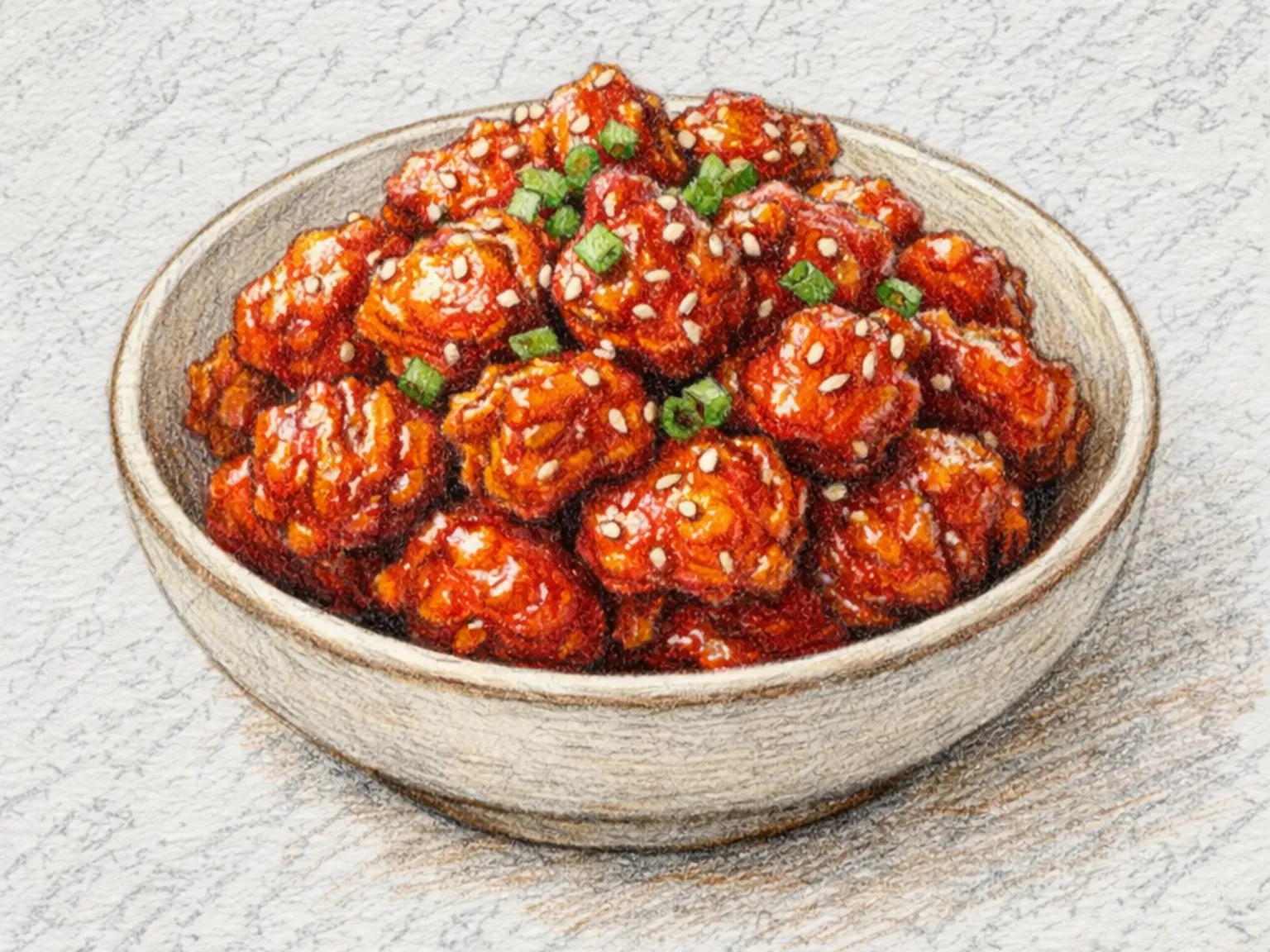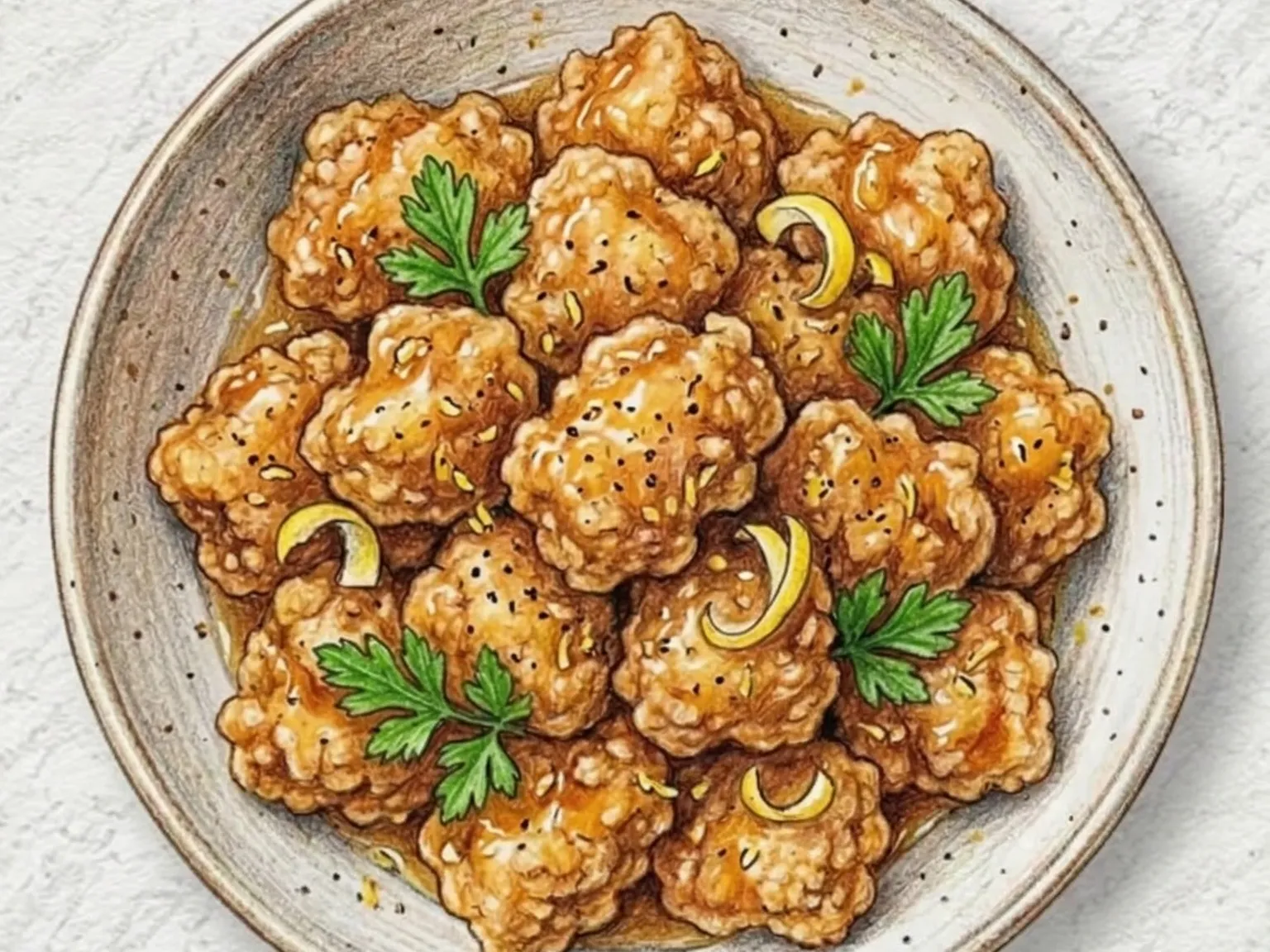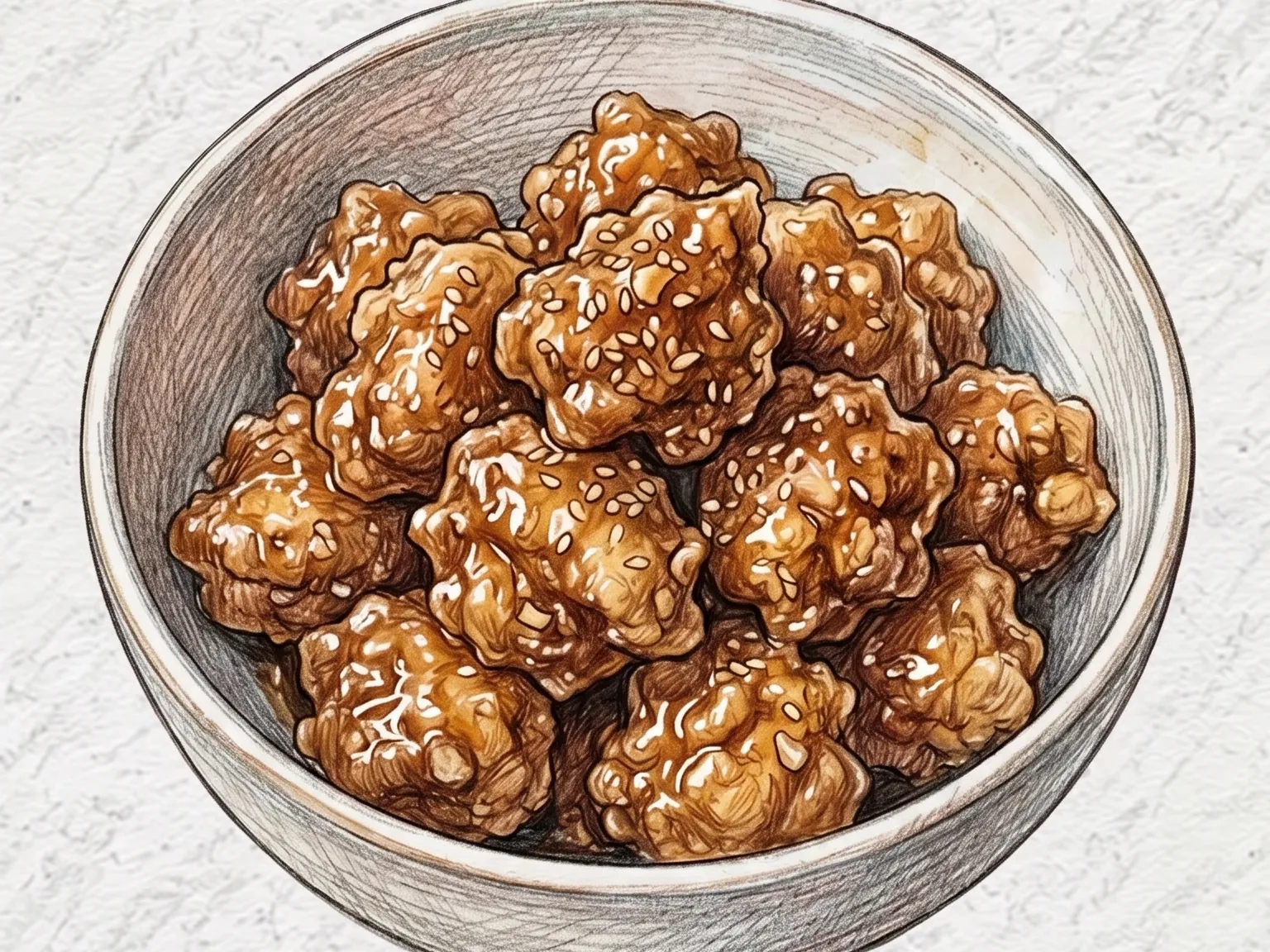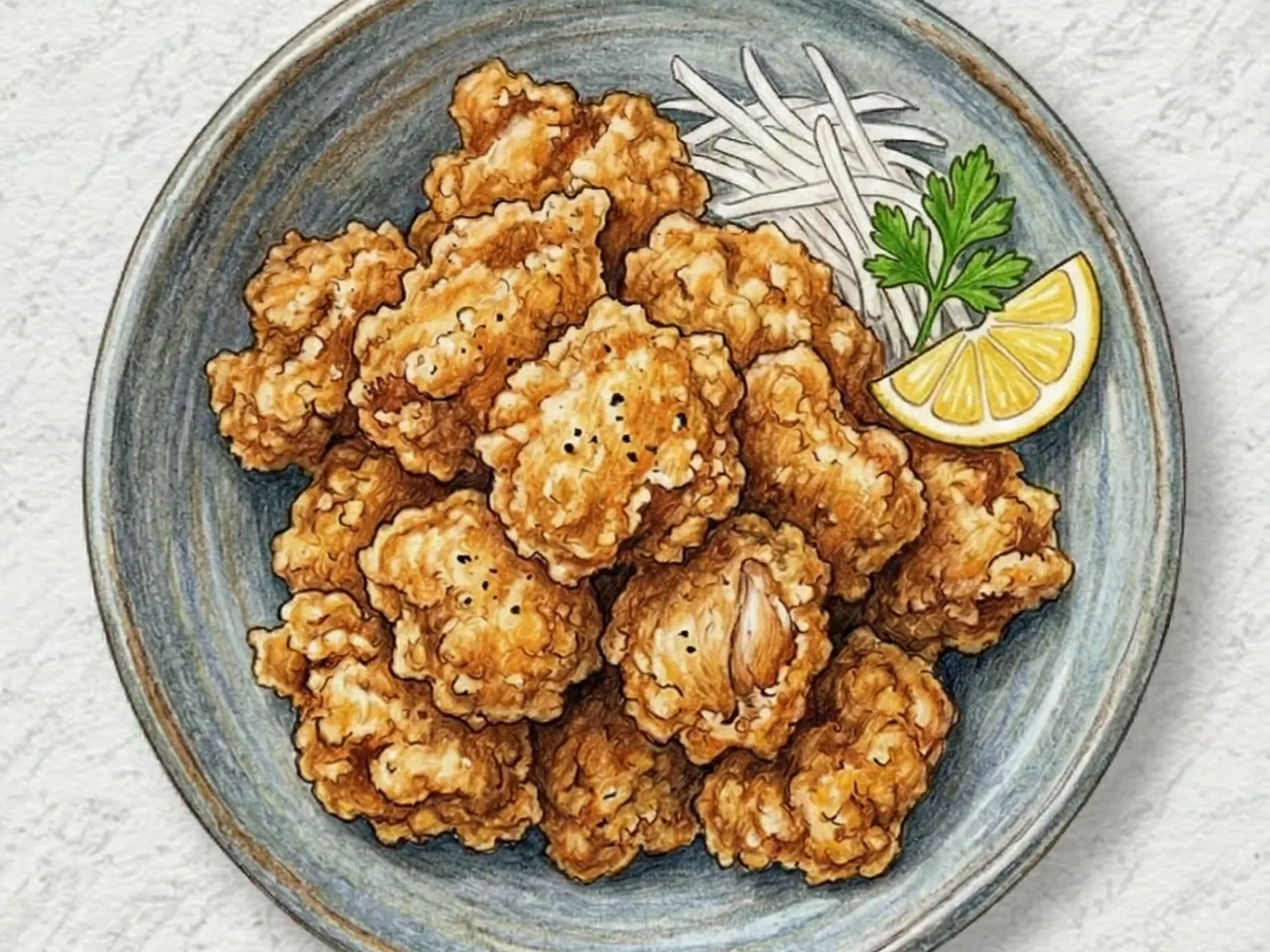
Japanese Karaage (Soy-Ginger Fried Chicken)
Asian Medium

Japanese Karaage (Soy-Ginger Fried Chicken)

Quick answer

Karaage is Japanese fried chicken where boneless thigh pieces are marinated in soy sauce, mirin, grated ginger, and minced garlic for at least fifteen minutes before bein...

What makes this special

  • Soy-ginger Karaage chicken is double-fried in potato starch after a 15-minute marinade of grated ginger.
  • Ginger juice neutralizes thigh meat gaminess; mirin adds subtle sweetness and sheen during 15-plus minutes of marinating
  • Potato starch makes a lighter, crisper crust than flour; excess is shaken off before first fry at 170°C
Total time
40 min
Level
Medium
Servings
2 servings
Ingredients
7
Calories
620 kcal
Protein
35 g

Key ingredients

chicken thighsoy saucemiringrated gingerminced garlic

Core cooking flow

  1. 1 Cut 500 g chicken thigh into even bite-size pieces so they fry at the same pace.
  2. 2 Drain the marinated chicken briefly so loose marinade falls away.
  3. 3 Spread 80 g potato starch in a wide bowl and coat the chicken pieces one by one.

Karaage is Japanese fried chicken where boneless thigh pieces are marinated in soy sauce, mirin, grated ginger, and minced garlic for at least fifteen minutes before being coated in potato starch and double-fried. Ginger in the marinade counters the stronger gaminess of dark meat, and mirin contributes a mild sweetness and sheen to the finished crust. Potato starch produces a lighter and crispier shell than wheat flour or cornstarch, but any excess coating must be shaken off before frying or the surface sets unevenly. The first fry at 170 degrees Celsius runs for three to four minutes, cooking the chicken fully through. Pulled from the oil and rested for two minutes, residual heat equalizes the interior temperature. The second fry at 180 degrees for one to two minutes drives off remaining surface moisture, leaving a thin, shattering crust that holds its texture far longer than a single fry would. This is the central technique that keeps karaage crisp even as it cools. Squeezing lemon juice over the pieces just before eating cuts through the richness and sharpens the contrast between the crust and the juicy interior.

Prep 20min Cook 20min 2 servings

Instructions

Read the steps as a cooking flow: prep, heat, seasoning, doneness control, and finish.

6 steps
  1. 1
    Season

    Cut 500 g chicken thigh into even bite-size pieces so they fry at the same pace.

    Mix with 2 tbsp soy sauce, 1 tbsp mirin, 1 tsp grated ginger, and 1 tsp minced garlic, then marinate chilled for at least 15 minutes.

  2. 2
    Step

    Drain the marinated chicken briefly so loose marinade falls away.

    Press only the surface with paper towels, leaving flavor in the meat while preventing wet patches from clumping the starch or making the oil spatter.

  3. 3
    Step

    Spread 80 g potato starch in a wide bowl and coat the chicken pieces one by one.

    Shake each piece until only a thin white layer remains, which helps the crust set evenly instead of turning heavy or bumpy.

  4. 4
    Heat

    Heat 700 ml frying oil in a deep pot to 170 C.

    Add the chicken without crowding, keep the heat around medium, and fry for 3 to 4 minutes until the coating sets and the meat cooks through.

  5. 5
    Step

    Lift the first-fried chicken onto a rack and rest it for 2 minutes.

    Residual heat will even out the center, so do not return it immediately; meanwhile raise the oil temperature to 180 C.

  6. 6
    Heat

    Return the chicken to the 180 C oil and fry for only 1 to 2 minutes.

    When the color turns deep golden and the frying sound becomes lighter, drain well and add lemon juice only just before serving.

After the steps

Pick a recipe that fits this dish.

Continue with shared ingredients, meal pairings, or a similar method.

Recipes That Go Well With This

More Asian →

Based on shared ingredients and meal pairing

Yuzu Karaage (Japanese Citrus-Marinated Fried Chicken)
Shared ingredient: boneless chicken thigh Asian

Yuzu Karaage (Japanese Citrus-Marinated Fried Chicken)

Yuzu karaage is a citrus-accented variation of Japanese fried chicken that incorporates yuzu into the traditional soy-ginger marinade. Boneless chicken thighs are marinated in soy sauce, cooking sake, garlic, ginger, and yuzu marmalade, which infuses the meat with a floral citrus fragrance distinct from lemon or lime. After marinating, the pieces are coated in potato starch and deep-fried until the exterior turns shatteringly crisp while the inside stays moist and well-seasoned. The yuzu adds a bright, aromatic acidity that lifts the richness of the fried coating and dark soy marinade, giving each bite a clean finish rather than a heavy aftertaste.

Agedashi Tofu (Japanese Crispy Fried Tofu in Dashi Broth)
Shared ingredient: potato starch Asian

Agedashi Tofu (Japanese Crispy Fried Tofu in Dashi Broth)

The dish has been in Japanese izakaya cookbooks since the Edo period - essentially a method for turning a block of tofu into something worth drinking beside. Firm tofu is pressed under weight for at least half an hour to drive out moisture, then tapped lightly in potato starch. Any residual water causes violent spitting in the oil; too thick a starch coat turns gummy once the broth hits. Into oil held at 170C until a translucent golden shell forms, two to three minutes without touching it. From there, hot dashi-soy-mirin broth goes on immediately at the table. The edges of the crust absorb the liquid and turn to something between gel and noodle; the center stays dry and crisp for roughly thirty seconds. That window is the whole point. Eat past it and you have soft tofu in broth, which is fine but is a different dish entirely. Grated daikon on top cuts through any lingering oil.

Yakitori Rice Bowl (Soy-Mirin Glazed Grilled Chicken over Rice)
Serve together Rice

Yakitori Rice Bowl (Soy-Mirin Glazed Grilled Chicken over Rice)

Direct heat and a repetitive glazing process define the preparation of this chicken skewer bowl. Small pieces of chicken thigh are secured onto skewers and grilled over a flame while a mixture of soy sauce, mirin, and sugar is applied in thin, sequential layers. This technique builds a lacquered surface through caramelization, which directs the sweet and salty flavors to the exterior of the meat. Applying the sauce too heavily in a single pass often leads to burning and an uneven crust. Because chicken thigh contains natural fats, the meat remains moist and tender even under high temperatures. When the cooked pieces are removed from the skewers and placed onto the rice, the excess glaze permeates the grains to provide sufficient seasoning. Sprinkling shichimi togarashi or sansho powder introduces a sharp or citrus-like contrast to the sweetness of the chicken. While chicken breast serves as a leaner alternative, it requires a longer marinating period and a shorter time on the grill to prevent the meat from drying out. The tare sauce can be prepared in advance and stored in the refrigerator for several weeks. Adding a halved soft-boiled egg or sliced scallions provides different textures and prevents the meal from feeling repetitive.

Ebi Fry (Japanese Panko-Crusted Shrimp)
Similar recipe Asian

Ebi Fry (Japanese Panko-Crusted Shrimp)

Ebi fry developed during Japan's Meiji era as Western cooking techniques arrived and were reinterpreted through a Japanese lens, becoming one of the defining dishes of yoshoku - the country's own adaptation of European cuisine. Preparation starts by cutting the tendons along the shrimp's belly at several points and pressing each piece flat against a cutting board so it holds a straight, elongated shape when lowered into hot oil rather than curling back on itself. The three-stage coating of flour, egg wash, and coarse panko breadcrumbs is central to the dish's character: panko's jagged, irregular flakes puff and expand in hot oil, producing a crust that is unmistakably lighter and more open-textured than anything made with fine Western breadcrumbs. Because the shrimp fries quickly at high temperature, the flesh stays fully moist and snaps with a satisfying springiness when bitten. Tartar sauce, with its creamy acidity and flecks of pickled vegetables, offsets the richness of the crust, while tonkatsu sauce takes the flavor in a sweeter, fruitier direction. The dish migrates easily across formats: tucked into bento boxes as a daily side, placed on top of curry rice for an ebi fry curry, or layered into soft milk bread as an ebi katsu sando. Its staying power in Japanese home cooking and restaurant menus alike reflects how thoroughly yoshoku dishes have become part of everyday Japanese food culture.

Serve with this

Chilled Wakame Seaweed Salad
Salads Easy

Chilled Wakame Seaweed Salad

Hiyashi wakame is a chilled Japanese seaweed salad in which dried wakame is rehydrated in cold water, blanched for exactly twenty seconds, then rinsed in cold water and squeezed firmly dry before being tossed with salt-wilted cucumber slices in a soy-vinegar dressing. The twenty-second blanch is the most technically precise step in the recipe: less time leaves the wakame insufficiently tender, while more than twenty seconds tips it toward rubbery toughness or mushiness depending on how long it continues on the heat. Wakame blanched for exactly this duration holds a smooth, springy texture that takes the dressing evenly across its surface. The dressing combines soy sauce, rice vinegar, sugar, and sesame oil into a balance of salty umami and sharp acidity that amplifies the seaweed's natural oceanic fragrance rather than competing with it. Salting the cucumber for five minutes and pressing out the liquid before adding it is a non-optional step; skipping it causes the cucumber's released water to dilute the dressing and wash out its flavor. A generous finish of toasted sesame seeds adds a warm, nutty aroma that sits as a counterpoint over the cold, clean textures of the wakame and cucumber.

🥗 Light & Healthy 🍱 Lunchbox
Prep 15min Cook 2min 2 servings
Japanese Stir-Fried Udon
Noodles Medium

Japanese Stir-Fried Udon

Yaki udon is a Japanese stir-fried noodle dish where thick udon noodles are tossed in a soy-based sauce over high heat with sliced pork or seafood and vegetables such as cabbage, carrot, and scallion. The high heat gives the noodles lightly charred edges while keeping their chewy center intact. Bonito flakes (katsuobushi) are often scattered on top just before serving, where they wave from the residual heat. The recipe takes about 25 minutes and depends on maintaining strong heat throughout the stir-fry to avoid steaming the noodles.

🏠 Everyday 🌙 Late Night
Prep 10min Cook 15min 2 servings
Thai Iced Tea
Drinks Easy

Thai Iced Tea

Thai iced tea is a boldly flavored, sweet milk tea made by steeping black tea leaves with cardamom over low heat for five minutes to produce a deeply concentrated brew. The intentionally strong extraction is necessary because the ice slowly dilutes the drink as it sits, and a weak brew would taste watery long before the last sip. Sugar is dissolved while the tea is still hot, then the liquid is cooled fully before being poured over a glass packed with ice. Milk and condensed milk are poured gently on top without stirring to create a visual gradient of white layered over amber, and the drink is mixed at the table before drinking. Once combined, the cardamom's floral spice and gentle bitterness weave through the sweetened black tea base to produce a complex flavor that goes beyond simple sweetness. Adjusting the amount of condensed milk is the easiest way to control how sweet the finished drink turns out.

🍺 Bar Snacks 🧒 Kid-Friendly
Prep 8min Cook 12min 3 servings

Similar recipes

Buta Shogayaki (Japanese Ginger Pork Stir-Fry with Soy Mirin Glaze)
Asian Easy

Buta Shogayaki (Japanese Ginger Pork Stir-Fry with Soy Mirin Glaze)

Buta shogayaki is one of the most frequently cooked dishes in Japanese home kitchens, appearing in bento boxes, teishoku set meals, and university cafeterias with equal regularity. The name translates directly as pork ginger stir-fry, and the technique is as precise as it is simple: thinly sliced pork loin or shoulder is marinated briefly in a mixture of soy sauce, mirin, sake, and freshly grated ginger, then seared quickly in a hot pan and finished with a reduction of the marinade. The ginger does more than add flavor -- it contains proteolytic enzymes that break down muscle fibers, measurably tenderizing the meat even in a marinade as short as ten minutes. The slices must not overlap in the pan; piling them causes steam to accumulate and the pork poaches rather than sears, losing the caramelized, slightly charred edges that define the dish. The marinade is added only in the final thirty seconds so it reduces rapidly into a sticky, glossy glaze that adheres to every surface rather than pooling at the bottom of the pan. Placing the finished pork over a mound of shredded raw cabbage is not optional in traditional presentation -- the cold, crunchy vegetable contrasts sharply with the hot, lacquered meat and cuts through the sweetness of the mirin glaze. Shogayaki has been a menu fixture since the mid-20th century, when rising pork production in Japan made it affordable enough for everyday cooking. From pantry to plate in fifteen minutes, it demands nothing more than a hot pan, fresh ginger, and attention to heat control.

🍱 Lunchbox ⚡ Quick
Prep 10min Cook 12min 2 servings
Japanese Ginger Soy Braised Chicken
Stir-fry Easy

Japanese Ginger Soy Braised Chicken

Toriniku shigureni is a Japanese-style simmered dish of ground chicken cooked down with julienned ginger, soy sauce, mirin, and sugar until most of the liquid evaporates. The chicken is browned first over medium heat, then ginger is added for its sharp bite before the braising liquid goes in. As the sauce reduces over six minutes, it concentrates into a sweet-salty glaze that clings to the meat. The ginger tames any gamey notes while adding warmth, making this a versatile topping for rice bowls or a compact side dish for packed lunches.

🏠 Everyday 🌙 Late Night
Prep 10min Cook 12min 2 servings
Yaki Onigiri (Japanese Soy-Glazed Grilled Rice Balls)
Street food Easy

Yaki Onigiri (Japanese Soy-Glazed Grilled Rice Balls)

Yaki onigiri are Japanese grilled rice balls prepared using freshly cooked rice that has been lightly seasoned with salt. The rice grains are shaped into triangles or rounds while they remain warm and pliable, as the grains lose their natural binding ability once they cool and lose their moisture. During the shaping process, pressure must be applied with even distribution across the rice to prevent the grains from becoming a dense and compacted mass. This careful handling ensures that the interior of the rice ball maintains a soft texture with each individual grain remaining distinct after the grilling process is complete. The cooking method involves pan-grilling the rice balls using a small amount of sesame oil over a medium-low flame. This specific heat level is necessary to allow the starch on the surface of the rice to caramelize at a slow pace, resulting in a thin and crackling crust while the center of the onigiri remains moist. It is important to let the rice balls sit undisturbed in the pan for three to four minutes on each side before they are turned. This waiting period allows the outer layer to set properly and prevents the rice from tearing or sticking to the pan when it is time to flip them. A glaze made from a combination of soy sauce, mirin, and sugar is applied to the surface in several thin coats. Brushing the glaze on in multiple light passes, rather than applying a large amount of the liquid at the start, prevents the sugar content from burning or charring. This technique creates a deep savory flavor and a lacquered sheen on the exterior of the rice. The finished onigiri have a savory and slightly sweet profile, with edges that become chewy where the glaze has concentrated during the cooking process. A narrow strip of nori seaweed is often wrapped around the base of the rice ball to provide a salty element that balances the glazed exterior. When served with miso soup and pickled radish, these grilled rice balls function as a light meal.

🧒 Kid-Friendly ⚡ Quick
Prep 12min Cook 12min 2 servings

Tips

Double-frying keeps the inside juicy while making the crust crispier.
Cornstarch can be used if potato starch is unavailable.

Nutrition (per serving)

Calories
620
kcal
Protein
35
g
Carbs
22
g
Fat
42
g