Charim

2686 Korean & World Recipes

2686+ Korean recipes, clean and organized. Ingredients to instructions, all at a glance.

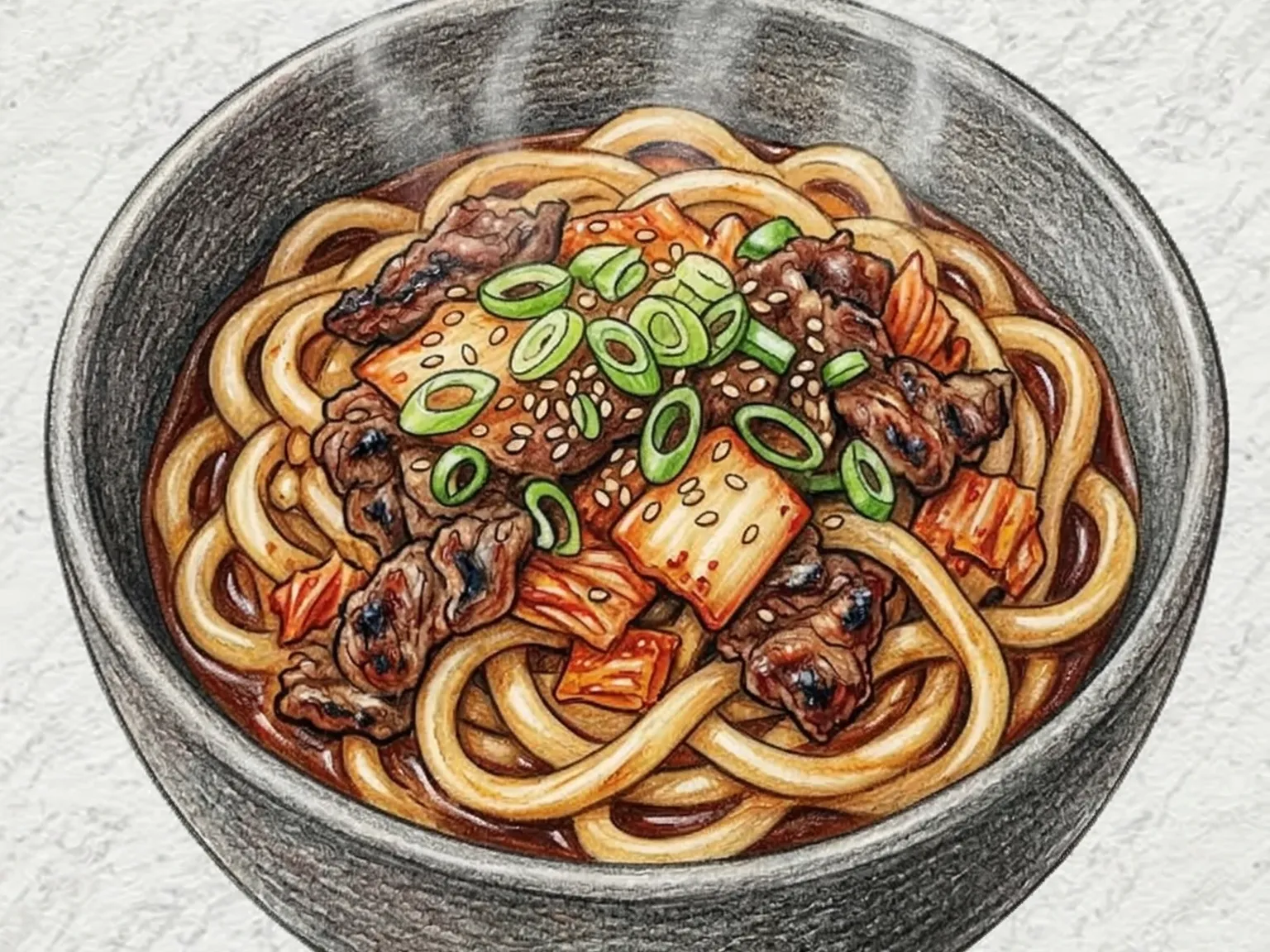
Korean Kimchi Bulgogi Udon

Korean Kimchi Bulgogi Udon

Kimchi bulgogi udon is a Korean stir-fried noodle dish that combines fermented kimchi's sharp tang with thinly sliced beef marinated in a sweet soy-based bulgogi seasoning. The beef is seared quickly over high heat, then onion and kimchi join the pan and cook until their moisture evaporates, concentrating flavor. A sauce of soy sauce, gochujang, and sugar goes in next, followed by briefly blanched udon noodles that get tossed on high heat for one to two minutes until every strand is coated. The thick, round udon holds the bold sauce well, and a final burst of heat gives the dish a hint of smoky wok char. If the kimchi runs very sour, an extra half-teaspoon of sugar brings the flavor back into balance.

Prep 15min Cook 12min 2 servings

Adjust Servings

2servings
servings

Instructions

  1. 1

    Blanch udon for 1 minute, loosen strands, and drain.

  2. 2

    Sear beef in oil, then add onion once beef changes color.

  3. 3

    Add kimchi and stir-fry 2 minutes to concentrate flavor.

  4. 4

    Add soy sauce, gochujang, and sugar to form the sauce.

  5. 5

    Add udon and toss on high heat for 1-2 minutes until coated.

🛒Shop Ingredients on Amazon

As an Amazon Associate, we may earn from qualifying purchases.

Tips

If kimchi is very sour, add 0.5 tsp extra sugar.
Do not overcook udon before stir-frying to keep chewiness.

Nutrition (per serving)

Calories
670
kcal
Protein
29
g
Carbs
79
g
Fat
24
g

More Recipes

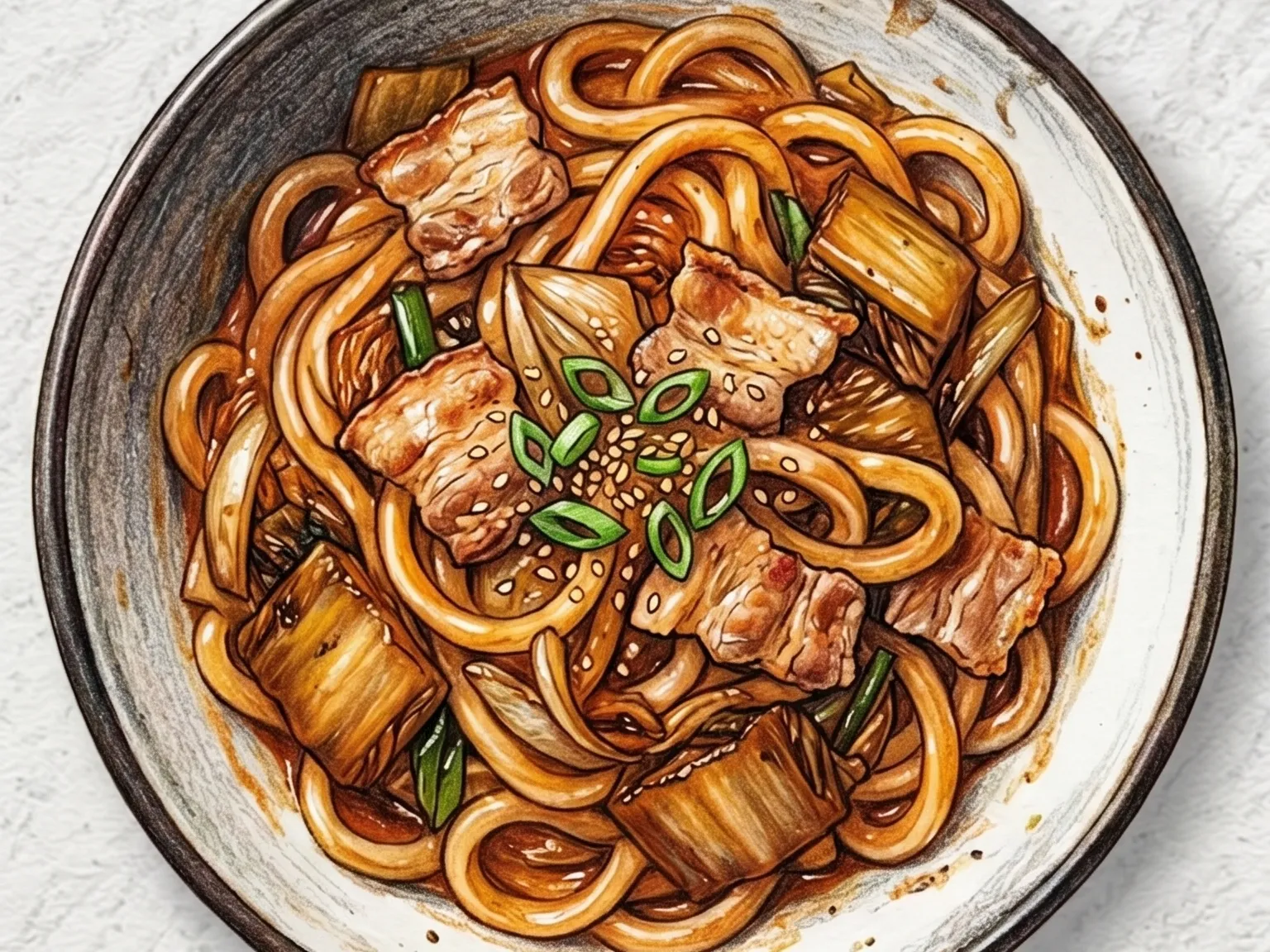
Korean Minari Bulgogi Bibim Udon
NoodlesMedium

Korean Minari Bulgogi Bibim Udon

Minari bulgogi bibim udon is a Korean mixed noodle dish combining soy-marinated beef bulgogi with fragrant water dropwort over chewy udon noodles. The beef is marinated for ten minutes in soy sauce, garlic, and syrup, then stir-fried quickly with onion over high heat to develop caramelized edges while keeping the interior moist. Udon is blanched for two minutes and rinsed in cold water to restore its springy chew. A gochujang, soy sauce, and sesame oil dressing coats the noodles first, then the bulgogi and minari are folded in gently at the end so the herb's distinctive aroma stays intact rather than wilting away. Sesame seeds scattered on top add a final nutty accent that bridges the savory meat and the fresh, grassy minari.

🍺 Bar Snacks
Prep 25minCook 12min2 servings
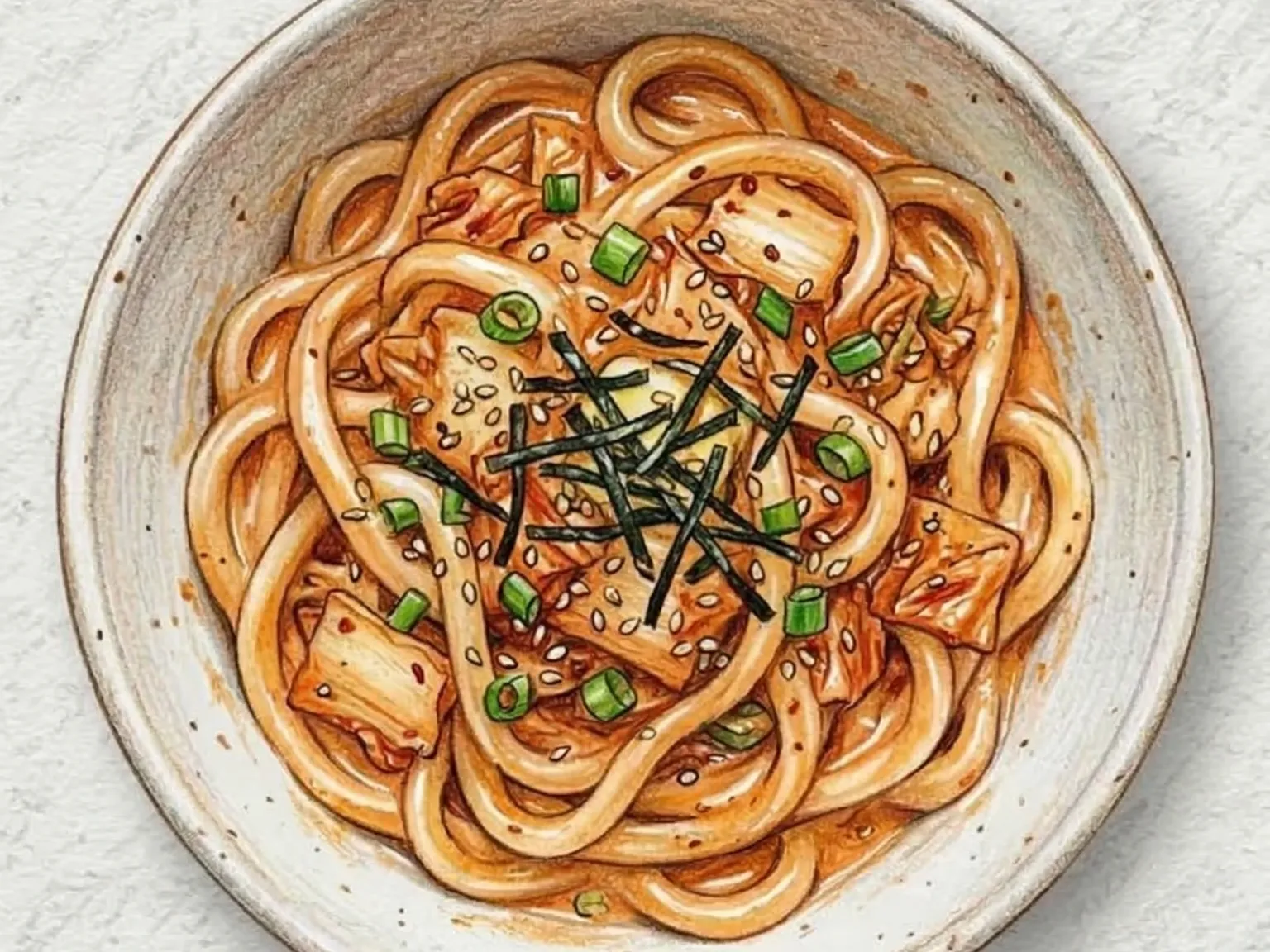
Korean Spicy Beef Soup Noodles
NoodlesMedium

Korean Spicy Beef Soup Noodles

Yukgaejang guksu starts with a deep broth made by simmering beef brisket until the liquid turns rich and full-bodied. The meat is shredded along the grain and returned to the pot alongside fernbrake, bean sprouts, and green onion that have been seasoned with gochugaru, sesame oil, and garlic before a brief stir-fry. This pre-seasoning step lets the chili heat dissolve into the oil, producing a rounded spiciness rather than raw powder burn. Korean soup soy sauce adjusts the salt level without clouding the broth's color. Thin wheat somyeon noodles are boiled separately and added at the end so they absorb the broth without turning mushy. Swapping in glass noodles changes the texture to a chewier, more slippery bite that holds onto the soup longer.

🏠 Everyday
Prep 15minCook 20min2 servings
Korean Bulgogi Jjolmyeon (Marinated Beef on Chewy Spicy Noodles)
NoodlesMedium

Korean Bulgogi Jjolmyeon (Marinated Beef on Chewy Spicy Noodles)

Bulgogi jjolmyeon tops springy, chewy jjolmyeon noodles with thinly sliced beef that has been marinated in soy sauce, sugar, and sesame oil, then quickly stir-fried over high heat. The noodles' intense elasticity and the beef's sweet-savory glaze come together for a bowl that satisfies on both texture and flavor. A spicy-tangy sauce of gochujang, soy sauce, and vinegar coats the noodles, counterbalancing the sweetness of the bulgogi. Shredded cabbage and carrot add crisp contrast, while a halved boiled egg tempers the overall heat. Cooking the beef fast over high flame minimizes moisture loss and keeps the slices from toughening.

🌙 Late Night
Prep 20minCook 12min2 servings
Korean Aged Kimchi Mackerel Bibim Noodles
NoodlesHard

Korean Aged Kimchi Mackerel Bibim Noodles

Mugunji godeungeo bibim myeon is a bold Korean mixed noodle dish where pan-seared mackerel and stir-fried aged kimchi meet spicy noodles. Salting the mackerel fillet for ten minutes draws out moisture and reduces fishiness, and pan-searing until golden before flaking the meat allows it to blend into the noodles without bones. A quick two-minute stir-fry softens the harsh acidity of the aged kimchi while preserving its deep fermented character. The sauce combines gochujang, gochugaru, plum syrup, vinegar, and sesame oil, layering spicy, sweet, and tangy notes in a single dressing. Draining the wheat noodles thoroughly prevents the sauce from becoming watery, and julienned cucumber with roasted seaweed flakes add crunch and a light oceanic note that balances the rich, oily fish.

🎉 Special Occasion
Prep 25minCook 15min2 servings
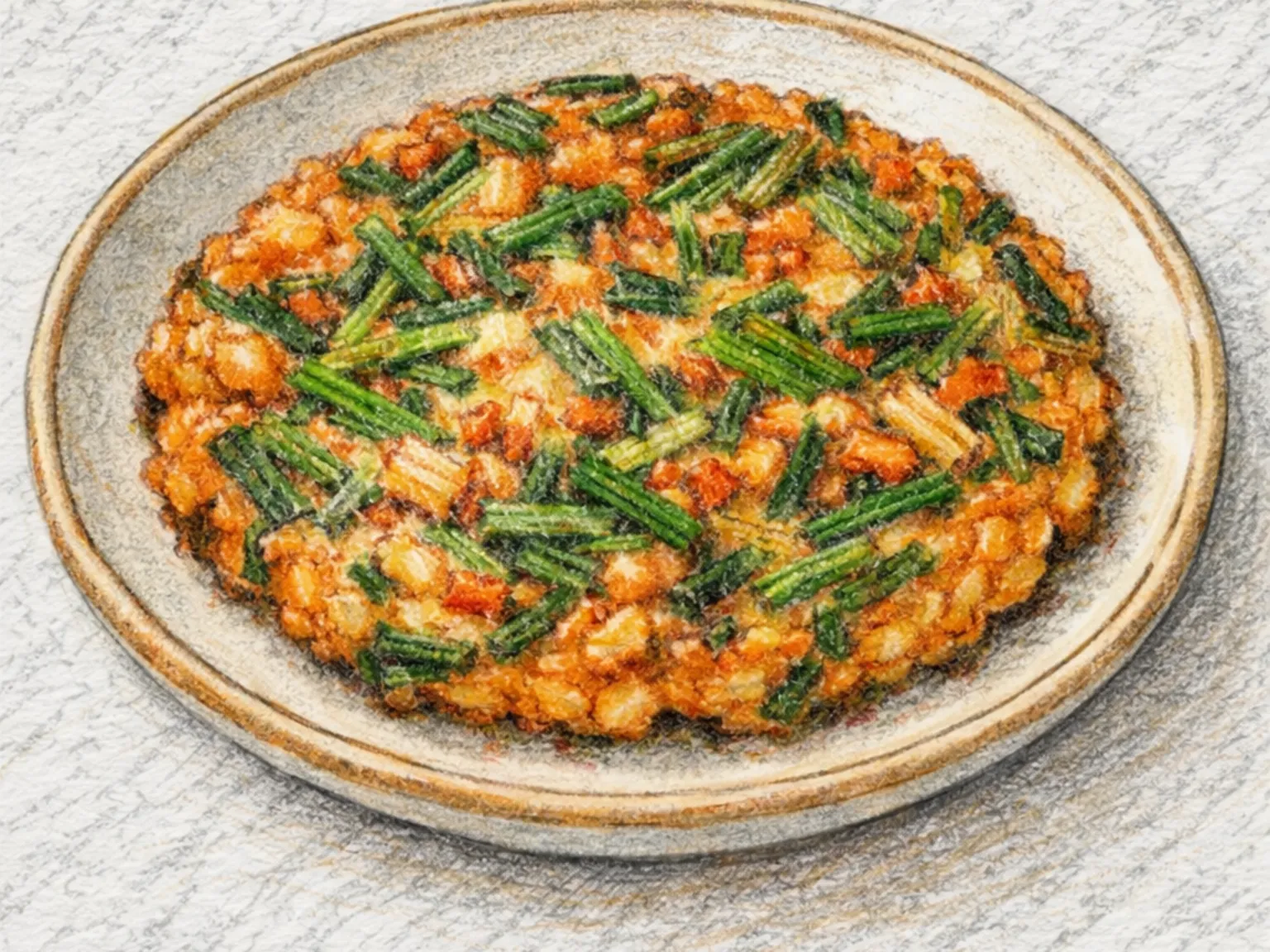
Korean Kimchi Bulgogi (Kimchi Stir-Fried Marinated Beef)
Stir-fryMedium

Korean Kimchi Bulgogi (Kimchi Stir-Fried Marinated Beef)

Kimchi bulgogi combines soy-and-pear-marinated beef slices with aged napa kimchi, stir-fried together over high heat. The pear juice tenderizes the meat and adds a subtle sweetness that the kimchi's sharp acidity and salt cut through, creating a layered seasoning. As the two cook together, kimchi liquid seeps into the beef and builds a more complex umami than standard bulgogi alone. A finishing drizzle of sesame oil rounds out the dish, which pairs best with plain steamed rice to absorb the pan juices.

🏠 Everyday🌙 Late Night
Prep 30minCook 10min2 servings
Gochujang Beef Ragu Rigatoni
PastaMedium

Gochujang Beef Ragu Rigatoni

Gochujang beef ragu rigatoni sears ground beef hard over high heat to develop a deep browned crust, then adds gochujang and tomato puree with red wine for a twenty-minute simmer on medium-low heat. Leaving the beef undisturbed in the pan until a crust forms is essential - stirring too early releases moisture and prevents browning. Frying the gochujang in oil for one minute draws out its sweet fermented umami, which pairs naturally with the tomato's acidity. The red wine reduces and leaves behind a fruity complexity that layers into the ragu's depth. Rigatoni is boiled one minute short of al dente, then finished in the sauce pan with pasta water so the starch integrates into the sauce and coats the tubes both inside and out with a glossy, clinging finish.

🎉 Special Occasion
Prep 15minCook 35min2 servings
More Noodles →