Kimchi Cheddar Savory Scone
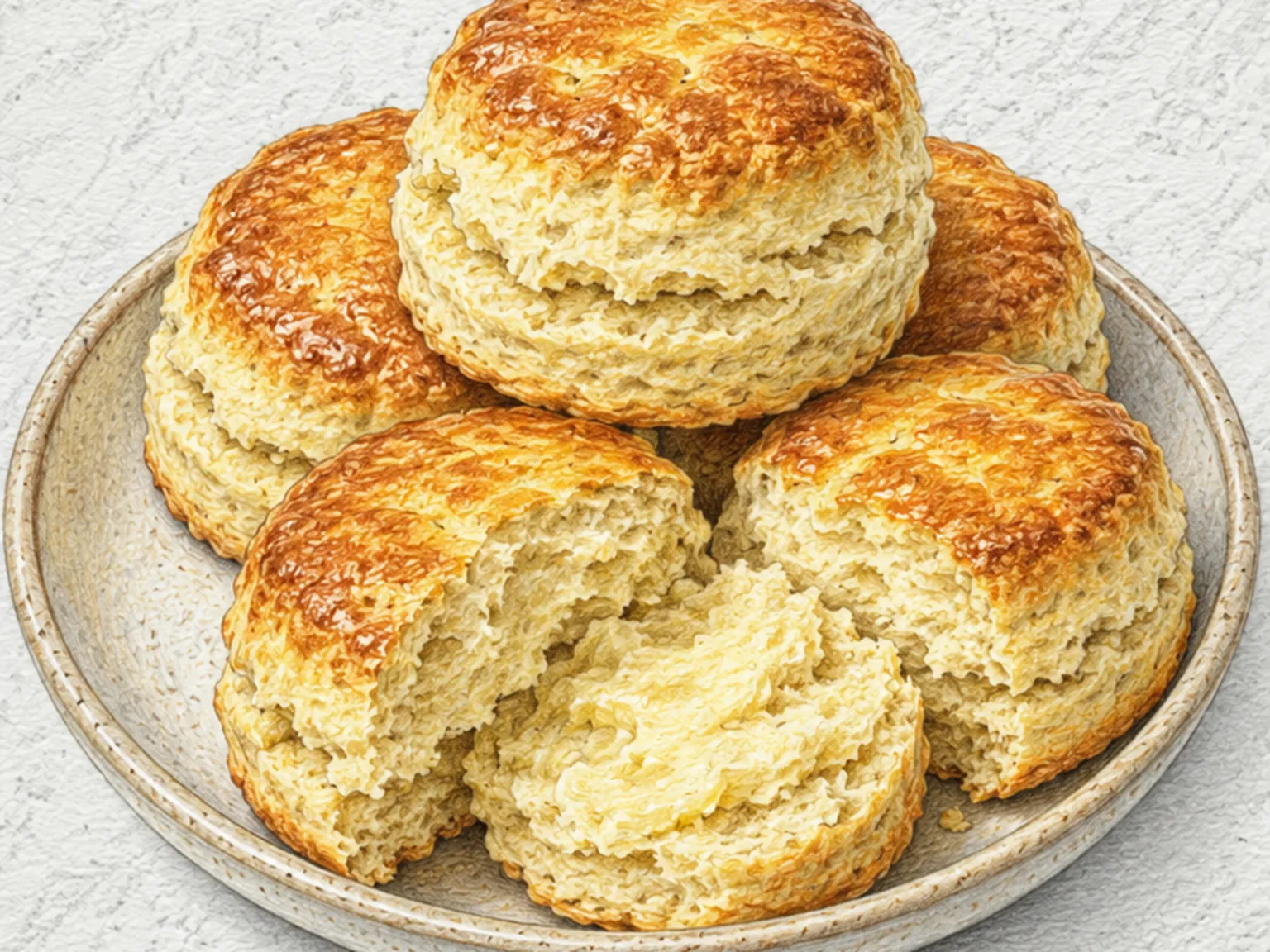
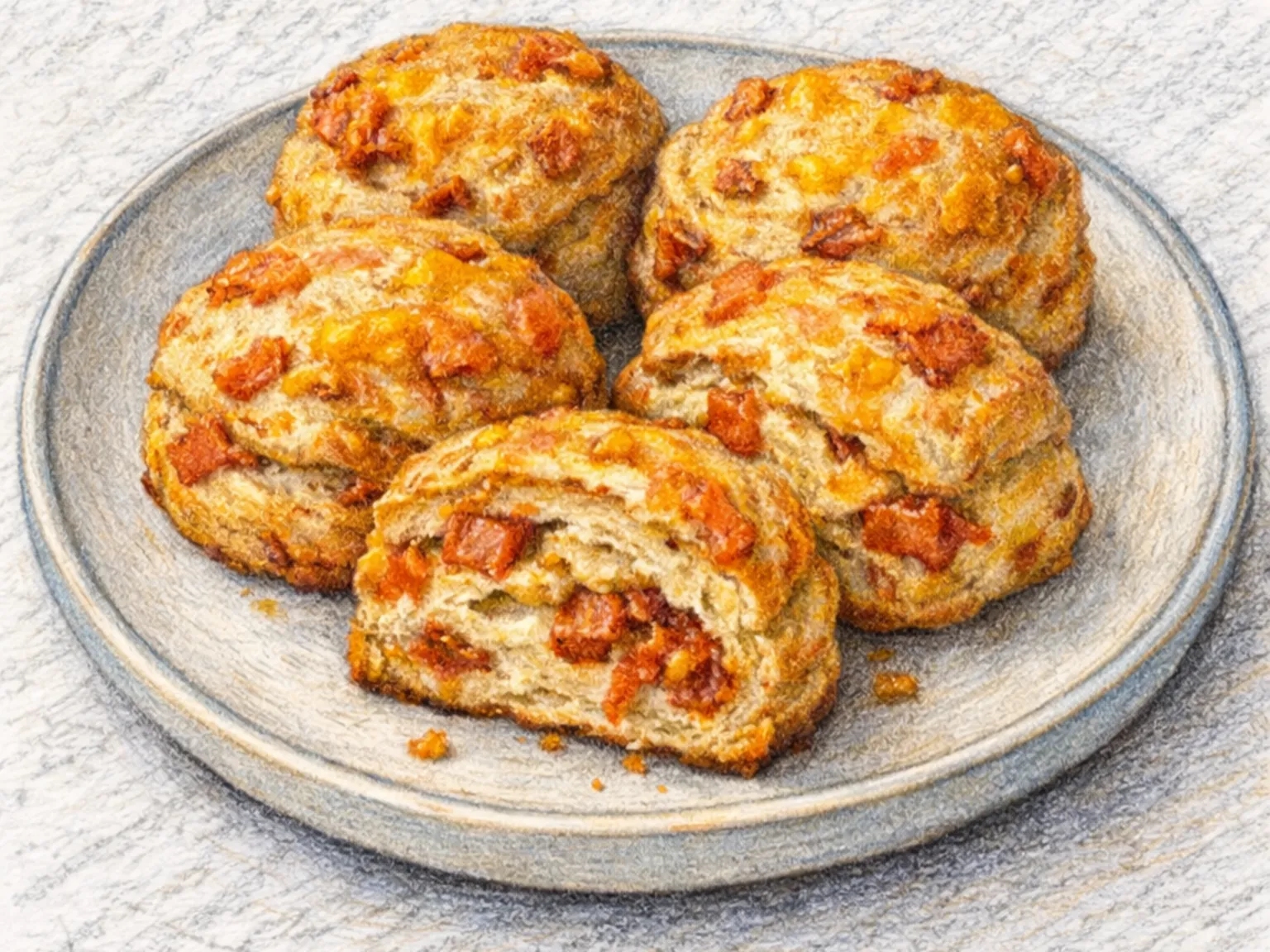
Cold butter rubbed into flour creates the flaky, crumbly layers of a classic scone, but here the dough takes a savory turn with the addition of squeezed kimchi and sharp cheddar cheese. As the butter melts in the oven, it releases steam that puffs the layers apart, and between those layers the kimchi's spicy acidity and the cheddar's salty richness emerge in alternating waves. Removing moisture from the kimchi before mixing is critical; wet kimchi produces a dense, heavy dough instead of the light texture that defines a good scone. Overworking the dough develops gluten and sacrifices that crumbly snap, so the ingredients are combined just until they hold together. A brief bake at 200 degrees Celsius sets the crust golden while the interior stays tender. Eaten warm with a pat of butter, the scone delivers a pronounced sweet-salty-tangy interplay that works as well at breakfast as it does alongside a bowl of soup.
Adjust Servings
Instructions
- 1
Preheat the oven to 200C and line a tray with parchment.
- 2
Mix dry ingredients, then rub in cold butter until pea-sized crumbs form.
- 3
Squeeze kimchi dry and toss with cheddar into the flour mixture.
- 4
Add milk and egg, mixing just until the dough comes together.
- 5
Pat to 2.5 cm thickness, cut into 8 wedges, and space on tray.
- 6
Brush tops with milk and bake 20-22 minutes until golden, then cool.
As an Amazon Associate, we may earn from qualifying purchases.
Tips
Nutrition (per serving)
More Recipes

Kimchi Bacon Quiche (Fermented Kimchi Egg Custard Pie)
This fusion quiche traps the sharp tang of well-fermented kimchi and the smoky depth of bacon inside a silky egg custard. Squeezing the kimchi dry before adding it concentrates its fermented intensity while preventing a soggy filling. Bacon and onion are sauteed until their moisture evaporates, then combined with a custard of eggs, heavy cream, and milk. When sliced, each wedge reveals a mosaic of red kimchi shreds and bacon bits suspended in the golden custard. Melted mozzarella weaves through the filling, binding every layer, while the buttery pie crust provides a crisp, flaky foundation. A two-stage bake, starting at 190 degrees Celsius and dropping to 175, browns the surface while keeping the interior creamy rather than rubbery. Black pepper is the only seasoning needed, since the bacon and kimchi supply all the salt and heat. Served warm from the oven, a single slice makes a complete brunch plate.

Black Sesame Miso Cornbread
This fusion cornbread weaves roasted black sesame and doenjang into a classic American quick bread. Folding ground heukimja into the cornmeal batter tints it a striking grey and contributes a deep, toasted-nut richness that ordinary cornbread lacks. A small measure of doenjang dissolved into the wet ingredients spreads a subtle fermented savoriness throughout, adding complexity without making the bread taste overtly like soybean paste. The coarse cornmeal preserves a grainy chew, while butter and buttermilk keep the crumb moist. Doenjang's salt tempers the sugar, landing the flavor in an ambiguous zone between sweet and savory that invites another bite. A drizzle of honey or a pat of butter on a warm slice amplifies the nuttiness. The bread pairs well with soups, stews, and even Korean jjigae, serving as an unexpected but harmonious side.

Injeolmi Scone (Soybean Powder & Rice Cake Scone)
This scone folds roasted soybean powder and small pieces of glutinous rice cake into a classic British scone dough, capturing the flavor of Korean injeolmi in a handheld baked form. The soybean powder lends the crumb a warm, toasted nuttiness that plain flour cannot achieve, while the tteok bits soften in the oven and create chewy pockets scattered throughout. Keeping the butter cold and cutting it into the dry ingredients in small pieces ensures the scone develops flaky layers that crack open at the surface and stay tender inside. A light glaze of honey or a side of sweetened condensed milk echoes the traditional way injeolmi is enjoyed, reinforcing the sweet-nutty pairing. Served alongside warm tea, these scones make an appealing afternoon treat. The key technique is minimal mixing: overworking the dough develops too much gluten and produces a tough, dense result instead of the desired crumbly softness.

Ssuk Bam Crumble Bars (Mugwort Chestnut Bars)
A cookie-like base made with mugwort powder supports a layer of roasted chestnut pieces, all blanketed by a crumbly butter streusel and baked until golden. The mugwort infuses the entire bar with a subtle, herbal earthiness - green and faintly bitter, reminiscent of fresh spring grass - while the chestnuts lose moisture in the oven and concentrate into pockets of dense, natural sweetness. The bottom layer bakes firm and crisp, providing structural integrity, while the crumble on top breaks apart irregularly, delivering varying bursts of buttery crunch with every bite. Sugar and butter in the dough temper the mugwort's bitterness so it reads as aromatic depth rather than sharpness. Pairing these bars with warm green tea creates a resonance between the herbal notes, each reinforcing the other.

Korean Street Egg Bread (Sweet Batter Muffin with Whole Egg)
Gyeran-ppang is a Korean street-style egg bread made by pouring a sweet batter of cake flour, baking powder, milk, and melted butter into a muffin mold, then cracking a whole egg on top before baking. A small amount of diced ham sits beneath the egg, adding a salty counterpoint to the sweet dough. Baking at 180 degrees Celsius for sixteen minutes yields a jammy yolk, while eighteen minutes produces a firmer set, letting the baker control doneness to taste. Vanilla extract in the batter tempers any eggy notes, and a sprinkle of parsley before the oven adds a faint herbal fragrance to the golden, puffy surface.

Red Bean Pastry (Korean Gyeongju Soft Bun with Anko)
Gyeongju-ppang is a baked Korean pastry made from a yeast-leavened dough enriched with milk and butter, wrapped around a generous filling of sweet red bean paste. The dough is rolled thin, sealed around the paste with the seam facing down, and baked at 180 degrees Celsius until the top puffs up with a smooth, light golden surface. Because the filling-to-dough ratio is high, the first flavor in each bite is the dense, sweet red bean, followed by the mild dairy aroma of the thin bread shell. Rooted in the baking traditions of Gyeongju and its famous hwangnam-ppang, this pastry stays moist even after cooling, making it suitable as a packaged gift or an everyday snack.