Korean Kimchi Cheese Gamja Jeon Cup (Kimchi Cheese Potato Cup)

Korean Kimchi Cheese Gamja Jeon Cup (Kimchi Cheese Potato Cup)

Quick answer

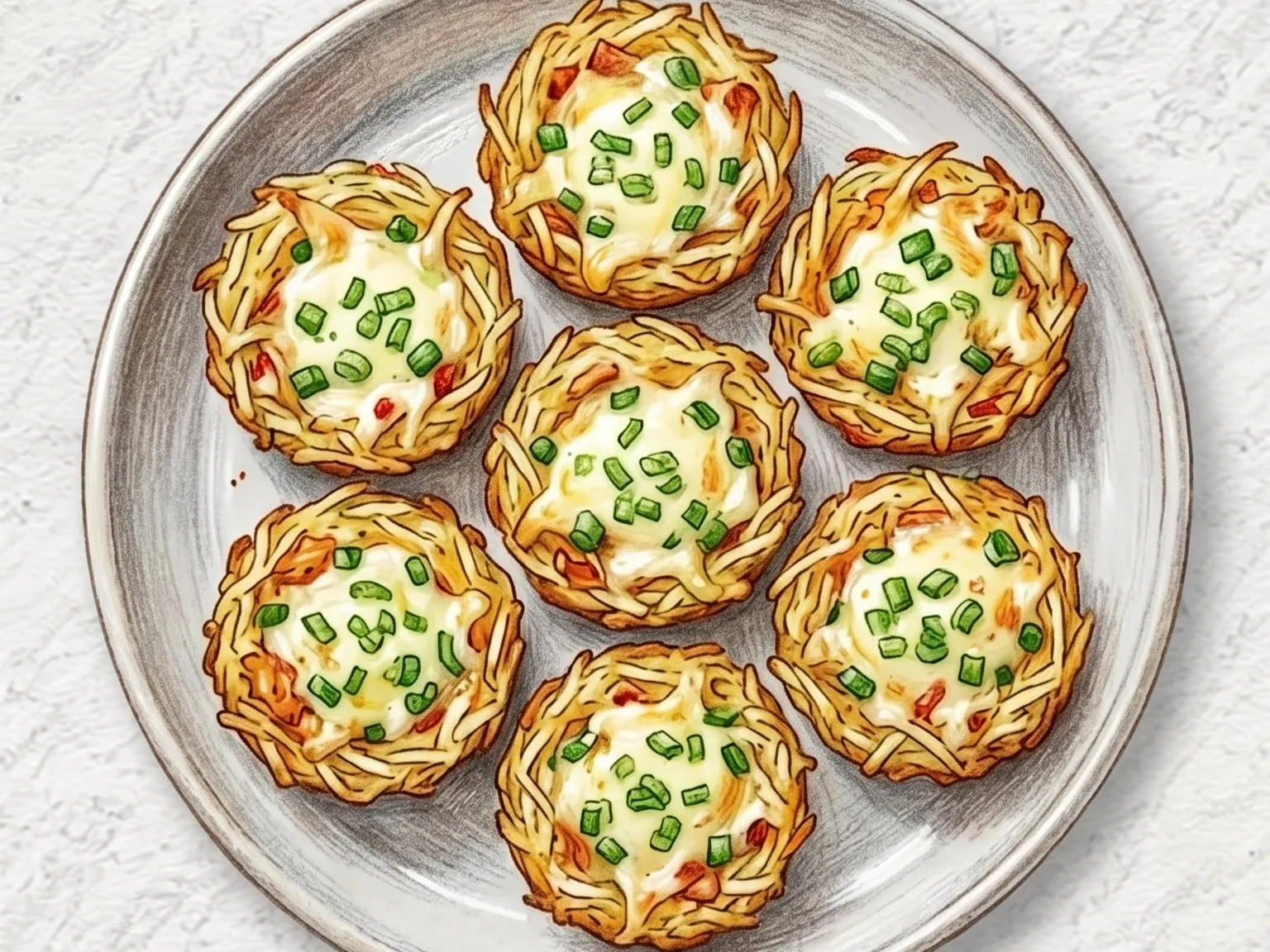
Kimchi cheese gamja jeon cups start with julienned raw potato and chopped kimchi mixed into a batter of Korean pancake mix and egg, pressed into cup shapes directly in th...

What makes this special

  • Pressing julienned potatoes and chopped kimchi into small cup shapes allows the centers to hold melted mozzarella cheese and sliced green onions.
  • Potato's own starch binds the batter; no extra flour needed to hold cup shape
  • Squeezing kimchi dry is critical; leftover moisture collapses the cup structure
Total time
30 min
Level
Medium
Servings
2 servings
Ingredients
8
Calories
326 kcal
Protein
12 g

Key ingredients

potatokimchimozzarellaKorean pancake mixegg

Core cooking flow

  1. 1 Julienne 350 g potato into thin strands, then rinse once in cold water.
  2. 2 Chop 90 g kimchi finely, then squeeze it firmly so loose liquid does not thin the batter.
  3. 3 Put the potato, kimchi, 40 g Korean pancake mix, 1 egg, and 1/4 teaspoon salt in a bowl.

Kimchi cheese gamja jeon cups start with julienned raw potato and chopped kimchi mixed into a batter of Korean pancake mix and egg, pressed into cup shapes directly in the pan, then filled with shredded mozzarella and sliced green onion before a lid traps the steam that melts the cheese. The starch naturally present in the potato acts as a binder, holding each cup together as it fries, while the contact surface builds a golden, crispy crust. As the lid seals in heat, the cheese softens and merges with the spicy kimchi, and the potato contributes a gentle, almost sweet starchiness that balances the heat. Wringing excess moisture from the kimchi before mixing is the single most important step: leftover liquid loosens the batter and causes the cups to collapse before the crust sets. The compact shape makes them easy to pick up, so they work equally well as a lunchbox side or a party finger food.

Prep 15min Cook 15min 2 servings
Recipes by ingredient → potatoes egg green onion

Instructions

Read the steps as a cooking flow: prep, heat, seasoning, doneness control, and finish.

6 steps
  1. 1
    Step

    Julienne 350 g potato into thin strands, then rinse once in cold water.

    Do not soak it long, because the potato starch helps bind the cups; squeeze out surface water firmly without crushing the strands.

  2. 2
    Prep

    Chop 90 g kimchi finely, then squeeze it firmly so loose liquid does not thin the batter.

    Slice 20 g green onion, and loosen 80 g mozzarella so it can be divided quickly once the cups are hot.

  3. 3
    Season

    Put the potato, kimchi, 40 g Korean pancake mix, 1 egg, and 1/4 teaspoon salt in a bowl.

    Toss lightly until the flour disappears and the strands look lightly coated, avoiding heavy mixing that breaks the potato.

  4. 4
    Control

    Divide 2 tablespoons cooking oil between the pan or cup molds and preheat over medium heat.

    Press in the batter to form a compact base and raised edges, making the walls thick enough to hold the filling.

  5. 5
    Control

    Cook over medium heat for about 3 minutes, until the edges begin to set and the bottom grips the pan.

    Press the center again with a spoon to deepen the well, then fill evenly with mozzarella and green onion.

  6. 6
    Control

    Cover the pan and lower the heat for 3 to 4 minutes so the cheese melts without burning the bottom.

    When the base is golden, crisp, and firm enough to lift, rest briefly before removing the cups.

After the steps

Pick a recipe that fits this dish.

Continue with shared ingredients, meal pairings, or a similar method.

Recipes That Go Well With This

More Street food →

Based on shared ingredients and meal pairing

Korean Kimchi Ramen Pancake
Shared ingredient: korean pancake mix Street food

Korean Kimchi Ramen Pancake

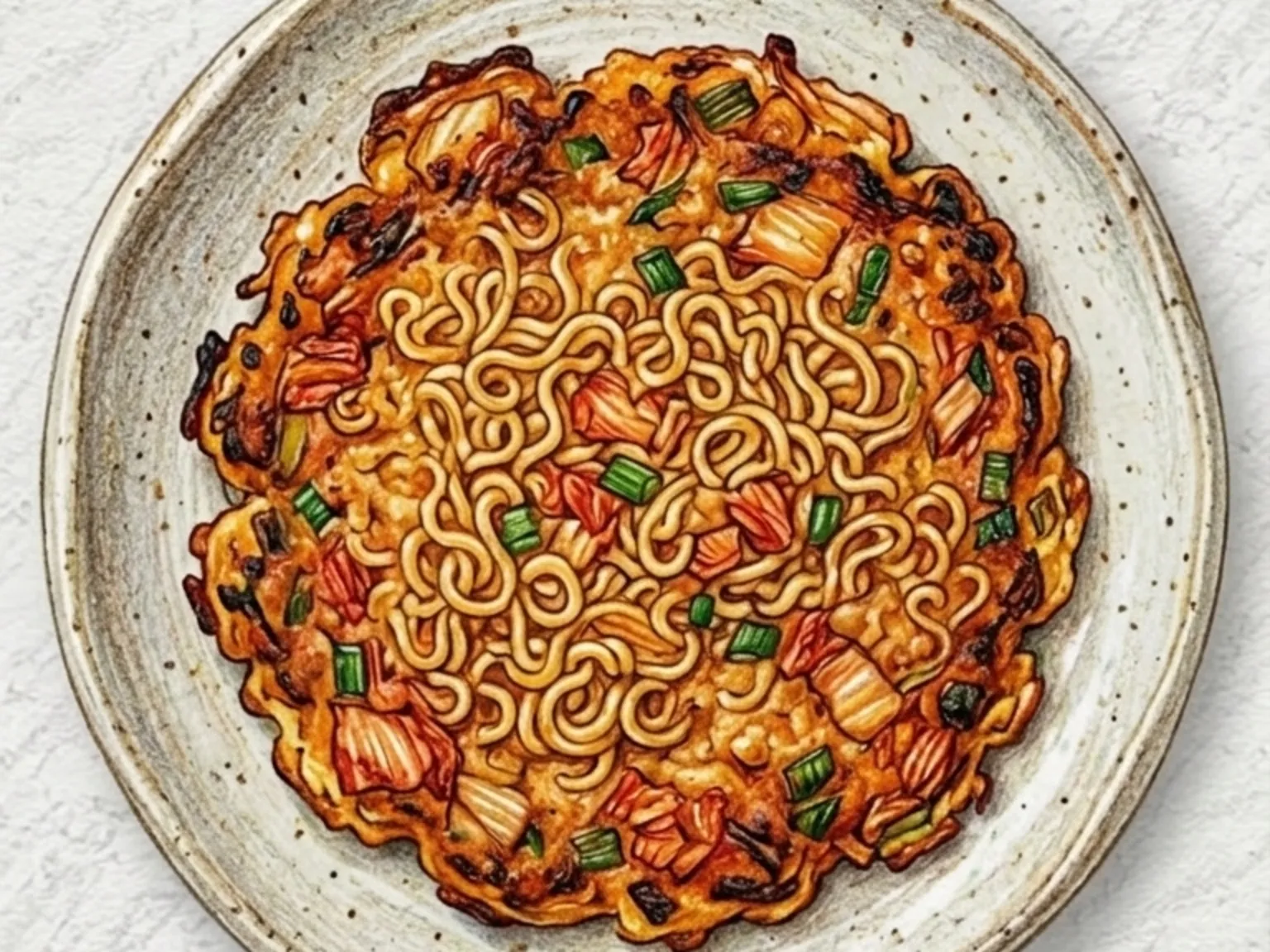
Kimchi ramyeon jeon is a Korean pan-fried pancake made with slightly undercooked ramen noodles mixed into a batter of pancake mix, chopped fermented kimchi, green onion, and red chili flakes. The noodles are boiled for only two minutes, leaving them firm enough to hold their structure in the pan; fully cooked noodles turn soft and collapse into the batter, losing all chew. The residual heat from pan-frying finishes the cooking while the noodles stay springy. Kimchi brings its fermented sourness and the chili flakes add heat, both layering over the mild, savory flavor of the batter. Spreading the mixture thin before frying allows the edges to crisp all the way through. The wavy, coiled shape of ramen strands creates an uneven surface on the pancake, producing irregular pockets and ridges that fry up especially crunchy. It is a popular late-night snack or a practical way to use leftover ramen blocks.

Korean Kimchi Jeon Cup (Kimchi Pancake Cups)
Shared ingredient: korean pancake mix Street food

Korean Kimchi Jeon Cup (Kimchi Pancake Cups)

Kimchi jeon cups are small Korean pancakes made from a batter of pancake mix, water, kimchi brine, finely chopped aged kimchi, green onion, and Cheongyang chili, pan-fried into rounds and served standing upright in paper cups. Adding kimchi brine directly to the batter is the key step that separates these from a standard kimchi pancake: the fermented liquid spreads its salt and umami through every part of the batter, so the flavor is more intense and consistent than when kimchi is simply folded into a neutral base. A generous amount of oil in the pan and medium heat together crisp the edges into a fried shell while the center stays slightly soft and chewy. The Cheongyang chili adds a sharp, clean heat on top of the kimchi acidity, keeping the flavor lively. A thicker batter consistency than normal pancakes is necessary for this format: thin batter flops and collapses once stood upright in a cup, while a stiffer mix holds the round shape without bending. The hand-held cup format references pojangmacha culture, the covered street-stall tradition, and the pancakes are typically dipped in soy sauce or a vinegar-gochujang sauce.

Korean Macaroni Salad (Sweet Mayo Pasta from Retro Diners)
Serve together Side dishes

Korean Macaroni Salad (Sweet Mayo Pasta from Retro Diners)

Korean macaroni salad is a retro banchan that became a fixture of bunsikjip snack bars and gyeongyangsik Western-style restaurants during the 1970s and 80s, and it has remained a nostalgic staple ever since. The Korean version differs from its Western counterpart in two notable ways: sugar is added to the dressing, making the whole salad distinctly sweeter, and sweet corn kernels replace the mustard or herbs common in American recipes, contributing a pop of juicy sweetness with each bite. The pasta is boiled for eight minutes or longer, well past al dente, because softer noodles tangle more effectively with the mayonnaise and hold the dressing inside rather than letting it slide off. Cucumber must be salted and then squeezed firmly to extract moisture before it goes into the salad; skipping this step causes the dressing to thin and puddle at the bottom over time. Carrot is blanched for exactly one minute to preserve its crunch, and crushed hard-boiled egg stirred into the dressing gives the salad a richer, denser body. The finished salad needs at least twenty minutes in the refrigerator for the mayonnaise to firm up and adhere to the pasta so it holds its shape on the plate. This salad is a standard side at gyeongyangsik restaurants alongside donkatsu and hamburger steak, and it appears regularly as a complimentary banchan at gimbap shops. A dusting of paprika powder or chopped parsley adds color to the otherwise pale presentation.

Korean Kimchi Pancake
Similar recipe Grilled

Korean Kimchi Pancake

Kimchi-jeon is a Korean savory pancake made by chopping well-fermented kimchi into small pieces, mixing it into a batter of pancake flour, kimchi brine, and chili flakes, then frying the batter in oil until both sides turn golden and crisp. Using kimchi brine instead of plain water is the central technique: the lactic acid from fermentation adds a tangy depth to the flour base that water simply cannot provide. The batter consistency varies with how wet the kimchi is, so the target is a texture that runs slowly rather than puddles, which usually requires less liquid than might seem necessary. Neutral cooking oil or perilla oil suits the flavor profile better than olive oil, preserving the characteristic savory aroma of Korean pan-fried foods. Four minutes on the first side over medium-high heat followed by three minutes after flipping produces a crust that is genuinely crisp at the surface while the inside stays moist from the kimchi's own liquid. Pressing lightly with a spatula before flipping helps confirm that the underside has set firmly enough to hold its shape. A pancake that is too thin burns before it develops flavor, and one that is too thick leaves the interior underdone. Kimchi-jeon is at its best immediately off the pan, but a brief return to a dry skillet restores most of the crispness when reheating leftovers.

Serve with this

Candied Sweet Potato
Desserts Easy

Candied Sweet Potato

Goguma mattang is a Korean candied sweet potato snack made by cutting peeled sweet potatoes into large chunks and deep-frying them at 170 degrees Celsius until the interior turns floury and soft. A syrup of sugar, corn syrup, water, and a measured splash of soy sauce is cooked separately until large, foamy bubbles form - the visual cue for adding the fried sweet potatoes. Everything must be coated within thirty seconds to lock in a thin, glass-like caramel shell that crisps and turns translucent as it cools. The soy sauce shifts the flavor from purely sweet to a rounded, slightly savory depth. Pre-draining surface moisture from the cut sweet potatoes reduces oil splatter during frying and helps the syrup grip the pieces evenly. Black sesame seeds are scattered over the finished pieces for a toasted, nutty note, and each piece is spread individually on parchment paper while still warm so they cool without sticking together.

🏠 Everyday 🧒 Kid-Friendly
Prep 15min Cook 20min 4 servings
Korean Kimchi Glass Noodle Stir-Fry
Noodles Easy

Korean Kimchi Glass Noodle Stir-Fry

Kimchi japchae is a variation on classic Korean glass noodle stir-fry that replaces the usual assortment of vegetables with well-fermented aged kimchi, giving the dish a bold tangy heat that the original does not have. Glass noodles are boiled, rinsed in cold water to stop the cooking, and pre-seasoned with soy sauce so they absorb flavor before hitting the pan. Pork shoulder goes in first to render its fat and build a savory base in the wok, then the kimchi -- thoroughly squeezed dry -- is added and stir-fried until the sourness concentrates and caramelizes slightly. Removing the kimchi's moisture is a non-negotiable step: excess liquid steams the noodles rather than frying them, causing the noodles to swell and the overall seasoning to turn watery and flat. Sliced onion goes in with the kimchi to contribute a natural sweetness that softens the acidity. Once the aromatics are cooked down, the noodles are tossed in with additional soy sauce and a small amount of sugar if the kimchi is especially sour. The pan comes off the heat before sesame oil is added to preserve its fragrance, and whole sesame seeds finish the dish. The combination of the noodles' chewy elasticity and the kimchi's pungent, fermented character produces a version of japchae that tastes fundamentally different from the traditional preparation.

🏠 Everyday 🍱 Lunchbox
Prep 15min Cook 15min 2 servings
Korean Dalgona Coffee (Whipped Instant Coffee Foam Milk)
Drinks Easy

Korean Dalgona Coffee (Whipped Instant Coffee Foam Milk)

Dalgona coffee is made by whipping equal parts instant coffee, sugar, and hot water with a hand mixer for three to five minutes until stiff, caramel-colored peaks form, then spooning the foam over iced milk. The whipped layer carries a concentrated, bittersweet coffee flavor that gradually blends into the cold, neutral milk below as you stir. A light dusting of cocoa powder on top introduces a faint chocolate note, and increasing the sugar slightly helps the whipped cream hold its stiff structure longer.

🍺 Bar Snacks 🧒 Kid-Friendly
Prep 8min 2 servings

Similar recipes

Potato Mozzarella Korean Corn Dog
Street food Medium

Potato Mozzarella Korean Corn Dog

Gamja mozzarella hotdog is a Korean street food that skewers a sausage and a mozzarella cheese stick together, coats them in a batter of flour, milk, and baking powder, then presses half-centimeter potato cubes across the entire surface before deep-frying. The potato cubes cook into a bumpy, golden-brown shell on the outside while the mozzarella inside melts and stretches into long, elastic strands when pulled apart. Sugar in the batter gives the whole corn dog a faintly sweet undertone throughout, and sprinkling additional sugar on the finished hotdog before eating is a common practice at street stalls. Each bite stacks the sausage's saltiness, the mozzarella's creamy stretch, and the crisp snap of the potato crust into one compact, layered structure.

🧒 Kid-Friendly 🏠 Everyday
Prep 25min Cook 15min 4 servings
Korean Kkaennip Chamchi Jeon (Perilla Tuna Pancakes)
Street food Easy

Korean Kkaennip Chamchi Jeon (Perilla Tuna Pancakes)

Kkaennip tuna jeon is made by mixing drained canned tuna with finely chopped onion, carrot, and perilla leaves, coating the mixture in pancake batter, then spooning it onto individual perilla leaves and pan-frying over medium-low heat. Each leaf wraps around the underside of the patty, acting as a natural mold that keeps the shape intact when flipping. Slow frying over moderate heat creates a crisp, golden exterior while locking enough moisture inside to keep the filling tender. The herbal, faintly minty character of the perilla leaf layers over the tuna's saltiness and cuts through any heaviness, leaving a clean finish. The combination works as a drinking snack or a packed lunch side equally well, and the bite-sized format makes it easy to serve at the table.

🧒 Kid-Friendly ⚡ Quick
Prep 12min Cook 12min 2 servings
Korean Crispy Potato Pancake
Drinks Easy

Korean Crispy Potato Pancake

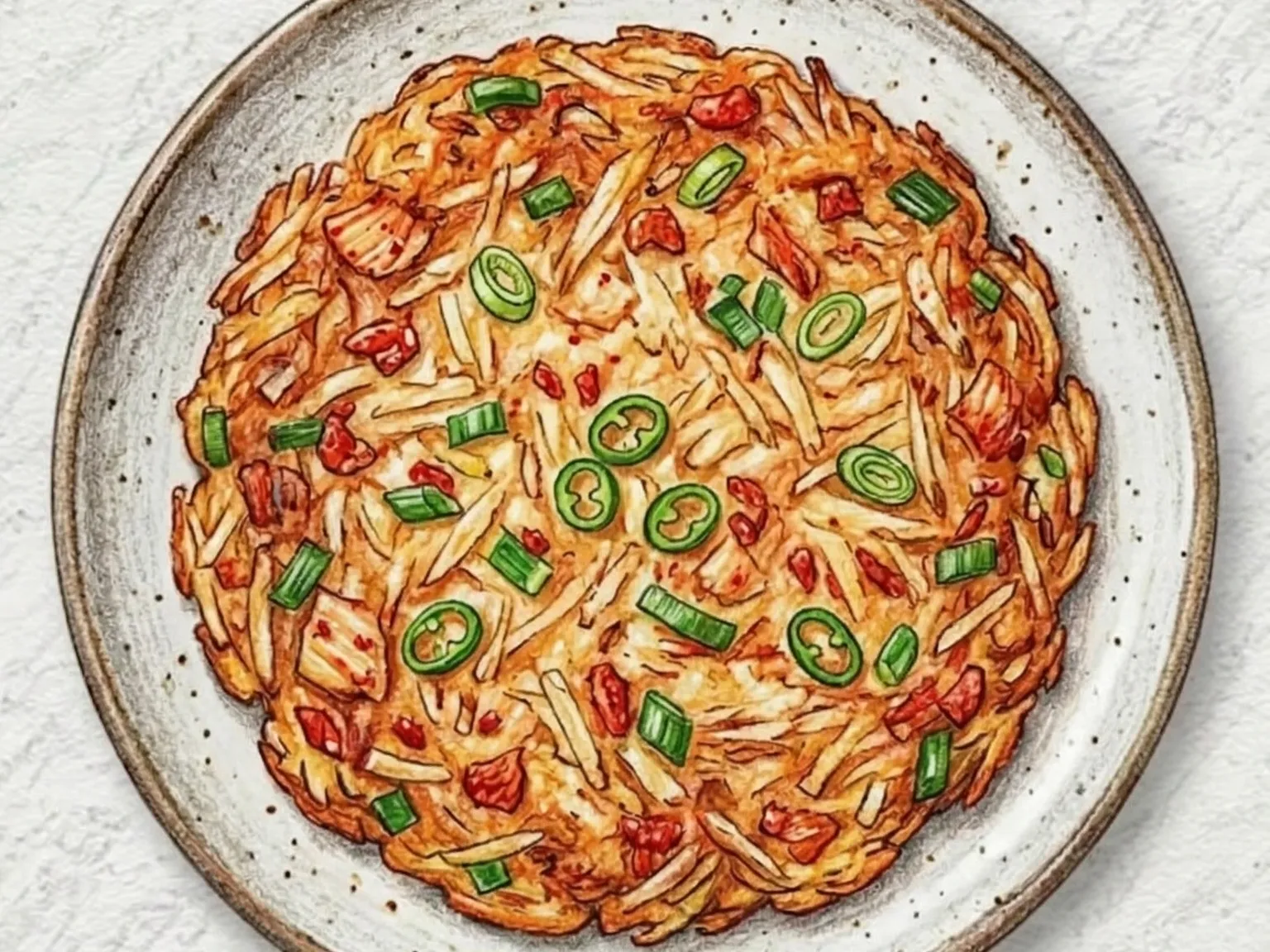
Gamja-jeon is a Korean potato pancake made by finely grating raw potatoes, letting the starch settle out of the liquid for at least ten minutes, discarding the water, and folding the settled starch back into the pulp to improve binding. Waiting long enough for full starch separation is what gives the batter enough cohesion to hold together when the pancake hits the hot pan. Spreading the batter as thinly as possible produces glass-crisp edges while the center retains a chewy, starchy bite characteristic of potato starch. The first side must cook all the way through and the underside must firm up completely before any attempt to flip, and using two spatulas simultaneously makes the turn fast enough to keep the pancake intact. Frying both sides over medium heat until evenly golden delivers a crust that is crisp on the outside while the center stays moist. A dipping sauce of soy sauce, vinegar, and minced cheongyang green chili cuts through the oily richness with sharpness and heat.

🍺 Bar Snacks ⚡ Quick
Prep 15min Cook 12min 2 servings

Tips

Do not soak potatoes too long to keep their starch.
Reducing kimchi moisture helps cups hold shape.

Nutrition (per serving)

Calories
326
kcal
Protein
12
g
Carbs
38
g
Fat
14
g