Charim

2686 Korean & World Recipes

2686+ Korean recipes, clean and organized. Ingredients to instructions, all at a glance.

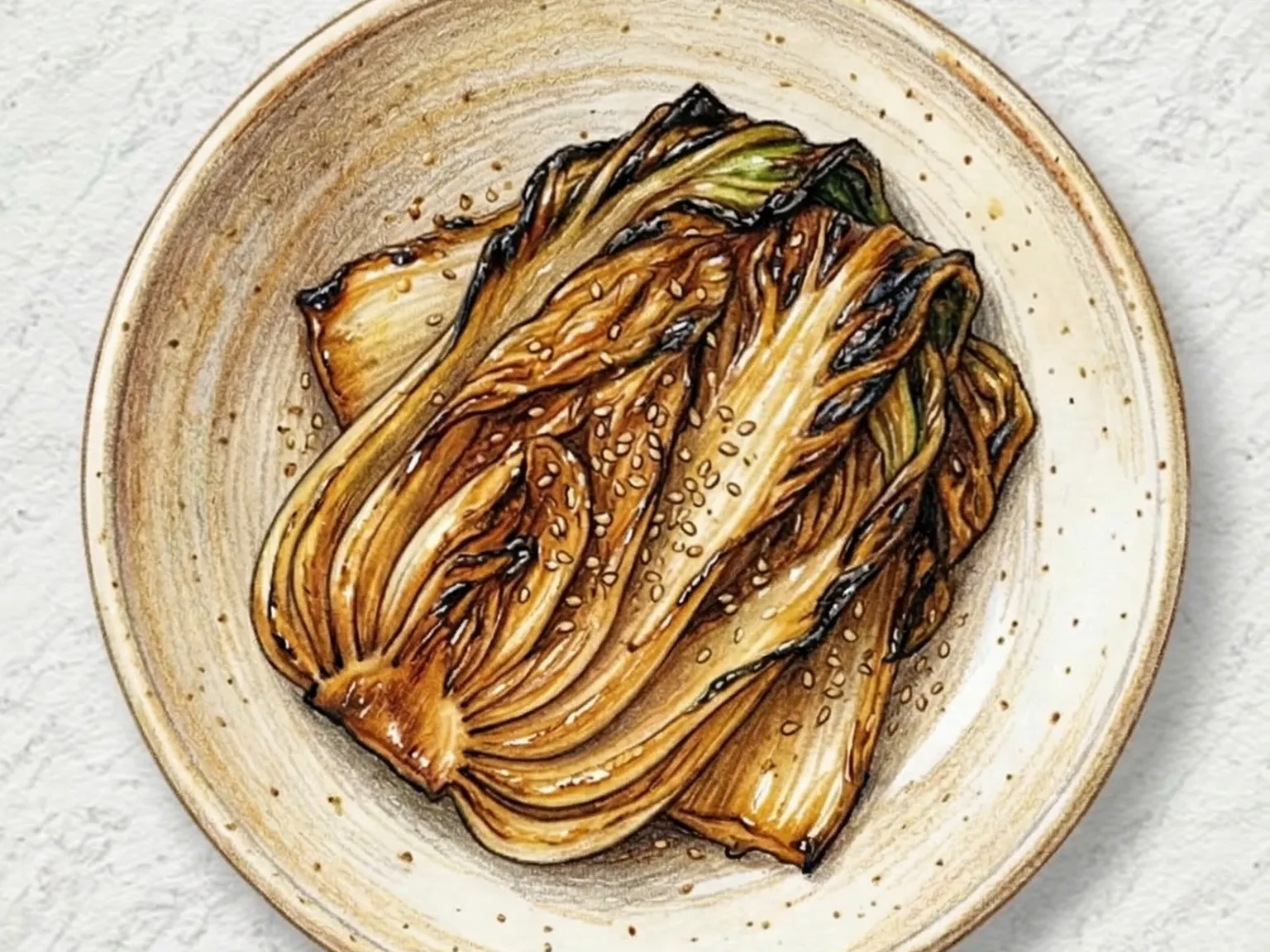
Korean Grilled Aged Kimchi

Korean Grilled Aged Kimchi

Well-aged napa kimchi is shaken free of excess marinade and grilled over medium-high heat until the edges char. The longer the kimchi has fermented, the more its pronounced sourness converts to a caramel-like sweetness when exposed to direct flame. A light dusting of sugar accelerates this reaction. Sesame oil and sesame seeds are the only garnish, making this one of the simplest Korean grilled dishes with just four ingredients.

Prep 5min Cook 10min 2 servings

Adjust Servings

2servings
servings

Instructions

  1. 1

    Lightly shake off excess marinade from aged kimchi.

  2. 2

    Heat a pan or grill and place kimchi on it.

  3. 3

    Grill over medium-high heat until charred at the edges.

  4. 4

    Sprinkle a little sugar for sweetness.

  5. 5

    Finish with sesame oil and sesame seeds.

🛒Shop Ingredients on Amazon

As an Amazon Associate, we may earn from qualifying purchases.

Tips

The more aged the kimchi, the better it tastes when grilled due to its deeper fermented flavor.

Nutrition (per serving)

Calories
60
kcal
Protein
2
g
Carbs
8
g
Fat
3
g

More Recipes

Korean Grilled Corn with Soy Butter
GrilledEasy

Korean Grilled Corn with Soy Butter

Corn-gui is Korean grilled corn on the cob brushed with a glaze of soy sauce, melted butter, sugar, and minced garlic, then turned slowly over medium heat until the kernels develop a caramelized, salty-sweet crust. The corn is pre-cooked by boiling or microwaving before grilling, so the time on the grill is dedicated entirely to building flavor through the Maillard reaction between the glaze and the heat. Grilling over too-high heat burns the sugar before the corn chars evenly, so patience and repeated thin coats of glaze are important. The result layers the corn's natural starch sweetness with the richness of butter and the savoriness of fermented soy sauce.

🍺 Bar Snacks
Prep 5minCook 20min2 servings
Korean Grilled Mixed Mushrooms
GrilledEasy

Korean Grilled Mixed Mushrooms

Mushroom-gui is a Korean grilled mixed mushroom dish combining king oyster, shiitake, and oyster mushrooms, seasoned simply with butter, minced garlic, salt, and black pepper. Each mushroom variety contributes a different texture: king oyster offers a dense, meaty chew from its thick stem, shiitake delivers concentrated umami from its cap, and oyster mushrooms add a delicate, silky shred. The key technique is to resist stirring the mushrooms after placing them in the pan-their high water content must evaporate first before the surfaces can brown and develop flavor. Adding butter partway through rather than at the start prevents it from burning while still infusing the mushrooms with its richness.

🍺 Bar Snacks Quick
Prep 10minCook 10min2 servings
Korean Mixed Grilled Seafood
GrilledEasy

Korean Mixed Grilled Seafood

Haemul-gui modeum is a Korean mixed grilled seafood platter where shrimp, squid, Manila clams, and scallops are lightly dressed in olive oil, salt, and black pepper, then grilled at different intervals to account for each ingredient's cook time. Shrimp and scallops need only two to three minutes, squid takes three to four, and clams stay on the grill just until their shells pop open-staggering the timing ensures everything finishes together at peak texture. Overcooking any element by even a minute turns it rubbery, so close attention is the most important ingredient in this dish. A squeeze of fresh lemon juice over the entire platter at the table brightens the natural sweetness of each shellfish and ties the assortment into a cohesive, clean-tasting spread.

🍺 Bar Snacks
Prep 15minCook 15min2 servings
Korean Assorted Grilled Chicken
GrilledMedium

Korean Assorted Grilled Chicken

Dakgogi-gui-modeum is a Korean assorted chicken grill that presents breast, thigh, and wing pieces on a single plate, each seasoned differently-salt for the breast, gochujang for the thigh, and soy glaze for the wings. Because each cut has a different fat content and muscle structure, cooking times must be adjusted individually: breast dries out fast and needs the shortest time on heat, while wings benefit from longer cooking to render their skin. The salt-seasoned breast highlights clean, mild poultry flavor, the gochujang thigh delivers fermented heat, and the soy-glazed wing offers a sweet-salty contrast. The appeal lies in tasting three distinct preparations side by side, demonstrating how seasoning and cut transform the same bird into entirely different dishes.

🍺 Bar Snacks
Prep 30minCook 30min4 servings
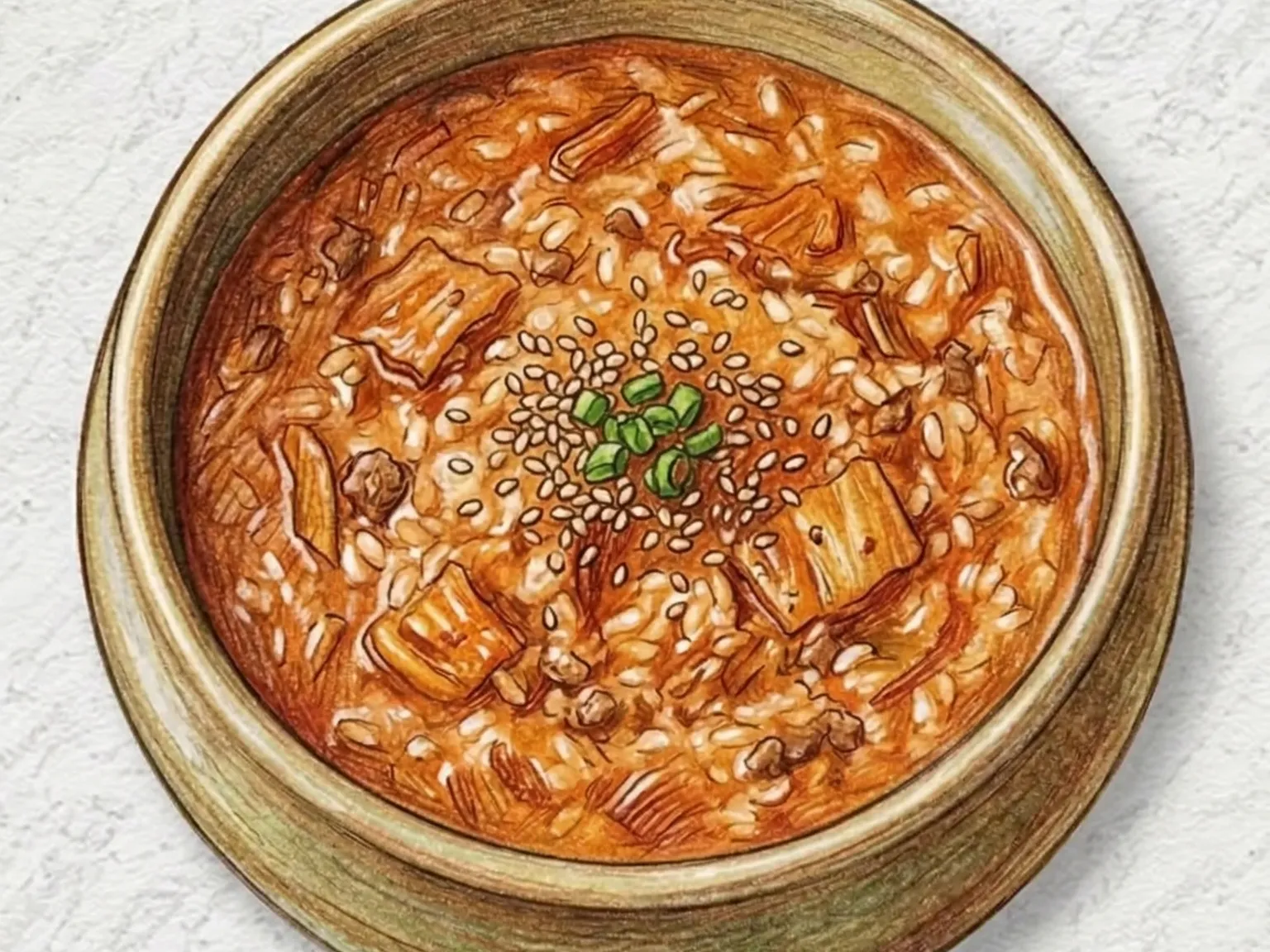
Korean Kimchi Porridge (Fermented Kimchi Pork Rice Porridge)
RiceEasy

Korean Kimchi Porridge (Fermented Kimchi Pork Rice Porridge)

Well-fermented napa kimchi is chopped, stir-fried with ground pork in sesame oil, then slow-simmered with soaked rice and water for thirty minutes. Extended cooking softens the raw heat of the chili while spreading the fermentation tang evenly through the porridge, and the pork builds a savory backbone. Soup soy sauce adjusts the salt, and a scatter of sesame seeds adds a final nutty note. The more sour the kimchi, the more complex the finished juk becomes - a traditional Korean porridge meant to warm and soothe when appetite or digestion needs a gentle reset.

🏠 Everyday
Prep 10minCook 40min2 servings
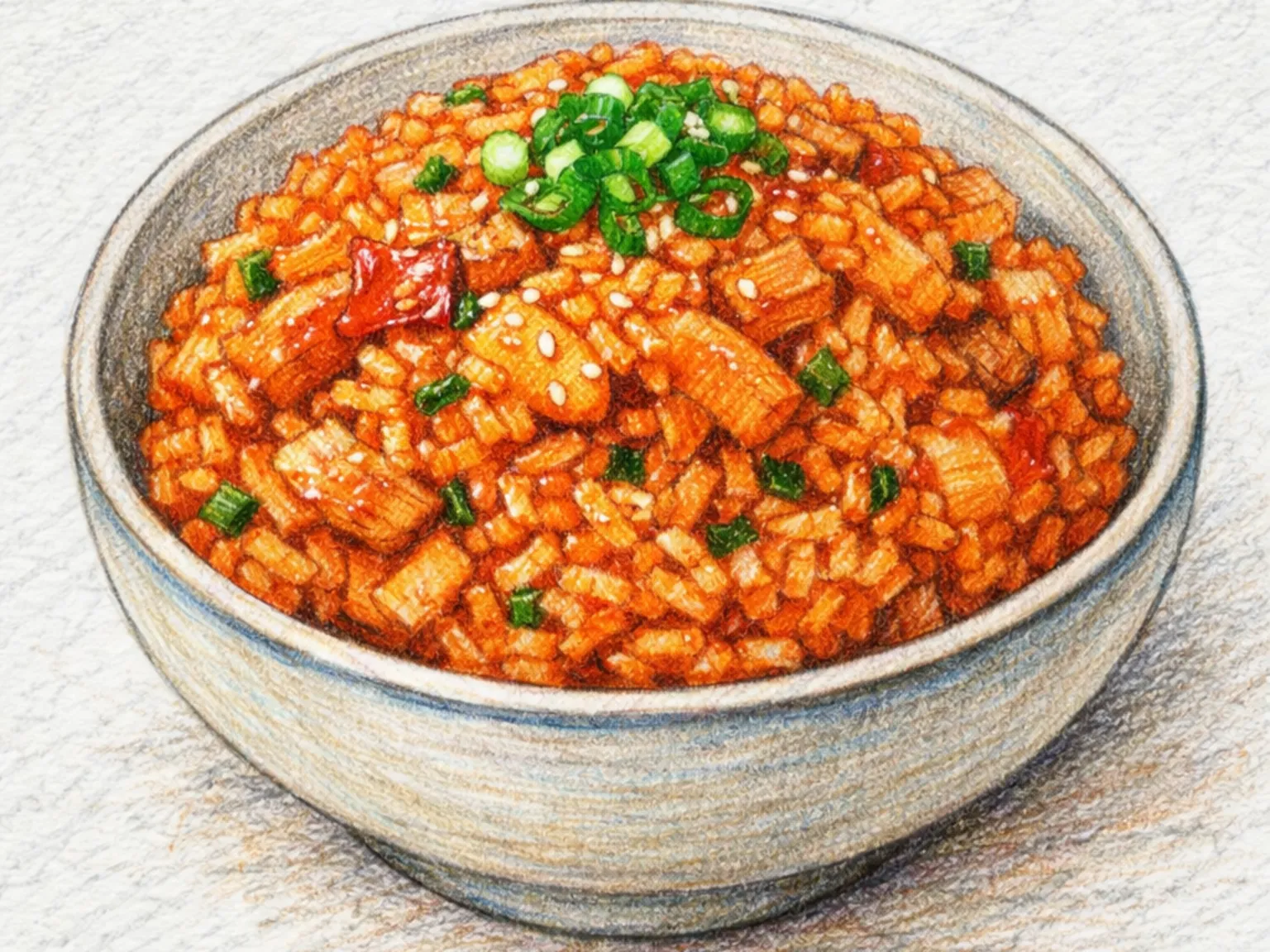
Korean Stir-Fried Kimchi (Caramelized Aged Kimchi Banchan)
Side dishesEasy

Korean Stir-Fried Kimchi (Caramelized Aged Kimchi Banchan)

Kimchi-bokkeum is the default way Korean households use up kimchi that has fermented past its fresh prime. Stir-frying tempers the sharp lactic acidity that over-ripe kimchi develops - the heat transforms the sourness into something mellower, sweeter, and more rounded. Onion goes in first and cooks until translucent, laying a sweet foundation before the kimchi and garlic join. Medium heat is essential: it drives off moisture gradually, yielding a thick, concentrated sauce rather than a watery stew. A small addition of gochugaru brightens the color, and a pinch of sugar balances the fermented tang. One tablespoon of kimchi brine amplifies the umami from the lactobacillus culture itself. The finished banchan is versatile enough to eat straight over rice, fold into fried rice, or pile on top of ramyeon.

🏠 Everyday🍱 Lunchbox
Prep 8minCook 10min4 servings
More Grilled →