Charim

2686 Korean & World Recipes

2686+ Korean recipes, clean and organized. Ingredients to instructions, all at a glance.

Kimchi Bean Sprout Miso Ramen

Kimchi Bean Sprout Miso Ramen

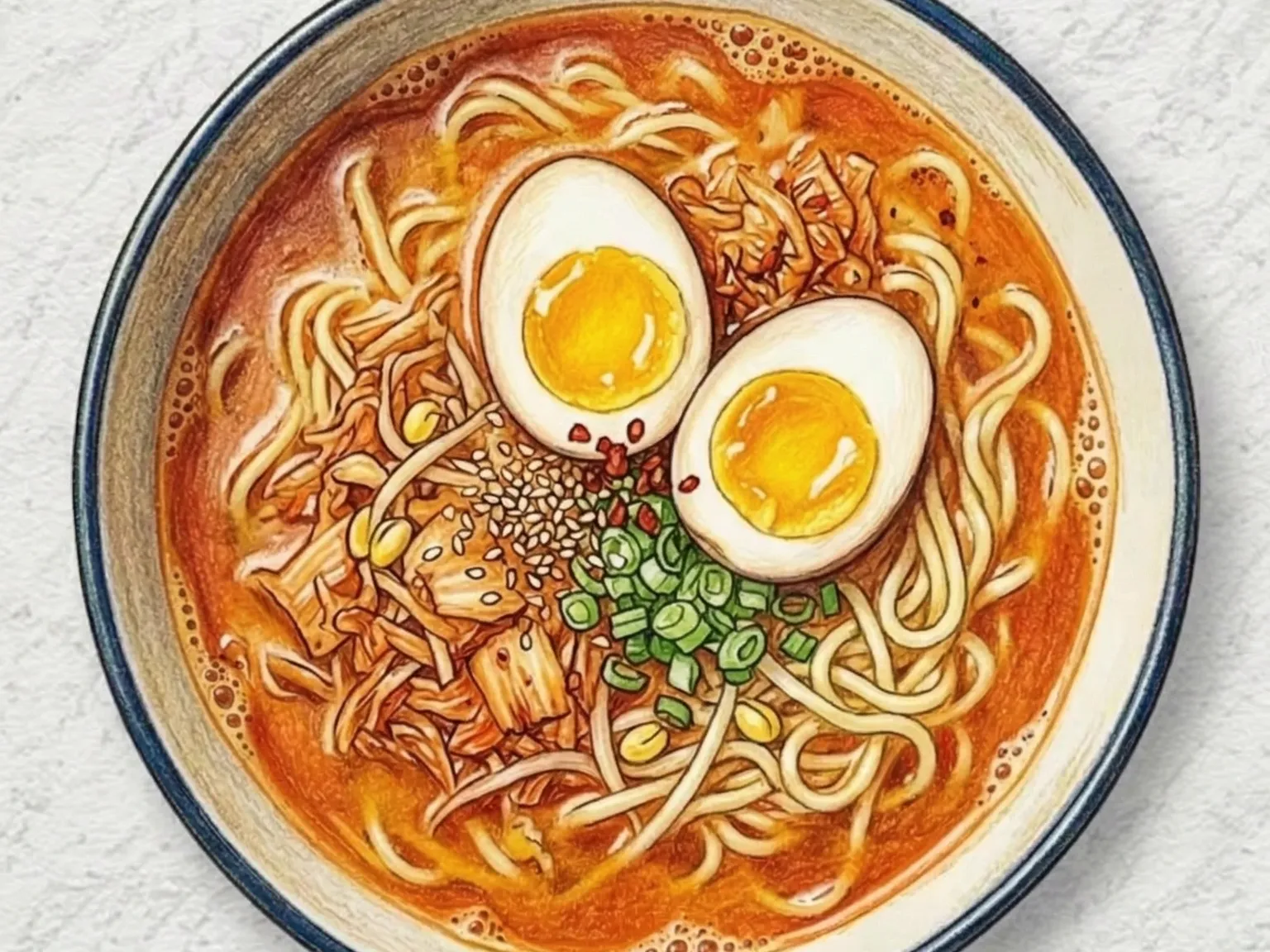
Kimchi kongnamul miso ramen layers three distinct flavors in one bowl: the deep tang of sauteed aged kimchi, the earthy umami of miso paste, and the clean crunch of bean sprouts. Garlic and kimchi are first stir-fried in sesame oil to mellow the kimchi's raw sourness, then chicken stock is added and brought to a boil. Bean sprouts go in and cook for just three minutes to keep their snap. Miso is dissolved separately and stirred in on low heat - boiling it aggressively would strip away its complex fermented aroma. Fresh ramen noodles are cooked in a separate pot, drained, and placed in the bowl before the broth is poured over. A halved soft-boiled egg on top rounds out the bowl with its creamy yolk.

Prep 10min Cook 18min 2 servings

Adjust Servings

2servings
servings

Instructions

  1. 1

    Sauté garlic and kimchi in sesame oil for 2 minutes to mellow acidity.

  2. 2

    Add chicken stock, bring to a boil, then cook bean sprouts for 3 minutes.

  3. 3

    Dissolve miso with soy sauce, add to pot, and simmer 2 more minutes.

  4. 4

    Cook ramen noodles in a separate pot, then drain well.

  5. 5

    Place noodles in bowls, ladle hot broth over, and top with halved eggs.

🛒Shop Ingredients on Amazon

As an Amazon Associate, we may earn from qualifying purchases.

Tips

Do not boil miso aggressively or its aroma will fade.
Keep bean sprouts slightly crisp by avoiding overcooking.

Nutrition (per serving)

Calories
520
kcal
Protein
24
g
Carbs
68
g
Fat
16
g

More Recipes

Dipping Ramen (Japanese Thick Noodles with Concentrated Dipping Broth)
NoodlesHard

Dipping Ramen (Japanese Thick Noodles with Concentrated Dipping Broth)

Tsukemen is a Japanese dipping ramen where thick noodles and a concentrated broth are served separately. The broth - typically tonkotsu or seafood-soy based - is reduced to roughly double the intensity of standard ramen soup. Noodles are rinsed in cold water after boiling, which firms their texture and creates a temperature contrast when dipped into the hot broth. Toppings such as chashu pork, soft-boiled egg, and nori are arranged alongside the noodles. The recipe takes about 50 minutes, with most time spent building and reducing the dipping broth.

🎉 Special Occasion
Prep 20minCook 30min1 servings
Abura Soba (Soupless Noodles in Rich Soy Sesame Oil Sauce)
NoodlesMedium

Abura Soba (Soupless Noodles in Rich Soy Sesame Oil Sauce)

Abura soba emerged in Tokyo's student districts during the 1950s as a cheaper, faster alternative to ramen - no slow-simmered broth needed. The name translates to 'oil noodle,' and the dish lives or dies on its sauce: soy sauce, sesame oil, oyster sauce, and a splash of vinegar pooled at the bottom of the bowl. Chewy ramen noodles land on top, and the eater mixes everything from below, coating each strand in the concentrated glaze. Toppings - chashu pork, a runny soft-boiled egg, nori, bonito flakes, and sliced scallion - add layers of salt, fat, and umami. The lack of broth means every flavor hits at full intensity, making this a late-night favorite across Japan's izakaya scene.

🌙 Late Night Quick
Prep 10minCook 10min1 servings
Shoyu Butter Corn Ramen
NoodlesMedium

Shoyu Butter Corn Ramen

Shoyu butter corn ramen is a Japanese noodle soup built on chicken broth seasoned with soy sauce and mirin. The broth simmers for ten minutes to marry the salty-sweet flavors before being ladled over separately boiled ramen noodles. A pat of butter placed on top melts slowly into the hot liquid, spreading richness across the bowl. Sweet corn kernels, crisp bean sprouts, nori, and sliced scallion complete the toppings.

🌙 Late Night
Prep 10minCook 20min2 servings
Mentaiko Yuzu Cream Udon
NoodlesMedium

Mentaiko Yuzu Cream Udon

Myeongran yuja cream udon is a Japanese-style cream udon that layers salted pollock roe with yuzu marmalade in a sauce built from heavy cream, milk, and butter. Garlic is sauteed in butter first, then cream and milk simmer on low heat for two to three minutes to thicken before yuzu marmalade and black pepper are stirred in. Two-thirds of the roe goes in off heat so residual warmth cooks it gently without making it tough, while the remaining third is placed raw on top for bursts of briny texture. The yuzu is added gradually to control acidity, and its citrus fragrance lifts the heavy cream base, keeping the dish from feeling overly rich. Shredded nori on top provides a roasted, oceanic contrast.

🎉 Special Occasion🌙 Late Night
Prep 12minCook 15min2 servings
Sapporo Miso Ramen (Hokkaido-Style Rich Miso Broth Ramen with Pork)
AsianMedium

Sapporo Miso Ramen (Hokkaido-Style Rich Miso Broth Ramen with Pork)

Sapporo miso ramen was born in Hokkaido's capital as a way to warm up against brutal northern winters, and everything about the bowl reflects that purpose. The broth starts with chicken stock fortified with a generous amount of miso paste, giving it a thick, opaque body and a deep fermented savoriness. Ground pork, cabbage, and bean sprouts are stir-fried in a wok before being added to the broth, which picks up smoky wok flavor in the process. Sweet corn kernels and a pat of butter melt into the surface, adding richness that feels earned rather than excessive. The noodles are thick and curly, engineered to trap the heavy broth in every coil. Garlic and chili oil variations are common in Sapporo's ramen shops.

🎉 Special Occasion
Prep 15minCook 30min2 servings
Kimchi Octopus Balls (Korean-Style Takoyaki with Fermented Kimchi)
Street foodMedium

Kimchi Octopus Balls (Korean-Style Takoyaki with Fermented Kimchi)

Kimchi takoyaki uses a thin batter of takoyaki flour, water, and egg poured into a takoyaki pan, with each well filled with boiled octopus, drained kimchi, and scallion, then rotated with a skewer into spheres. The outside crisps while the inside stays creamy, and the octopus's chewy resistance pairs with the kimchi's spicy tang within the mild batter. Excess kimchi liquid must be squeezed out to keep the batter from thinning, and leaving the balls untouched for the first minute allows them to set into clean rounds. They are finished with takoyaki sauce, mayonnaise, and bonito flakes.

🧒 Kid-Friendly
Prep 18minCook 15min2 servings
More Noodles →