Korean Warm Noodles with Kimchi Dumplings
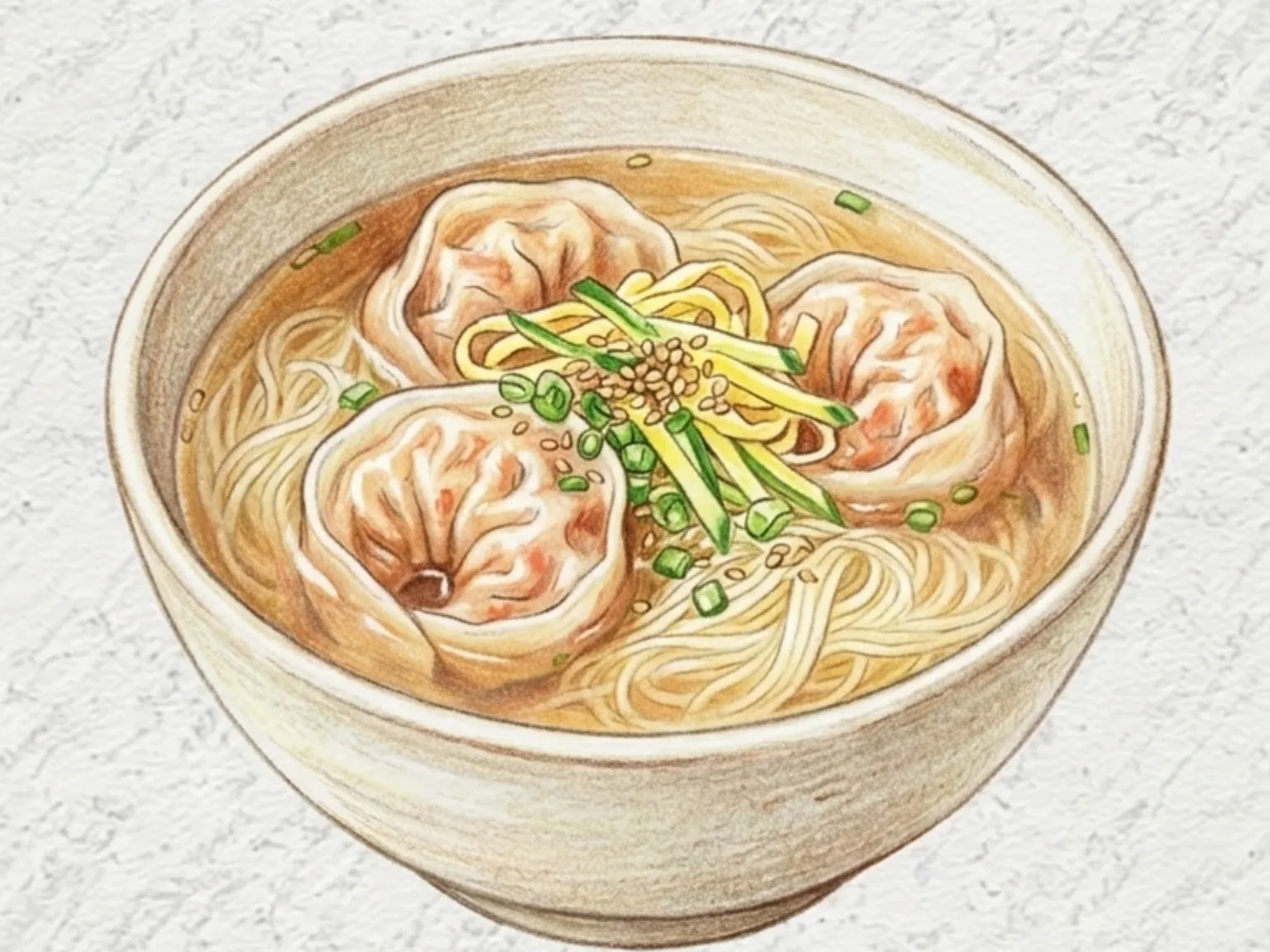
Kimchi mandu onmyeon is a Korean warm noodle soup that pairs thin wheat noodles with kimchi-filled dumplings in a light anchovy-kelp broth. The dumplings are simmered directly in the broth for six to seven minutes, during which their kimchi-and-pork filling releases flavor into the surrounding liquid. Somyeon noodles are boiled in a separate pot and rinsed in cold water to keep the main broth clear and the noodles smooth. Julienned zucchini and a thin stream of beaten egg go into the simmering broth near the end, adding color and gentle texture. Seasoning is kept simple - soup soy sauce and minced garlic - so the dumpling filling does most of the heavy lifting on flavor. Since commercial kimchi dumplings vary in saltiness, the soy sauce is best added gradually at the end.
Adjust Servings
Instructions
- 1
Bring stock to a boil and season lightly with soup soy sauce and minced garlic.
- 2
Julienne zucchini and chop green onion.
- 3
Add kimchi dumplings to the broth and cook 6-7 minutes until fully done.
- 4
Boil noodles separately, rinse in cold water, and drain.
- 5
Add zucchini to the boiling broth, then stream in beaten egg after 1 minute.
- 6
Place noodles in bowls, add dumplings and broth, then garnish with green onion.
As an Amazon Associate, we may earn from qualifying purchases.
Tips
Nutrition (per serving)
More Recipes

Onmyeon (Korean Warm Somyeon in Beef Brisket Broth)
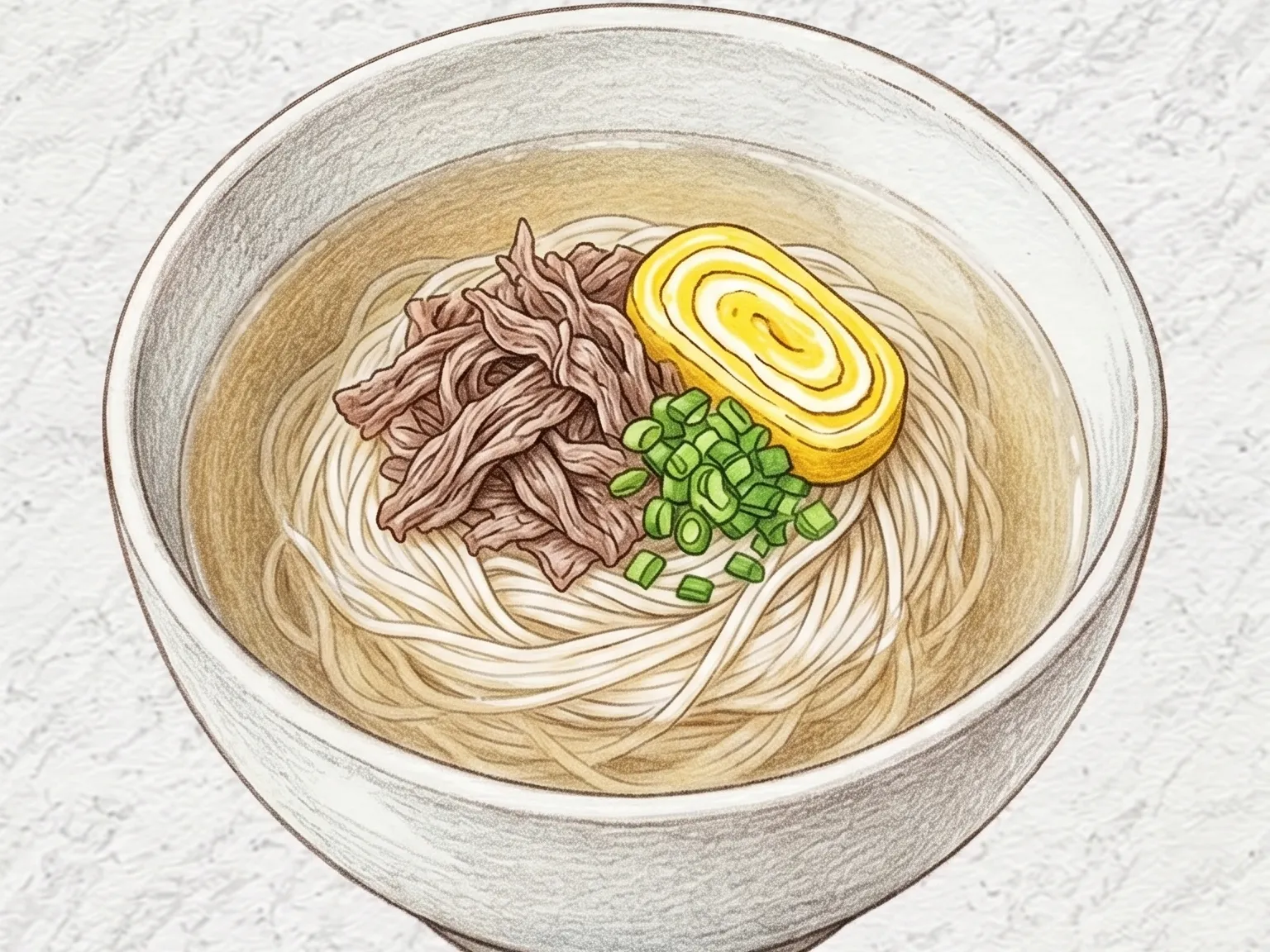
Onmyeon is a Korean warm noodle soup built on a clear beef brisket broth served over thin somyeon noodles. The brisket simmers in water for about twenty-five minutes to produce a light yet flavorful stock, which is then strained to remove fat and sediment for clarity. Soup soy sauce seasons the broth gradually so its color stays pale, preserving the clean appearance that defines this dish. The noodles are cooked separately and rinsed in cold water to wash away surface starch before being placed in bowls, which keeps the broth from turning cloudy. Shredded brisket, thin egg garnish, and sliced scallion are arranged on top, and hot broth poured over them releases gentle waves of beef aroma and egg richness.

Korean Clam Seaweed Onmyeon (Warm Noodle Soup)
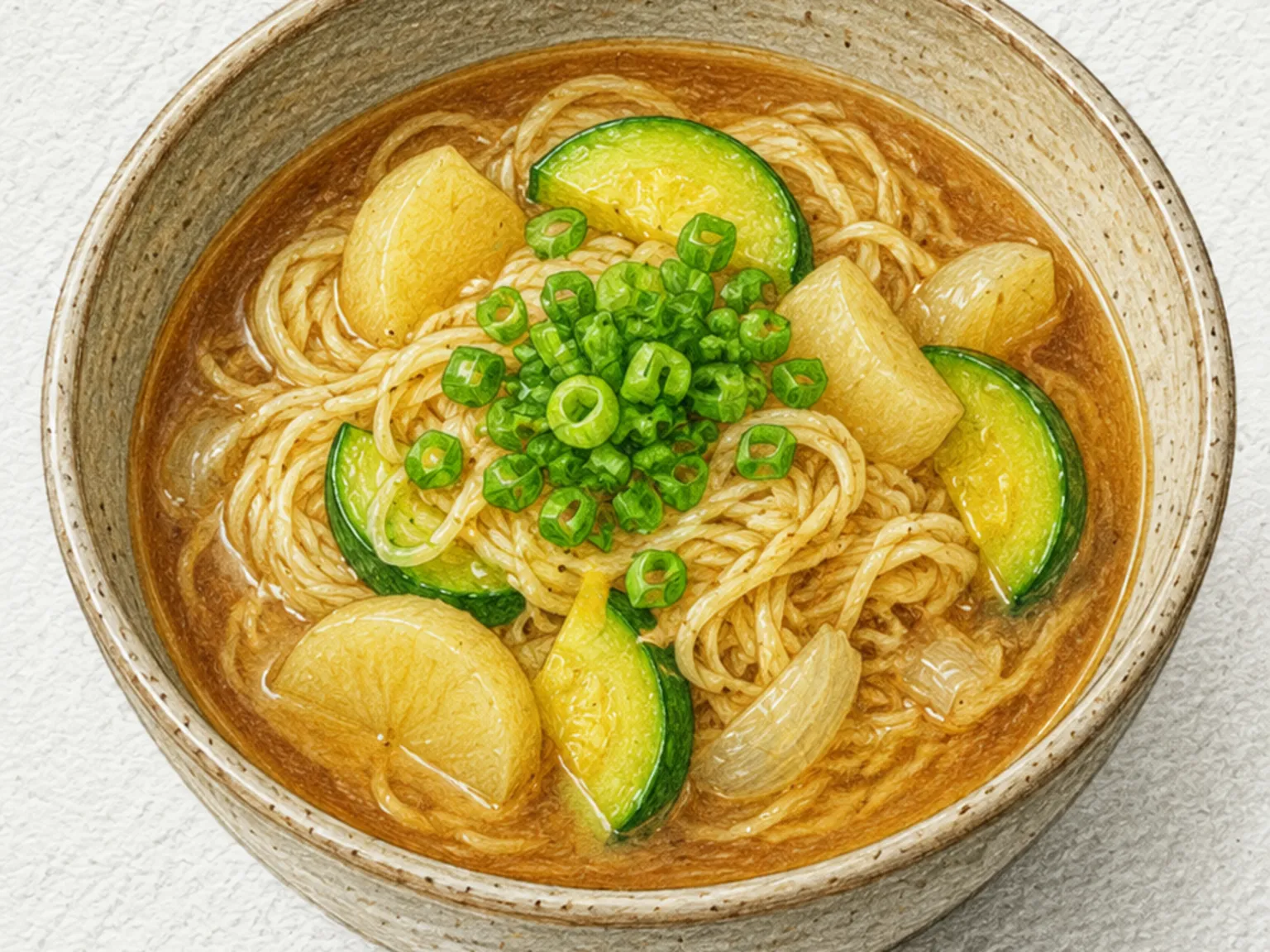
A soothing bowl of thin noodles in clear clam broth with soft seaweed - Korea's go-to comfort soup for cold mornings and recovery days. The clams release a clean, briny stock that forms the backbone of the dish, and simmering radish alongside softens the saltiness into something refreshing. The seaweed unfurls in the hot broth, contributing its own quiet marine umami. Seasoning stays minimal - soup soy sauce and salt only - so nothing masks the natural flavor of the shellfish. This is a light, restorative bowl often eaten for morning recovery or when a gentle, clear-tasting meal is preferred.

Korean Warm Perilla Mushroom Rice Noodles
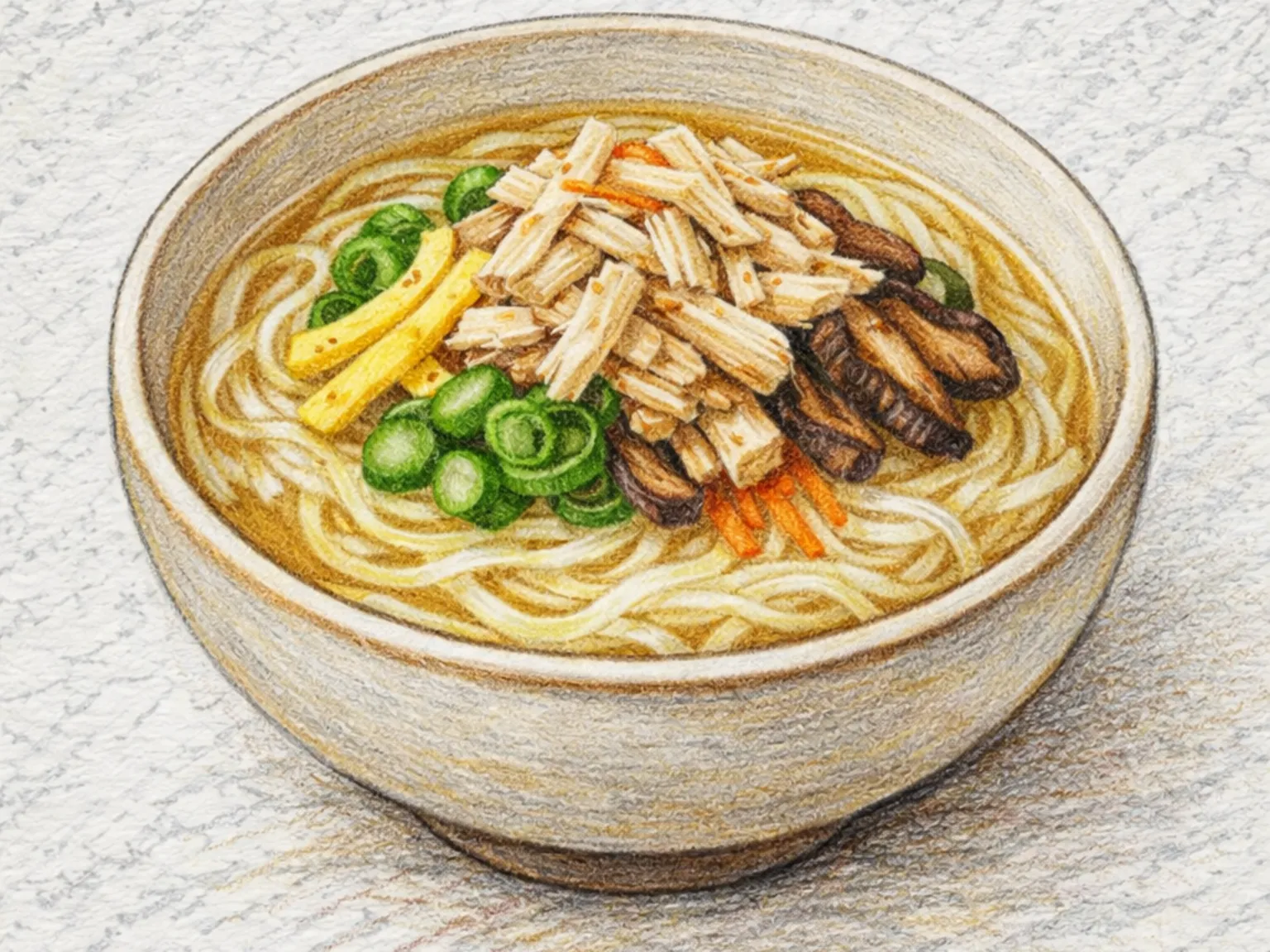
Deulkkae beoseot on ssalguksu is a warm Korean noodle soup built on kelp stock simmered with oyster and shiitake mushrooms, then thickened with ground perilla seeds into a creamy, opaque broth. Rice noodles are smoother and more slippery than wheat varieties, sliding through the rich liquid with ease, while the mushrooms provide a chewy counterpoint. Adding the perilla powder at the very end preserves its roasted, nutty fragrance on the surface of each spoonful. Soup soy sauce seasons the broth cleanly without the weight of soybean paste. This is a warming bowl suited for cold weather, filling enough to serve as a standalone meal.

Korean Warm Brisket Parsley Noodles
Thin wheat somyeon noodles rest in a warm, lightly seasoned broth made with gukganjang, topped with blanched beef brisket slices and sprigs of fresh minari. When the brisket hits the hot broth, its fat melts and perfumes the liquid with a subtle beefy richness, while the minari's herbal, slightly peppery aroma counters any heaviness, leaving the aftertaste clean. The noodles are fine enough to slurp effortlessly, carrying broth with each mouthful. Because the seasoning relies on gukganjang alone, every ingredient's natural flavor comes through clearly rather than hiding behind heavy sauces. Adding crown daisy or fried tofu pouches can vary the texture and taste. On a cool evening, this understated noodle soup fills the stomach without weighing it down.

Korean Mushroom Dumpling Hot Pot
Mandu jeongol is a generous hot pot of twelve large dumplings simmered with napa cabbage, shiitake and oyster mushrooms, and bok choy in anchovy-kelp stock. The mushrooms contribute deep umami to the clear broth, while the cabbage and bok choy release gentle sweetness as they wilt. The dumplings cook directly in the stock, their wrappers turning pleasantly chewy as the filling flavors seep into the surrounding liquid. Seasoned with soup soy sauce and garlic, this is a mild, welcoming dish suited to all palates.

Korean Kimchi Mandu Jjigae (Kimchi Dumpling Stew)
Kimchi mandu jjigae drops eight frozen kimchi dumplings straight into a simmering pot of aged kimchi, tofu, and anchovy stock. The dumpling wrappers absorb the broth and turn plump, while the kimchi filling inside echoes the stew's tangy base, doubling the fermented depth. Korean chili flakes and soup soy sauce season the liquid with a straightforward heat. It is a filling, no-fuss meal that needs nothing beyond a bowl of rice.