Korean Kimchi Chilled Noodle Soup

Korean Kimchi Chilled Noodle Soup

Quick answer

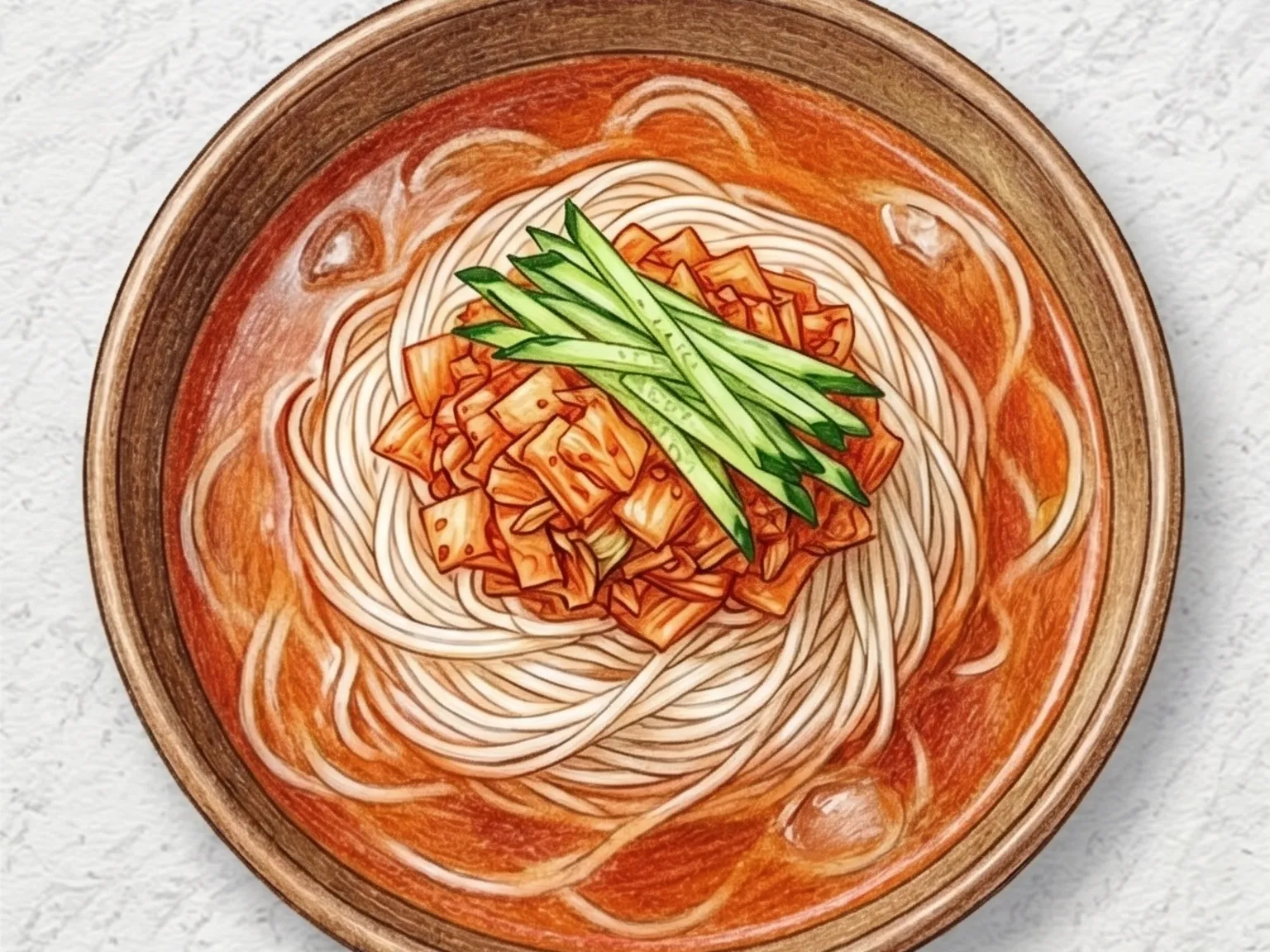
Kimchi mari guksu is a cold Korean noodle soup made for hot weather, built on a broth of aged kimchi juice blended with cold water, sugar, and a small amount of vinegar.

What makes this special

  • Aged kimchi brine serves as the tangy foundation for this chilled summer noodle soup.
  • Ripe kimchi brine serves as the chilled broth base for the noodles
  • Broth pre-chilled in the fridge instead of ice so it stays undiluted
Total time
23 min
Level
Easy
Servings
2 servings
Ingredients
8
Calories
390 kcal
Protein
11 g

Key ingredients

Somyeon noodlesWell-fermented kimchiKimchi juiceWaterSugar

Core cooking flow

  1. 1 Chop 120 g well-fermented kimchi into bite-size pieces and julienne 1/2 cucumber very thinly.
  2. 2 Combine 200 ml kimchi juice with 300 ml cold water, then stir in 1 tsp sugar...
  3. 3 Cover the broth and chill it thoroughly in the refrigerator until it feels very cold.

Kimchi mari guksu is a cold Korean noodle soup made for hot weather, built on a broth of aged kimchi juice blended with cold water, sugar, and a small amount of vinegar. The broth needs time in the refrigerator to reach a thorough chill before serving - adding ice cubes at the table would dilute the distinctive tangy flavor of the kimchi liquid. Thin somyeon wheat noodles are boiled, then rubbed and rinsed under cold running water to strip off surface starch and stop the cooking. They go into the bowl first, followed by chopped kimchi and julienned cucumber, and the cold broth is poured over everything at the last moment. Because fermentation levels vary between batches of kimchi, the vinegar should be adjusted by small increments until the sour-sweet balance feels right. More aged kimchi produces a richer, more complex broth.

Prep 15min Cook 8min 2 servings
Recipes by ingredient → vinegar cucumber

Instructions

Read the steps as a cooking flow: prep, heat, seasoning, doneness control, and finish.

6 steps
  1. 1
    Prep

    Chop 120 g well-fermented kimchi into bite-size pieces and julienne 1/2 cucumber very thinly.

    Keep the toppings separate and lightly drained so they stay crisp and do not cloud the broth.

  2. 2
    Season

    Combine 200 ml kimchi juice with 300 ml cold water, then stir in 1 tsp sugar and 1 tsp vinegar until fully dissolved.

    Taste the broth and adjust only if the kimchi needs more brightness.

  3. 3
    Control

    Cover the broth and chill it thoroughly in the refrigerator until it feels very cold.

    Do not add ice cubes later, because they dilute the kimchi flavor and weaken the sour-sweet balance.

  4. 4
    Control

    Add 180 g somyeon noodles to boiling water and cook over medium heat, stirring so the strands do not stick.

    When the noodles soften and the centers look no longer chalky, remove them promptly.

  5. 5
    Heat

    Rinse the cooked noodles immediately under cold running water, rubbing them between your hands several times to remove surface starch. Drain them well in a sieve so the chilled broth does not become watery.

  6. 6
    Finish

    Place the drained noodles in bowls, top with chopped kimchi and cucumber, then pour in the thoroughly chilled broth just before serving. Sprinkle 1 tsp sesame seeds over the top and serve immediately.

After the steps

Pick a recipe that fits this dish.

Continue with shared ingredients, meal pairings, or a similar method.

Recipes That Go Well With This

More Noodles →

Based on shared ingredients and meal pairing

Korean Yeolmu Bibim Guksu
Shared ingredient: somyeon noodles Noodles

Korean Yeolmu Bibim Guksu

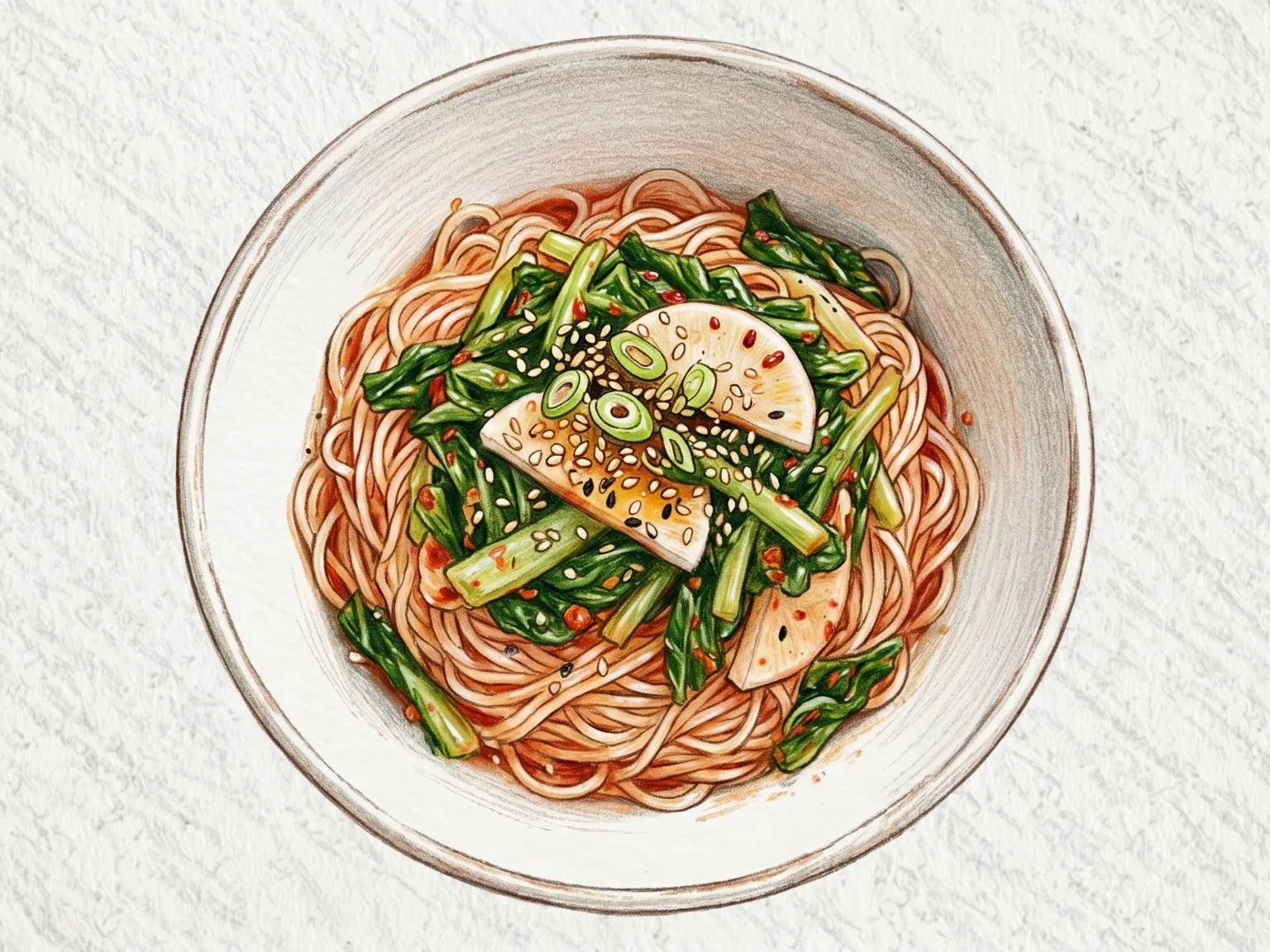
Yeolmu bibim guksu is a Korean mixed noodle dish built around young radish kimchi (yeolmu kimchi). The kimchi provides a crunchy texture and a fermented tanginess that anchors the bowl. Thin somyeon noodles are rinsed in cold water, then tossed with gochugaru or gochujang dressing, sesame oil, and sesame seeds. The heat level stays moderate, letting the kimchi's sourness come through. Total preparation is about 23 minutes, and the recipe requires no cooking beyond boiling the noodles. The main ingredients are Somyeon noodles, Yeolmu kimchi, Gochujang, and Vinegar, and the recipe depends on careful handling of noodle cooking time and sauce thickness.

Korean Young Radish Cold Noodles
Shared ingredient: somyeon noodles Noodles

Korean Young Radish Cold Noodles

Yeolmu mul guksu is a Korean cold noodle soup where the broth comes directly from yeolmu kimchi liquid mixed with cold water or light stock. The fermented, tangy kimchi brine serves as the soup base, eliminating the need for separate seasoning. Chilled somyeon noodles sit in the broth, topped with crunchy yeolmu kimchi pieces and often a few ice cubes. A halved boiled egg and sesame seeds are standard garnishes. The dish takes about 25 minutes to prepare and is straightforward as long as yeolmu kimchi is available.

Korean Seasoned Spinach (Garlic Sesame Oil Blanched Namul)
Serve together Side dishes

Korean Seasoned Spinach (Garlic Sesame Oil Blanched Namul)

Sigeumchi-namul blanches 300 grams of spinach in salted boiling water for exactly 30 seconds - any longer and the leaves turn mushy. An immediate rinse in cold water stops the cooking and locks in the bright green color. After squeezing out as much water as possible, the spinach is cut into 5-centimeter lengths and dressed by hand with minced garlic, soy sauce, sesame oil, and a pinch of salt. Mixing by hand rather than with utensils ensures the seasoning reaches every fold and crevice of the wilted leaves. Sesame seeds finish the dish with a light crunch, and the result is a clean, nutty-flavored namul that appears on nearly every Korean home-cooked table.

Chogye Guksu (Korean Cold Chicken Noodles)
Similar recipe Noodles

Chogye Guksu (Korean Cold Chicken Noodles)

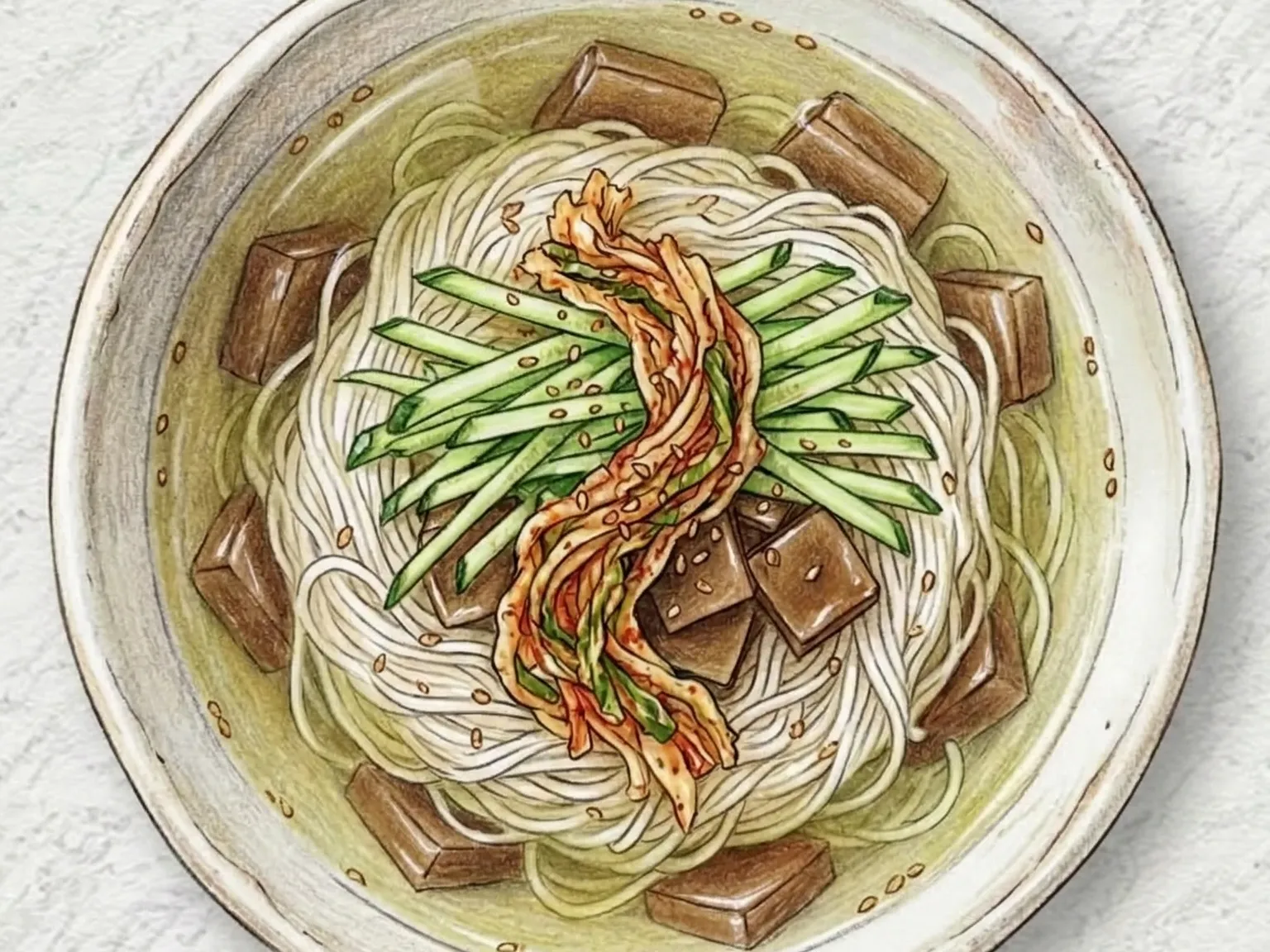
Shredded poached chicken and julienned cucumber top thin wheat noodles served in an icy mustard-vinegar chicken broth. The broth starts as a clear, clean chicken stock, then gains its defining sharpness from dissolved mustard powder and rice vinegar, delivering a nasal tingle and bright acidity that revive the appetite on sweltering days. The chicken, torn along the grain into thin strips, adds lean protein without weight, while sliced Korean pear contributes a crisp, mildly sweet counterpoint that keeps the bowl from feeling heavy. Mustard heat flares briefly on the palate and fades quickly, leaving behind the savory clarity of well-made stock. Keeping the broth thoroughly chilled through service is essential: it prevents the noodles from softening and preserves the contrast that defines this dish. Floating a few ice cubes in the bowl ensures the temperature holds from the first chopstickful to the last.

Serve with this

Korean Dried Radish Greens Pancake
Pancakes Easy

Korean Dried Radish Greens Pancake

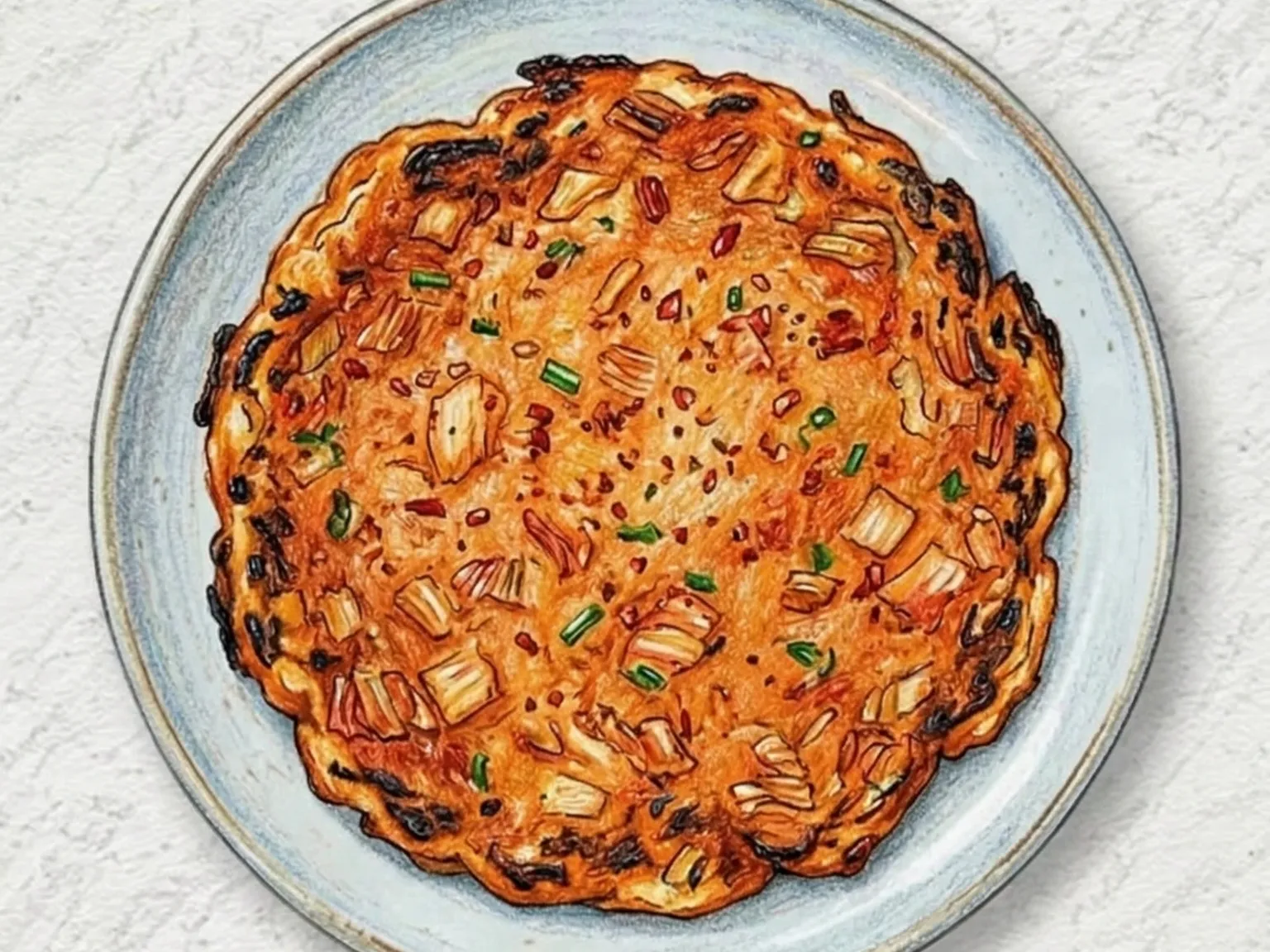
Boiled dried radish greens are combined with doenjang and pan-fried into a dense, rustic jeon with deep fermented character. The fibrous texture of the radish greens gives the pancake a satisfying chew, and the soybean paste saturates the batter so thoroughly that no dipping sauce is necessary. Buckwheat flour adds an earthy coarseness that suits the greens well. Cheongyang chili provides a spicy accent throughout. Minced garlic benefits from a brief saute in oil before being mixed into the batter-the raw edge cooks off and the garlic's savory depth integrates fully into the finished pancake. Cooking over low heat lets the inside set without burning the outside, producing a crisp surface and a tender, flavorful center.

🍺 Bar Snacks ⚡ Quick
Prep 18min Cook 10min 2 servings
Chicken Mu (Korean Fried Chicken Radish Pickle)
Kimchi Easy

Chicken Mu (Korean Fried Chicken Radish Pickle)

The crunchy, sweet-sour radish pickle served with every order of Korean fried chicken - now easy to make at home in under 15 minutes. Cubed radish is submerged in a cooled brine of vinegar, sugar, salt, and whole black peppercorns. Using fully cooled brine rather than hot is critical for maintaining the radish's firm, snapping crunch. Ready to eat after one day of refrigeration, its bright acidity cleanses the palate between bites of crispy chicken. Stored in a glass jar, this pickle keeps for over a week.

⚡ Quick 🏠 Everyday
Prep 10min Cook 5min 4 servings
Water Parsley Shrimp Salad
Salads Easy

Water Parsley Shrimp Salad

This Korean salad combines pan-seared shrimp with water parsley (minari) in a doenjang yogurt dressing that brings Korean fermented soybean paste together with plain yogurt in a lighter, creamier form than the paste alone. The shrimp are cooked just until opaque and springy - overcooking at this stage toughens them and diminishes their clean sweetness, which is the primary flavor note in the dish. Thinly sliced cucumber adds cool moisture and a fresh crunch throughout, and red onion soaked in cold water for at least ten minutes loses its raw harshness while keeping a pleasant mild sharpness. The dressing ratio technique matters: coating all the ingredients with two-thirds of the dressing first establishes a baseline seasoning, then tasting and adjusting with the remaining third ensures every component is evenly flavored without oversalting. Doenjang varies in salt intensity by brand and age, so tasting the dressing before assembling and balancing with extra yogurt or lemon juice prevents the final dish from being too salty. Sesame seeds scattered on top contribute a nutty finish that ties the Korean pantry elements together.

🥗 Light & Healthy ⚡ Quick
Prep 18min Cook 7min 2 servings

Similar recipes

Korean Dongchimi Cold Naengmyeon
Noodles Medium

Korean Dongchimi Cold Naengmyeon

Dongchimi naengmyeon is a cold noodle dish built around the fermented brine of dongchimi, a water-based winter kimchi made with whole radish. The brine is blended with chilled beef or chicken stock, creating a broth that looks deceptively simple but carries a layered complexity from months of fermentation. The lactic acidity of the dongchimi water is not sharp or aggressive - it is long and clean, acquired through slow fermentation rather than vinegar shortcut. At very cold temperatures, just at the point of forming a thin skin of ice on the surface, the radish-derived fragrance in the broth becomes most vivid and refreshing. Thin slices of boiled beef add a lean, meaty backbone that anchors the acidity without competing with it. Julienned Korean pear brings gentle sweetness and crunch, and half a boiled egg rounds out the bowl with richness. Cutting the noodles several times with scissors before placing them in the bowl keeps them from clumping in the cold and allows the broth to reach every strand from the first bite.

🏠 Everyday 🌙 Late Night
Prep 20min Cook 10min 2 servings
Kongguksu-Style Cold Linguine
Pasta Easy

Kongguksu-Style Cold Linguine

Kongguksu-style cold linguine reinterprets Korea's chilled soy noodle soup using Italian linguine in place of traditional wheat noodles. Unsweetened soy milk is blended with toasted sesame seeds and peanut butter into a thick, nutty cold broth poured directly over the pasta at serving. The linguine is cooked al dente and immediately shocked in ice water to firm up the texture and chill it completely before the broth goes on. Julienned cucumber and halved cherry tomatoes scatter on top for fresh crunch and color. Salt and sugar are adjusted at the end to balance the broth's natural bean flavor against the richness from the peanut butter. The full preparation takes about ten minutes, with stovetop time limited strictly to boiling the pasta, which makes it one of the more practical cold dishes to assemble in summer heat. Adding more peanut butter thickens the broth further, while extra sesame seeds push the nuttiness higher.

🥗 Light & Healthy ⚡ Quick
Prep 20min Cook 10min 2 servings
Korean Chilled Seaweed Soup
Soups Easy

Korean Chilled Seaweed Soup

Miyeok-naengguk is a Korean chilled seaweed soup designed for the hottest days of summer, when the idea of a boiling pot feels intolerable. Rehydrated sea mustard and thinly sliced cucumber are bathed in a cold broth made from soy sauce, rice vinegar, sugar, and iced water, producing a tangy, lightly sweet liquid that hits the palate with immediate refreshment. The seaweed contributes a slippery, marine texture while the cucumber provides a sharp crunch, and together they give the soup a satisfying range of mouthfeel in each spoonful. Preparation requires no cooking at all - the ingredients are simply mixed, seasoned, and chilled - making it one of the fastest dishes in the Korean repertoire. A generous sprinkle of toasted sesame seeds adds nuttiness on top, and an optional pinch of gochugaru turns the broth a vivid red while contributing gentle heat. The soup pairs naturally with cold noodle dishes like naengmyeon or bibim-guksu, and it improves after an hour in the refrigerator as the seasoning penetrates the seaweed. In many Korean homes, a bowl of miyeok-naengguk is the unofficial signal that summer has arrived.

🏠 Everyday 🥗 Light & Healthy
Prep 15min Cook 10min 4 servings

Tips

If kimchi is mild, add 0.5 tsp extra vinegar for brightness.
Pre-chill the broth instead of adding ice to avoid dilution.

Nutrition (per serving)

Calories
390
kcal
Protein
11
g
Carbs
74
g
Fat
5
g