Korean Kimchi Pork Crispy Dumplings

Korean Kimchi Pork Crispy Dumplings

Quick answer

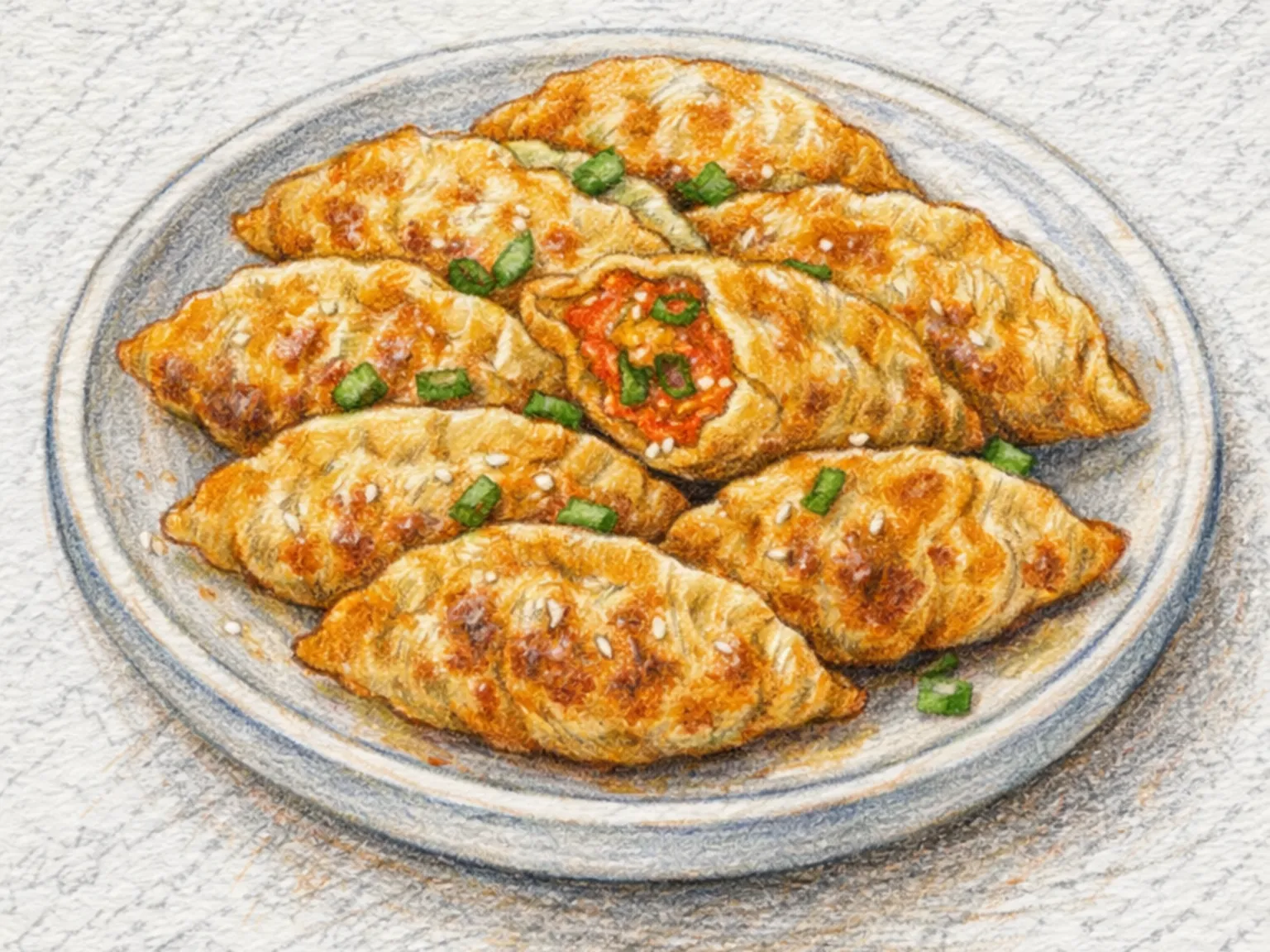
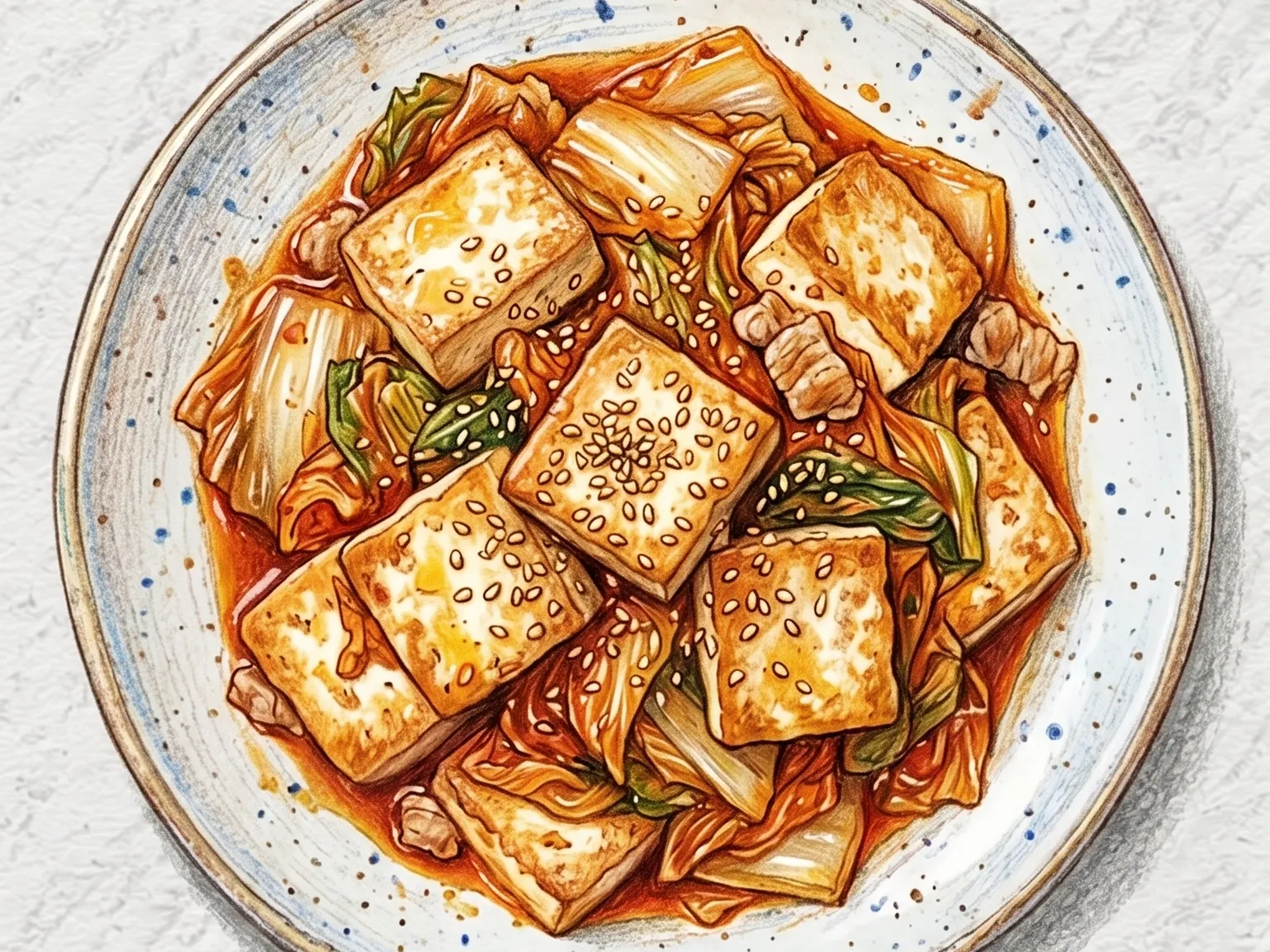
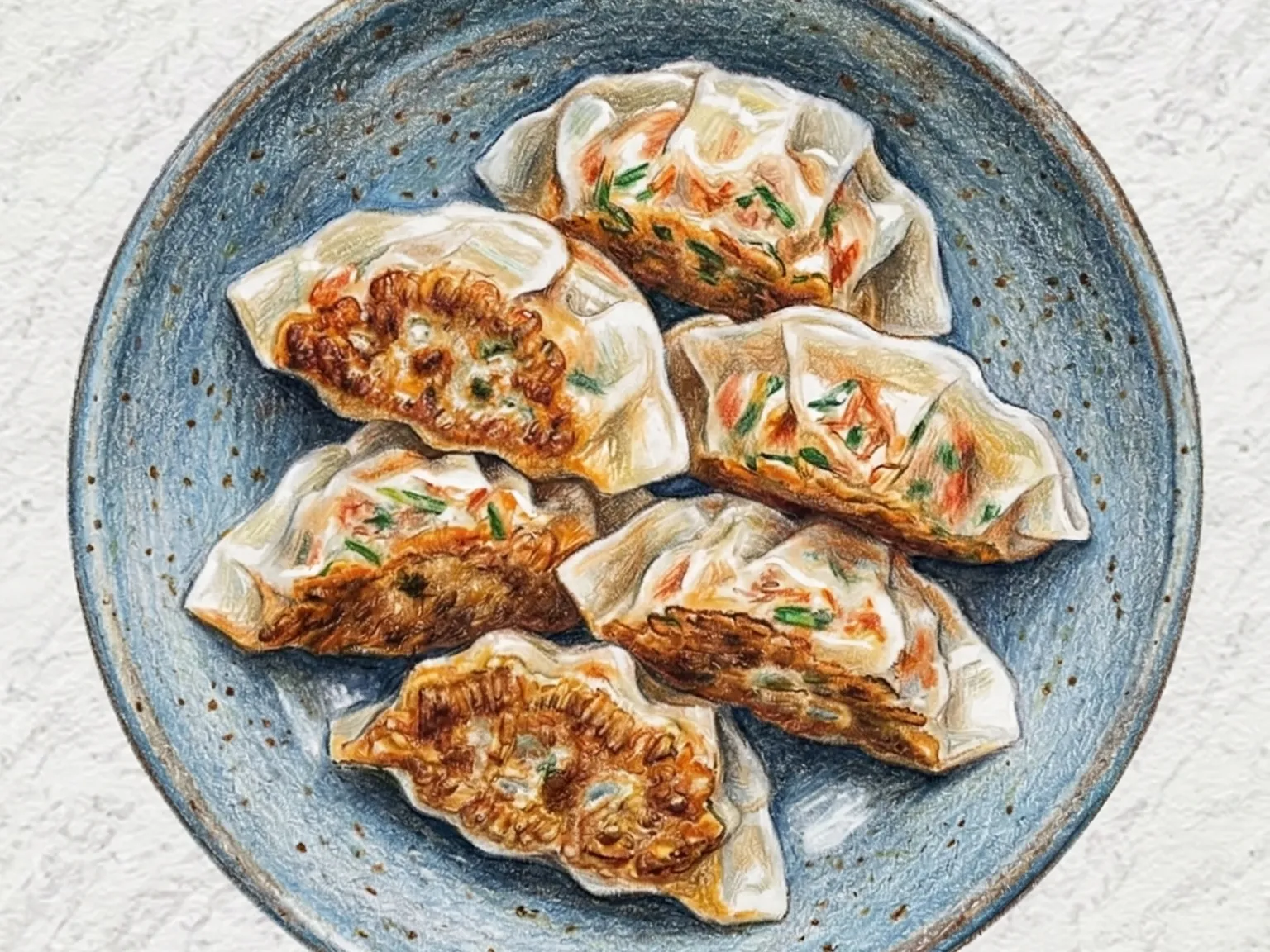
Kimchi pork gunmandu are pan-fried dumplings with a filling of ground pork, well-drained kimchi, garlic chives, firm tofu, soy sauce, garlic, and sesame oil.

What makes this special

  • Combining nearly equal parts ground pork and well-drained kimchi creates a savory dumpling filling balanced by the acidic crunch of fermented cabbage and garlic chives.
  • Near 1:1 pork-to-kimchi ratio puts fermented tang upfront
  • Garlic chives add pungent depth; tofu prevents skin splitting
Total time
37 min
Level
Medium
Servings
2 servings
Ingredients
9
Calories
490 kcal
Protein
24 g

Key ingredients

Dumpling wrappersGround porkKimchiGarlic chivesFirm tofu

Core cooking flow

  1. 1 Squeeze the kimchi firmly to remove excess liquid, then chop it finely.
  2. 2 Put the 180g ground pork, kimchi, chives, tofu, 1 tablespoon soy sauce, 1 te...
  3. 3 Place a moderate amount of filling in the center of each of the 20 wrappers.

Kimchi pork gunmandu are pan-fried dumplings with a filling of ground pork, well-drained kimchi, garlic chives, firm tofu, soy sauce, garlic, and sesame oil. The near-equal ratio of 180g pork to 150g kimchi puts the kimchi's fermented tang front and center. Garlic chives add a sharp, onion-like depth, and the tofu absorbs excess moisture from the filling to prevent wrapper breakage. The dumplings are first pan-fried to crisp the bottoms, then steamed with a splash of water, and finished uncovered to evaporate remaining liquid.

Prep 25min Cook 12min 2 servings

Instructions

Read the steps as a cooking flow: prep, heat, seasoning, doneness control, and finish.

6 steps
  1. 1
    Prep

    Squeeze the kimchi firmly to remove excess liquid, then chop it finely.

    Press the 100g firm tofu in a cloth or by hand until it feels dry, and slice the 50g garlic chives into small pieces.

  2. 2
    Season

    Put the 180g ground pork, kimchi, chives, tofu, 1 tablespoon soy sauce, 1 teaspoon minced garlic, and 1 teaspoon sesame oil in a bowl. Mix until the filling looks evenly seasoned and slightly sticky.

  3. 3
    Step

    Place a moderate amount of filling in the center of each of the 20 wrappers.

    Lightly wet the edge, press out trapped air as you fold, and seal each dumpling firmly into a half-moon shape.

  4. 4
    Control

    Heat 1 tablespoon cooking oil in a pan over medium heat.

    Arrange the dumplings without crowding, cook for about 2 minutes, and check that the bottoms are golden before adding water.

  5. 5
    Control

    Pour 50ml water around the edge of the pan and cover immediately.

    Keep the heat at medium for 3 minutes, and do not open the lid so the filling steams through and stays juicy.

  6. 6
    Finish

    Remove the lid and cook about 1 minute more to evaporate remaining moisture.

    When the bottoms crisp again and the sizzling sounds lighter, transfer the dumplings to a plate while the wrappers are still firm.

After the steps

Pick a recipe that fits this dish.

Continue with shared ingredients, meal pairings, or a similar method.

Recipes That Go Well With This

More Street food →

Based on shared ingredients and meal pairing

Korean Crispy Kimchi Fried Dumplings
Shared ingredient: dumpling wrappers Street food

Korean Crispy Kimchi Fried Dumplings

Kimchi gun mandu are pan-fried dumplings filled with finely chopped kimchi, squeezed tofu, ground pork, and green onion seasoned with soy sauce and garlic, shaped into half-moons. The bottoms are first crisped in oil, then water is added and the pan is covered for four minutes to steam the tops, achieving a contrast of crunchy base and moist upper wrapper. The kimchi's acidity and heat permeate the pork fat to create a more assertive umami than plain dumplings, and the tofu smooths out the filling's texture. A splash of vinegar in the soy dipping sauce cuts any greasiness.

Korean Steamed Mandu (Pork and Tofu Dumplings Steamed in Half-Moon Shape)
Shared ingredient: dumpling wrappers Street food

Korean Steamed Mandu (Pork and Tofu Dumplings Steamed in Half-Moon Shape)

Jjin mandu are Korean steamed dumplings filled with a mixture of ground pork, thoroughly squeezed tofu, soaked glass noodles, garlic chives, and onion, seasoned with soy sauce and sesame oil, then folded into crescent shapes and steamed for 12 to 15 minutes. The steaming method sets these apart from pan-fried or boiled dumplings in a fundamental way: no oil is added, so the wrapper stays moist and clings to the filling rather than crisping, and the filling's own flavors come through without the richness that frying introduces. Removing as much moisture as possible from the tofu before mixing it in is one of the most important steps - tofu that has not been squeezed dry will release liquid during steaming and make the filling watery and the wrapper soggy. Once the moisture is gone, the tofu blends into the pork and gives the filling a softer, more yielding texture than ground meat alone. Garlic chives provide a pungent, grassy bite that naturally cuts through the fat in the pork, while the glass noodles add a slippery, chewy element that contrasts with the tender meat. At the end of steaming, the wrappers turn translucent and the filling becomes just visible through the dough - a reliable sign that the dumplings are fully cooked. A dipping sauce of soy sauce, rice vinegar, and red chili flakes provides acidity and heat that lifts the mild, clean flavor of the filling.

Korean Sweet Corn Latte (Butter Sauteed Corn Milk Drink)
Serve together Drinks

Korean Sweet Corn Latte (Butter Sauteed Corn Milk Drink)

Sweet corn latte begins by sauteing cooked corn kernels in butter until fragrant, then simmering them in milk to draw out the corn's natural sugars before blending everything smooth. The butter amplifies the starchy, roasted aroma during the initial saute, coating each kernel so that the fat-soluble flavor compounds dissolve fully into the milk during the five-minute simmer. Blending the mixture until completely smooth and then straining it through a fine sieve removes any remaining hull pieces, producing a texture as silky as a custard sauce. This straining step makes a noticeable difference in the final quality. Condensed milk adds a rounded sweetness, and a small amount of white pepper introduces a faint spiced warmth that gives the drink depth beneath the sweetness. It works equally well served hot in a ceramic mug or chilled and poured over ice; the corn aroma remains vivid in both versions.

Korean Crispy Pan-Fried Dumplings
Similar recipe Street food

Korean Crispy Pan-Fried Dumplings

Crispy gunmandu uses a two-stage pan-frying method to give frozen dumplings a golden, crunchy base while keeping the tops moist. The dumplings are seared in oil first until the bottoms turn golden, then water is added and the lid goes on to steam the filling through. Once the water evaporates, the lid comes off and the base crisps up a second time. Adding a flour-and-water slurry instead of plain water creates a lacy, connected crust that bridges all the dumplings together along the bottom, widening the crisp surface area and letting them lift out of the pan as one sheet. Dipped in a sauce of soy sauce, vinegar, and gochugaru, the nutty browned base contrasts sharply with the moist, seasoned filling inside.

Serve with this

Green Tea Dasik Cookies (No-Bake Korean Matcha Pressed Cookies)
Desserts Easy

Green Tea Dasik Cookies (No-Bake Korean Matcha Pressed Cookies)

Nokcha dasik are Korean pressed tea cookies formed by binding roasted soybean powder and matcha with honey, rice syrup, and a touch of sesame oil, then stamping the mixture in a traditional wooden mold. No oven or heat is needed; the key is achieving a moisture ratio that lets the dough hold together under pressure without cracking. If the dough is too dry, the surface splits when unmolded; too wet, and the stamped pattern loses definition. Rice syrup quantity is the primary lever for adjusting consistency. On the tongue, the cookie dissolves gently, releasing the toasty depth of roasted soybean first, followed by the grassy bitterness of green tea that cleans the palate. The embossed pattern from the mold gives each piece a refined, ornamental appearance, and a brief air-dry at room temperature firms the surface enough for neat storage. Arranged two or three to a small plate beside a cup of tea, they make a composed and properly presented traditional tea-table spread.

🧒 Kid-Friendly 🌙 Late Night
Prep 25min 4 servings
Korean Minari Bulgogi Bibim Udon
Noodles Medium

Korean Minari Bulgogi Bibim Udon

Minari bulgogi bibim udon is a Korean mixed noodle dish combining soy-marinated beef bulgogi with fragrant water dropwort over chewy udon noodles. The beef is marinated for ten minutes in soy sauce, garlic, and syrup, then stir-fried quickly with onion over high heat to develop caramelized edges while keeping the interior moist. Udon is blanched for two minutes and rinsed in cold water to restore its springy chew. A gochujang, soy sauce, and sesame oil dressing coats the noodles first, then the bulgogi and minari are folded in gently at the end so the herb's distinctive aroma stays intact rather than wilting away. Sesame seeds scattered on top add a final nutty accent that bridges the savory meat and the fresh, grassy minari. Adding a small amount of pear juice or kiwi juice to the marinade tenderizes the beef noticeably, which sharpens the contrast between the silky meat and the firm noodle.

🍺 Bar Snacks 🏠 Everyday
Prep 25min Cook 12min 2 servings
Korean Crispy Glazed Tofu Bites
Side dishes Medium

Korean Crispy Glazed Tofu Bites

Dubu gangjeong applies the double-coating logic of Korean fried chicken to tofu, pressing each cube dry before dredging in potato starch, frying until the shell turns shattering crisp, then tossing in a concentrated sticky glaze. The dish originated in temple cuisine as a meatless adaptation of gangjeong and has since become a staple anju in Korean bars. Pressing the tofu is non-negotiable: at least twenty minutes under a heavy weight wrapped in paper towels removes enough moisture to prevent oil from splattering and allows the starch coating to adhere evenly. Potato starch produces a noticeably thinner and more translucent crust than wheat flour, which cracks cleanly rather than bending when bitten. The glaze is made by boiling gochujang, soy sauce, sugar, and rice syrup together until large bubbles break on the surface, signaling that the mixture has concentrated and will cling rather than pool. Pouring the hot glaze over the fried tofu and tossing quickly coats every surface in an even, lacquer-like finish. The defining quality of a well-made dubu gangjeong is the contrast between the caramelized shell with its slight chew and the soft, almost custard-like interior. Once made, it must be eaten within ten minutes before the coating absorbs moisture and goes soft.

🏠 Everyday 🧒 Kid-Friendly
Prep 18min Cook 15min 2 servings

Similar recipes

Korean Meat Mandu (Pork and Beef Dumplings with Tofu Filling)
Street food Medium

Korean Meat Mandu (Pork and Beef Dumplings with Tofu Filling)

Gogi-mandu is a Korean meat dumpling filled with ground pork, ground beef, squeezed tofu, onion, scallion, and garlic, seasoned with soy sauce and sesame oil. Kneading the filling in a single direction develops myosin bonds in the meat proteins, giving the mixture a sticky consistency that helps it hold together and retain moisture during cooking. The pork contributes fat and a mild sweetness, the beef adds a deeper, more savory flavor, and the tofu, wrung dry before mixing, softens the overall texture and prevents the filling from becoming too dense. These dumplings can be steamed in a basket for a clean, light result, or cooked using the steam-then-fry method: a splash of water in a covered pan brings them through with heat, then the lid is removed and the bottoms are crisped directly on the pan surface, producing a golden, crunchy base that contrasts with the soft filling above.

🧒 Kid-Friendly 🌙 Late Night
Prep 30min Cook 15min 4 servings
Korean Kimchi Pork Jeon (Fermented Kimchi and Pork Crispy Pancake)
Pancakes Easy

Korean Kimchi Pork Jeon (Fermented Kimchi and Pork Crispy Pancake)

Well-fermented kimchi and pork shoulder are the backbone of this hearty Korean pancake. Kimchi brine is mixed directly into the batter, intensifying both the crimson color and the tangy, fermented depth of flavor. A small amount of sugar balances the acidity, while green onion and onion distribute contrasting texture throughout each bite. Pressing the pancake flat in a generously oiled pan over high heat produces deeply caramelized, crispy edges. The kimchi should not be squeezed too dry before mixing in, since residual moisture keeps the interior soft and prevents the finished pancake from becoming dense. Pork shoulder should be cut into small pieces so it cooks through before the exterior over-browns. The kimchi's seasoning is assertive enough that no dipping sauce is required, making this a complete side dish on its own.

🍺 Bar Snacks 🏠 Everyday
Prep 20min Cook 18min 4 servings
Korean Sweet Potato Pancakes
Grilled Easy

Korean Sweet Potato Pancakes

Goguma-jeon is a Korean sweet potato pancake made by julienning peeled sweet potatoes, folding them into a batter of pancake mix, water, salt, and a touch of sugar, then spreading the mixture thin in an oiled pan and frying both sides until golden. The sweet potato's starch gelatinizes in the heat and bonds with the batter to create lacy, crisp edges, while the center retains the tuber's natural moist sweetness. Keeping the pancake thin is non-negotiable-pressing the batter flat with the back of a spoon ensures even cooking and maximum crunch, because thick portions steam internally and turn soggy. Adding a teaspoon of sugar to the batter amplifies the sweet potato's subtle sweetness and encourages faster caramelization at the edges.

🍺 Bar Snacks 🧒 Kid-Friendly
Prep 15min Cook 12min 2 servings

Tips

Drain kimchi well to prevent wrapper breakage.
Steam-then-fry ensures juicy filling and crisp bottoms.

Nutrition (per serving)

Calories
490
kcal
Protein
24
g
Carbs
45
g
Fat
23
g