Korean Kimchi Ramen Pancake

Korean Kimchi Ramen Pancake

Quick answer

Kimchi ramyeon jeon is a Korean pan-fried pancake made with slightly undercooked ramen noodles mixed into a batter of pancake mix, chopped fermented kimchi, green onion...

What makes this special

  • Mixing parboiled ramen noodles into a kimchi pancake batter before pan-frying results in a crisp texture that retains the structural shape of the individual noodles.
  • Two-minute parboil keeps noodles springy when pan-fried
  • Wavy noodle texture creates uneven surface for extra crunch
Total time
22 min
Level
Easy
Servings
2 servings
Ingredients
8
Calories
418 kcal
Protein
11 g

Key ingredients

ramen noodleswell-fermented kimchiKorean pancake mixegggreen onion

Core cooking flow

  1. 1 Boil the ramen noodles for only 2 minutes, just until the center still feels slightly firm.
  2. 2 If the 120 g well-fermented kimchi is very wet, squeeze it lightly so it wil...
  3. 3 In a bowl, combine 70 g Korean pancake mix, 1 egg, 120 ml water, and 4 g red chili flakes.

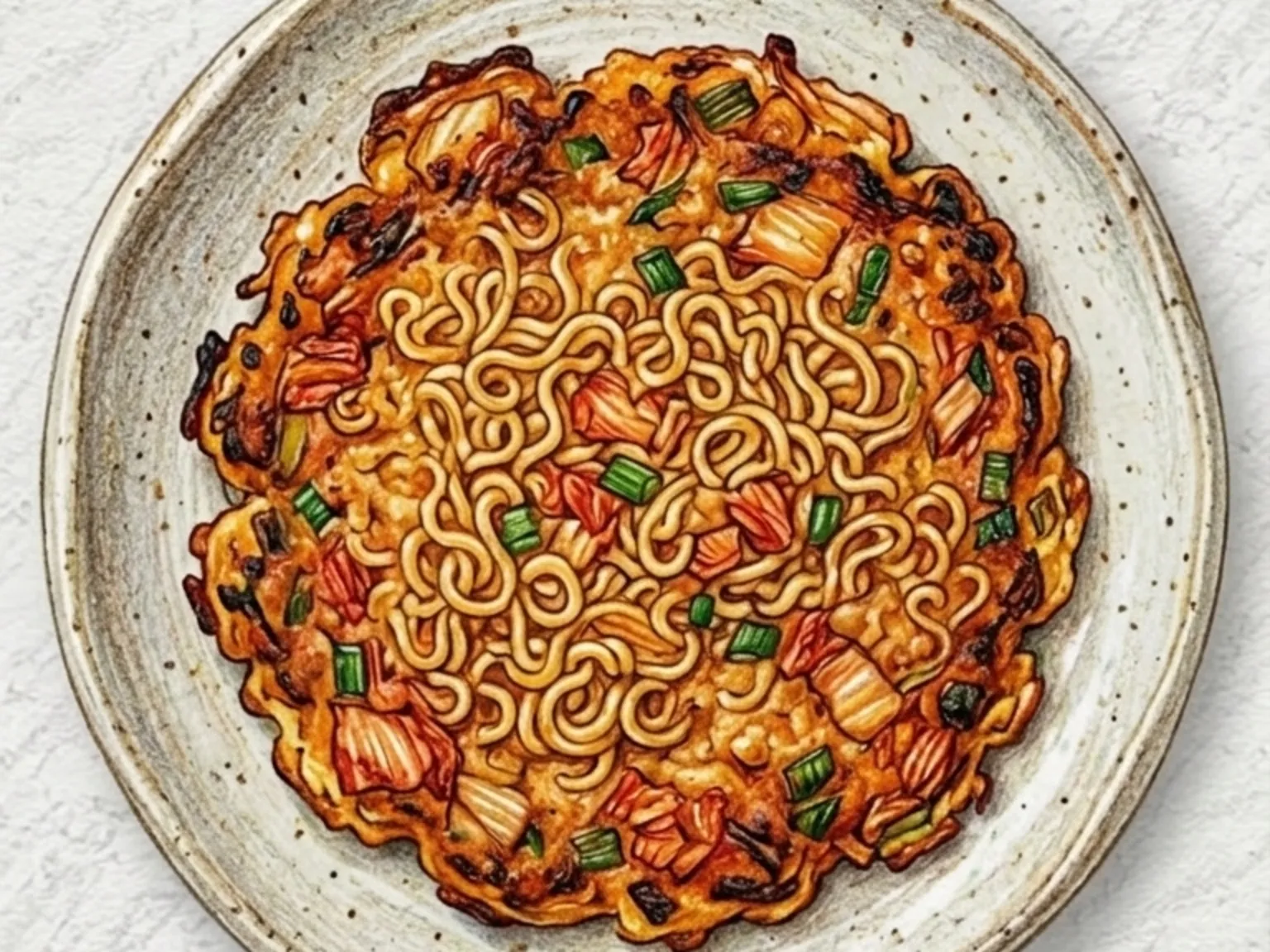
Kimchi ramyeon jeon is a Korean pan-fried pancake made with slightly undercooked ramen noodles mixed into a batter of pancake mix, chopped fermented kimchi, green onion, and red chili flakes. The noodles are boiled for only two minutes, leaving them firm enough to hold their structure in the pan; fully cooked noodles turn soft and collapse into the batter, losing all chew. The residual heat from pan-frying finishes the cooking while the noodles stay springy. Kimchi brings its fermented sourness and the chili flakes add heat, both layering over the mild, savory flavor of the batter. Spreading the mixture thin before frying allows the edges to crisp all the way through. The wavy, coiled shape of ramen strands creates an uneven surface on the pancake, producing irregular pockets and ridges that fry up especially crunchy. It is a popular late-night snack or a practical way to use leftover ramen blocks.

Prep 10min Cook 12min 2 servings

Instructions

Read the steps as a cooking flow: prep, heat, seasoning, doneness control, and finish.

6 steps
  1. 1
    Heat

    Boil the ramen noodles for only 2 minutes, just until the center still feels slightly firm.

    Rinse them under cold water to stop cooking, remove surface starch, and drain very well so the batter does not loosen.

  2. 2
    Prep

    If the 120 g well-fermented kimchi is very wet, squeeze it lightly so it will not water down the mixture, then chop it finely.

    Slice the 20 g green onion thinly so it catches between the noodle strands.

  3. 3
    Prep

    In a bowl, combine 70 g Korean pancake mix, 1 egg, 120 ml water, and 4 g red chili flakes.

    Mix only until no dry powder remains, keeping the batter thick enough to cling to noodles.

  4. 4
    Heat

    Add the drained noodles, chopped kimchi, and green onion to the batter.

    Loosen the noodles as you mix so they are coated evenly; if they stay clumped, the pancake will cook thick and soft in the pan.

  5. 5
    Control

    Heat 2 tablespoons cooking oil in a pan over medium heat.

    When a bit of batter sizzles at the edge right away, add the mixture, spread it thinly, and press lightly so the ramen ridges contact the oil.

  6. 6
    Heat

    Cook the first side for 4-5 minutes, until the edges turn brown and crisp enough to lift cleanly.

    Flip carefully, then cook the other side for 4-5 minutes so the center sets while the noodles stay springy.

After the steps

Pick a recipe that fits this dish.

Continue with shared ingredients, meal pairings, or a similar method.

Recipes That Go Well With This

More Street food →

Based on shared ingredients and meal pairing

Korean Kimchi Cheese Gamja Jeon Cup (Kimchi Cheese Potato Cup)
Shared ingredient: korean pancake mix Street food

Korean Kimchi Cheese Gamja Jeon Cup (Kimchi Cheese Potato Cup)

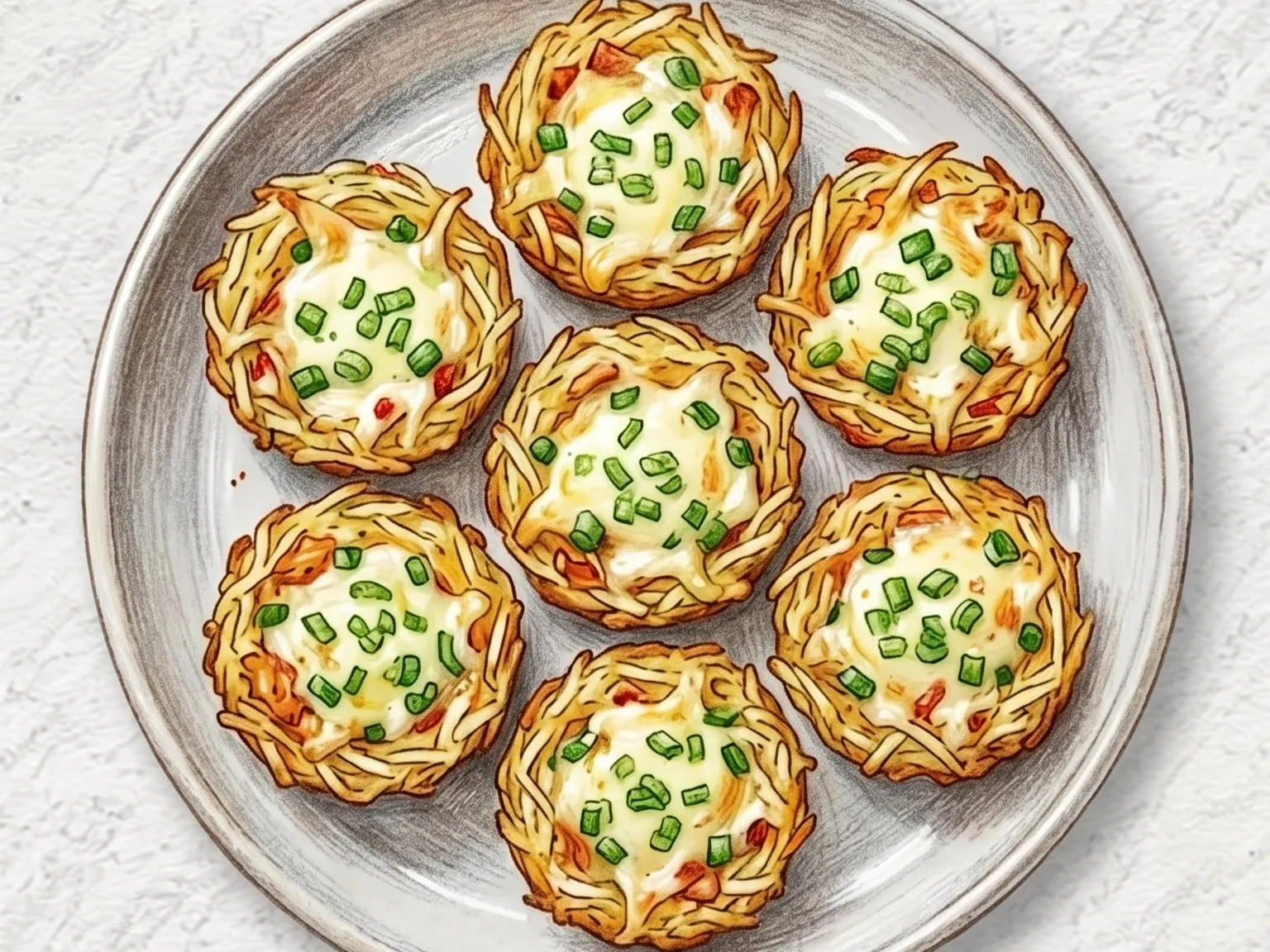
Kimchi cheese gamja jeon cups start with julienned raw potato and chopped kimchi mixed into a batter of Korean pancake mix and egg, pressed into cup shapes directly in the pan, then filled with shredded mozzarella and sliced green onion before a lid traps the steam that melts the cheese. The starch naturally present in the potato acts as a binder, holding each cup together as it fries, while the contact surface builds a golden, crispy crust. As the lid seals in heat, the cheese softens and merges with the spicy kimchi, and the potato contributes a gentle, almost sweet starchiness that balances the heat. Wringing excess moisture from the kimchi before mixing is the single most important step: leftover liquid loosens the batter and causes the cups to collapse before the crust sets. The compact shape makes them easy to pick up, so they work equally well as a lunchbox side or a party finger food.

Korean Kimchi Jeon Cup (Kimchi Pancake Cups)
Shared ingredient: korean pancake mix Street food

Korean Kimchi Jeon Cup (Kimchi Pancake Cups)

Kimchi jeon cups are small Korean pancakes made from a batter of pancake mix, water, kimchi brine, finely chopped aged kimchi, green onion, and Cheongyang chili, pan-fried into rounds and served standing upright in paper cups. Adding kimchi brine directly to the batter is the key step that separates these from a standard kimchi pancake: the fermented liquid spreads its salt and umami through every part of the batter, so the flavor is more intense and consistent than when kimchi is simply folded into a neutral base. A generous amount of oil in the pan and medium heat together crisp the edges into a fried shell while the center stays slightly soft and chewy. The Cheongyang chili adds a sharp, clean heat on top of the kimchi acidity, keeping the flavor lively. A thicker batter consistency than normal pancakes is necessary for this format: thin batter flops and collapses once stood upright in a cup, while a stiffer mix holds the round shape without bending. The hand-held cup format references pojangmacha culture, the covered street-stall tradition, and the pancakes are typically dipped in soy sauce or a vinegar-gochujang sauce.

Korean Tteok and Ramyeon (Instant Ramen with Chewy Rice Cakes)
Serve together Noodles

Korean Tteok and Ramyeon (Instant Ramen with Chewy Rice Cakes)

Tteok-ramyeon is a Korean shortcut dish that adds chewy rice cakes to a pot of instant ramen. The rice cakes absorb the spicy broth as they cook, intensifying the seasoning while providing a bouncy texture that instant noodles alone lack. An egg or a slice of cheese is often cracked in near the end for added richness. The entire dish is ready in about 13 minutes with no knife skills required - just boiling water and timing. It is one of the most common late-night snacks in Korea. Adding seasoning in stages makes it easier to adjust saltiness, sweetness, and heat without covering the base ingredients.

Korean Kimchi Pancake
Similar recipe Grilled

Korean Kimchi Pancake

Kimchi-jeon is a Korean savory pancake made by chopping well-fermented kimchi into small pieces, mixing it into a batter of pancake flour, kimchi brine, and chili flakes, then frying the batter in oil until both sides turn golden and crisp. Using kimchi brine instead of plain water is the central technique: the lactic acid from fermentation adds a tangy depth to the flour base that water simply cannot provide. The batter consistency varies with how wet the kimchi is, so the target is a texture that runs slowly rather than puddles, which usually requires less liquid than might seem necessary. Neutral cooking oil or perilla oil suits the flavor profile better than olive oil, preserving the characteristic savory aroma of Korean pan-fried foods. Four minutes on the first side over medium-high heat followed by three minutes after flipping produces a crust that is genuinely crisp at the surface while the inside stays moist from the kimchi's own liquid. Pressing lightly with a spatula before flipping helps confirm that the underside has set firmly enough to hold its shape. A pancake that is too thin burns before it develops flavor, and one that is too thick leaves the interior underdone. Kimchi-jeon is at its best immediately off the pan, but a brief return to a dry skillet restores most of the crispness when reheating leftovers.

Serve with this

Misugaru Grain Ice Cream
Desserts Easy

Misugaru Grain Ice Cream

Misugaru Grain Ice Cream is a frozen dessert made by blending roasted multi-grain powder with milk and heavy cream. The misugaru is whisked into milk to dissolve any lumps before honey, condensed milk, and a pinch of salt are added to establish a sweet, nutty base. Separately, heavy cream is whipped to soft peaks and gently folded into the mixture using J-shaped strokes to maintain aeration. The mixture is placed in a shallow container to freeze. To achieve a smooth texture, the surface is scraped with a fork every hour for three hours, breaking up ice crystals. Using black bean grain powder provides a richer taste, and topping the ice cream with chopped nuts adds a crunchy contrast to the creamy texture.

🔥 Trending Now ⚡ Quick
Prep 15min 4 servings
Korean Seasoned Cucumber Pickle Salad
Side dishes Easy

Korean Seasoned Cucumber Pickle Salad

Oiji-muchim takes oiji - cucumber that has been salt-brined for a month or longer - rinses out the excess salinity, and dresses it in a sweet-sour-spicy sauce. Oiji is a traditional Korean preserved food: summer cucumbers are submerged in a concentrated salt brine and aged until their moisture migrates out, transforming the texture from fresh and crisp into something firm, almost crunchy-chewy - a chew fundamentally different from raw cucumber. If the pickle is too salty, soaking in cold water for thirty minutes to an hour draws the brine down to a palatable level. After thorough squeezing, the cucumber pieces are tossed with gochugaru, vinegar, sugar, sesame oil, minced garlic, and scallion. Vinegar and sugar layer a bright sweet-sour dimension over the pickle's inherent saltiness, balancing it for pairing with rice. Julienned oiji absorbs more dressing and delivers a different eating experience than diagonal-cut slices - each approach has its advocates. Made during the summer cucumber glut, oiji keeps refrigerated for over a month.

🏠 Everyday 🍱 Lunchbox
Prep 15min 4 servings
Korean Mugwort Latte (Herbal Mugwort Condensed Milk Drink)
Drinks Easy

Korean Mugwort Latte (Herbal Mugwort Condensed Milk Drink)

Ssuk latte is a Korean mugwort milk drink built on a simple technique: mugwort powder is first dissolved in a small amount of water to form a smooth paste before being whisked into warm milk. Adding the powder directly to cold milk tends to produce lumps, so dissolving it into a paste first is the step that determines whether the finished drink is silky or gritty. Condensed milk and honey soften the herb's inherent bitterness, the quality that characterizes mugwort most distinctly, while a small pinch of salt sharpens the contrast between sweet and earthy and adds a layer of depth that sugar alone cannot provide. The milk is heated on medium-low heat until the surface begins to tremble and small bubbles appear at the edges, just before boiling, which is enough warmth for the powder to integrate fully and produce a uniform, jade-green color without scorching. Served hot, the drink carries a lingering herbal warmth and a faint bitter note in the back of the throat that traditional Korean drinks often feature. Served over ice and shaken, the same base transforms into a lighter, more refreshing version with a cleaner mouthfeel. Mugwort has been a seasonal spring ingredient in Korean food culture for centuries, valued for its distinctive fragrance and tonic properties. Those unfamiliar with the flavor can start with a smaller amount of powder and increase gradually until the intensity suits their taste.

🍺 Bar Snacks ⚡ Quick
Prep 5min Cook 6min 2 servings

Similar recipes

Korean Crispy Kimchi Fried Dumplings
Street food Easy

Korean Crispy Kimchi Fried Dumplings

Kimchi gun mandu are pan-fried dumplings filled with finely chopped kimchi, squeezed tofu, ground pork, and green onion seasoned with soy sauce and garlic, shaped into half-moons. The bottoms are first crisped in oil, then water is added and the pan is covered for four minutes to steam the tops, achieving a contrast of crunchy base and moist upper wrapper. The kimchi's acidity and heat permeate the pork fat to create a more assertive umami than plain dumplings, and the tofu smooths out the filling's texture. A splash of vinegar in the soy dipping sauce cuts any greasiness.

🧒 Kid-Friendly 🏠 Everyday
Prep 20min Cook 12min 2 servings
Korean Chive Kimchi Jeon (Spicy Fermented Kimchi Pancake)
Grilled Easy

Korean Chive Kimchi Jeon (Spicy Fermented Kimchi Pancake)

Buchu-kimchi-jeon is a Korean pancake built around well-fermented aged kimchi and garlic chives, mixed into a cold-water batter that also includes a pour of kimchi brine. The brine is not optional: it tints the batter a deep red and introduces the concentrated, tangy umami that only long-fermented kimchi produces, which a fresh batch or water substitute cannot provide. Cold water is used because it limits gluten development, giving the finished pancake a shatteringly crisp exterior instead of the chewy, doughy texture that warm water encourages. Thinly sliced fresh hot green chili adds a sharper, more immediate heat on top of the kimchi's fermented sour spiciness, creating a more complex profile than either ingredient achieves alone. The pancake must be spread thinly on a pan preheated over medium-high heat and left alone until the edges turn a deep golden brown; attempting to flip before the perimeter has fully set will cause the center to collapse and lose its structure. The garlic chives soften into the batter but release a persistent fragrance that carries through each bite and lingers after the meal.

🍺 Bar Snacks ⚡ Quick
Prep 15min Cook 12min 2 servings
Korean Kimchi Potato Jeon
Grilled Easy

Korean Kimchi Potato Jeon

Kimchi-gamja-jeon is a pan-fried Korean pancake made from grated potatoes combined with chopped napa kimchi, Korean pancake mix, green onion, and Cheongyang chili. The grating releases starch along with water, and the key step is letting the mixture settle so the starch sinks, then pouring off the liquid and recombining only the starch with the rest of the batter. This starch concentration creates the contrast between a shattering crust and a moist, soft interior that marks a well-made potato pancake. The batter is spread thin in a preheated oiled pan and fried on both sides over medium-high heat. Keeping the temperature high enough that the exterior sets quickly before oil soaks in is essential, as a pan that is too cool produces a greasy, soft result. Kimchi juice that hits the hot pan caramelizes at the edges, creating pockets of deep savory crust alongside the sharp fermentation flavor. The tangy acidity of the kimchi and the mild sweetness of the potato create a defined contrast in each bite. Dipped in vinegared soy sauce spiked with sliced Cheongyang chili, the pancake is a classic makgeolli pairing.

🍺 Bar Snacks 🏠 Everyday
Prep 15min Cook 15min 2 servings

Tips

Slightly undercook noodles so the pancake holds shape.
Spread thinly for a crispier texture.

Nutrition (per serving)

Calories
418
kcal
Protein
11
g
Carbs
50
g
Fat
19
g