Charim

2686 Korean & World Recipes

2686+ Korean recipes, clean and organized. Ingredients to instructions, all at a glance.

Korean Steamed Perilla Leaves

Korean Steamed Perilla Leaves

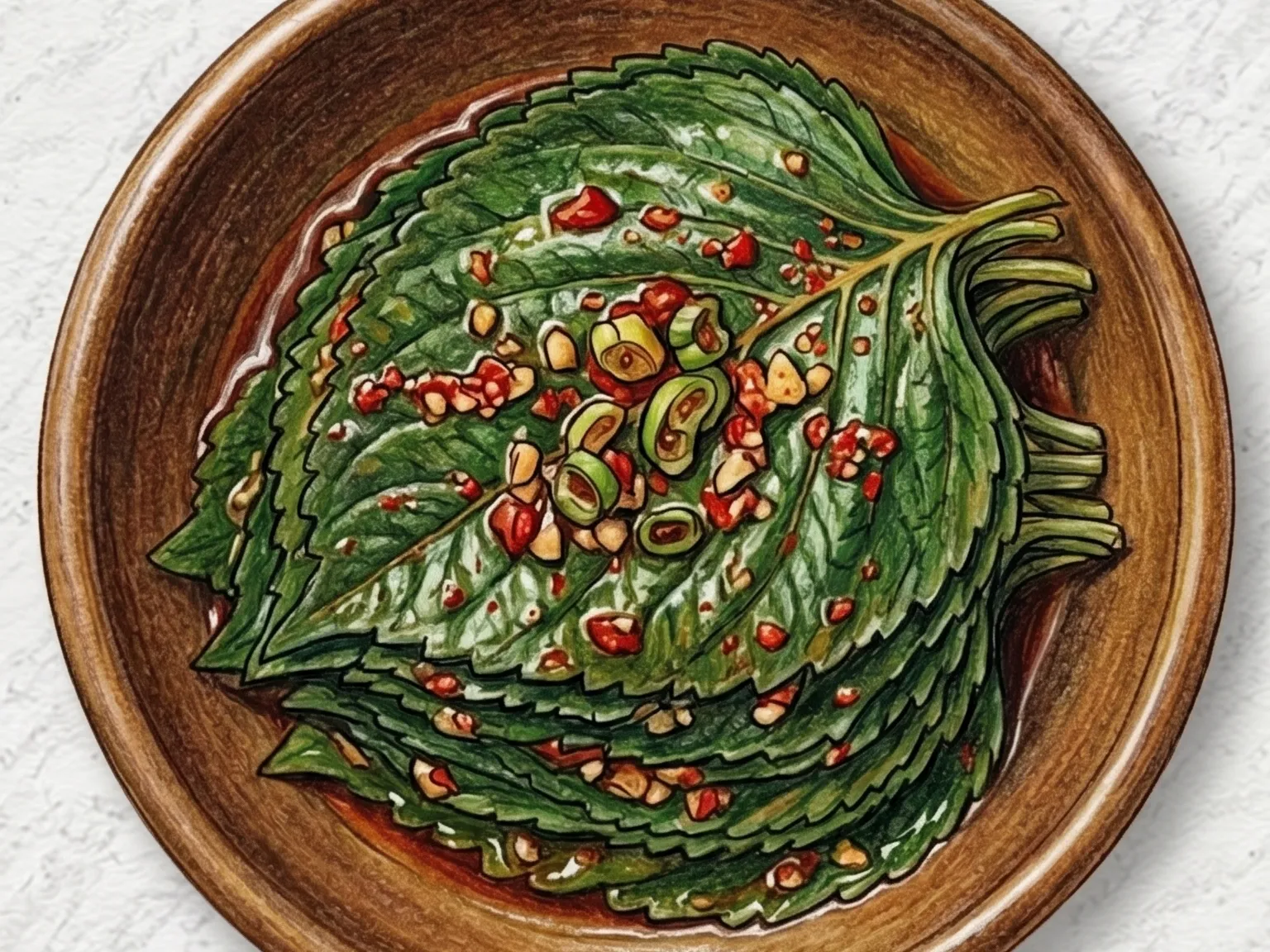
Kkaennip-jjim is a Korean banchan made by stacking perilla leaves one by one with a soy sauce, gochugaru, and garlic seasoning between each layer, then gently braising them covered over low heat. As the leaves wilt, they absorb the sauce and release their distinctive herbal aroma, which mingles with the soy's umami into a layered flavor. Sesame oil brushed between the leaves adds a nutty fragrance, while the chili flakes provide a slow-building warmth. Wrapping a spoonful of steamed rice in a single seasoned leaf makes for a complete bite, which is why this dish is considered one of Korea's most reliable everyday side dishes.

Prep 15min Cook 12min 2 servings

Adjust Servings

2servings
servings

Instructions

  1. 1

    Rinse the perilla leaves and shake off excess water.

  2. 2

    Mix soy sauce, water, chili flakes, garlic, green onion, and sesame oil for the sauce.

  3. 3

    Layer 3-4 leaves at a time in a pot, brushing a thin layer of sauce between layers.

  4. 4

    Cover and gently steam-braise over low heat for 8-10 minutes.

  5. 5

    Turn off heat, rest for 2 minutes, then cool slightly and serve.

🛒Shop Ingredients on Amazon

As an Amazon Associate, we may earn from qualifying purchases.

Tips

Alternate stem direction while layering for a neater shape.
A day of refrigeration deepens and evens out the flavor.

Nutrition (per serving)

Calories
110
kcal
Protein
4
g
Carbs
7
g
Fat
8
g

More Recipes

Korean Braised Perilla Leaves
Side dishesEasy

Korean Braised Perilla Leaves

Kkaennip jorim layers fresh perilla leaves with a soy-based sauce and simmers them gently - a banchan built for make-ahead storage. Kkaennip (perilla) is a distinctly Korean herb with an aromatic intensity comparable to basil or mint, yet it is rarely found outside Korean cuisine. The technique stacks five to six leaves at a time, spooning sauce between each layer so every leaf seasons evenly. Simmering on medium-low heat for eight to ten minutes wilts the leaves into soft, pliable sheets that wrap neatly around a mound of rice. The sauce combines soy sauce, gochugaru, sugar, garlic, and sesame oil - the last adding a nutty richness that complements the herb's own perfume. Refrigerated in an airtight container, kkaennip jorim lasts up to two weeks, making it one of the most economical banchan to batch-prepare.

🏠 Everyday🍱 Lunchbox
Prep 10minCook 10min4 servings
Korean Soy Pickled Perilla Leaves
KimchiEasy

Korean Soy Pickled Perilla Leaves

Kkaennip jangajji is a Korean soy-pickled perilla leaf side dish prepared by submerging thoroughly dried leaves in a brine of boiled soy sauce, vinegar, and sugar with sliced garlic and cheongyang chili. The perilla's distinctive herbal fragrance deepens when met with the soy's salty umami, and the vinegar sharpens the finish into something clean and bright. Cheongyang chili contributes a lingering warmth at the back of each bite, and garlic adds a pungent undercurrent. Wrapped around a bite of rice, the leaf delivers its full aromatic, savory character in one mouthful - and it keeps refrigerated for over a month, making it one of the most practical banchan to have on hand.

🍱 Lunchbox
Prep 20minCook 10min4 servings
Korean Soy Steamed Potatoes
SteamedEasy

Korean Soy Steamed Potatoes

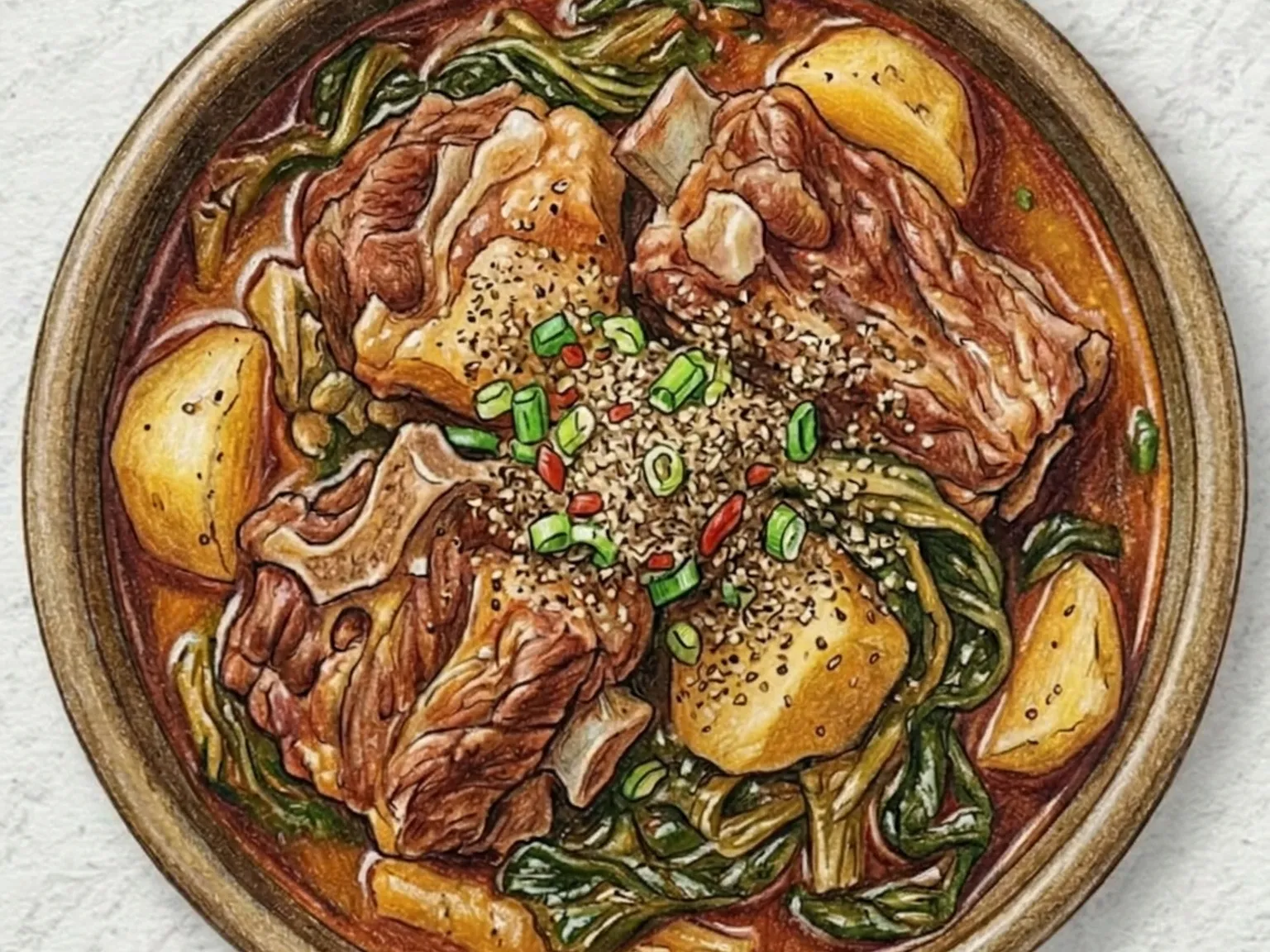
Gamja-jjim is a straightforward Korean braised potato dish cooked in soy sauce and sugar until the pieces are glossy and seasoned through to the center. Minced garlic adds depth, and the dish is finished with sesame oil and chopped chives for fragrance. The potatoes develop a slightly sticky exterior from the reduced sauce while staying fluffy inside. Despite its simplicity, this is a comforting, well-loved banchan that goes with practically any Korean meal.

🏠 Everyday🧒 Kid-Friendly
Prep 12minCook 25min2 servings
Braised Korean Radish (Soy Garlic Slow-Cooked Side)
SteamedEasy

Braised Korean Radish (Soy Garlic Slow-Cooked Side)

Mu-jjim is a Korean braised radish dish where thick-cut Korean radish is simmered slowly in a covered pot with soy sauce, sugar, and garlic. The radish absorbs the seasoned liquid as it cooks, turning translucent and developing a deep sweetness that balances the salty soy base. A drizzle of sesame oil at the end adds a nutty fragrance, and a single sliced green chili contributes a mild kick to the finish. Despite its simplicity, this is a satisfying everyday banchan that pairs naturally with rice throughout the year.

🏠 Everyday🍱 Lunchbox
Prep 12minCook 30min2 servings
Korean Steamed Spanish Mackerel
SteamedMedium

Korean Steamed Spanish Mackerel

Samchi jjim is a Korean steamed-braised Spanish mackerel dish cooked over radish slices with soy sauce, garlic, and cooking wine. The radish cushions the fish from direct heat while releasing a clean sweetness into the braising liquid, and soy sauce seasons the delicate flesh evenly. Because the mackerel is soft and flaky, it is never flipped; instead the sauce is spooned over it repeatedly. Green onion and fresh chili are added at the end for a pop of color and gentle heat. Paired with rice and a ladle of the reduced sauce, it highlights the clean flavor of the fish alongside soy-based umami.

🍱 Lunchbox
Prep 15minCook 22min2 servings
Korean Braised Napa Outer Leaves
SteamedMedium

Korean Braised Napa Outer Leaves

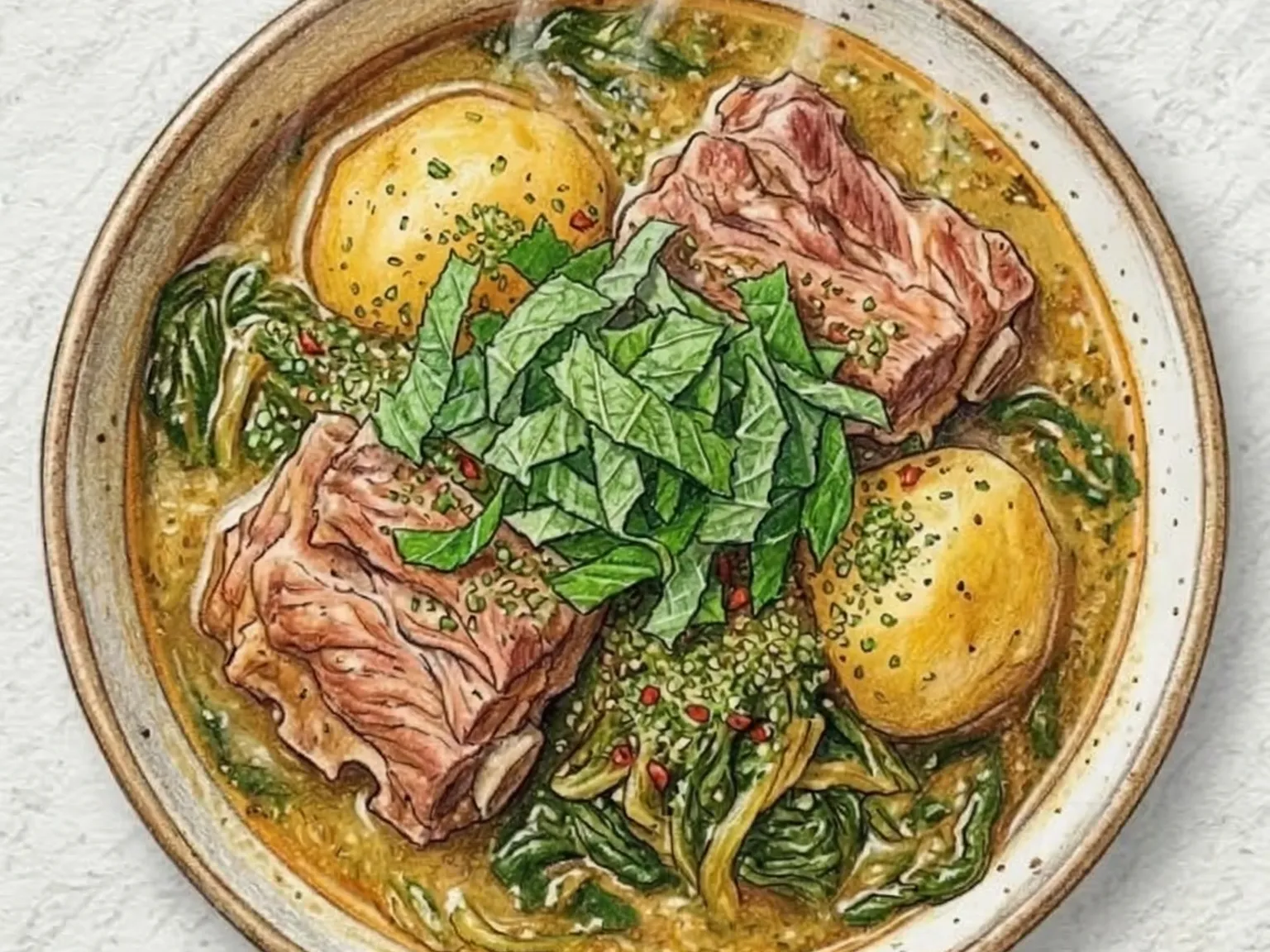
Ugeoji-jjim is a Korean braised dish of blanched napa cabbage outer leaves cooked gently with doenjang, perilla oil, and garlic under a covered lid. The fibrous leaves absorb the fermented soybean paste deeply as they soften, while perilla oil lays a nutty base throughout the dish. Soup soy sauce adjusts the seasoning so the doenjang's saltiness and the natural sweetness of the greens find a clean balance. Mixed into a bowl of steamed rice, this humble banchan delivers a surprisingly deep, earthy flavor that belies its simplicity.

🍱 Lunchbox
Prep 18minCook 28min2 servings
More Steamed →