Charim

2686 Korean & World Recipes

2686+ Korean recipes, clean and organized. Ingredients to instructions, all at a glance.

Korean Braised Perilla Leaves

Korean Braised Perilla Leaves

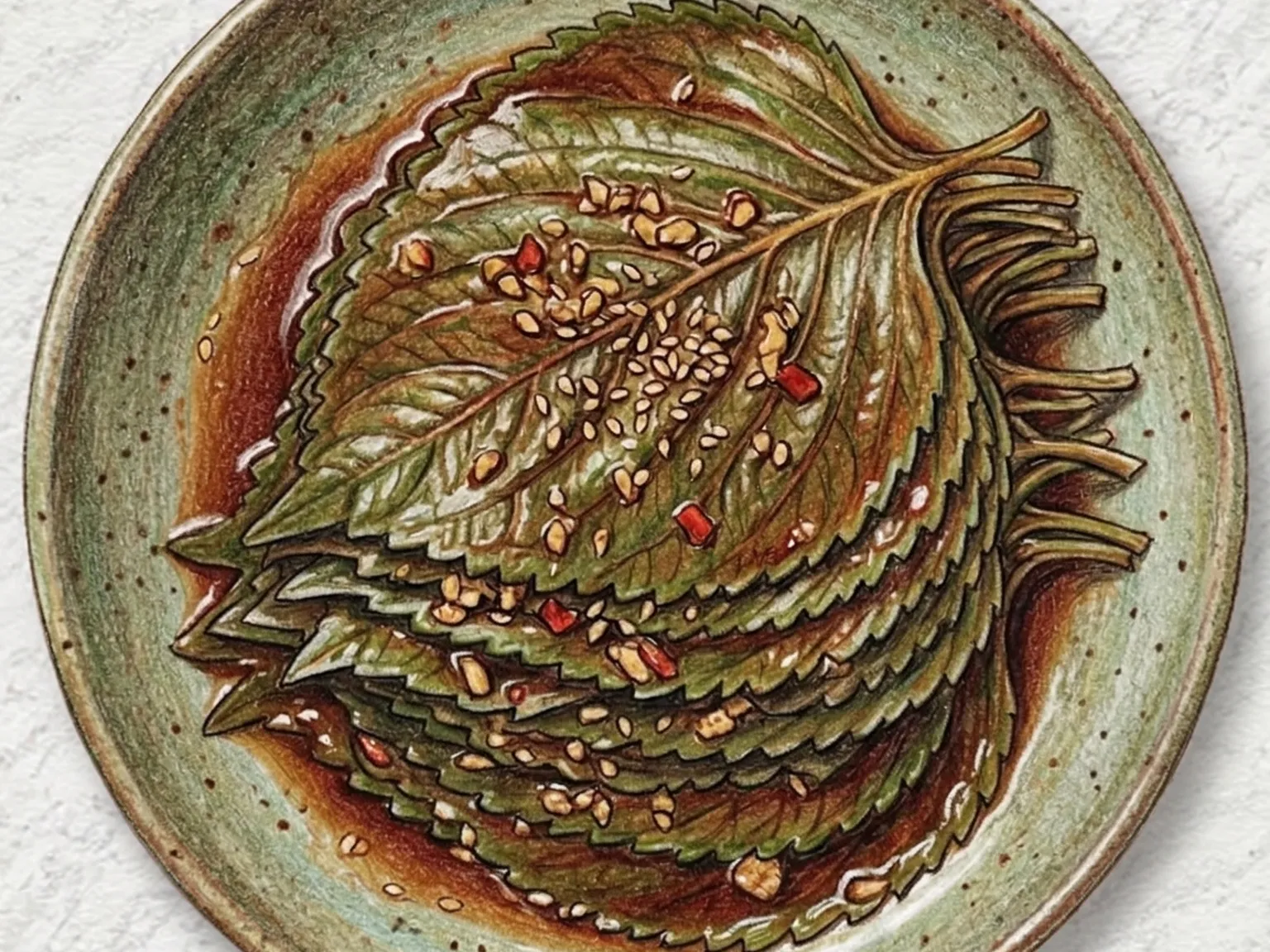
Kkaennip jorim layers fresh perilla leaves with a soy-based sauce and simmers them gently - a banchan built for make-ahead storage. Kkaennip (perilla) is a distinctly Korean herb with an aromatic intensity comparable to basil or mint, yet it is rarely found outside Korean cuisine. The technique stacks five to six leaves at a time, spooning sauce between each layer so every leaf seasons evenly. Simmering on medium-low heat for eight to ten minutes wilts the leaves into soft, pliable sheets that wrap neatly around a mound of rice. The sauce combines soy sauce, gochugaru, sugar, garlic, and sesame oil - the last adding a nutty richness that complements the herb's own perfume. Refrigerated in an airtight container, kkaennip jorim lasts up to two weeks, making it one of the most economical banchan to batch-prepare.

Prep 10min Cook 10min 4 servings

Adjust Servings

2servings
servings

Instructions

  1. 1

    Wash each perilla leaf individually and drain.

  2. 2

    Mix soy sauce, gochugaru, sugar, garlic, sesame oil, and water for the sauce.

  3. 3

    Layer 5-6 leaves in a pot, drizzle sauce, and repeat.

  4. 4

    Simmer on medium-low heat for 8-10 minutes.

  5. 5

    Sprinkle sesame seeds to finish.

🛒Shop Ingredients on Amazon

As an Amazon Associate, we may earn from qualifying purchases.

Tips

Layer sauce between every few leaves so seasoning penetrates evenly.
Keeps in the refrigerator for about 2 weeks.

Nutrition (per serving)

Calories
60
kcal
Protein
2
g
Carbs
8
g
Fat
3
g

More Recipes

Korean Steamed Perilla Leaves
SteamedEasy

Korean Steamed Perilla Leaves

Kkaennip-jjim is a Korean banchan made by stacking perilla leaves one by one with a soy sauce, gochugaru, and garlic seasoning between each layer, then gently braising them covered over low heat. As the leaves wilt, they absorb the sauce and release their distinctive herbal aroma, which mingles with the soy's umami into a layered flavor. Sesame oil brushed between the leaves adds a nutty fragrance, while the chili flakes provide a slow-building warmth. Wrapping a spoonful of steamed rice in a single seasoned leaf makes for a complete bite, which is why this dish is considered one of Korea's most reliable everyday side dishes.

🍱 Lunchbox
Prep 15minCook 12min2 servings
Korean Seasoned Perilla Leaf Banchan
Side dishesEasy

Korean Seasoned Perilla Leaf Banchan

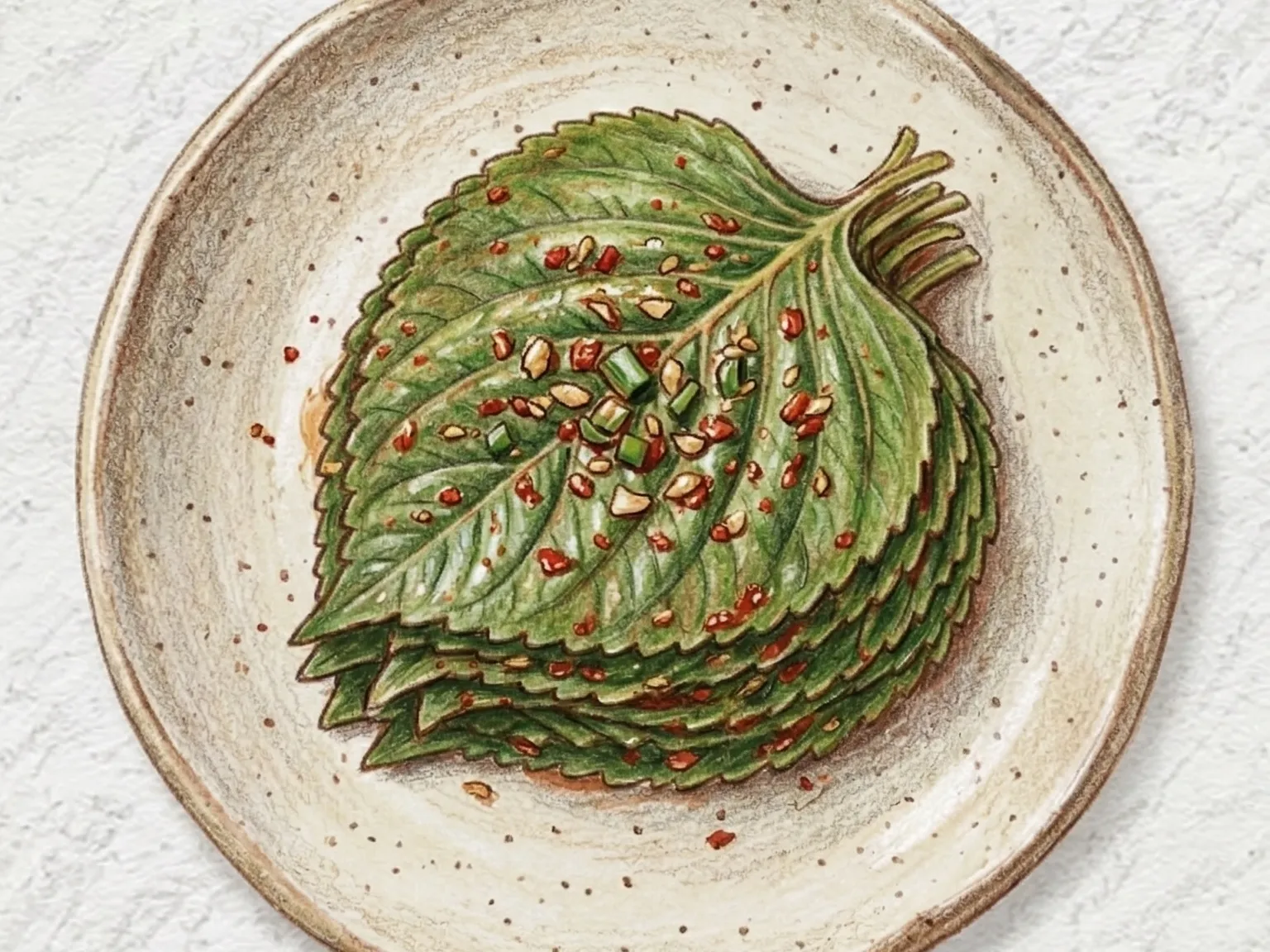
Kkaennip-muchim uses the same core ingredient as kkaennip jorim but skips the heat - raw perilla leaves are dressed directly with a soy-chili seasoning. While the braised version offers soft, fully wilted leaves, this muchim preserves the leaf's rough surface texture and its sharp, almost peppery raw aroma. The dressing - soy sauce, gochugaru, garlic, and chopped scallion - is spread thinly between stacks of five leaves; over-applying makes the dish too salty. A ten-minute rest lets the seasoning absorb into the leaf fibers. Perilla leaves are rich in rosmarinic acid, an antioxidant that has contributed to their reputation as a health food in Korea. Served alongside samgyeopsal or ssambap, the leaves' strong herbal scent cuts through the richness of fatty pork.

🏠 Everyday🍱 Lunchbox
Prep 8min4 servings
Korean Braised Potatoes (Soy-Glazed Braised Potato Banchan)
Side dishesEasy

Korean Braised Potatoes (Soy-Glazed Braised Potato Banchan)

Gamja-jorim - soy-braised potatoes - is among the top five most frequently made banchan in Korean households, alongside kimchi, kongnamul, and gyeran-mari. Small potatoes are parboiled whole until just fork-tender, then transferred to a mixture of soy sauce, sugar, rice syrup, garlic, and water. The braising happens over medium-low heat for fifteen minutes with the lid off, allowing the sauce to reduce gradually into a thick, syrupy glaze. Constant gentle stirring prevents the soft potatoes from sticking or breaking apart. As the liquid evaporates, each potato develops a dark amber, lacquered surface while the interior remains starchy and yielding. The taste is straightforwardly sweet-salty with a garlic undertone - comfort food in its most elemental form. Korean mothers often make a large batch on weekends, refrigerating it to serve cold throughout the week. The dish improves overnight as the glaze continues to penetrate the potato's interior.

🏠 Everyday🍱 Lunchbox
Prep 10minCook 20min4 servings
Korean Soy Pickled Perilla Leaves
KimchiEasy

Korean Soy Pickled Perilla Leaves

Kkaennip jangajji is a Korean soy-pickled perilla leaf side dish prepared by submerging thoroughly dried leaves in a brine of boiled soy sauce, vinegar, and sugar with sliced garlic and cheongyang chili. The perilla's distinctive herbal fragrance deepens when met with the soy's salty umami, and the vinegar sharpens the finish into something clean and bright. Cheongyang chili contributes a lingering warmth at the back of each bite, and garlic adds a pungent undercurrent. Wrapped around a bite of rice, the leaf delivers its full aromatic, savory character in one mouthful - and it keeps refrigerated for over a month, making it one of the most practical banchan to have on hand.

🍱 Lunchbox
Prep 20minCook 10min4 servings
Korean Perilla Leaf Kimchi
KimchiEasy

Korean Perilla Leaf Kimchi

Kkaennip kimchi is an instant-style Korean perilla leaf kimchi assembled by spreading a thin layer of soy sauce, gochugaru, minced garlic, and sesame oil seasoning between each leaf in a stacked arrangement. The perilla's bold herbal scent softens when paired with the toasted richness of sesame oil, while the chili flakes provide a steady, gentle heat. Soy sauce builds the salty-savory framework, and chopped scallion adds a fresh note that ties the flavors together. No fermentation is needed - this kimchi is ready to eat immediately, served on top of rice or used as an aromatic wrap in place of lettuce with grilled meat.

🍱 Lunchbox
Prep 25minCook 5min4 servings
Korean Braised Anchovy Side Dish
Side dishesEasy

Korean Braised Anchovy Side Dish

Myeolchi-jorim simmers tiny dried anchovies in soy sauce, rice syrup, and garlic into a moist, glazed banchan that contrasts fundamentally with stir-fried anchovy preparations. Where bokkeum chases crispness, jorim aims for softness - the anchovies absorb the braising liquid over a sustained simmer, becoming pliant and saturated with sweet-salty flavor throughout their interior. A one-minute dry toast removes any fishiness before soy sauce, syrup, minced garlic, and water go into the pan, simmering uncovered on low heat for ten minutes. As the liquid reduces, a sticky, dark glaze wraps around each anchovy; unlike the bokkeum, pressing one between your teeth releases a rush of seasoned juice from within. Sesame seeds and sesame oil stirred in off-heat add a final layer of nuttiness. Once fully cooled, the reduced sauce thickens further into an almost jelly-like coating that holds the anchovies together. Refrigerated in an airtight container, myeolchi-jorim keeps for over a week.

🏠 Everyday🍱 Lunchbox
Prep 8minCook 15min4 servings
More Side dishes →