Korean Duck and Perilla Leaf Stir-fry
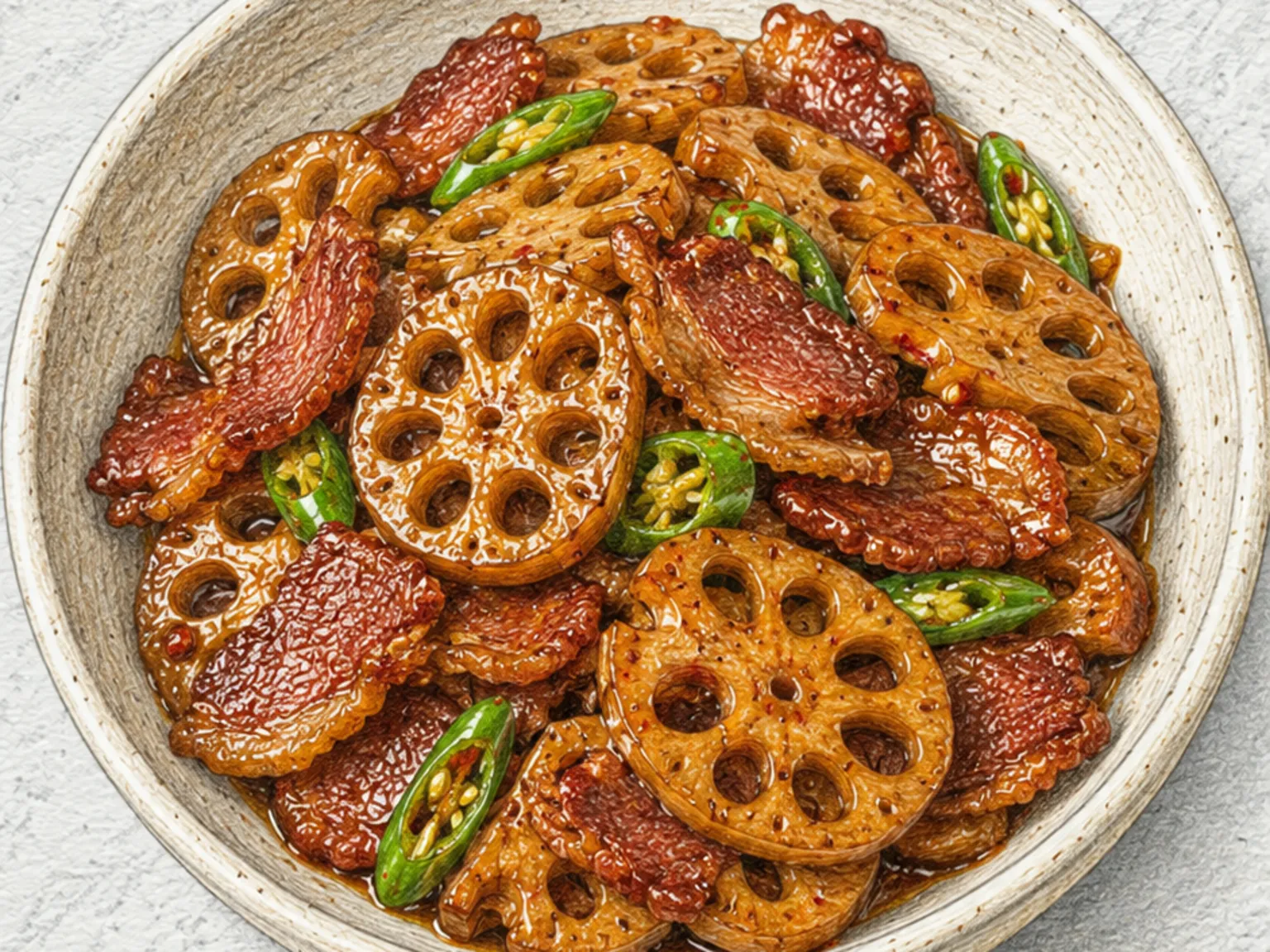
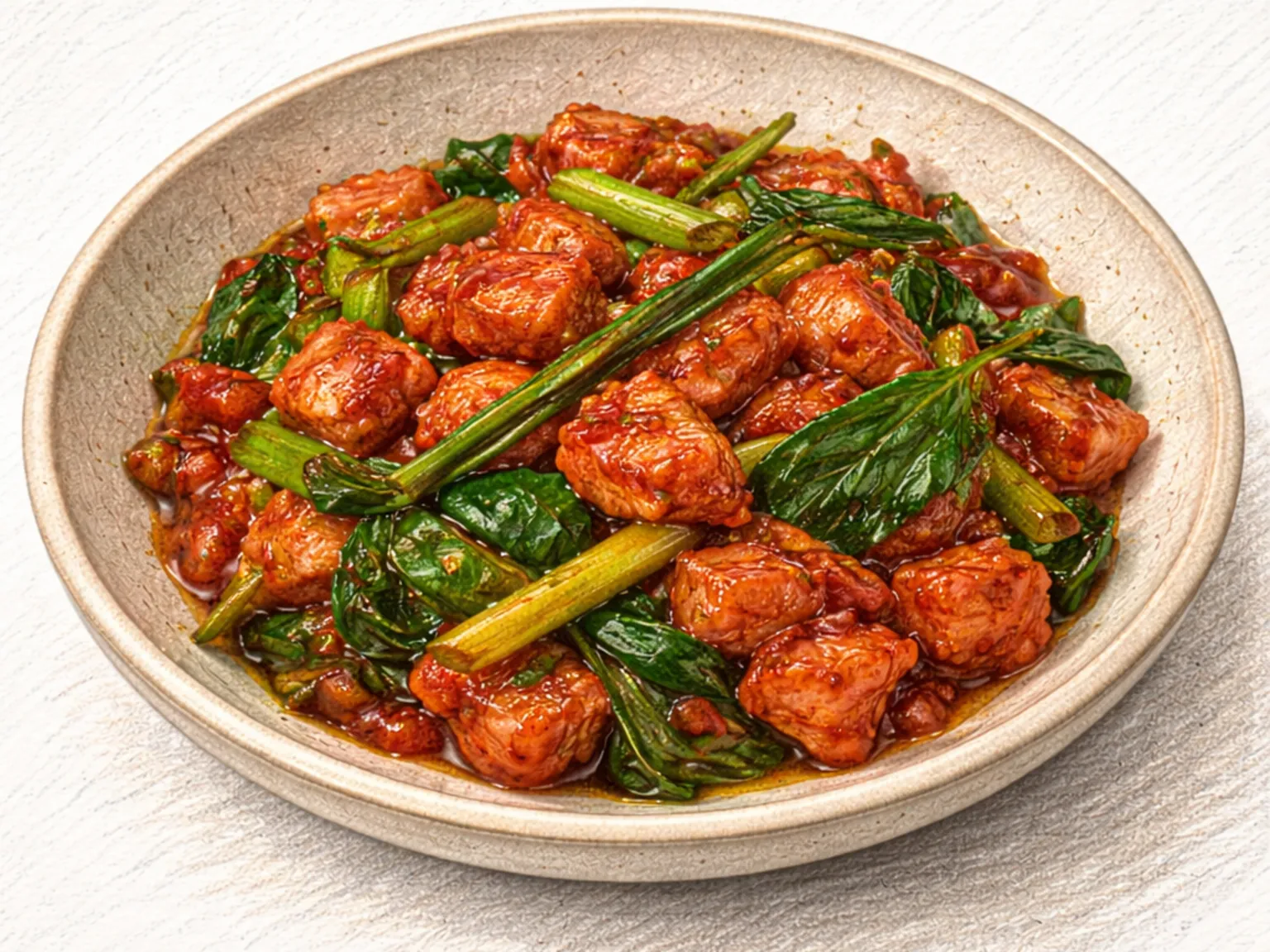
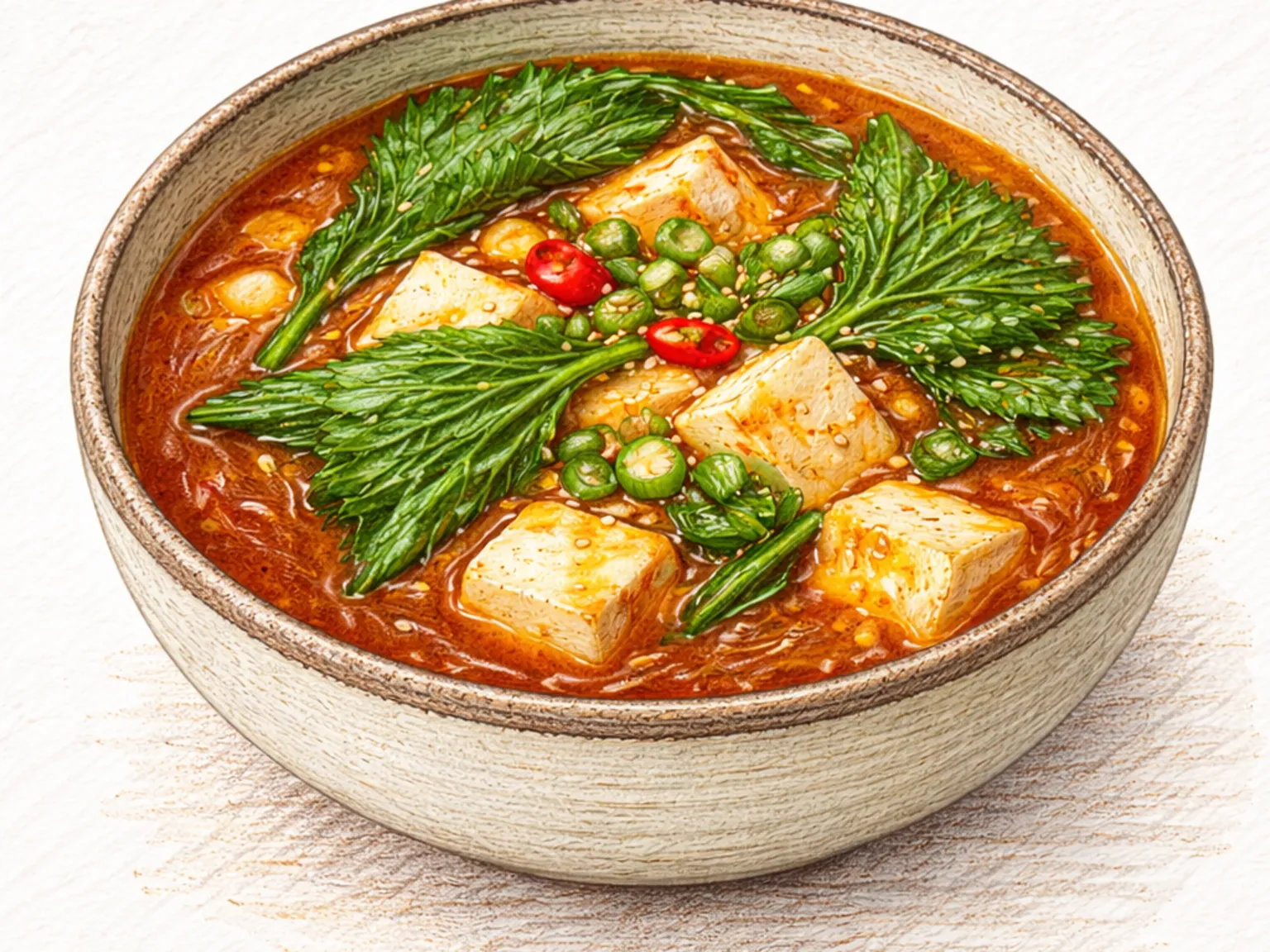
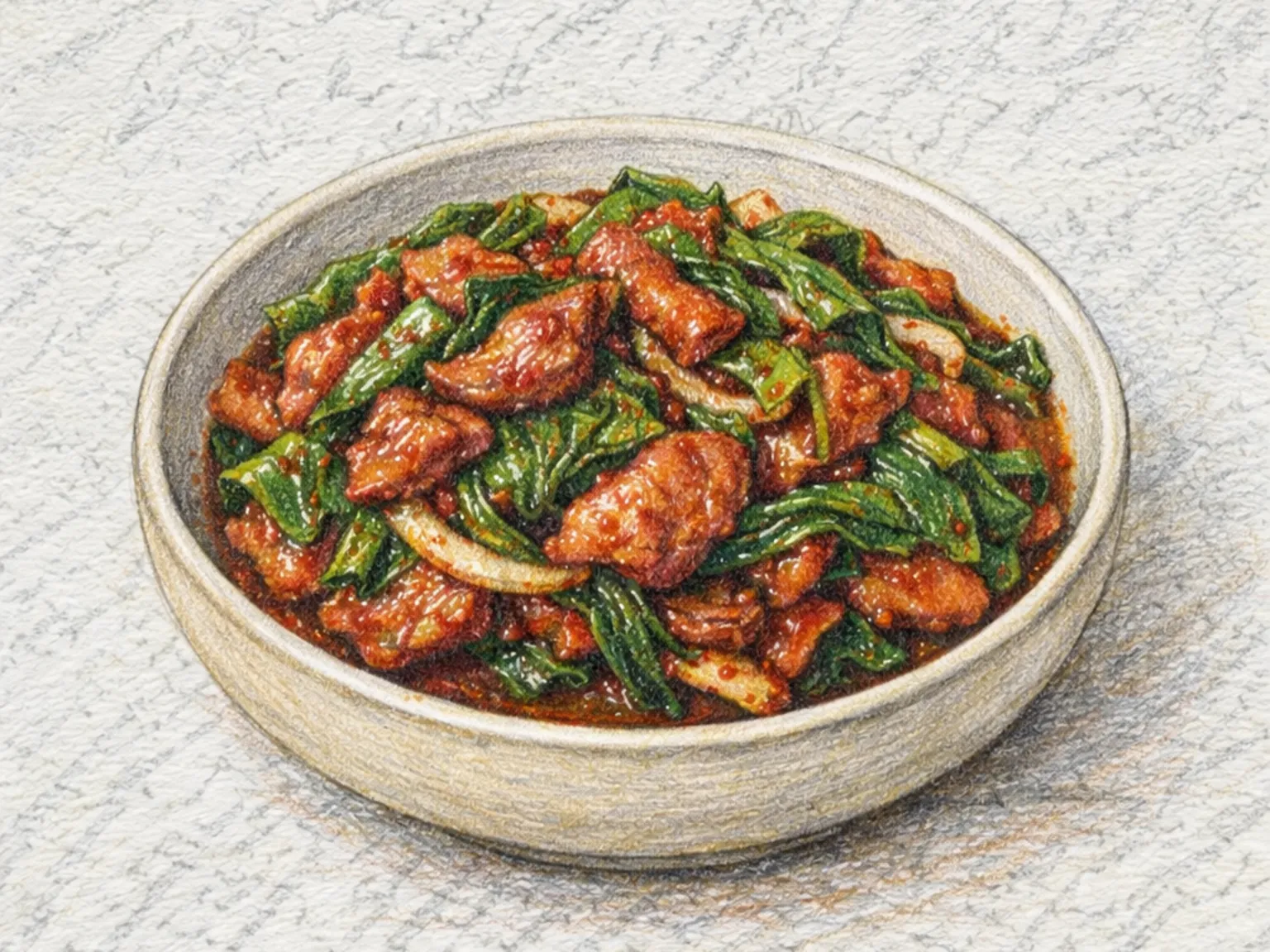
Kkaennip ori bokkeum is a stir-fry of smoked duck slices cooked with onion and Cheongyang chili in a sauce of gochujang, soy sauce, and plum syrup, finished with shredded perilla leaves and perilla oil just before serving. The rendered duck fat forms the cooking base and imparts a meaty depth to the sauce. Gochujang's heat, the plum syrup's bright sweetness, and the perilla's herbal fragrance layer together to complement the smokiness of the duck. A pinch of black pepper at the end adds a sharp finish.
Adjust Servings
Instructions
- 1
Slice onion, and thinly slice Cheongyang chili and perilla leaves.
- 2
Mix gochujang, soy sauce, plum syrup, and minced garlic to make sauce.
- 3
Stir-fry smoked duck in a hot pan to render some fat.
- 4
Add onion and chili, cook 2 minutes, then add sauce.
- 5
Cook 2 more minutes over medium heat so sauce coats evenly.
- 6
Just before turning off heat, add perilla leaves, perilla oil, and pepper.
As an Amazon Associate, we may earn from qualifying purchases.
Tips
Nutrition (per serving)
More Recipes

Korean Spicy Duck Stir-fry
Ori-jumeulleok is a Korean spicy duck stir-fry where sliced duck is hand-massaged with a marinade of gochujang, gochugaru, soy sauce, garlic, and sesame oil, then rested for fifteen minutes before hitting a hot pan with onion. The duck renders its own fat as it cooks, creating a rich, glossy sauce without added oil. Once the meat is seared, perilla leaves go in at the very end - just long enough to release their peppery, herbal fragrance without wilting completely. The result is a dish with deep, concentrated heat from the marinade balanced by the aromatic lift of perilla, all carried on the duck's naturally rich fat.

Korean Mushroom Perilla Seed Stir-Fry
Three varieties of mushroom, shiitake, enoki, and oyster, are stir-fried on high heat until their moisture evaporates, then coated in ground perilla seed powder that releases a wave of nutty fragrance the moment it hits the hot pan. Each mushroom contributes a distinct texture: shiitake offers a firm chew, enoki brings delicate strands, and oyster adds thick, meaty bites. The perilla powder should be added only in the final minute of cooking; longer exposure to heat turns its oils acrid rather than aromatic. Soy sauce and a pinch of salt adjust the seasoning, while a finishing drizzle of sesame oil rounds off the dish with a gentle richness. At around 90 calories per serving, it works as an everyday side without weighing down the meal, and the unsaturated fats in perilla seeds add nutritional value beyond what the low calorie count might suggest.

Korean Garlic Chive Duck Stir-fry
Sliced smoked duck is cooked first to render its fat, and that rendered fat becomes the cooking medium for onion, oyster mushrooms, and a gochujang-based sauce. Because the duck releases enough oil on its own, additional cooking fat is barely needed, and the smoky flavor trapped in the rendered fat transfers directly into the vegetables. The gochujang and oligosaccharide syrup create a sweet-spicy glaze that counterbalances the richness of the duck, while garlic chives are tossed in only during the final minute over high heat so they keep their vivid green color and bright herbal finish. Perilla oil drizzled after the flame is off adds a final aromatic layer that elevates the entire plate. If the duck releases more fat than desired, pouring off all but one tablespoon keeps the dish cleaner without sacrificing flavor.

Korean Perilla Leaf Tofu Stir-fry
Kkaennip dubu bokkeum is a side dish of firm tofu cubes pan-fried until golden, then seasoned with soy sauce, onion, and garlic before being tossed with chiffonaded perilla leaves and ground perilla seeds at the end. The tofu develops a lightly crisp shell that absorbs the soy seasoning while the interior stays soft. Perilla leaves contribute a distinctive herbal fragrance, and the ground perilla seeds add a nutty depth that elevates the dish beyond a basic tofu stir-fry. A final touch of sesame oil brightens the aroma.

Korean Stir-Fried Udon with Spicy Chicken
Gochujang-marinated chicken, cabbage, sweet potato, and rice cakes are stir-fried together before thick udon noodles join the pan and absorb the spicy-sweet sauce. The dakgalbi seasoning clings to the udon's broad surface, loading every bite with bold, smoky flavor. Cabbage and scallion wilt quickly in the high heat, releasing natural sugars that balance the chili paste's punch, while sweet potato chunks mellow the spice further with their starchy sweetness. Udon noodles, thicker than ramen or somyeon, stand up to the heavy sauce without going limp, delivering a satisfying chew throughout the meal. Melting a layer of cheese over the top just before serving adds a creamy, salty contrast to the heat. A sprinkle of sesame seeds and shredded seaweed finishes the dish. It scales well for groups sharing a large pan or griddle.

Korean Spicy Gochujang Dried Squid Stir-Fry
Jinmichae - shredded dried squid - is a Korean pantry staple prized for its chewy texture and umami that intensifies the longer you chew. This preparation coats the strands in a gochujang glaze, making it one of the most widely kept banchan in Korean refrigerators. Briefly soaking the dried squid in water before squeezing softens the tough fibers and opens them to absorb the sauce. The sauce - gochujang, gochugaru, rice syrup, soy sauce, and garlic - is stir-fried first over low heat to mellow the raw chili edge, then the squid is tossed through quickly. Sesame oil and seeds finish the dish off heat, producing a sweet-spicy coated snack that keeps well for days.