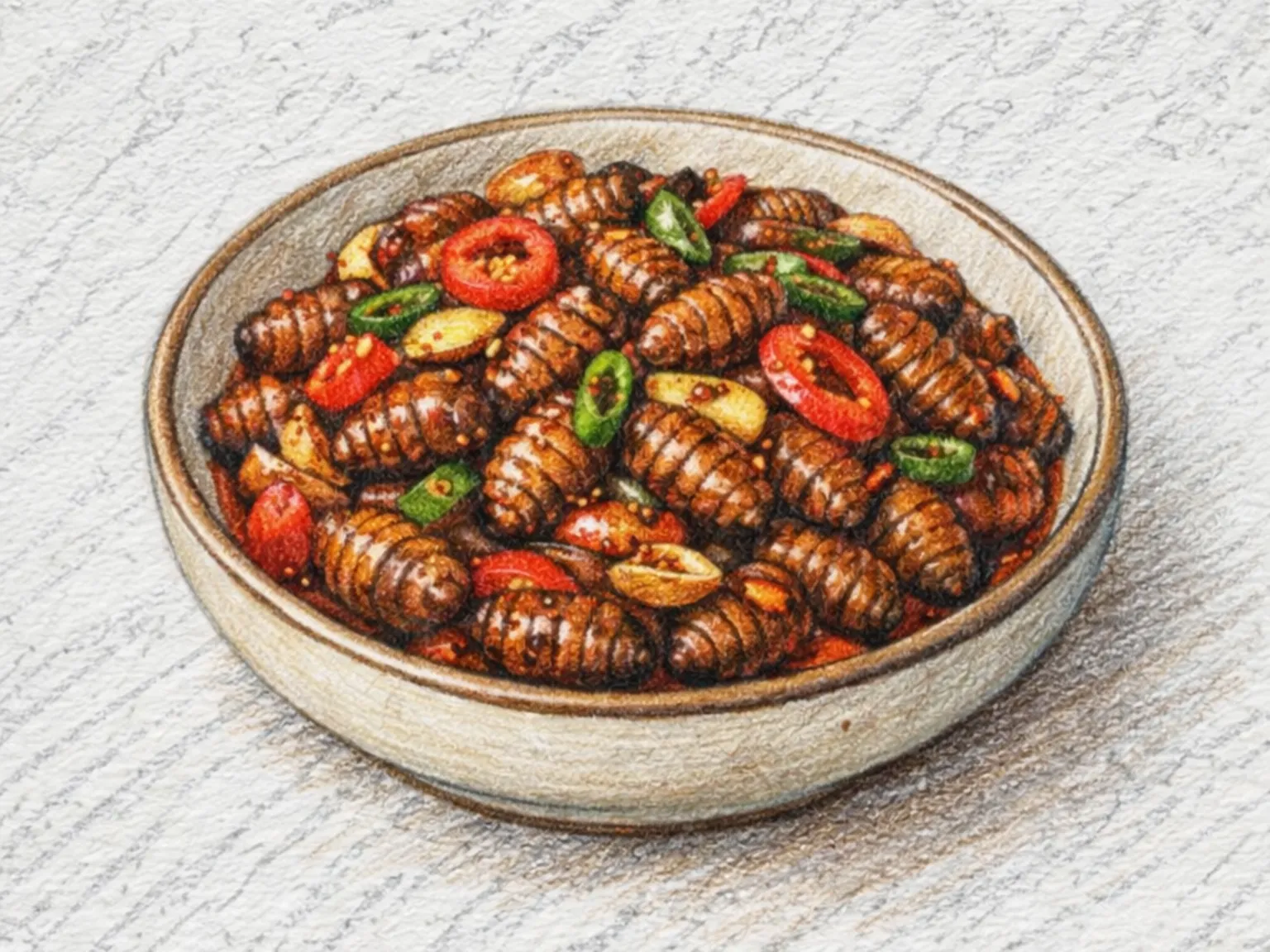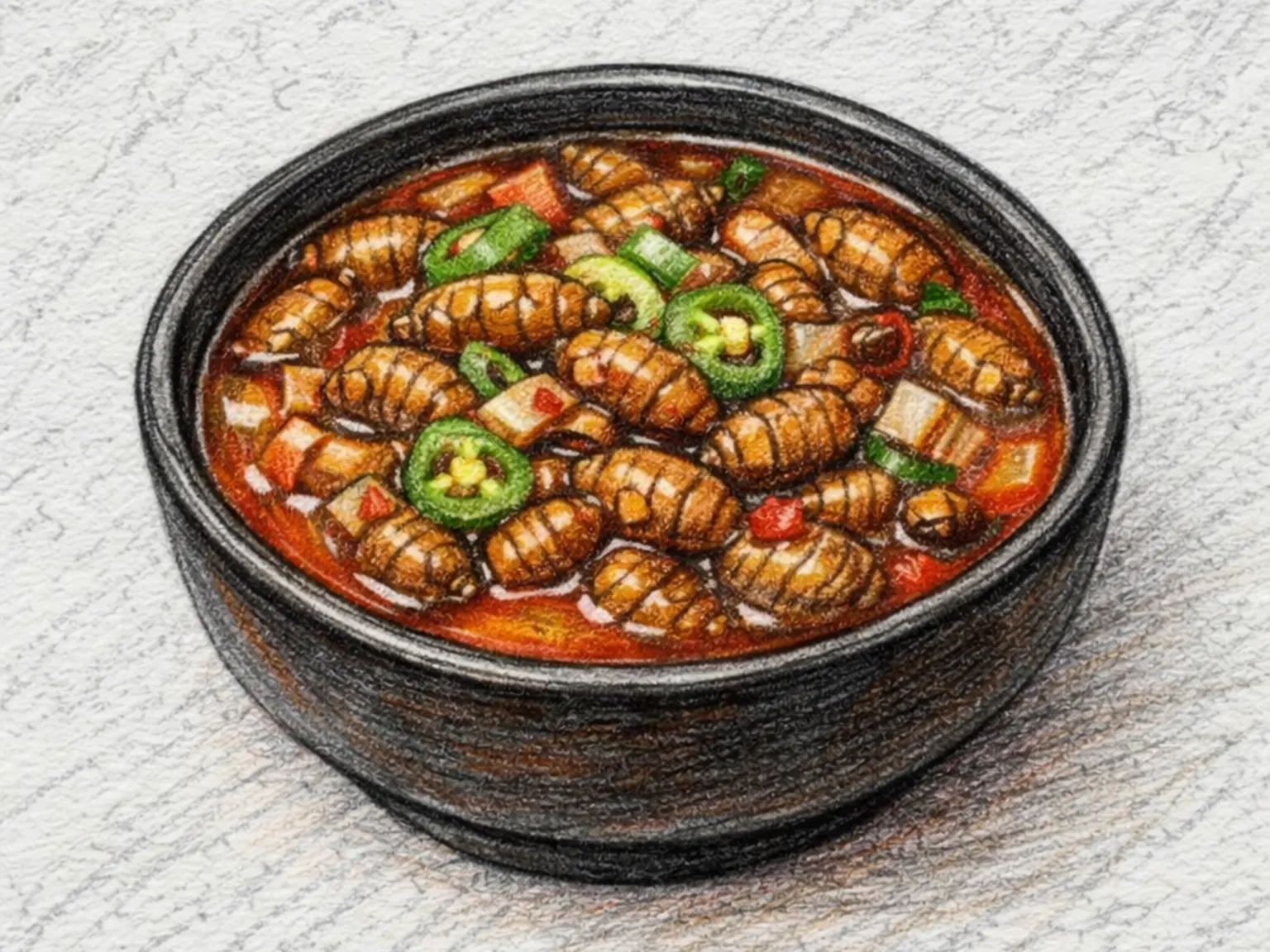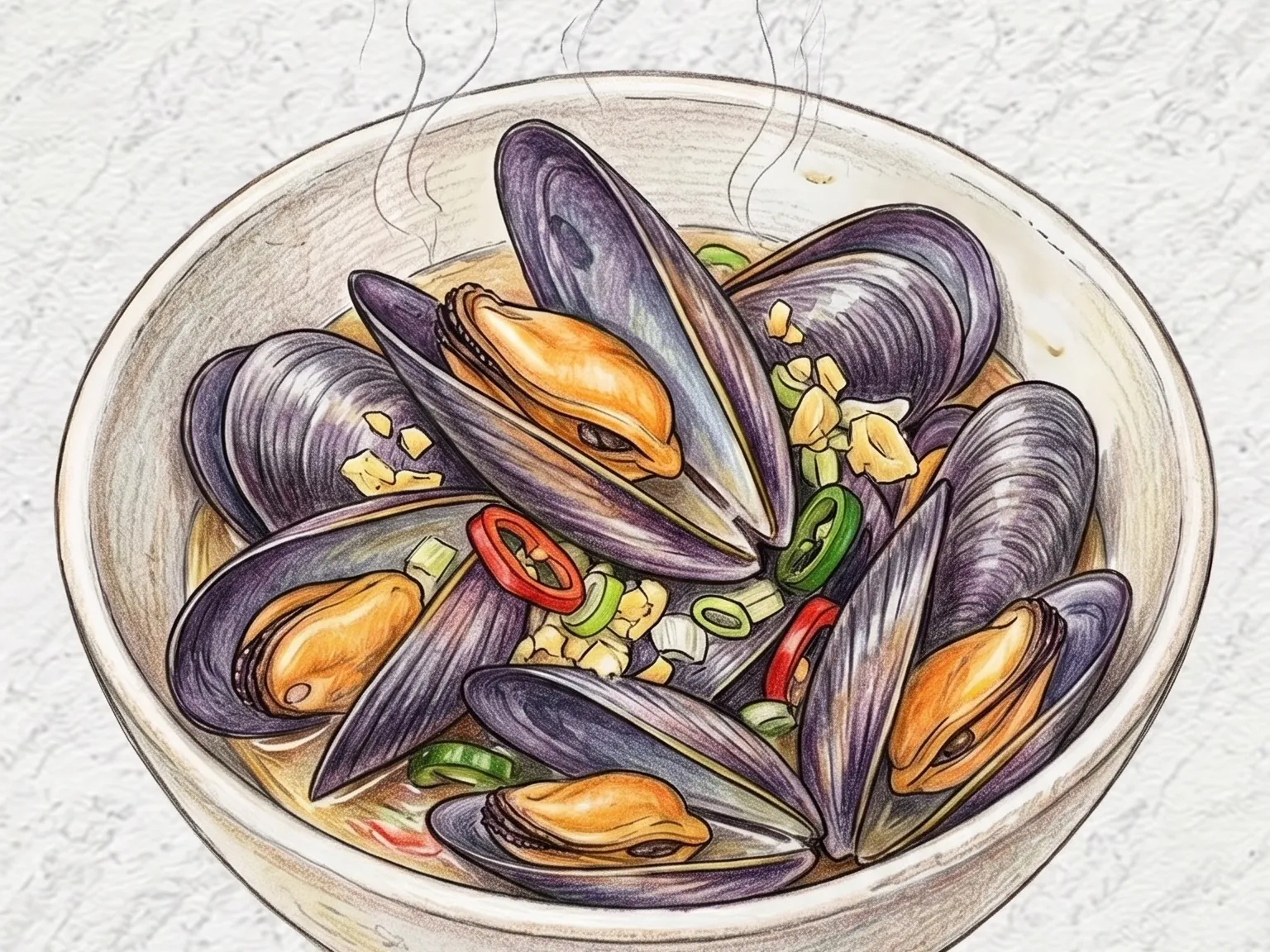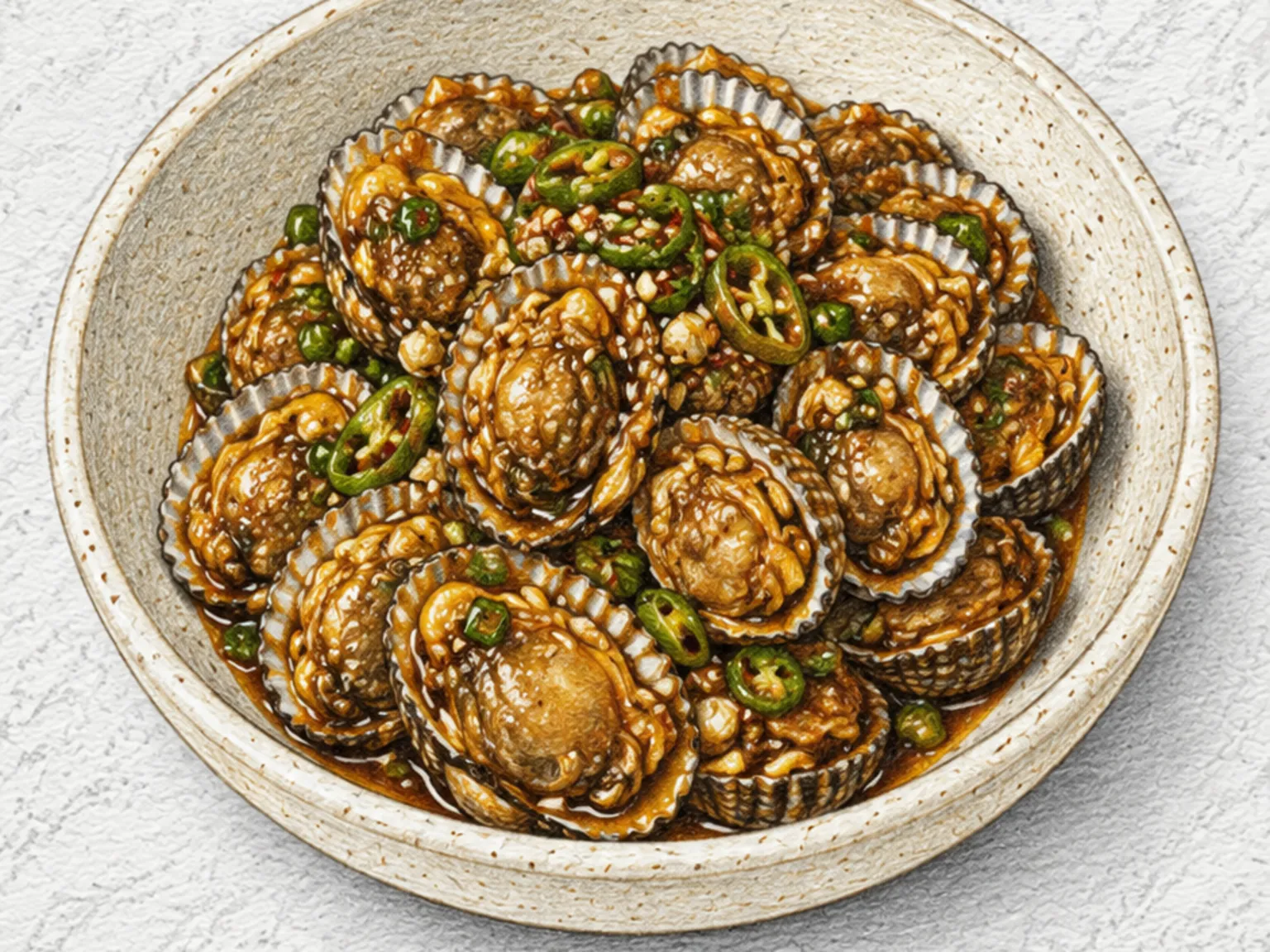
Korean Soy Braised Cockles
Kkomak jorim is a braised cockle side dish made by briefly blanching purged cockles just until their shells open, then simmering them in a sauce of soy sauce, garlic, sugar, Cheongyang chili, and scallion. The cockles' briny ocean flavor and chewy bite meet the sweet-salty soy glaze to produce concentrated umami. Keeping the braise short - five to six minutes - is critical, as cockles turn rubbery with prolonged cooking. Sesame oil drizzled off the heat adds a nutty finish, and spooning the sauce over rice makes a simple but satisfying meal.
Adjust Servings
Instructions
- 1
Purge cockles in salted water, then scrub shells clean.
- 2
Blanch cockles in boiling water just until shells open.
- 3
Make braising liquid with soy sauce, water, garlic, sugar, chili, and scallion.
- 4
Simmer the cockles in the sauce over medium heat for 5-6 minutes.
- 5
Finish with sesame oil off the heat.
As an Amazon Associate, we may earn from qualifying purchases.
Tips
Nutrition (per serving)
More Recipes

Korean Soy-Braised Deodeok Root
Deodeok-jorim is mountain root braised in soy sauce, rice syrup, garlic, and sesame oil. The root's distinctive bitter-herbal aroma softens as the sweet-salty glaze coats it during simmering, while the interior stays dense and slightly chewy. A single green chili adds a quiet heat at the finish, and sesame seeds scattered on top bring a toasted nuttiness. It is a banchan that preserves the wild, earthy character of foraged deodeok and pairs naturally with other vegetable side dishes on a Korean table.

Korean Braised Butterfish
Silky butterfish braised in soy-gochugaru sauce on a bed of radish - a lean, protein-rich Korean main course at just 330 calories. The radish serves a dual purpose: it prevents the delicate fish from sticking to the bottom of the pot, and it absorbs the braising liquid as it cooks, turning into a side dish in its own right with a sweet, savory depth. Butterfish flesh is exceptionally soft, so the fillets should never be flipped during cooking; instead, the braising liquid is spooned over the top every few minutes to ensure even heat distribution. Ginger works from the start of cooking to neutralize any fishiness, while gochugaru introduces a mild heat that adds complexity without masking the clean taste of the fish. Scallion pieces dropped in during the final two minutes release their fragrance into the steam rising from the pot, tying the aromatics together. At 330 calories and 31 grams of protein, this is a lean yet nourishing main course that pairs naturally with steamed rice and a simple vegetable side.

Korean Soy-Braised Rockfish
Ureok-jorim is a Korean soy-braised rockfish simmered with Korean radish, gochugaru, garlic, and rice wine. The radish goes in first and softens in the braising liquid before the cleaned whole fish is placed on top and basted with sauce over medium heat for ten minutes. Rice wine neutralizes any fishiness, while the radish absorbs the salty braising liquid and releases its own sweetness to balance the seasoning naturally. The rockfish flesh stays mild and flakes in soft layers, with gochugaru lending a gentle warmth to the overall dish.

Korean Soy Braised Eggplant
Gaji-jorim is a Korean braised eggplant dish simmered in soy sauce until the flesh is thoroughly tender and saturated with seasoning. The sweet-salty sauce permeates evenly through the eggplant as it cooks down. A finishing drizzle of sesame oil and a sprinkle of sesame seeds add a nutty aroma to each serving. Despite using only eggplant as the main ingredient, the slow braising concentrates the flavors into a compelling rice accompaniment.

Korean Braised Shiitake Mushrooms
Pyogo-beoseot-jorim braises whole shiitake mushrooms in soy sauce with oligosaccharide syrup and minced garlic over low heat until glossy. The mushrooms' natural umami intensifies as they absorb the soy-based braising liquid, while the syrup caramelizes into a lacquer-like sheen on the surface. Each mushroom releases a burst of salty-sweet juice when bitten. A finishing touch of sesame oil and toasted sesame seeds adds a layer of nuttiness to the earthy base.

Korean Braised Kelp Strips
Dasima jorim transforms dried kelp - a stock ingredient - into a glossy, chewy banchan through slow braising. Soaked until pliable, cut into strips, then simmered in soy sauce, rice syrup, cooking wine, and garlic for 15 minutes. As liquid reduces, it thickens into a lacquer-like glaze coating each strip. The texture falls between gummy and al dente - springy with a clean chew. This banchan keeps well for days, improving as seasoning penetrates the dense seaweed fibers.