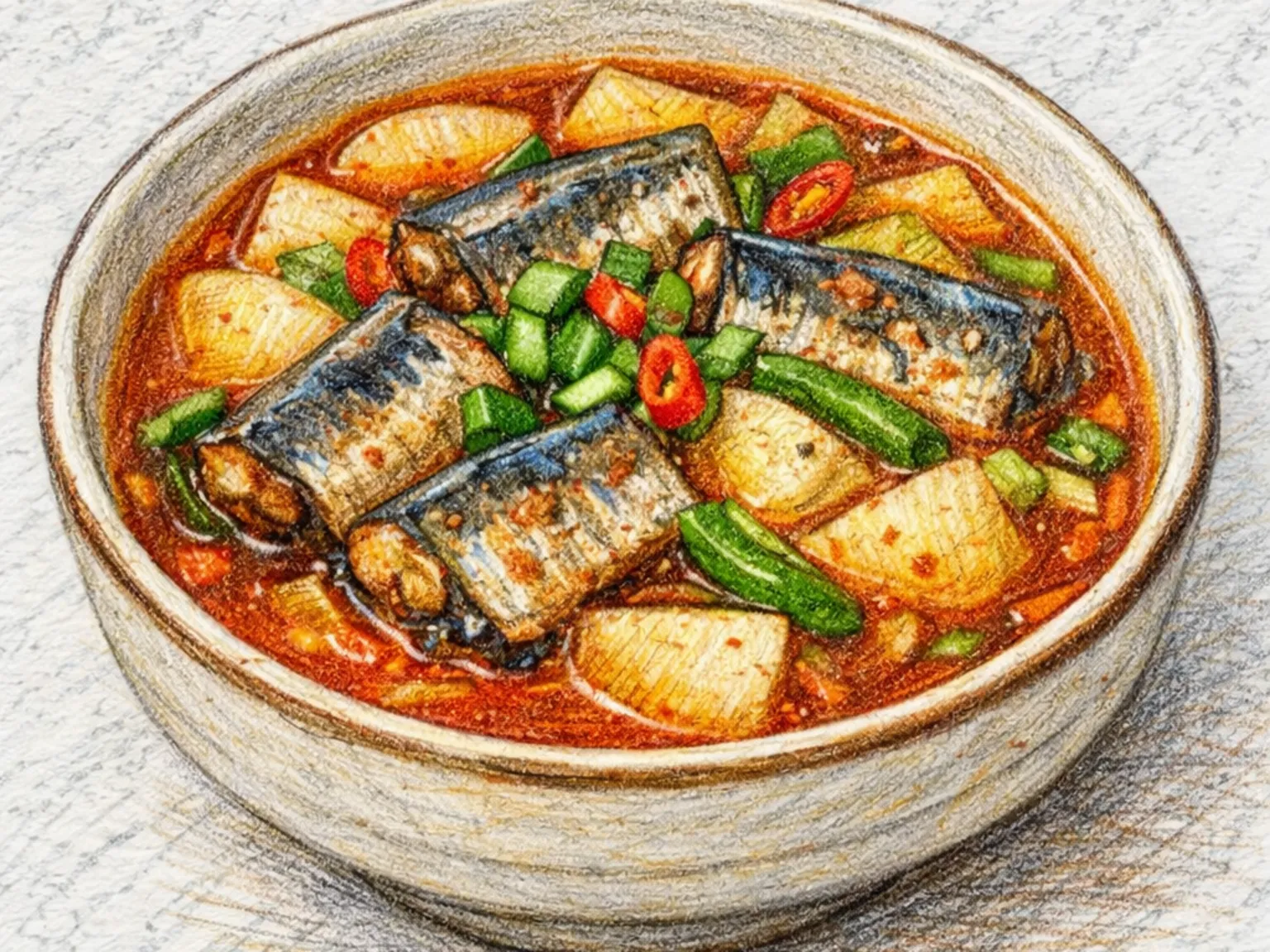
Korean Pacific Saury Stew
Kkongchi jjigae is a budget-friendly Korean stew built around a single can of saury, making it one of the simplest jjigae to prepare. Korean radish and onion simmer alongside the fish, soaking up its bold, oily flavor. A half-tablespoon of doenjang tames any fishiness while adding fermented depth, and gochugaru brings the characteristic spicy kick. With everyday pantry staples and minimal prep, this stew delivers a full-flavored meal in under 30 minutes.
Adjust Servings
Instructions
- 1
Slice radish and onion thickly, and slice green onion diagonally.
- 2
Boil radish and onion in water for 8 minutes first.
- 3
Dissolve chili flakes, doenjang, and garlic into the broth.
- 4
Add saury with the can liquid and simmer for 10 minutes.
- 5
Baste fish with broth and cook 5 more minutes.
- 6
Add green onion and simmer for 1 final minute.
As an Amazon Associate, we may earn from qualifying purchases.
Tips
Nutrition (per serving)
More Recipes

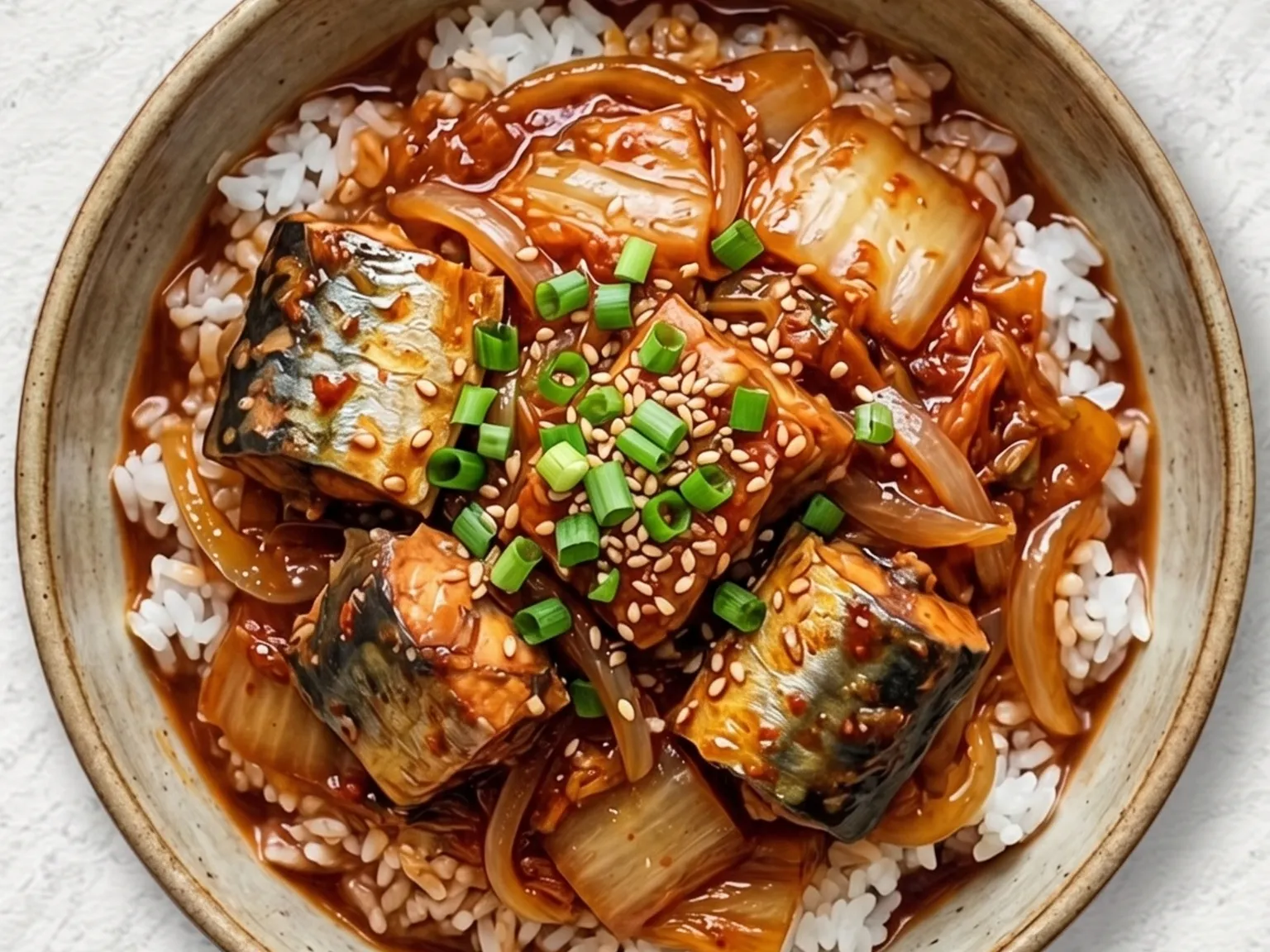
Korean Braised Saury Kimchi
Kkongchi-kimchi-jjim is a Korean braise of canned Pacific saury and well-aged kimchi simmered together until the flavors meld into a concentrated, tangy broth. The aged kimchi's deep acidity and fermented complexity dissolve into the saury's natural oils, building a rich sauce without any additional stock. Adding tofu lets the cubes soak up the spicy liquid, and green onion with cheongyang chili finishes the dish with a sharp kick of heat. Using canned fish keeps preparation minimal, while the aged kimchi does the heavy lifting to create a flavor that tastes like it has simmered for hours.

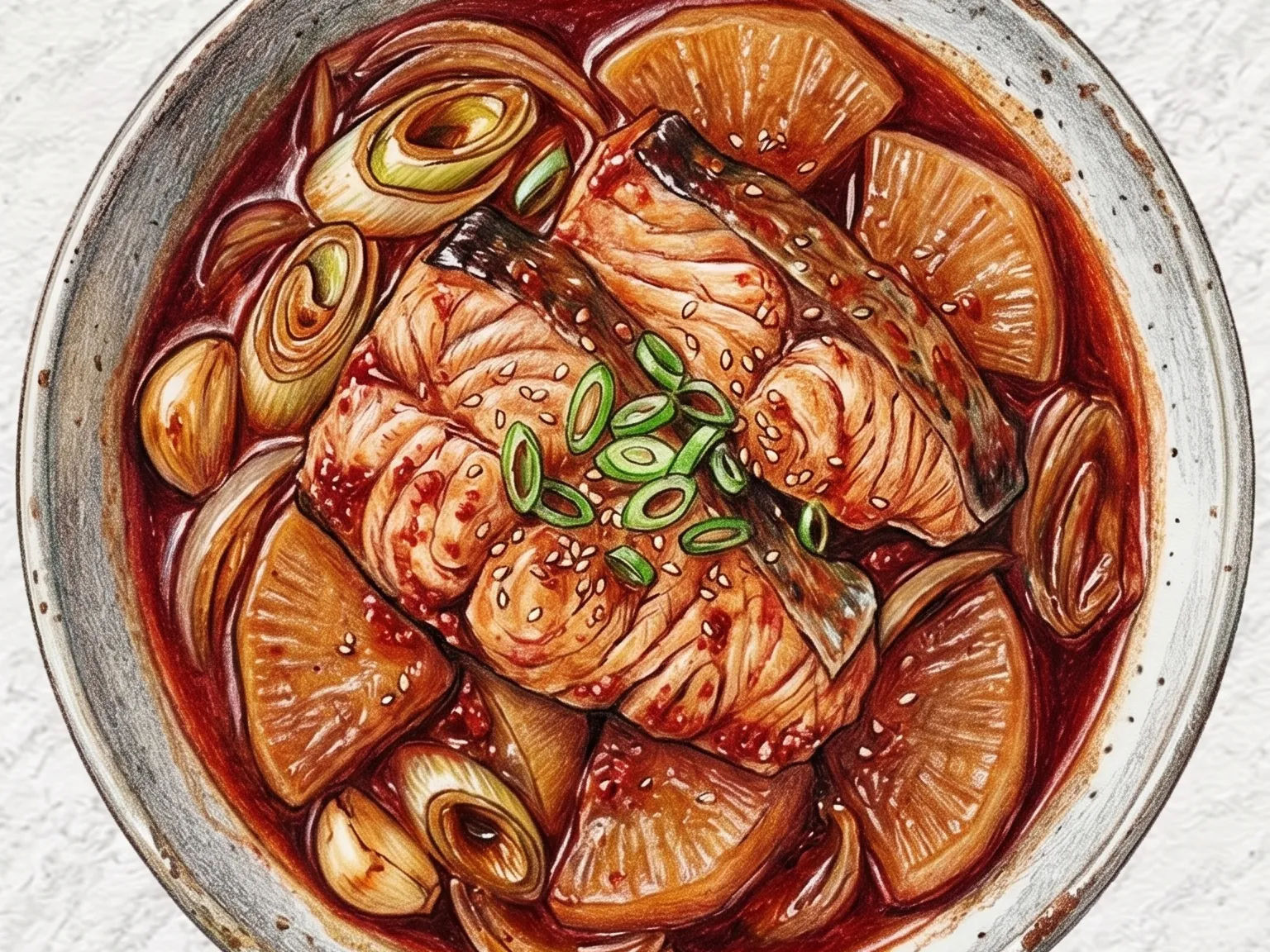
Korean Semi-Dried Pollock Radish Stew
Kodari mu jjigae stews 700g of semi-dried pollock with Korean radish in rice-rinse water, a traditional technique that adds a subtle starchy richness to the broth. The pollock's firm, chewy flesh holds up well during simmering and absorbs the gochujang and gochugaru seasoning deeply. Radish balances the heat with its natural sweetness as it softens in the spicy liquid. Cheongyang chilies add a final kick, making this a warming stew that pairs exceptionally with a bowl of hot rice.

Korean Spicy Fish Stew (Mackerel in Chili-Radish Broth)
Saengseon jjigae is a spicy Korean fish stew made with mackerel or beltfish cut into chunks, simmered alongside daikon radish and zucchini. Gochujang, gochugaru, soy sauce, and garlic build a bold, peppery broth in an anchovy stock base. The radish neutralizes any fishiness while adding natural sweetness to the soup. Picking the flaky fish off the bone and eating it with spoonfuls of the fiery broth over rice is the traditional way to enjoy it.

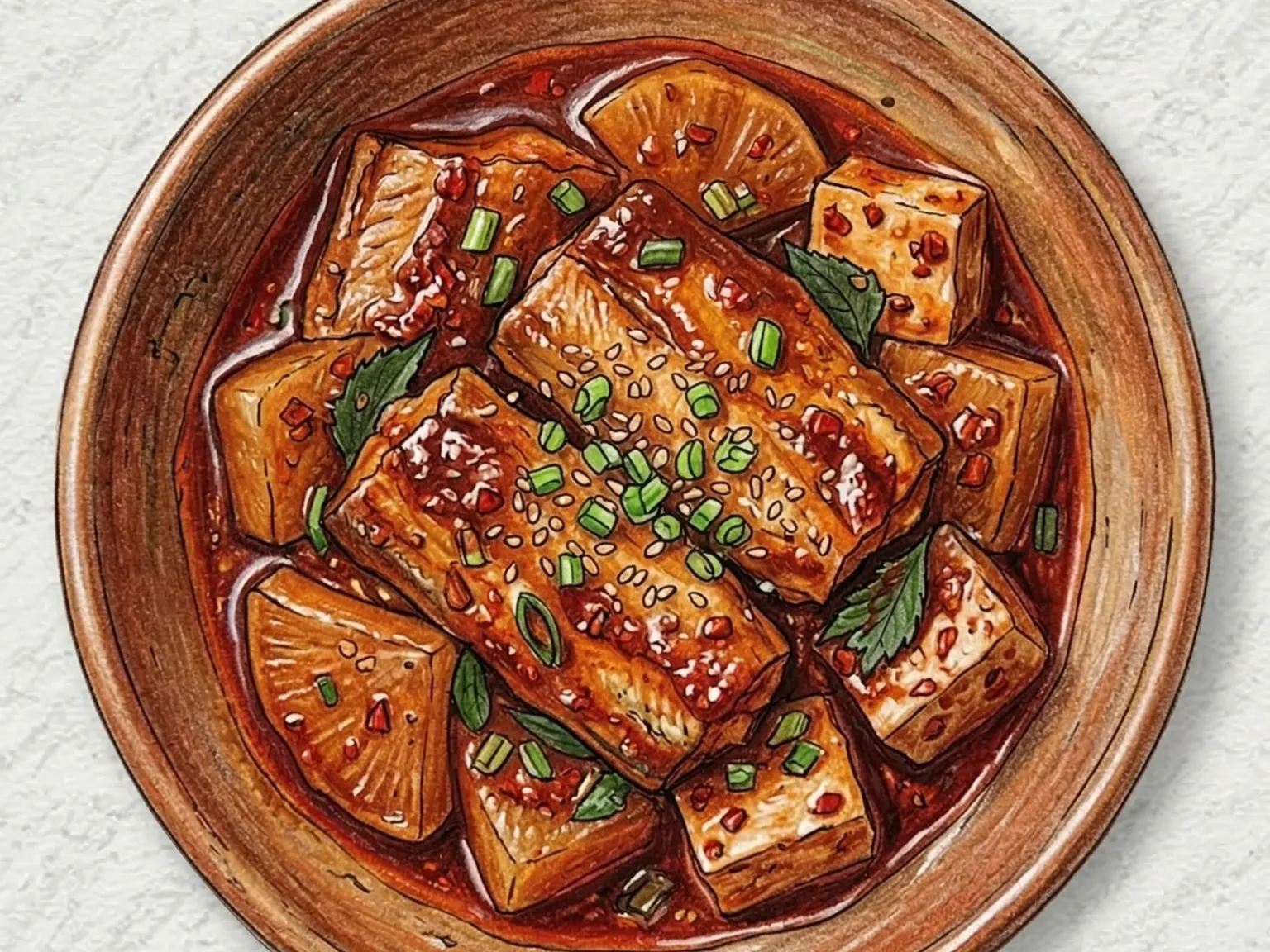
Korean Steamed Pacific Saury
Kkongchi-jjim is a Korean braised Pacific saury cooked with Korean radish, onion, and green onion in a gochugaru and soy sauce broth. The saury's naturally oily flesh pairs well with the bold spice, and the radish softens in the braising liquid while drawing out any fishiness. Garlic and ginger clean up the broth's flavor, and the chili heat stimulates the appetite without overwhelming the fish. The remaining sauce, spooned over rice, is often the best part of the meal - a humble but deeply satisfying home-cooked fish dish.

Korean Godeungeo Mu Jjigae (Mackerel Radish Stew)
This stew pairs mackerel fillets with Korean radish in a spicy broth. The oily mackerel releases its rich fats into the soup, while 350 grams of radish tempers any fishiness and adds a clean, cooling undertone. Gochugaru and gochujang bring the heat, and soup soy sauce ties the seasoning together. The radish slices soften as they cook, soaking up the spicy fish broth - a classic Korean home-cooking combination.

Korean Monkfish Spicy Stew
Bold, spicy, and deeply savory -- this Korean monkfish stew delivers a thick, gochugaru-laced broth with chunks of gelatinous monkfish, crunchy bean sprouts, and fragrant minari. Radish cooks first in plain water, building a sweet base. Gochugaru and a small amount of doenjang are stirred in - the doenjang quietly neutralizes any fishiness while adding a fermented undertone the radish absorbs. The monkfish simmers until just cooked through, its gelatinous flesh holding together in large pieces. Bean sprouts add crunch and volume, and water dropwort - minari - enters last, wilting in the residual heat with its distinctive herbal fragrance. The broth is cloudier and thicker than a clear tang, with enough substance to eat as a main course. On a cold evening, this stew with a bowl of rice constitutes a complete and warming meal.