Charim

2686 Korean & World Recipes

2686+ Korean recipes, clean and organized. Ingredients to instructions, all at a glance.

Korean Kkul Tarae Honey Threads

Korean Kkul Tarae Honey Threads

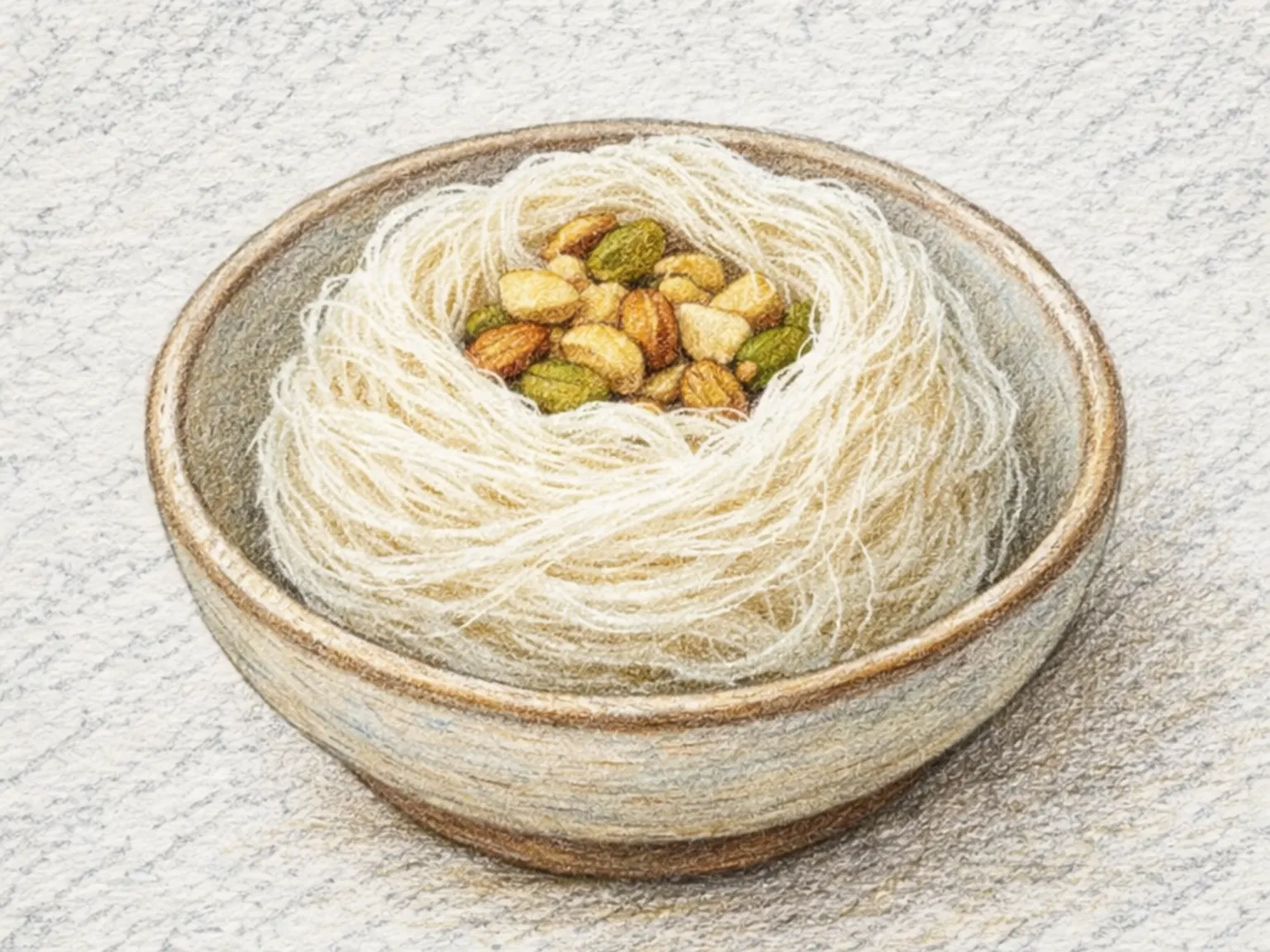
Kkul tarae is a traditional Korean confection made by boiling rice syrup, corn syrup, and sugar to between 115 and 125 degrees Celsius, cooling the candy ring, then repeatedly stretching and folding it with dustings of glutinous rice flour until thousands of hair-thin strands form. The finished thread bundle is filled with roasted peanut, almond, and black sesame powders mixed together, rolled up, and cut into bite-sized pieces. Temperature control during candy cooking is critical: below 115 degrees the syrup stays too pliable to hold shape, above 125 it hardens before you can work it. Each stretch-and-fold cycle doubles the strand count and makes the bundle progressively lighter and more cloud-like, so the final texture in the mouth is a slow, silky dissolve rather than a chew. High humidity causes the delicate strands to stick to one another, making rapid work in a dry environment essential. Near Gyeongbokgung Palace and other tourist areas in Seoul, vendors often demonstrate the stretching process live as part of the sale.

Prep 40min Cook 20min 4 servings

Adjust Servings

2servings
servings

Instructions

  1. 1

    Heat rice syrup, corn syrup, and sugar to about 125C over low heat.

  2. 2

    Cool until workable and shape into a ring.

  3. 3

    Dust generously with glutinous rice flour and repeatedly stretch and fold.

  4. 4

    Continue until many fine strands form.

  5. 5

    Mix peanut, almond, and black sesame powders for filling.

  6. 6

    Cut thread candy, fill with nut mix, and roll into bite-size pieces.

🛒Shop Ingredients on Amazon

As an Amazon Associate, we may earn from qualifying purchases.

Tips

If the ring hardens, microwave for about 5 seconds to soften.
Low humidity is important to prevent strands from clumping.

Nutrition (per serving)

Calories
290
kcal
Protein
5
g
Carbs
44
g
Fat
11
g

Goes Well With

Sweet Rice Punch (Traditional Korean Malted Barley Grain Drink)
DessertsMedium

Sweet Rice Punch (Traditional Korean Malted Barley Grain Drink)

Sikhye is a traditional Korean sweet rice punch made by steeping malted barley powder in lukewarm water, straining the liquid, adding cooked rice, and holding the mixture at around 60 degrees Celsius for one hour until the rice grains float to the surface. The amylase enzymes in the malt break down the rice starch, producing a distinctly malty, clear sweetness with grain depth that no sugar alone can replicate. Only the clear top liquid is used after settling -- discarding the sediment keeps the punch from turning cloudy. Simmering with sugar and sliced ginger for 20 minutes rounds the sweetness and adds a gentle, spiced warmth to the finish. Served well chilled with the reserved floating rice grains and pine nuts on top, the cold temperature sharpens the malty aroma and makes each sip crisp. Temperature control during the steeping stage is critical: if the mixture exceeds 70 degrees Celsius, the amylase denatures and the grains will not float, so keeping a steady 60-degree hold determines whether the preparation succeeds.

🎉 Special Occasion🧒 Kid-Friendly
Prep 20minCook 180min4 servings
Korean Dalgona Milk (Caramel Puffed Sugar Candy Milk)
DrinksMedium

Korean Dalgona Milk (Caramel Puffed Sugar Candy Milk)

Dalgona milk starts with melting sugar in a small pan over low heat until it reaches a deep amber color, then adding baking soda, which causes the hot caramel to foam and aerate instantly into a honeycomb-like structure. Once cooled, the puffed candy is crushed and dissolved into cold milk. The baking soda reaction is what gives dalgona its distinctive lightness: instead of a dense, hard caramel, the aerated structure makes it brittle and easy to break while also helping it dissolve quickly in the milk. The caramelized sugar delivers a deep, toasty sweetness with a slight bitterness at the edges, similar to butterscotch, that spreads through the milk as the pieces melt. A small amount of vanilla extract sharpens the flavor and a pinch of salt rounds it out. Keeping some crushed dalgona pieces separate and dropping them on top of the finished drink as a garnish adds a crunchy contrast to the creamy liquid beneath.

🍺 Bar Snacks🧒 Kid-Friendly
Prep 6minCook 4min2 servings
Korean Beef & Shiitake Japchae
Side dishesMedium

Korean Beef & Shiitake Japchae

Japchae originated as a Joseon royal court dish of stir-fried vegetables before sweet potato glass noodles were added to create the form recognized today. This version pairs glass noodles with soy-marinated beef and sliced shiitake mushrooms. Each component cooks separately: beef and mushrooms stir-fried with garlic, spinach blanched and squeezed dry, carrots and onions sauteed until just tender. A final toss with sesame oil brings everything together. The noodles should be translucent and springy, carrying a sweet-salty soy glaze into each forkful. A standard presence on every Korean holiday table at Chuseok, Seollal, and birthday celebrations alike.

🏠 Everyday🎉 Special Occasion
Prep 20minCook 18min4 servings
Korean Potato Ongsimi Kalguksu
NoodlesHard

Korean Potato Ongsimi Kalguksu

Gamja ongsimi kalguksu is a Gangwon-do regional noodle soup featuring two distinct components in one bowl: knife-cut wheat noodles and small potato dumplings called ongsimi. The dumplings are formed by grating raw potato, squeezing out as much moisture as possible, then binding the pulp with potato starch and rolling the mixture into small round balls. As the ongsimi cook in the simmering anchovy-kelp broth, their exterior firms up and turns translucent while the interior retains the starchy, floury character of cooked potato, creating a double texture in each individual piece. The broth itself is kept light and clean to let the natural potato flavor of the dumplings come through, with thinly sliced zucchini adding a subtle sweetness. Removing excess moisture from the grated potato before shaping is the critical step that determines whether the dumplings hold their form or dissolve into the broth. This dish originates from Gangwon-do's potato farming culture and represents one of the region's most beloved comfort foods.

🎉 Special Occasion
Prep 35minCook 30min4 servings

More Recipes

Korean Honey Bread Balls (Fried Yeast Dough Balls Glazed with Honey and Peanut)
Street foodMedium

Korean Honey Bread Balls (Fried Yeast Dough Balls Glazed with Honey and Peanut)

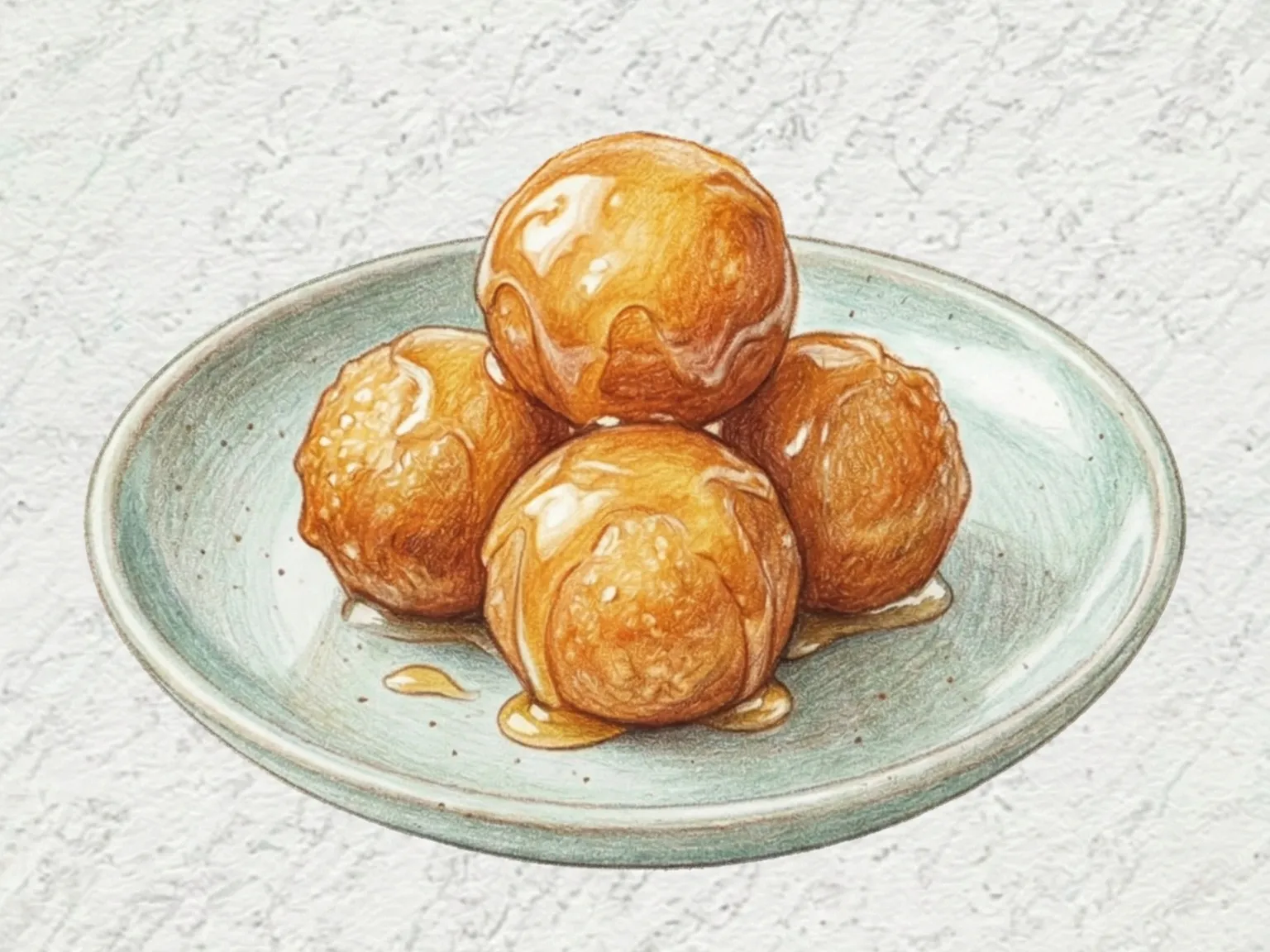
Kkul-ppang is a regional street snack from Tongyeong made by deep-frying yeast-leavened dough balls at 170 degrees Celsius until the outside firms into a thin, crisp shell. The fermentation process fills the interior with air pockets, producing a soft, bread-like crumb rather than the dense texture of unbaked dough. Whole dough is fried without any batter coating, which is what keeps the shell thin and crackly rather than puffy or thick. Immediately after frying, while still hot, the balls are brushed generously with warm honey so it soaks into the crust, then rolled in finely chopped peanuts for a layer of roasted nuttiness. Using rice syrup instead of honey softens the sweetness and brings the flavor closer to traditional Korean confectionery. Once cooled the shell stiffens and loses some of its snap, so these are best eaten fresh from the oil.

🧒 Kid-Friendly
Prep 25minCook 20min4 servings
Honey-Filled Rice Cakes (Steamed Glutinous Rice with Brown Sugar Syrup)
DessertsEasy

Honey-Filled Rice Cakes (Steamed Glutinous Rice with Brown Sugar Syrup)

Kkultteok are bite-sized Korean rice cakes made by kneading glutinous rice flour with hot water, wrapping each 20-gram round of dough around a filling of dark brown sugar, ground cinnamon, and chopped walnuts, then steaming for eight to ten minutes. After steaming, a light brush of sesame oil gives the surface a sheen and keeps the pieces from sticking together, and a final roll in roasted soybean powder adds a dry, nutty outer coating. Biting through the soft, chewy shell releases a pool of melted brown sugar syrup with cinnamon warmth, while the walnut fragments provide crunch against the sticky interior. The most critical step is pinching the dough seam shut as tightly as possible: if the seal fails during steaming, the molten brown sugar syrup leaks out and the rice cake ends up hollow and dry.

🎉 Special Occasion🧒 Kid-Friendly
Prep 25minCook 10min4 servings
Korean Sweet Pancake (Chewy Yeast Dough with Brown Sugar Cinnamon Filling)
Street foodMedium

Korean Sweet Pancake (Chewy Yeast Dough with Brown Sugar Cinnamon Filling)

Hotteok is a pan-fried Korean street snack made from yeast-risen dough blended with wheat flour and glutinous rice flour, stuffed with a filling of brown sugar, cinnamon powder, and chopped peanuts. The glutinous rice flour gives the dough a distinctly chewier bite than plain wheat dough, and the brown sugar filling melts into hot syrup during cooking as the dough presses flat against the pan. Flattening the ball with a spatula caramelizes the outer surface to a golden crust while the cinnamon-scented liquid pools inside. A variation called ssiat hotteok incorporates sunflower seeds and mixed grains into the filling, adding a nutty crunch alongside the sweet syrup. Proper fermentation of the dough is critical for a tender, elastic skin; pressing too thin risks the filling leaking onto the pan and burning. Street vendors serve hotteok straight off the griddle in a small paper cup, and the challenge is eating it before the syrup drips out.

🧒 Kid-Friendly
Prep 60minCook 15min4 servings
Korean Rice Puff Gangjeong
Street foodEasy

Korean Rice Puff Gangjeong

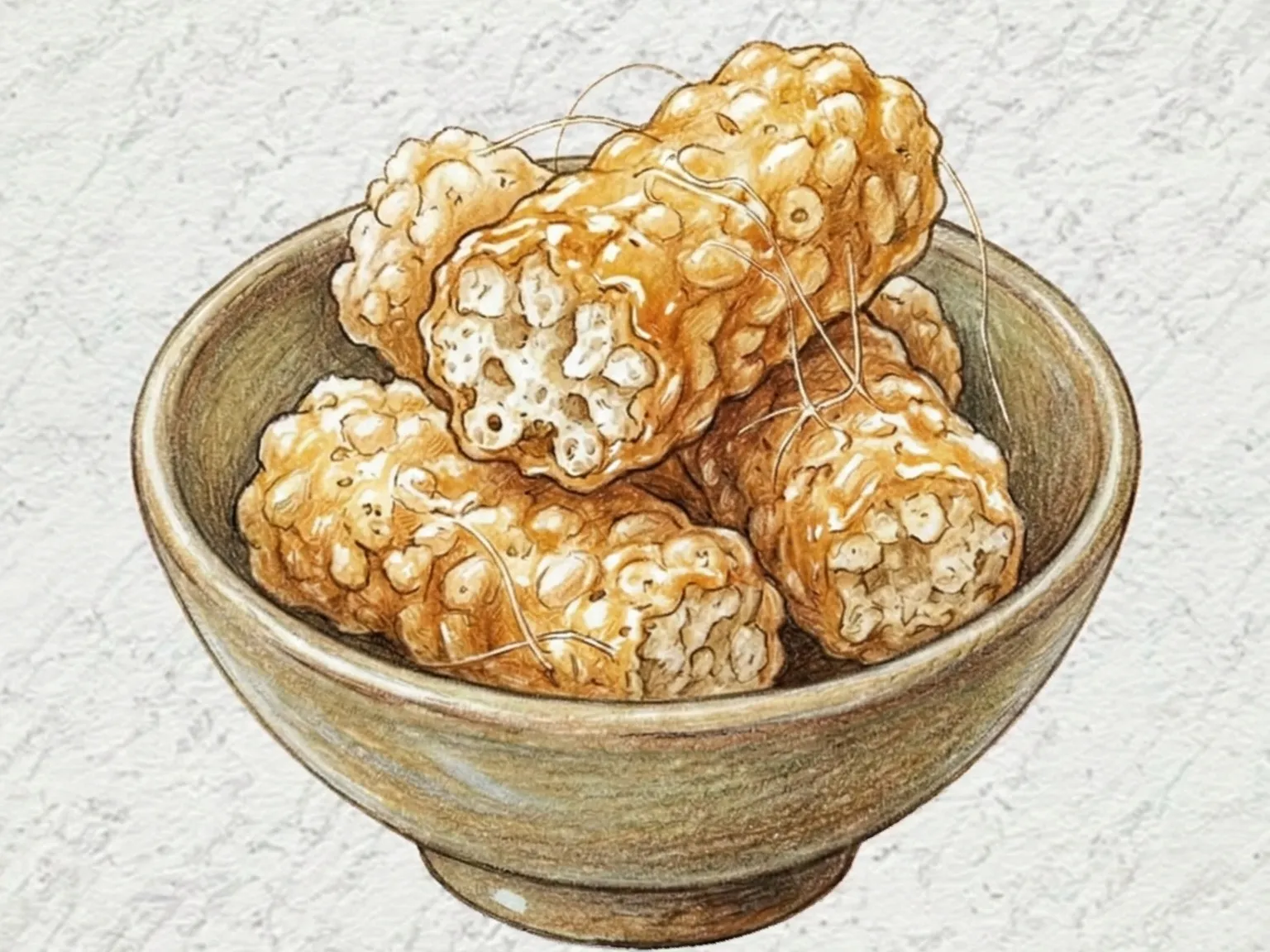
Ssal-gangjeong is a traditional Korean confection made by binding puffed rice, roasted peanuts, sunflower seeds, and black sesame in a syrup of rice malt and sugar, then pressing the mixture into a mold to set. Controlling syrup temperature is essential: heating too high makes the bars rock-hard once cooled, so stopping when the syrup forms soft threads keeps the final texture crisp yet breakable. The airy crunch of puffed rice contrasts with the firm bite of whole nuts, while black sesame adds a lingering toasty undertone. Scoring the slab before it fully cools produces clean cuts, and storing in an airtight container preserves the crispness for several days.

🧒 Kid-Friendly
Prep 20minCook 15min4 servings
Barley Puff Brittle (Korean Puffed Barley Walnut Sesame Candy)
DessertsMedium

Barley Puff Brittle (Korean Puffed Barley Walnut Sesame Candy)

Bori-gangjeong is a Korean barley puff brittle made by tossing puffed barley and roughly chopped walnuts with toasted sesame seeds in a syrup of rice malt, sugar, and honey cooked precisely to 118 degrees Celsius. Temperature is the deciding variable: below that threshold the brittle never fully sets and stays soft and sticky even when cool, while above it the result hardens into something that resists the teeth uncomfortably. Once the correct temperature is reached, the mixture must be worked quickly - the syrup sets fast. Sesame oil stirred in at the very end coats the barley in a layer of nutty fragrance that ties the toasty grain, the honey sweetness, and the dense crunch of walnut together. Scoring the slab while it is still pliable is essential: cuts made after the brittle fully sets tend to crack rather than slice cleanly, and the pieces lose their uniform shape. The deep sweetness of the rice malt syrup and the nuttiness of the barley combine into a straightforward but lingering flavor that keeps the hand returning to the plate.

🎉 Special Occasion🧒 Kid-Friendly
Prep 15minCook 20min4 servings
Saenggang Jeonggwa (Candied Ginger)
DessertsMedium

Saenggang Jeonggwa (Candied Ginger)

Saenggang jeonggwa is a traditional Korean candied ginger prepared by slicing fresh ginger thin, blanching it twice to reduce the raw heat, then simmering the pieces slowly in a glaze of sugar and grain syrup. A ten-minute soak in cold water draws out the sharpest bite first, and two rounds of boiling soften the pungency further while leaving the clean, aromatic core intact. The slices are cooked on low heat until the syrup reduces to a thick, glossy coat on the surface, at which point lemon juice is added to introduce an acidity that keeps the sweetness from becoming cloying. Once dried on a rack and rolled in granulated sugar, the finished pieces carry a crisp, crystalline shell on the outside. On the first bite, the sugar crust shatters, and the chewy, syrup-saturated ginger beneath releases a slow, building warmth that lingers well after the piece is finished.

🎉 Special Occasion🧒 Kid-Friendly
Prep 15minCook 45min4 servings
More Street food →