Charim

2686 Korean & World Recipes

2686+ Korean recipes, clean and organized. Ingredients to instructions, all at a glance.

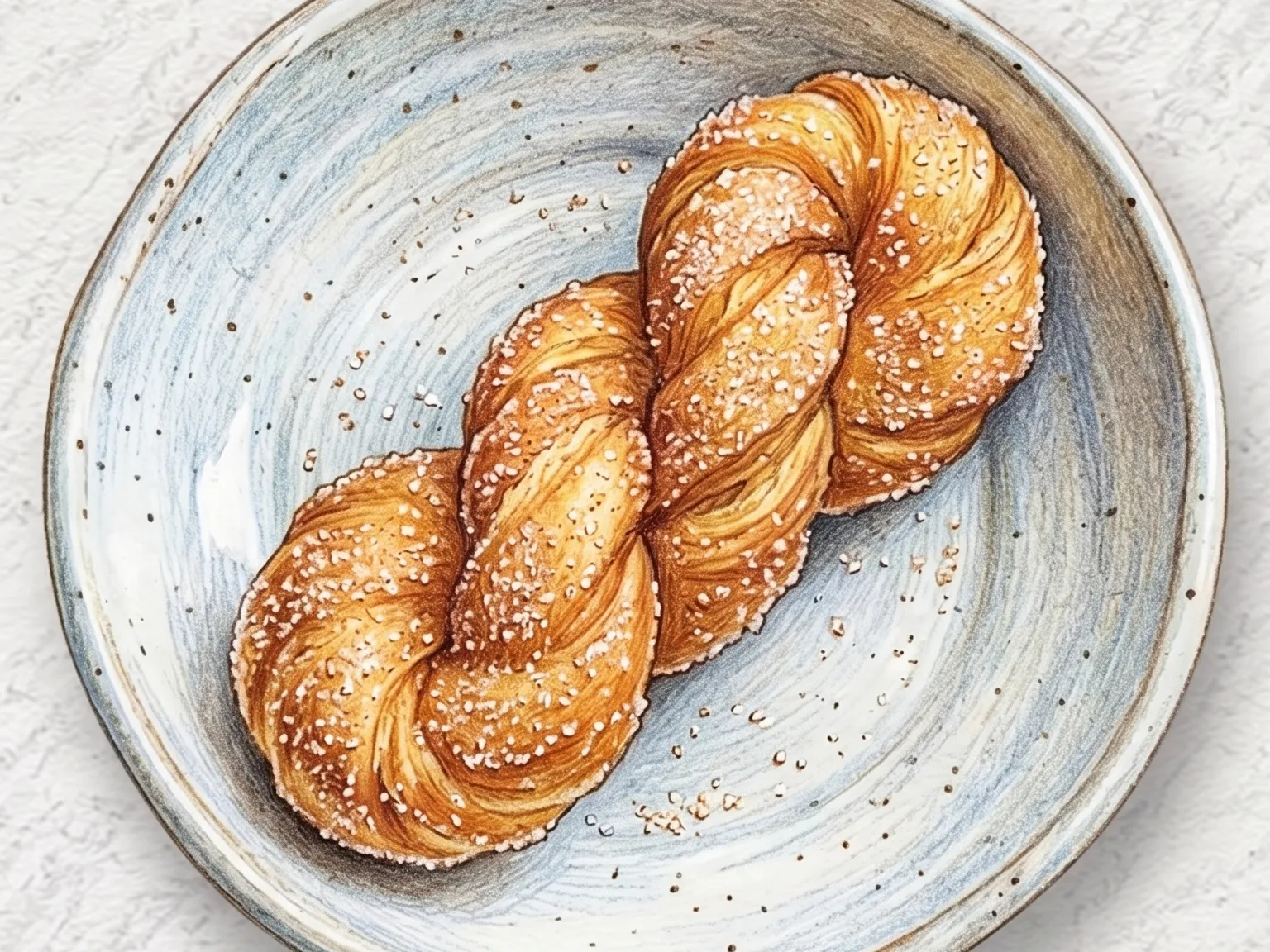
Korean Twisted Doughnuts (Chewy Double-Proofed Spiral Fried Doughnuts)

Korean Twisted Doughnuts (Chewy Double-Proofed Spiral Fried Doughnuts)

Flour dough enriched with egg, milk, and butter is kneaded, proofed for one hour, twisted into spiral shapes, proofed again for 30 minutes, then deep-fried at 170 degrees Celsius. The double proofing creates a chewy interior with enough air pockets to keep the texture light, and the sugar coating must be applied immediately after frying while the surface is still hot so it adheres firmly. The addition of butter gives these twisted doughnuts a richer, more fragrant taste compared to plain flour fritters. Fresh from the oil, the contrast between the thin, crisp exterior and the springy inside is what makes kkwabaegi worth eating on the spot.

Prep 90min Cook 15min 4 servings
Recipes by ingredient → flour egg milk butter

Adjust Servings

2servings
servings

Instructions

  1. 1

    Mix flour, yeast, sugar, salt, egg, milk into dough.

  2. 2

    Add butter and knead until smooth.

  3. 3

    Proof 1 hour, shape into long strips and twist.

  4. 4

    Proof 30 more minutes.

  5. 5

    Deep-fry at 170C until golden, coat in sugar immediately.

🛒Shop Ingredients on Amazon

As an Amazon Associate, we may earn from qualifying purchases.

Tips

Coat in sugar immediately while still hot for best adhesion.

Nutrition (per serving)

Calories
290
kcal
Protein
5
g
Carbs
42
g
Fat
11
g

Goes Well With

Korean Dalgona Coffee (Whipped Instant Coffee Foam Milk)
DrinksEasy

Korean Dalgona Coffee (Whipped Instant Coffee Foam Milk)

Dalgona coffee is made by whipping equal parts instant coffee, sugar, and hot water with a hand mixer for three to five minutes until stiff, caramel-colored peaks form, then spooning the foam over iced milk. The whipped layer carries a concentrated, bittersweet coffee flavor that gradually blends into the cold, neutral milk below as you stir. A light dusting of cocoa powder on top introduces a faint chocolate note, and increasing the sugar slightly helps the whipped cream hold its stiff structure longer.

🍺 Bar Snacks🧒 Kid-Friendly
Prep 8min2 servings
Cinnamon Rice Cake (Layered Korean Steamed Rice Cake)
DessertsMedium

Cinnamon Rice Cake (Layered Korean Steamed Rice Cake)

Gyepi-tteok is a layered Korean steamed rice cake made from non-glutinous and glutinous rice flours combined in the same batch. Water is added gradually and the mixture is rubbed by hand until it reaches a fine, damp-sand texture. Half the batch is mixed with cinnamon powder, and the plain and cinnamon portions are layered alternately in a steamer tray. Sieving the flour twice before steaming is the step that ensures even moisture distribution and a smooth, fine grain in the finished cake. High heat for twenty minutes, followed by a five-minute rest off the heat, cooks the cake all the way through. Julienned jujubes and whole pine nuts pressed into the top surface add color, a gentle date-like sweetness, and a resinous, fatty aroma. The non-glutinous rice keeps the crumb light, and the glutinous rice adds a soft, resilient chew.

🧒 Kid-Friendly
Prep 30minCook 20min4 servings
Korean Rolled Omelette (Layered Vegetable Egg Roll)
Side dishesEasy

Korean Rolled Omelette (Layered Vegetable Egg Roll)

Gyeran-mari - Korean rolled omelette - is a staple of Korean lunchboxes and dinner tables, a dish every Korean home cook masters early. Finely diced carrot, onion, and scallion are mixed into beaten eggs and poured in a thin stream across a lightly oiled rectangular pan. When the egg layer is half-set, it is rolled from one side to the other, then more egg mixture is poured beside the roll and the process repeats three to four times, building concentric yellow layers visible when sliced. Air trapped between the thin sheets gives the omelette its characteristic pillowy softness. Temperature control is critical - too hot and the egg browns; too cool and the layers will not bond. After cooking, wrapping the roll in a bamboo mat or kitchen towel for two minutes sets its shape into a clean cylinder. Found in school cafeterias, picnic bento boxes, and family dinners across Korea.

🏠 Everyday🧒 Kid-Friendly
Prep 10minCook 8min2 servings
Korean Instant Ramen (Spicy Chewy Noodles in Five Minutes)
NoodlesEasy

Korean Instant Ramen (Spicy Chewy Noodles in Five Minutes)

Ramyeon is Korea's iconic instant noodle dish, ready in under five minutes by boiling chewy wheat noodles with seasoning packets in water. Common additions include egg, scallion, kimchi, sliced rice cakes, and cheese, each customizing the bowl to personal taste. Cooking the noodles one minute less than the package suggests lets residual heat finish them at the right chewiness. Using slightly less water than directed concentrates the broth into a more intense flavor.

🌙 Late Night Quick
Prep 5minCook 5min2 servings

More Recipes

Red Bean Baked Doughnuts (Oven-Baked Doughnuts with Bean Paste)
BakingEasy

Red Bean Baked Doughnuts (Oven-Baked Doughnuts with Bean Paste)

These baked doughnuts encase a core of sweetened red bean paste inside a soft, cake-like crumb, delivering the satisfaction of a filled doughnut without any frying. The batter is spooned halfway into a greased doughnut mould, a teaspoon of chilled red bean paste is placed on top, and more batter seals it in before baking. The result is a ring with a fluffy exterior and a hidden pocket of dense, earthy-sweet filling that reveals itself on the first bite. Because the recipe relies on cake flour and baking powder rather than yeast, the entire process from mixing to cooling takes under forty minutes. Minimal stirring is essential - overworking the batter activates too much gluten and turns the finished doughnut tough instead of tender. Keeping the bean paste cold before assembly prevents it from melting into the surrounding batter and losing its distinct layer. The absence of oil gives these doughnuts a remarkably clean finish, making them well suited as a light afternoon snack.

🧒 Kid-Friendly
Prep 20minCook 15min4 servings
Korean Popcorn Chicken
Street foodEasy

Korean Popcorn Chicken

Popcorn chicken is a Korean fried snack made by cutting chicken breast into 2cm cubes, coating them in egg wash and cornstarch, then double-frying at 170 degrees Celsius. The first fry sets the crust; the second fry drives out residual moisture, producing an exceptionally crunchy shell. Because the pieces are small, the crust-to-meat ratio is high, so every bite delivers maximum crunch. A glaze reduced from soy sauce, sugar, and oligosaccharide syrup coats each piece in a sweet-salty finish. Garlic powder mixed into the initial seasoning carries a mild garlic note through the oil.

🧒 Kid-Friendly
Prep 15minCook 15min2 servings
Korean Cream Cheese Hotdog
Street foodMedium

Korean Cream Cheese Hotdog

Cream cheese hotdog is a Korean street corn dog made by threading sausage and a log of cream cheese together on a stick, coating in wheat batter, rolling in breadcrumbs, and deep-frying at 170 degrees Celsius. The breadcrumb crust fries to a golden, audibly crunchy shell, while the batter layer underneath stays soft and doughy, creating a distinct middle texture between crust and filling. Each bite delivers the salty snap of sausage alongside the smooth, tangy richness of melted cream cheese. Briefly freezing the cream cheese before assembly is the key step - without it, the cheese melts out through the batter before the crust has a chance to set.

🧒 Kid-Friendly
Prep 15minCook 10min2 servings
Korean Curry Flavored Tempura
Street foodEasy

Korean Curry Flavored Tempura

Curry twigim mixes curry powder directly into the frying batter, giving it a vivid golden color and distributing spice throughout the coating before any frying begins. Sweet potato, carrot, and onion slices are dipped in this batter and deep-fried at 170 degrees Celsius. The key technical requirement is ice-cold water in the batter: cold temperature inhibits gluten development, which keeps the coating thin and produces a shattering, light crunch when bitten. Using warm or room-temperature water causes the gluten strands to develop fully, resulting in a thick, chewy crust that absorbs oil rather than repelling it. Because the curry powder is built into the batter itself, every piece carries turmeric, cumin, and coriander flavor in each bite without needing a dipping sauce. Compared to standard Korean vegetable tempura, the curry spices add an aromatic warmth and complexity to the sweet vegetables that distinguishes it clearly. The texture is best immediately out of the oil while the coating is still rigid.

🍺 Bar Snacks🧒 Kid-Friendly
Prep 15minCook 15min4 servings
Korean Potato Fritters
Street foodEasy

Korean Potato Fritters

Gamja twigim coats sliced or shredded potatoes in a batter of frying mix and cold water, then deep-fries them until golden and crisp at Korean street food stalls and bunsik restaurants. Soaking the cut potatoes in cold water for at least ten minutes washes off surface starch, which reduces oil absorption and keeps the crust crunchy longer after frying. Keeping the batter coat thin lets the potato's starchy sweetness come through; a thick coat forces a longer fry time and tends to turn the interior mushy. Thick-cut slices yield a fluffy, almost powdery interior beneath the crust, while shredded potatoes tangle together into a chip-like, airy cluster with multiple crisp layers. Oil temperature should sit between 170 and 180 degrees Celsius; too low and the pieces absorb excess oil, too high and the outside burns before the center is cooked through. Salt alone is enough to bring out the potato's savory sweetness, and Korean fritter shops typically serve these alongside chili pepper and perilla leaf tempura as part of a mixed platter.

🧒 Kid-Friendly
Prep 15minCook 10min2 servings
Haejangguk (Korean Pork Bone Hangover Soup)
SoupsMedium

Haejangguk (Korean Pork Bone Hangover Soup)

Haejangguk is Korea's iconic hangover soup, a thick and fiery bowl built to restore the body after a long night of drinking. The base is a pork spine broth simmered for several hours until it turns milky, opaque, and deeply savory, carrying a weight that sits in the stomach rather than passing through it. Outer napa cabbage leaves called ugeoji are seasoned with doenjang and garlic before being added to the broth, contributing fibrous, chewy texture alongside the soup's fermented depth. Congealed blood, known as seonji, is a traditional inclusion cut into thick blocks: iron-dense and high in protein, it provides serious nutritional restoration and a visually striking dark contrast in the stone pot. Gochugaru delivers heat strong enough to draw sweat to the forehead, and Koreans have long held that this intensity helps flush toxins from the body and clear the mind after a night of drinking. The finished soup arrives still bubbling in its dolsot, and the first few spoonfuls tend to produce an involuntary exhale of relief. Dedicated haejangguk restaurants open before dawn to serve construction workers and late-night revelers, and the dish has occupied a fixed position in Korean culinary and drinking culture for centuries.

🏠 Everyday
Prep 20minCook 120min4 servings
More Street food →