Korean Semi-Dried Pollock Radish Stew
Stews Easy

Korean Semi-Dried Pollock Radish Stew

Quick answer

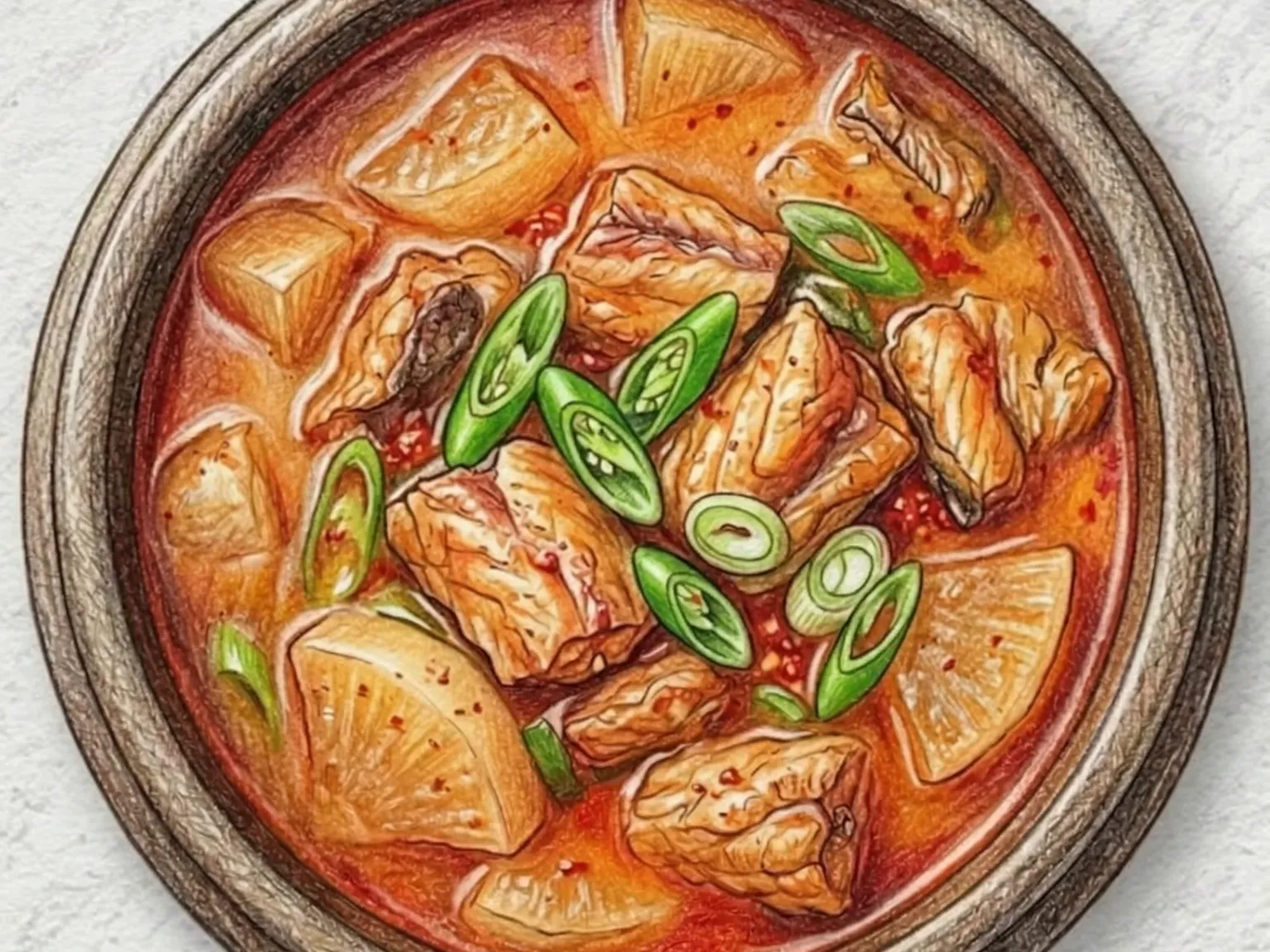
Kodari mu jjigae stews 700g of semi-dried pollock with Korean radish in rice-rinse water, a traditional technique that adds a subtle starchy richness to the broth.

What makes this special

  • Kodari mu jjigae highlights chewy semi-dried pollock and sweet radish in a starchy rice-rinse broth that effectively absorbs the spicy, double-chili seasoning.
  • Semi-dried pollock has a uniquely dense chew that holds the spicy seasoning
  • Rice-rinsing water reduces fishiness and adds subtle savoriness
Total time
45 min
Level
Easy
Servings
4 servings
Ingredients
9
Calories
296 kcal
Protein
35 g

Key ingredients

semi-dried pollockKorean radishonionCheongyang chiligreen onion

Core cooking flow

  1. 1 Clean the fins of 700g semi-dried pollock with scissors, cut into 5-6cm piec...
  2. 2 Lay 300g of radish sliced into 1cm thick squares on the pot bottom, add 1.1L...
  3. 3 Stir 1 tbsp gochujang, 1.5 tbsp gochugaru, and 1 tbsp minced garlic into the...

Kodari mu jjigae stews 700g of semi-dried pollock with Korean radish in rice-rinse water, a traditional technique that adds a subtle starchy richness to the broth. The pollock's firm, chewy flesh holds up well during simmering and absorbs the gochujang and gochugaru seasoning deeply. Radish balances the heat with its natural sweetness as it softens in the spicy liquid. Cheongyang chilies add a final kick, making this a warming stew that pairs exceptionally with a bowl of hot rice. The semi-drying process gives kodari a distinctly denser, chewier bite that separates it noticeably from fresh pollock.

Prep 15min Cook 30min 4 servings

Instructions

Read the steps as a cooking flow: prep, heat, seasoning, doneness control, and finish.

6 steps
  1. 1
    Prep

    Clean the fins of 700g semi-dried pollock with scissors, cut into 5-6cm pieces (2-3 segments per fish), and rinse in cold water to remove debris.

  2. 2
    Heat

    Lay 300g of radish sliced into 1cm thick squares on the pot bottom, add 1.1L of rice-rinse water, and boil for 8 minutes until the radish becomes translucent.

  3. 3
    Prep

    Stir 1 tbsp gochujang, 1.5 tbsp gochugaru, and 1 tbsp minced garlic into the broth, then add 150g of sliced onion to develop a savory flavor profile.

  4. 4
    Control

    Add pollock and simmer for 12 minutes over medium heat, basting the fish 2-3 times with broth so the spicy seasoning penetrates the chewy flesh evenly.

  5. 5
    Control

    Add 2 sliced Cheongyang chilies and boil for 5 more minutes until the spicy aroma rises and the liquid reduces slightly into a flavorful, thick broth.

  6. 6
    Finish

    Add 50g of diagonally sliced green onion, simmer for 1 minute to release its scent, then turn off the heat and serve while the fish is still chewy.

After the steps

Pick a recipe that fits this dish.

Continue with shared ingredients, meal pairings, or a similar method.

Recipes That Go Well With This

More Stews →

Based on shared ingredients and meal pairing

Korean Spicy Braised Semi-Dried Pollock
Shared ingredient: semi-dried pollock Steamed

Korean Spicy Braised Semi-Dried Pollock

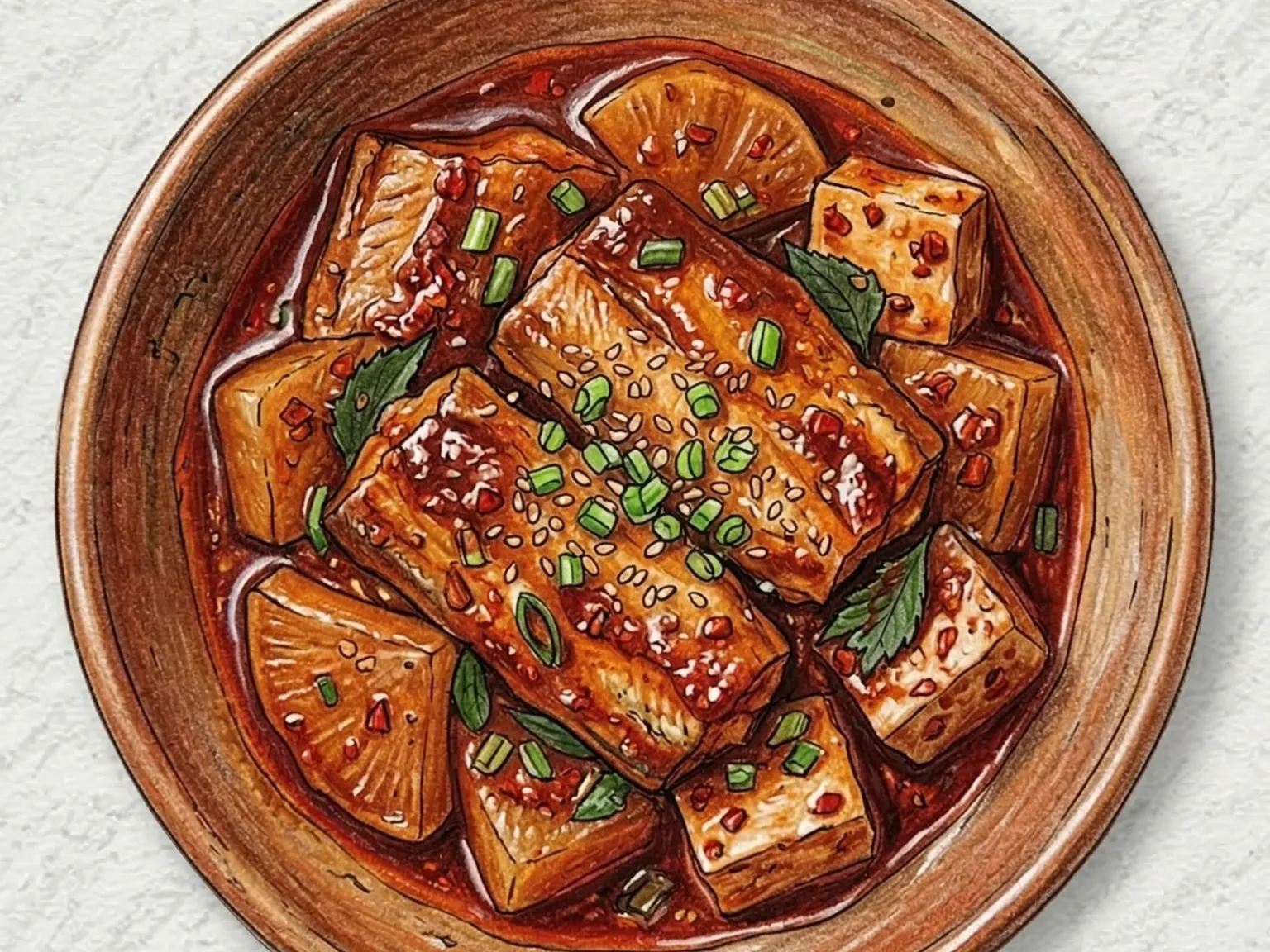
Kodari-jjim is a Korean braised dish of semi-dried pollock slow-cooked with radish and onion in a gochugaru and soy sauce seasoning. The drying stage removes moisture from the pollock, firming the flesh so it absorbs the seasoning deeply while holding its shape throughout cooking. Radish tempers the chili heat and contributes a natural sweetness, and a small addition of doenjang adds a savory depth that rounds out the sauce. As the liquid reduces to a thick, clinging glaze, the pollock takes on an intensely spiced quality that makes it a natural companion to steamed rice. Mixing the reduced sauce into hot rice is a well-known Korean habit, since every drop carries concentrated spice and brine.

Korean Godeungeo Mu Jjigae (Mackerel Radish Stew)
Shared ingredient: korean radish Stews

Korean Godeungeo Mu Jjigae (Mackerel Radish Stew)

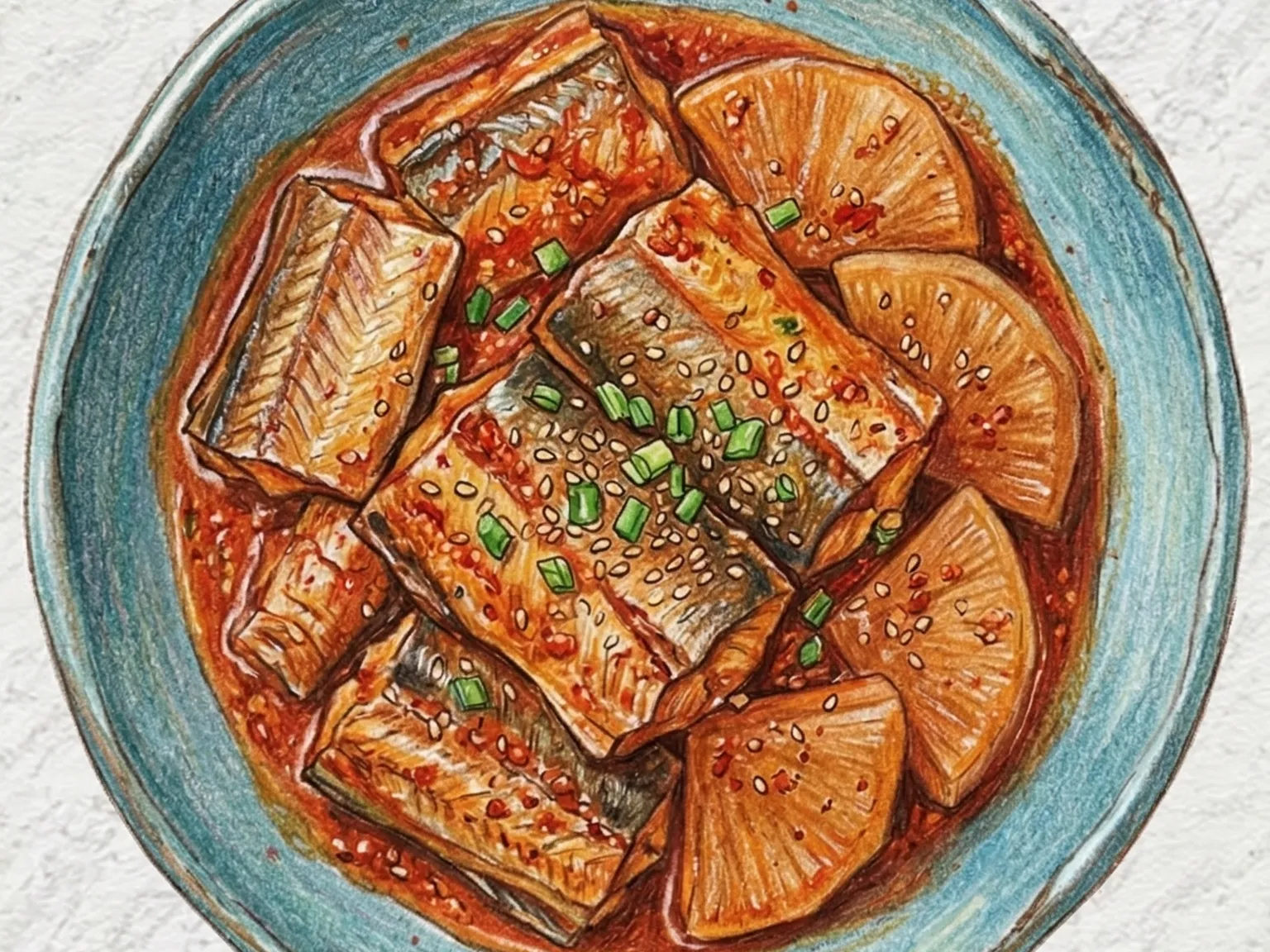
Godeungeo-mu-jjigae is a spicy Korean stew that pairs mackerel with Korean radish in a gochugaru and gochujang broth. Mackerel is an oily, fatty fish, and as it simmers, those fats render into the surrounding liquid, giving the broth a richness and depth of savory flavor that leaner fish cannot produce. The radish is laid on the bottom of the pot before the mackerel is placed on top - a deliberate positioning that lets the radish absorb the direct heat of the base while soaking up the fish juices and rendered fat dripping down from above. Radish cooked this way turns tender and sweet, and each bite releases concentrated broth from within the vegetable. Using both gochugaru and gochujang in the seasoning paste is important: gochugaru provides clean, direct heat and red color while gochujang adds fermented depth and body to the broth that chili powder alone cannot achieve. Soup soy sauce for the final seasoning keeps the saltiness measured and blended rather than sharp. Sliced green onion and cheongyang chili pepper added toward the end contribute freshness and a sharper layer of heat. For those sensitive to fishiness, thin slices of ginger added to the initial seasoning paste are effective at suppressing the odor without altering the stew's overall flavor profile. The traditional way to eat this is to spoon the broth-soaked radish and a piece of mackerel over rice, letting the concentrated cooking liquid soak into each grain.

Korean Beef Brisket Rice Bowl
Serve together Rice

Korean Beef Brisket Rice Bowl

Chadol deopbap is a Korean rice bowl built on paper-thin beef brisket slices seared in a hot dry pan until the edges turn crisp and caramelized, then finished with a soy-based glaze and placed over steamed rice. The marbling in the brisket renders quickly under high heat, coating the pan in fat that then carries the flavors of soy sauce, sugar, garlic, and sesame oil into a concentrated glaze. A soft-cooked or raw egg yolk placed on top is a standard addition; stirring it in spreads a golden richness across the rice that thickens the sauce and rounds out the saltiness of the soy. Sliced scallions and toasted sesame seeds scattered over the finished bowl add textural contrast and a clean finish. The recipe relies on pantry staples, requires no marinating, and comes together in under ten minutes from start to plate, making it one of the most practical formats for a single-serve weeknight meal without sacrificing depth of flavor.

Korean Pacific Saury Stew
Similar recipe Stews

Korean Pacific Saury Stew

Kkongchi jjigae is a budget-friendly Korean stew built around a single can of Pacific saury, making it one of the most practical jjigae to pull together from pantry staples. Korean radish and onion go into the pot alongside the fish, absorbing the bold, oily flavor of the canned saury as everything simmers together. The canning liquid is included in the pot as well, eliminating the need for a separate stock while adding the concentrated brininess of the fish directly to the broth. A half-tablespoon of doenjang tames the fishiness that canned fish can carry while adding a layer of fermented, savory depth, and gochugaru builds the characteristic spicy bite that makes this stew work as a proper rice banchan. Because canned saury is already fully cooked and the bones have softened in the canning process, the fish can go directly into the pot without any preparation and the pieces can be eaten bones and all. The whole stew comes together in under 30 minutes, making it a reliable weeknight option when time and budget are both short.

Serve with this

Korean Silken Tofu with Seasoned Soy Sauce
Side dishes Easy

Korean Silken Tofu with Seasoned Soy Sauce

Chilled silken tofu is placed in a bowl and topped with a soy-based seasoning sauce that provides all the flavor the bland tofu needs. Silken tofu is coagulated with less agent than regular tofu, resulting in a custard-like texture that yields to a spoon and dissolves on the tongue. The sauce mixes soy sauce with gochugaru, minced garlic, chopped green onion, sesame oil, and toasted sesame seeds, concentrating salty, spicy, and nutty notes into a single spoonful. Each bite pairs the tofu's neutral softness with the sauce's concentrated punch, creating a rhythm of gentle and sharp that keeps the palate engaged. Sesame oil in the sauce adds a glossy sheen across the tofu's white surface, and the red flecks of chili powder provide a visual contrast that signals the heat to come. The soybean fragrance of the tofu itself acts as a quiet backdrop, grounding the louder flavors of the dressing. Because no cooking is required beyond mixing the sauce, this banchan comes together in minutes and is especially practical on busy evenings.

🏠 Everyday 🍱 Lunchbox
Prep 5min Cook 2min 2 servings
Korean Pickled Bok Choy (Soy Vinegar Chili Brine)
Kimchi Easy

Korean Pickled Bok Choy (Soy Vinegar Chili Brine)

Cheonggyeongchae jangajji is a Korean pickled bok choy made by halving the heads and submerging them in a boiled brine of soy sauce, vinegar, and sugar with Cheongyang chili, garlic, and ginger. The thick white stems retain their crunch after pickling while the tender green leaves absorb the brine softly, creating two contrasting textures within a single piece. Cheongyang chili leaves a clean, lingering heat at the finish, and ginger contributes a warm undertone to the pickling liquid. Draining the bok choy thoroughly before pickling keeps the brine clear, and after two days of refrigeration the seasoning penetrates evenly throughout for a well-balanced banchan. Pouring the brine over the bok choy only after it has cooled prevents the leaves from softening too much. The spent brine can be reboiled and reused to pickle tofu or daikon, extending its value beyond the first batch.

🥗 Light & Healthy 🍱 Lunchbox
Prep 20min Cook 8min 4 servings
Korean Seaweed Oyster Pancake
Pancakes Medium

Korean Seaweed Oyster Pancake

Fresh oysters and rehydrated seaweed folded into a pancake batter and pan-fried into a jeon packed with ocean flavor. As the oysters cook, they release their briny juices into the batter, spreading their concentrated umami through every bite. The seaweed provides a soft, slightly slippery contrast in texture against the crisp outer surface. Soup soy sauce seasons the batter cleanly without competing with the seafood, while minced red chili adds color and a measured heat. Garlic deepens the marine aroma. This jeon is at its best during winter when oysters are plump and full in flavor.

🍺 Bar Snacks 🍱 Lunchbox
Prep 20min Cook 16min 4 servings

Similar recipes

Korean Spicy Fish Stew (Mackerel in Chili-Radish Broth)
Stews Medium

Korean Spicy Fish Stew (Mackerel in Chili-Radish Broth)

Saengseon jjigae is a spicy Korean fish stew made with mackerel or beltfish cut into chunks, simmered alongside daikon radish and zucchini. Gochujang, gochugaru, soy sauce, and garlic build a bold, peppery broth in an anchovy stock base. The radish neutralizes any fishiness while adding natural sweetness to the soup. Picking the flaky fish off the bone and eating it with spoonfuls of the fiery broth over rice is the traditional way to enjoy it.

🏠 Everyday
Prep 15min Cook 20min 2 servings
Korean Grilled Semi-dried Pollock
Grilled Easy

Korean Grilled Semi-dried Pollock

Kodari-gui is a Korean grilled semi-dried pollock dish where the fish is pan-fried while being brushed repeatedly with a glaze made from soy sauce, gochujang, oligosaccharide syrup, minced garlic, and sesame oil. Semi-drying the pollock removes a substantial portion of its moisture, concentrating the protein into a dense, chewy texture that absorbs seasoning far more readily than fresh fish. It also strips away the fishy undertone that fresh pollock carries, making the end result noticeably cleaner on the palate. As the fish cooks, the sugars in the glaze undergo caramelization layer by layer, building a glossy, dark coating that catches the heat and deepens in flavor with every pass. Applying the sauce in a thick coat from the start leads to burning before the inside is properly cooked through, so the technique calls for flipping once a side is set and applying the glaze in multiple thin brushings. Soaking the dried fish in cold water for about ten minutes before cooking softens the flesh while still allowing the surface to grip the seasoning. Sesame seeds scattered over the finished fish add a toasted, nutty finish, and the dish is best served hot over steamed white rice.

🍺 Bar Snacks 🍱 Lunchbox
Prep 20min Cook 14min 2 servings
Korean Dried Pollock Napa Stew
Stews Easy

Korean Dried Pollock Napa Stew

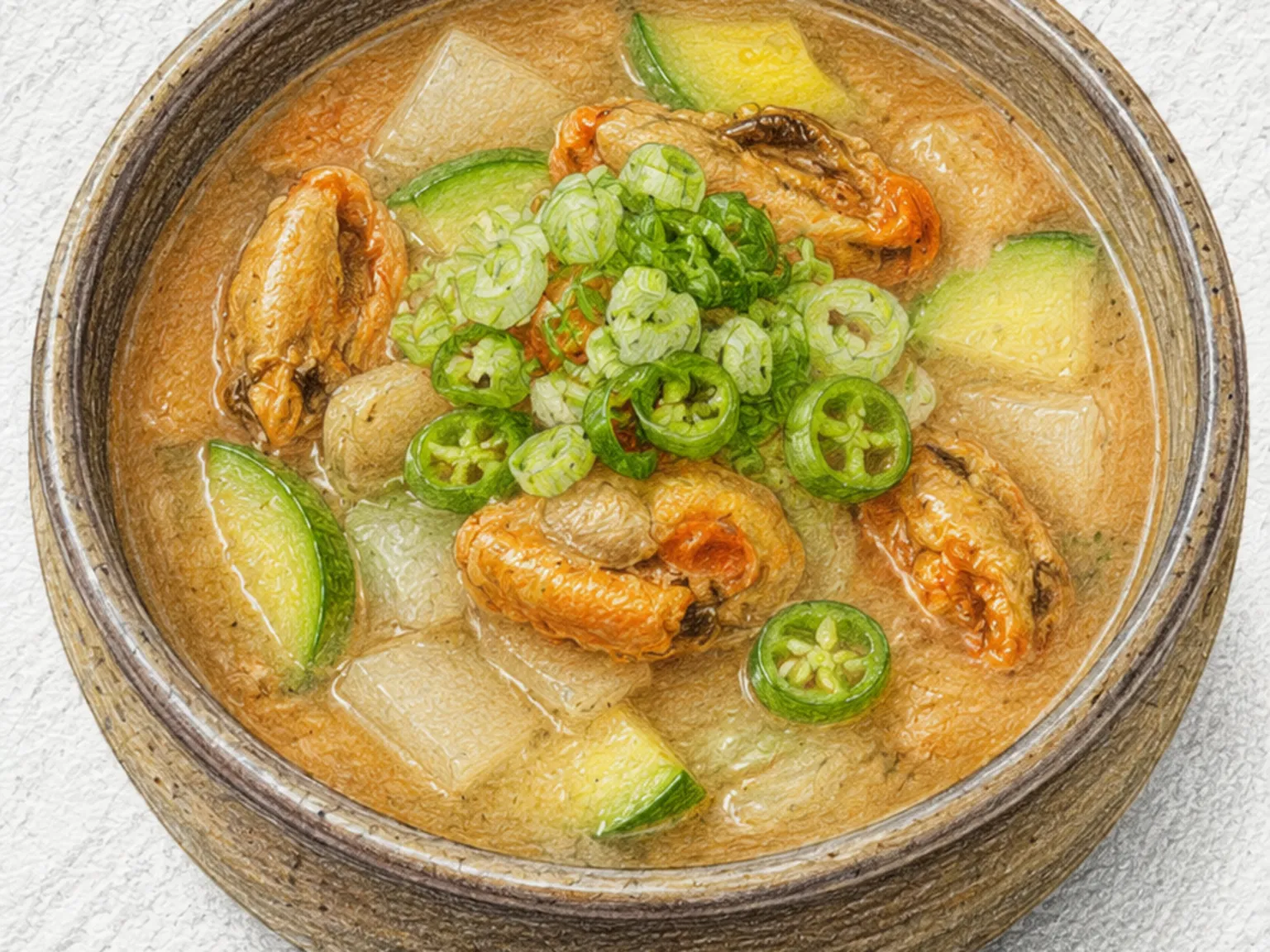
This stew pairs dried pollock strips with napa cabbage for a mild, comforting bowl built on clean, unhurried flavors. The pollock releases a savory, slightly sweet depth into the broth as it rehydrates during cooking. Soaking the pollock briefly in water before adding it loosens the stiff fibers and helps the broth extract faster. The cabbage softens slowly and adds its own natural sweetness, while firm tofu and zucchini round out the ingredients with body and texture. A touch of perilla oil lends a nutty fragrance to the finished bowl. Seasoned simply with soup soy sauce, it works well as a hangover remedy or a light weekday meal that settles the stomach.

🏠 Everyday 🥗 Light & Healthy
Prep 10min Cook 25min 4 servings

Tips

Rice-rinse water reduces fishy notes and makes the broth richer.
Baste with broth instead of flipping to keep the fish intact.

Nutrition (per serving)

Calories
296
kcal
Protein
35
g
Carbs
11
g
Fat
12
g