Charim

2686 Korean & World Recipes

2686+ Korean recipes, clean and organized. Ingredients to instructions, all at a glance.

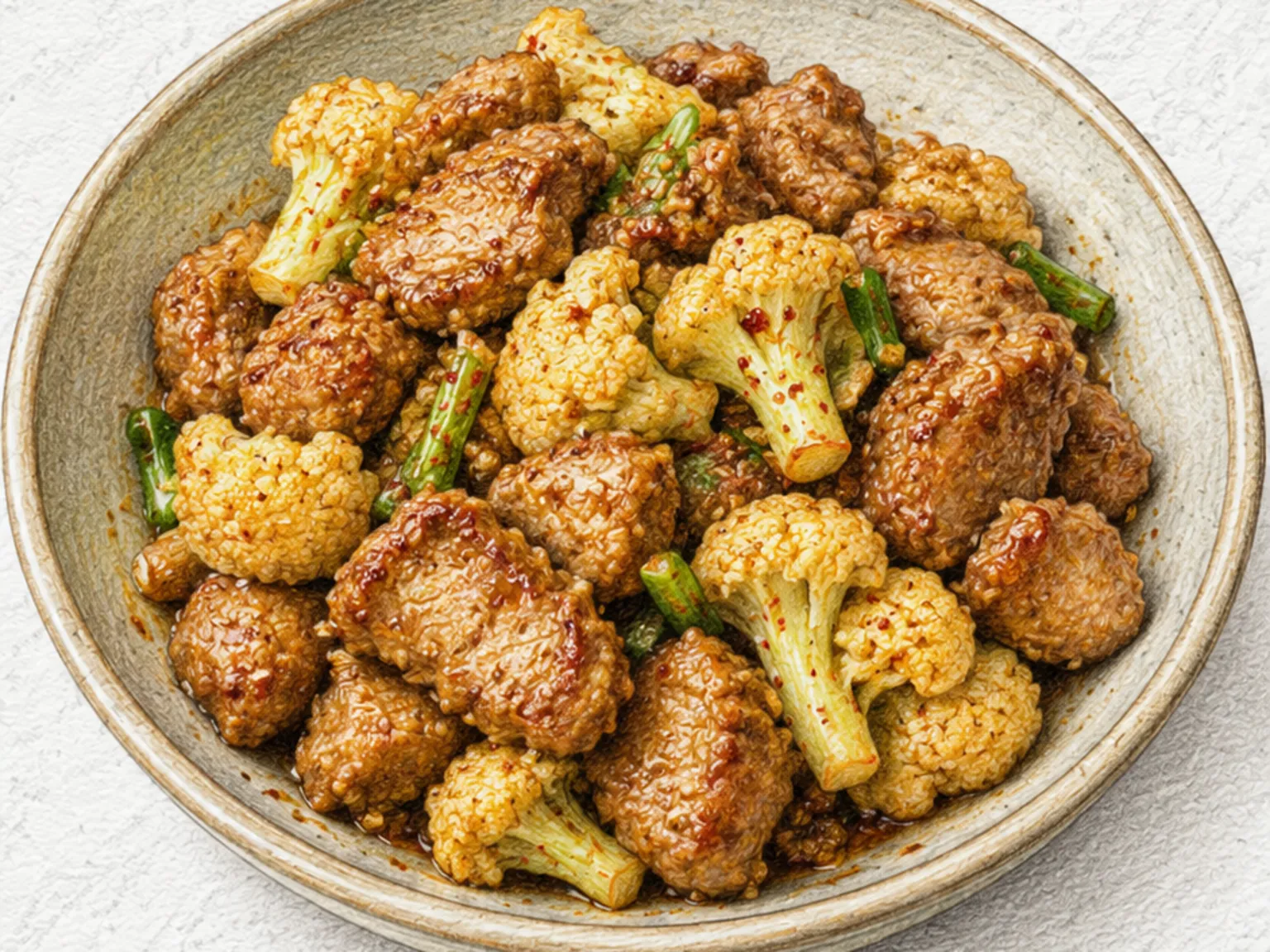
Korean Cauliflower Soybean Paste Pork Stir-fry
Stir-fry Medium

Korean Cauliflower Soybean Paste Pork Stir-fry

Kollipeullawo doenjang dwaeji bokkeum is a stir-fry of pork shoulder seared until browned, then cooked with doenjang and gochugaru before briefly blanched cauliflower florets are folded in at the end. The doenjang's fermented saltiness merges with rendered pork fat to create a deep, earthy savoriness, and draining the cauliflower thoroughly keeps the sauce concentrated rather than watery. The cauliflower's neutral flavor serves as a counterbalance to the heavy fermented paste. With relatively low carbohydrate content, this dish fits well into reduced-carb meal planning.

Prep 18min Cook 12min 2 servings

Adjust Servings

2servings
servings

Instructions

  1. 1

    Marinate pork 10 minutes with cooking wine, half soy sauce, and half garlic.

  2. 2

    Blanch cauliflower for 40 seconds and drain well.

  3. 3

    Sear pork over high heat in oil to brown the surface first.

  4. 4

    Add onion, green onion, remaining garlic, then stir in doenjang and chili flakes.

  5. 5

    Add cauliflower and remaining soy sauce, then toss quickly for 2-3 minutes.

🛒Shop Ingredients on Amazon

As an Amazon Associate, we may earn from qualifying purchases.

Tips

Briefly fry doenjang on the pan edge to reduce raw paste flavor.
Drain cauliflower thoroughly so the sauce stays concentrated.

Nutrition (per serving)

Calories
365
kcal
Protein
30
g
Carbs
14
g
Fat
21
g

More Recipes

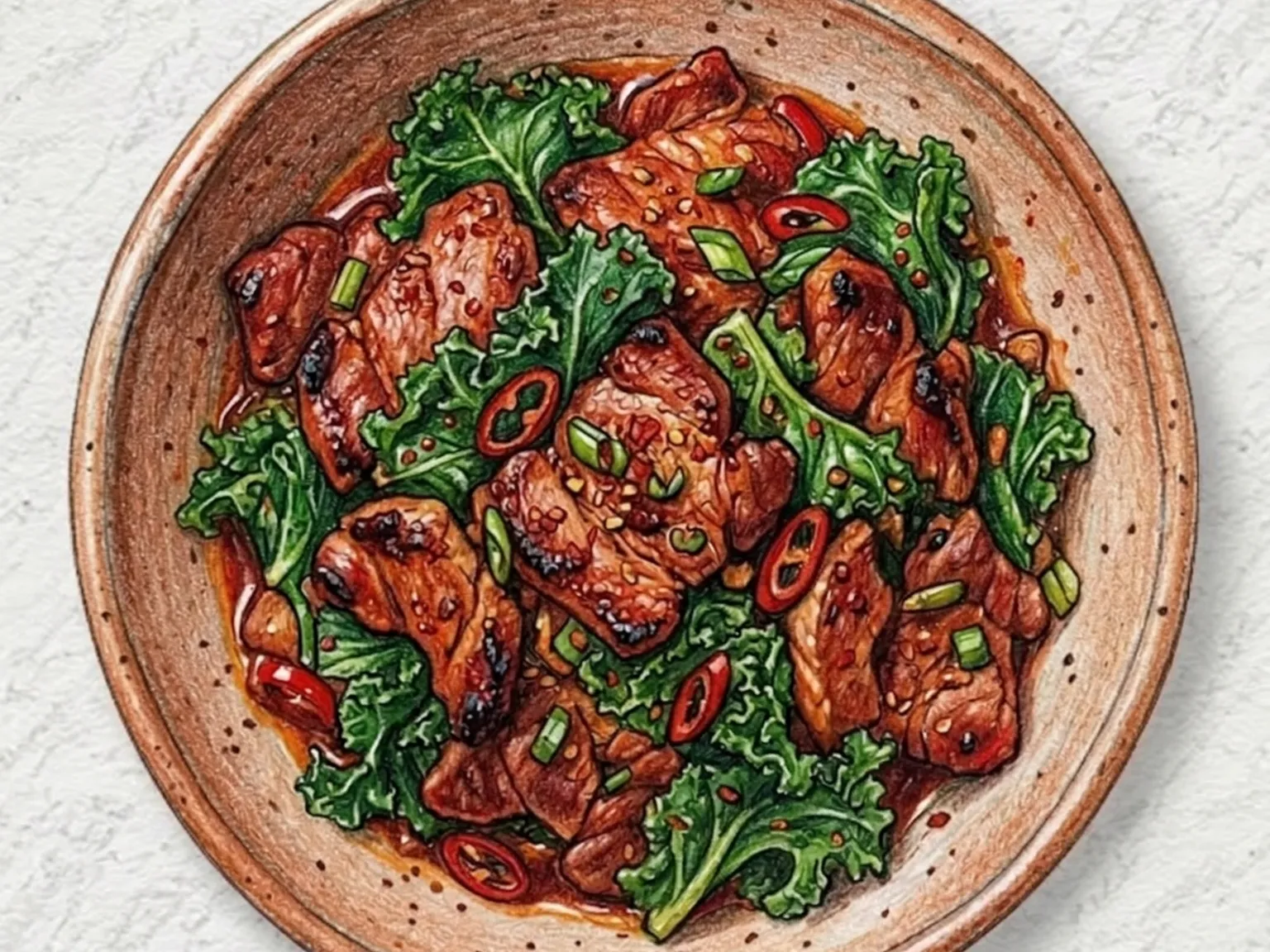
Korean Pork & Crown Daisy Stir-fry
Stir-fryEasy

Korean Pork & Crown Daisy Stir-fry

Ssukgat-dwaeji-doenjang-bokkeum is a Korean stir-fry of pork shoulder marinated in doenjang (fermented soybean paste) and gochujang, cooked with onion and scallion before crown daisy is tossed in at the end. The doenjang penetrates the pork during marination, producing a deep, salty fermented savoriness once seared. Crown daisy is added briefly to keep its herbal fragrance and gentle bitterness intact, which cuts through the richness of the pork fat. The contrast between the heavy, umami-laden meat and the bright green aromatics keeps each bite balanced.

🏠 Everyday🍱 Lunchbox
Prep 15minCook 12min2 servings
Korean Perilla Sprout & Tofu Soybean Paste Stir-fry
Stir-fryEasy

Korean Perilla Sprout & Tofu Soybean Paste Stir-fry

Kkaetsun dubu doenjang bokkeum pairs pan-seared firm tofu with perilla sprouts in a doenjang-based sauce made by dissolving the fermented soybean paste with water, garlic, and onion. The doenjang coats the golden tofu surfaces with a salty, earthy glaze, while perilla sprouts - softer than mature perilla leaves - release a subtle sesame-like fragrance as they wilt. The contrast between crisp tofu edges and tender greens defines the dish's texture. A half Cheongyang chili adds a light sting that lifts the heaviness of the fermented paste.

🏠 Everyday🍱 Lunchbox
Prep 14minCook 8min2 servings
Korean Pork and Kimchi Stir-Fry
Stir-fryEasy

Korean Pork and Kimchi Stir-Fry

Dwaejigogi-kimchi-bokkeum is a Korean stir-fry of pork and well-aged napa cabbage kimchi, one of the country's most common home-cooked dishes. The deep acidity of fermented kimchi meets the richness of pork fat, intensifying in flavor the longer they cook together. A touch of Korean chili flakes is added to deepen the color and build an extra layer of heat. It requires no special technique and is a staple side dish found in nearly every Korean set-meal restaurant.

🏠 Everyday🌙 Late Night
Prep 10minCook 15min2 servings
Korean Spicy Webfoot Octopus & Pork Belly Stir-fry
Stir-fryMedium

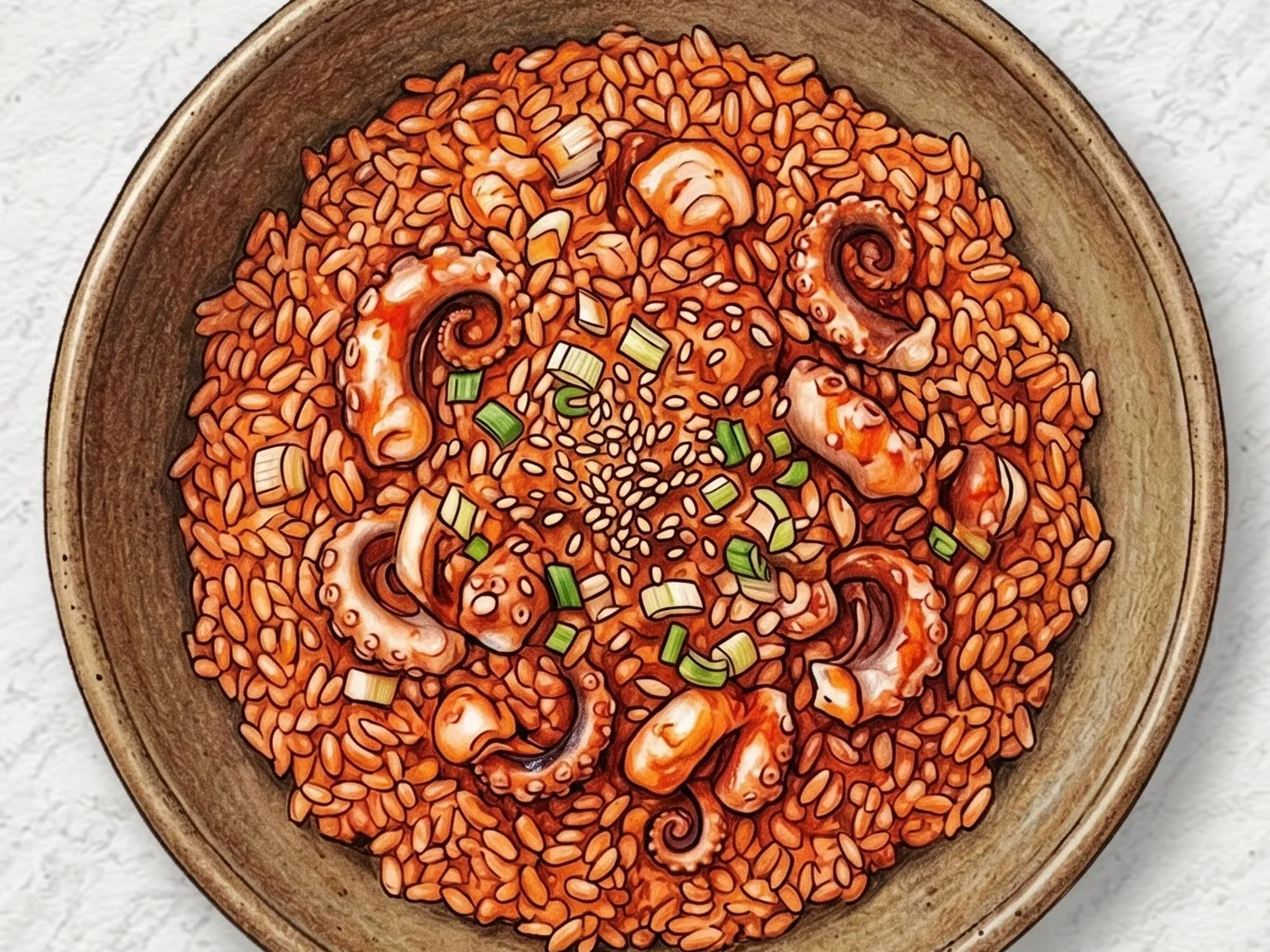
Korean Spicy Webfoot Octopus & Pork Belly Stir-fry

Jjukkumi-samgyeop-bokkeum combines chewy baby octopus and thick pork belly slices in a spicy stir-fry. The pork belly is first grilled until golden to render its fat, then the octopus and gochujang-based sauce are added for a fast, high-heat toss. Pork richness and the octopus's clean ocean flavor merge inside the chili seasoning, with onions and scallions adding sweetness. It is typically served sizzling on a hot plate, and diners often finish with fried rice made in the remaining sauce.

🍺 Bar Snacks🏠 Everyday
Prep 20minCook 10min2 servings
Korean Gangwon-Style Soybean Paste Stew
StewsEasy

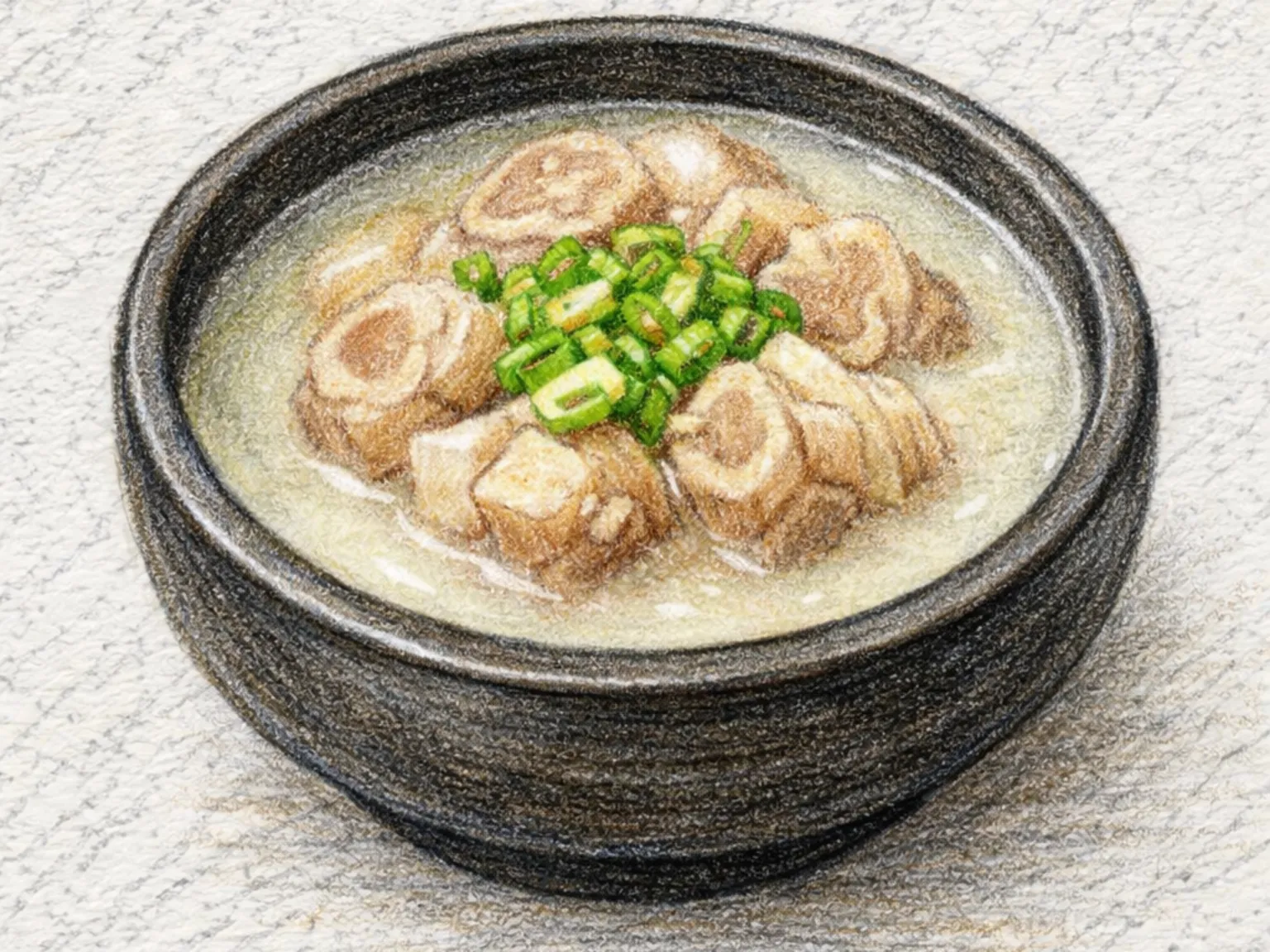
Korean Gangwon-Style Soybean Paste Stew

This Gangwon Province-style doenjang jjigae is defined by its generous use of potatoes - 300 grams - which break down during cooking and give the broth a thick, starchy body. Three tablespoons of doenjang dissolved in 1.1 liters of anchovy broth create a robust base. Oyster mushrooms contribute a chewy texture, while zucchini, onion, and tofu round out this substantial one-pot meal. It reflects the hearty mountain cooking traditions of Korea's Gangwon region.

🏠 Everyday
Prep 15minCook 25min4 servings
Soybean Paste Stew with Clams
AsianEasy

Soybean Paste Stew with Clams

Korea's most comforting one-pot stew -- briny clams pop open in a bubbling doenjang broth, releasing their salty liquor into fermented soybean paste for a flavor no other stew can match. Manila clams are purged of sand, then added to a pot of doenjang-laced broth where they pop open and surrender their salty liquor into the soup, transforming the base from merely savory to sea-tinged and complex. Zucchini softens in the bubbling liquid and contributes a natural sweetness, while blocks of tofu act as sponges, soaking up the broth and bursting with hot, flavorful liquid when bitten. Sliced cheongyang chili peppers are stirred in to cut through the heaviness of the fermented paste and lift the overall flavor. The stew is served bubbling in an earthenware pot alongside rice - many Koreans spoon the broth directly over their bowl - and adapts to any season: light with summer vegetables from the refrigerator, or piping hot in a stone pot during winter.

🏠 Everyday
Prep 12minCook 25min2 servings
More Stir-fry →