Charim

2686 Korean & World Recipes

2686+ Korean recipes, clean and organized. Ingredients to instructions, all at a glance.

Korean Soy-Braised Soybeans

Korean Soy-Braised Soybeans

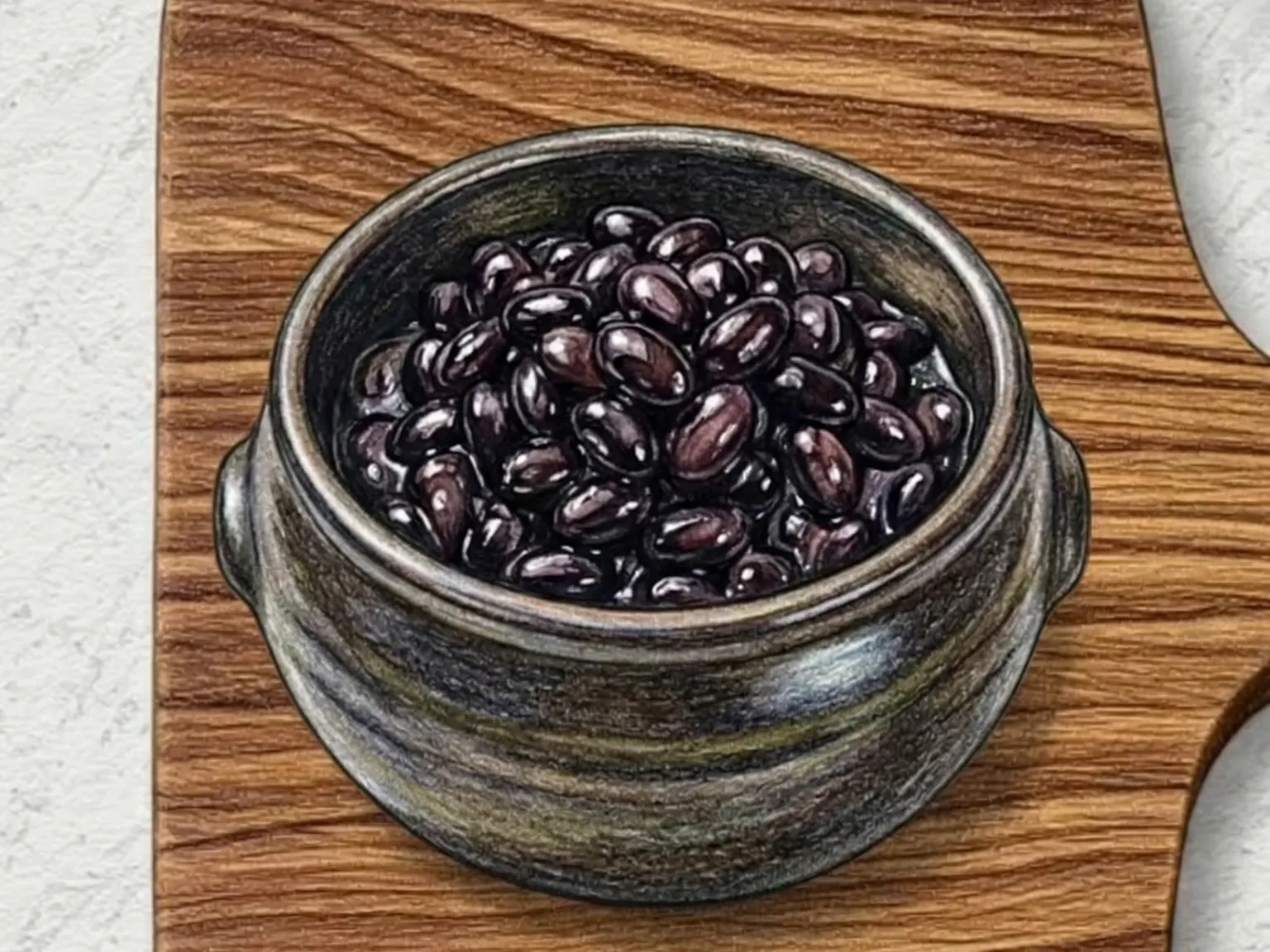
Kong-jorim is soy-braised soybeans simmered slowly in soy sauce and sugar until each bean turns glossy - a pantry staple rooted in the era when rice and beans were the twin pillars of Korean sustenance. Soaking the beans for a minimum of eight hours is non-negotiable: it shortens cooking time and allows the seasoning to penetrate to the center. Skipping this step produces beans that are salty on the surface and chalky inside. After boiling until tender, the beans simmer on low heat for fifteen minutes in the soy-sugar mixture, then corn syrup is added to create a transparent glaze that gives each bean its characteristic shine. Using black soybeans (soritae) instead of yellow yields a dramatic deep purple-black luster as the anthocyanin pigments dissolve into the braising liquid. Stored in a sealed container, kong-jorim keeps in the refrigerator for over two weeks, making it a go-to weekend meal-prep banchan.

Prep 480minCook 40min6 servings

Adjust Servings

2servings
servings

Instructions

  1. 1

    Wash beans and soak in water overnight (about 8 hours).

  2. 2

    Boil soaked beans in water for 20 minutes until tender.

  3. 3

    Drain, add soy sauce, sugar, and 300 ml water; bring to a boil on medium.

  4. 4

    Reduce to low heat and simmer for 15 minutes.

  5. 5

    Add corn syrup, cook 5 more minutes for glaze, and finish with sesame oil.

🛒Shop Ingredients on Amazon

As an Amazon Associate, we may earn from qualifying purchases.

Tips

Soaking fully reduces cooking time and allows seasoning to penetrate.
Black soybeans (soritae) produce a glossier, more visually appealing result.

Nutrition (per serving)

Calories
170
kcal
Protein
10
g
Carbs
18
g
Fat
6
g

More Recipes

Korean Braised Potatoes (Soy-Glazed Braised Potato Banchan)
Side dishesEasy

Korean Braised Potatoes (Soy-Glazed Braised Potato Banchan)

Gamja-jorim - soy-braised potatoes - is among the top five most frequently made banchan in Korean households, alongside kimchi, kongnamul, and gyeran-mari. Small potatoes are parboiled whole until just fork-tender, then transferred to a mixture of soy sauce, sugar, rice syrup, garlic, and water. The braising happens over medium-low heat for fifteen minutes with the lid off, allowing the sauce to reduce gradually into a thick, syrupy glaze. Constant gentle stirring prevents the soft potatoes from sticking or breaking apart. As the liquid evaporates, each potato develops a dark amber, lacquered surface while the interior remains starchy and yielding. The taste is straightforwardly sweet-salty with a garlic undertone - comfort food in its most elemental form. Korean mothers often make a large batch on weekends, refrigerating it to serve cold throughout the week. The dish improves overnight as the glaze continues to penetrate the potato's interior.

🏠 Everyday🍱 Lunchbox
Prep 10minCook 20min4 servings
Korean Braised Anchovy Side Dish
Side dishesEasy

Korean Braised Anchovy Side Dish

Myeolchi-jorim simmers tiny dried anchovies in soy sauce, rice syrup, and garlic into a moist, glazed banchan that contrasts fundamentally with stir-fried anchovy preparations. Where bokkeum chases crispness, jorim aims for softness - the anchovies absorb the braising liquid over a sustained simmer, becoming pliant and saturated with sweet-salty flavor throughout their interior. A one-minute dry toast removes any fishiness before soy sauce, syrup, minced garlic, and water go into the pan, simmering uncovered on low heat for ten minutes. As the liquid reduces, a sticky, dark glaze wraps around each anchovy; unlike the bokkeum, pressing one between your teeth releases a rush of seasoned juice from within. Sesame seeds and sesame oil stirred in off-heat add a final layer of nuttiness. Once fully cooled, the reduced sauce thickens further into an almost jelly-like coating that holds the anchovies together. Refrigerated in an airtight container, myeolchi-jorim keeps for over a week.

🏠 Everyday🍱 Lunchbox
Prep 8minCook 15min4 servings
Korean Soy-Braised Whole Garlic
Side dishesEasy

Korean Soy-Braised Whole Garlic

Peeled whole garlic cloves are simmered in a mixture of soy sauce and corn syrup until they turn glossy and deeply seasoned throughout. Raw garlic's sharp, pungent bite mellows completely during the slow braising, transforming into a gentle sweetness that merges with the soy sauce's salinity. The corn syrup reduces alongside the soy sauce, forming a lacquer-like glaze that clings to each clove and catches the light. Low heat is essential: cooking too fast browns the exterior while leaving the core hard and under-seasoned. With patience, the garlic softens to a texture resembling a roasted potato, yielding easily when pressed with chopsticks yet holding its shape on the plate. A final drizzle of sesame oil seals the surface with a warm, nutty aroma that completes the balance of salty, sweet, and rich. The finished jorim keeps well under refrigeration for over a week, making it a practical banchan to prepare in advance.

🏠 Everyday🍱 Lunchbox
Prep 10minCook 25min4 servings
Korean Soy-Braised Fish Cake
Side dishesEasy

Korean Soy-Braised Fish Cake

Eomuk-jorim - soy-braised fish cake - is among the most reliable banchan in the Korean refrigerator, keeping for up to a week while improving in flavor each day as the soy glaze penetrates deeper. Korean eomuk is a pressed fish paste distinct from Japanese kamaboko, with a chewier, denser bite. The fish cake is cut into triangles or rectangles and simmered in a mixture of soy sauce, rice syrup, garlic, and water. As the liquid reduces by half over ten minutes, the remaining sauce thickens into a sticky, sweet-salty glaze clinging to each piece. Adding a sliced cheongyang chili near the end introduces a subtle heat that lifts the otherwise one-dimensional sweetness. This banchan has been a fixture of Korean school cafeterias, packed lunches, and corner-store side dishes for decades - a workhorse side dish that costs almost nothing to prepare.

🏠 Everyday🍱 Lunchbox
Prep 8minCook 12min4 servings
Korean Soy-Braised Deodeok Root
SteamedMedium

Korean Soy-Braised Deodeok Root

Deodeok-jorim is mountain root braised in soy sauce, rice syrup, garlic, and sesame oil. The root's distinctive bitter-herbal aroma softens as the sweet-salty glaze coats it during simmering, while the interior stays dense and slightly chewy. A single green chili adds a quiet heat at the finish, and sesame seeds scattered on top bring a toasted nuttiness. It is a banchan that preserves the wild, earthy character of foraged deodeok and pairs naturally with other vegetable side dishes on a Korean table.

🏠 Everyday🍱 Lunchbox
Prep 20minCook 18min2 servings
Korean Soy Braised Eggplant
Stir-fryEasy

Korean Soy Braised Eggplant

Gaji-jorim is a Korean braised eggplant dish simmered in soy sauce until the flesh is thoroughly tender and saturated with seasoning. The sweet-salty sauce permeates evenly through the eggplant as it cooks down. A finishing drizzle of sesame oil and a sprinkle of sesame seeds add a nutty aroma to each serving. Despite using only eggplant as the main ingredient, the slow braising concentrates the flavors into a compelling rice accompaniment.

🏠 Everyday🍱 Lunchbox
Prep 10minCook 12min2 servings
More Side dishes