Korean Soy-Braised Black Beans
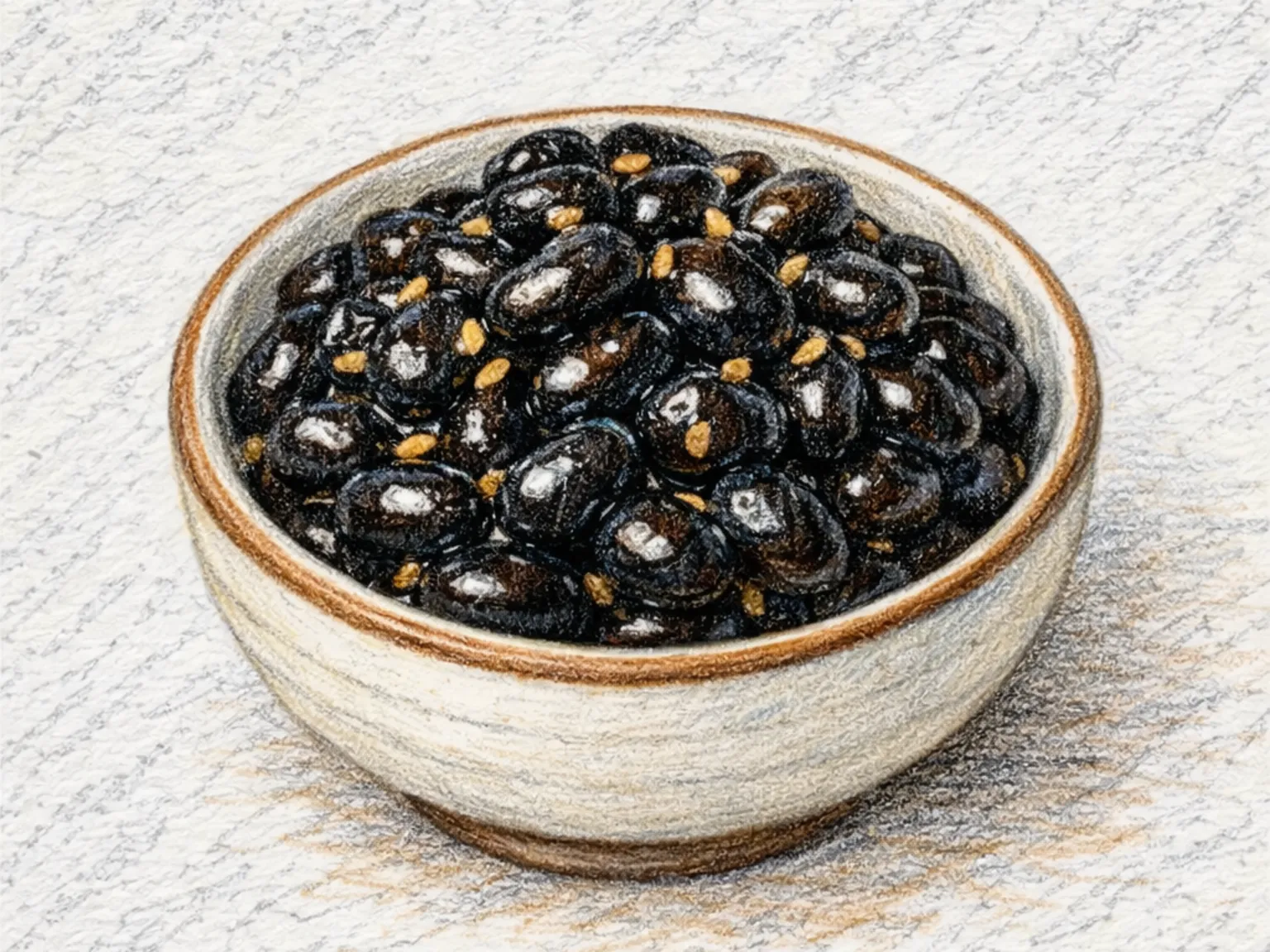
Kongjaban is a traditional Korean side dish of black soybeans slowly braised in soy sauce, sugar, and corn syrup over low heat. The beans gradually absorb the seasoning, developing a glossy black sheen on the outside while the inside turns chewy with a concentrated nuttiness. Soy sauce and sugar create a sweet-salty balance that makes this banchan quietly addictive, and a final touch of sesame oil adds aroma. Stored in the refrigerator, kongjaban keeps for over two weeks, which is why it remains one of the most commonly prepared staple side dishes in Korean households.
Adjust Servings
Instructions
- 1
Rinse black soybeans and soak for at least 8 hours.
- 2
Simmer soaked beans with water and kelp over medium-low heat for 20 minutes.
- 3
Remove kelp, then add soy sauce and brown sugar; braise 10 more minutes.
- 4
When beans are tender, add corn syrup and reduce 3-4 minutes until glossy.
- 5
Turn off heat, mix in sesame oil and sesame seeds, then cool completely.
As an Amazon Associate, we may earn from qualifying purchases.
Tips
Nutrition (per serving)
More Recipes

Korean Soy-Braised Baby Potatoes
Algamja ganjang-jorim - soy-braised baby potatoes - is a Korean banchan that has been part of home cooking for generations, relying on the simplest pantry staples: soy sauce, sugar, garlic, and a handful of small potatoes. The baby potatoes are parboiled whole, then simmered in a sweetened soy mixture that reduces into a thick, lacquer-like glaze. As the liquid evaporates, each potato develops a glossy, dark amber coating while the interior stays starchy and yielding. The key is keeping the heat low enough that the potatoes do not break apart as the sauce thickens - constant gentle stirring replaces the lid. A finish of sesame oil and sesame seeds adds a roasted nuttiness. This banchan improves after resting in the refrigerator overnight, as the soy glaze continues to penetrate, and it keeps well for nearly a week.

Korean Soy-Braised Pork Loin Strips
Dwaejigogi jangjorim is a soy-braised pork dish made by simmering pork loin with whole garlic cloves, ginger, and cooking rice wine until the meat is fully tender. The pork is then shredded along the grain and returned to the reduced soy braising liquid, yielding a deeply seasoned, slightly sweet side dish. The whole garlic cloves soften completely during the long braise, adding another layer of flavor. This dish keeps well in the refrigerator and is typically served cold or at room temperature over several days as a banchan.

Korean Soy-Braised Quail Eggs
Mechurial-jangjorim is a Korean soy-braised quail egg dish simmered slowly with garlic and shishito peppers in a soy sauce base. The eggs gradually take on a deep brown color as the seasoning works its way through the egg white and into the yolk, flavoring them evenly throughout. Shishito peppers contribute a mild green note and textural variety, while the garlic enriches the braising liquid with added savory depth. Each egg is a single, self-contained bite, which makes this banchan popular in lunchboxes and as a snack for children, and it remains one of the most recognizable Korean everyday side dishes.

Korean Sogogi Jangjorim (Soy-Braised Beef)
Sogogi jangjorim is one of Korea's essential make-ahead side dishes, made by boiling lean beef round until tender, shredding it along the grain, and braising the shreds with quail eggs in soy sauce, sugar, and garlic. Using the beef cooking broth as the braising base means every spoonful of liquid carries concentrated meat flavor. The quail eggs take on a deep brown color as they simmer and absorb the soy seasoning throughout. Cooling the pot completely before storing is a critical step because the meat and eggs continue to draw in flavor as the temperature drops. Refrigerated, this banchan lasts well over a week, making it a staple of Korean meal prep.

Korean Soy-Braised Whole Garlic
Peeled whole garlic cloves are simmered in a mixture of soy sauce and corn syrup until they turn glossy and deeply seasoned throughout. Raw garlic's sharp, pungent bite mellows completely during the slow braising, transforming into a gentle sweetness that merges with the soy sauce's salinity. The corn syrup reduces alongside the soy sauce, forming a lacquer-like glaze that clings to each clove and catches the light. Low heat is essential: cooking too fast browns the exterior while leaving the core hard and under-seasoned. With patience, the garlic softens to a texture resembling a roasted potato, yielding easily when pressed with chopsticks yet holding its shape on the plate. A final drizzle of sesame oil seals the surface with a warm, nutty aroma that completes the balance of salty, sweet, and rich. The finished jorim keeps well under refrigeration for over a week, making it a practical banchan to prepare in advance.

Braised Dried Pollock (Hwangtae-po Jorim)
Chewy, glossy pollock strips coated in a sweet-spicy gochujang-soy glaze - the ultimate Korean meal-prep side dish that keeps for over a week. Hwangtae is made by hanging whole pollock on outdoor racks in the Gangwon-do mountains, where repeated freezing and thawing through winter creates a sponge-like texture that soaks up every drop of sauce. Rehydrating for no more than three minutes preserves the signature chew; soaking longer turns it mushy. The oligosaccharide syrup reduces into a glossy coat, and sesame oil must be added off heat to retain its fragrance.