Korean Bean Sprout Pancake
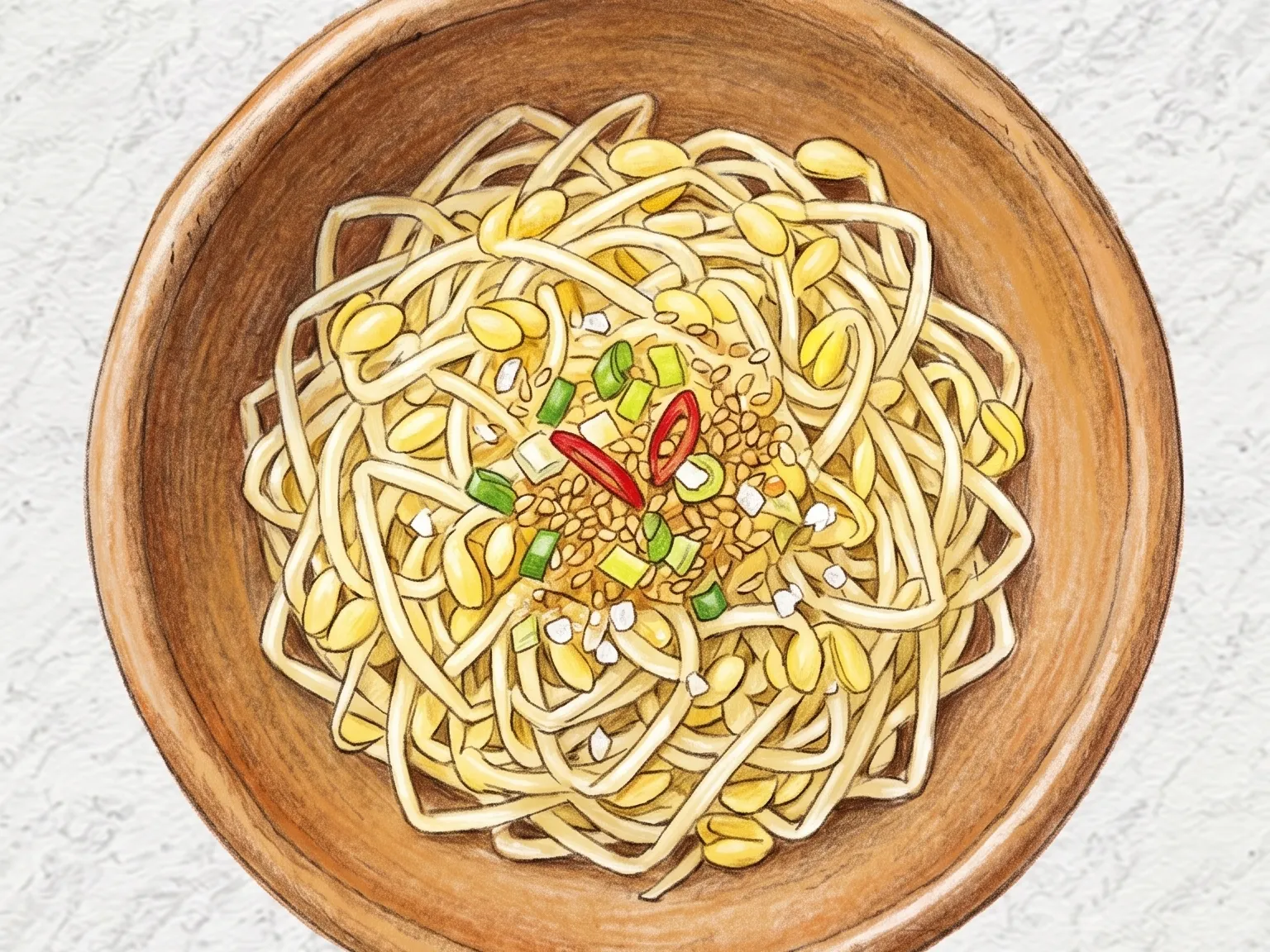
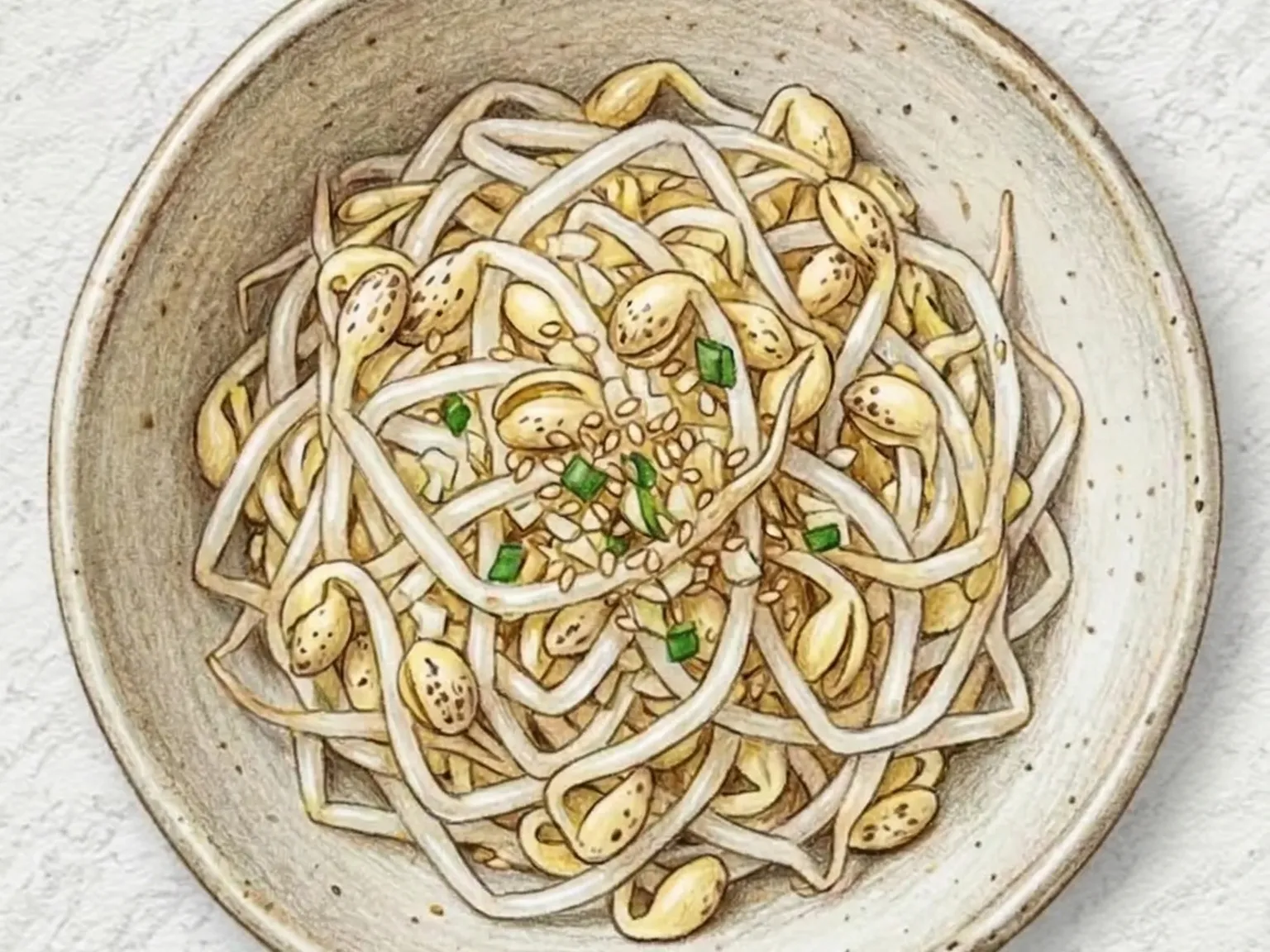
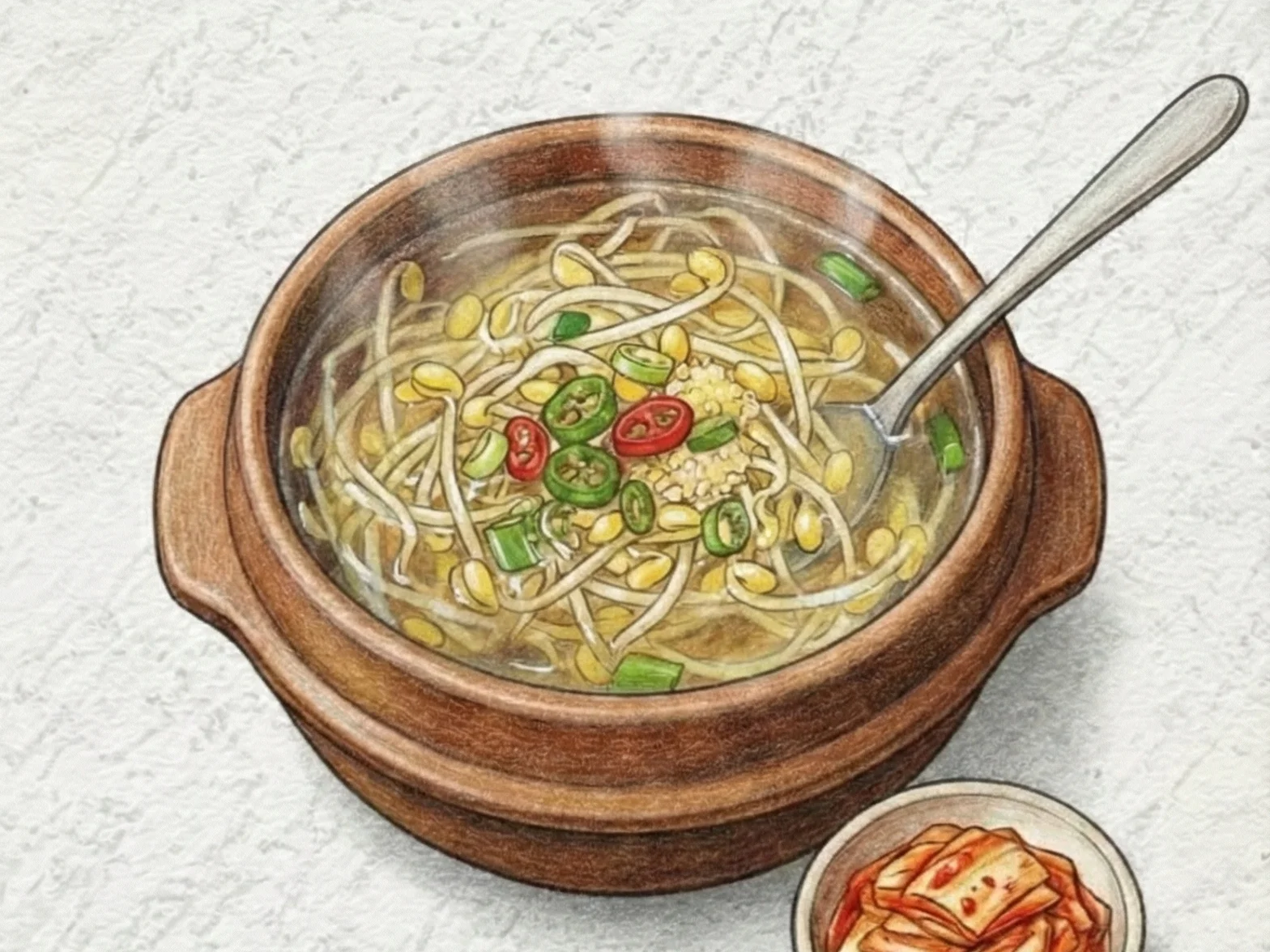
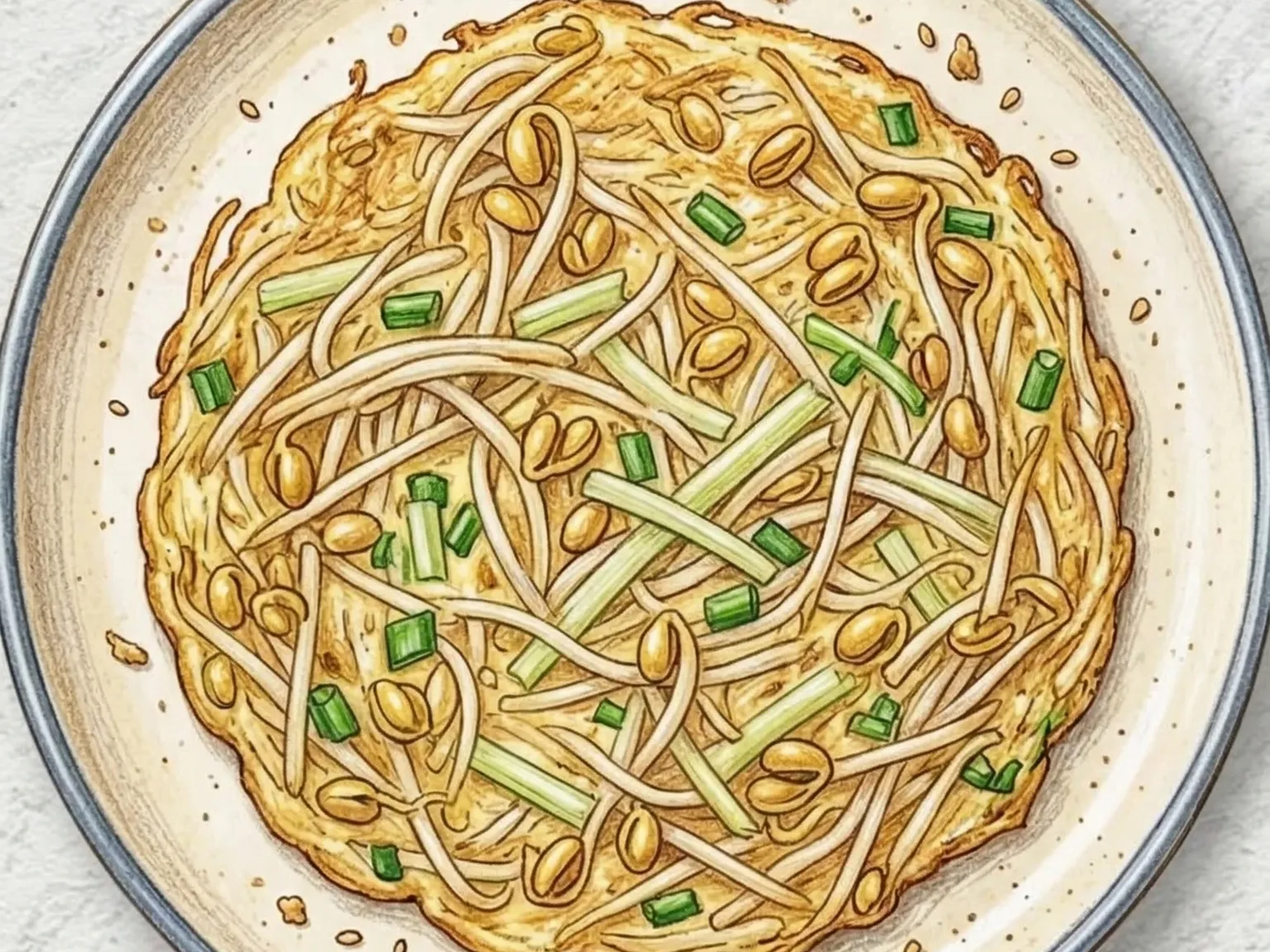
Kongnamul-jeon is a Korean bean sprout pancake made by folding blanched soybean sprouts and sliced green onion into a thin batter of Korean pancake mix, water, and salt, then pan-frying until both sides turn golden. The sprout heads turn nutty and soft when cooked while the stems retain their crunch, creating a contrast of textures within a single pancake. Draining the sprouts thoroughly before mixing is essential-any residual water thins the batter and results in a soggy rather than crisp pancake. Sliced green onion adds an aromatic sharpness to the otherwise mild sprout flavor, and letting the finished pancake cool briefly before slicing keeps it from falling apart.
Adjust Servings
Instructions
- 1
Rinse bean sprouts and drain well.
- 2
Mix pancake mix, water, and salt into batter.
- 3
Add bean sprouts and chopped green onion.
- 4
Spread thinly in an oiled pan over medium heat.
- 5
Cook until both sides are golden, then cool slightly and slice.
As an Amazon Associate, we may earn from qualifying purchases.
Tips
Nutrition (per serving)
More Recipes

Korean Napa Cabbage Pancake
Baechu jeon is a Korean pancake made by coating napa cabbage leaves in a thin flour batter and pan-frying until golden. Outer leaves of medium size work best; if the stem end is too thick, it is flattened with the back of a knife so the batter adheres evenly and the leaf does not buckle during cooking. The batter is mixed thin, roughly equal parts buchim flour and water, so it forms a light coating rather than a heavy shell that would mask the cabbage flavor. Generous oil in the pan and steady medium heat produce a crisp exterior while the cabbage inside softens and releases its gentle sweetness. Each side must brown fully before flipping to prevent the pancake from breaking apart. A dipping sauce of soy sauce with vinegar and sliced cheongyang chili adds acidity and heat that offset the mild character of the pancake.

Korean Mung Bean Pancake (Traditional Bindaetteok with Pork and Kimchi)
Nokdu-jeon is a traditional Korean mung bean pancake made by soaking dried mung beans for at least six hours, grinding them into a thick, starchy batter, and mixing in ground pork, mung bean sprouts, squeezed kimchi, and scallions before pan-frying in oil. The extended soaking is critical-undersoaked beans leave gritty particles that no amount of blending will smooth out, and the natural starch in the batter holds the pancake together without flour or egg. Kimchi must be thoroughly squeezed of its liquid before chopping fine, or the excess moisture thins the batter and prevents crisping. Cooking over medium heat for three to four minutes per side caramelizes the mung bean starch into a crackly golden crust, while inside the pork juices mingle with kimchi's tang and the earthy, slightly sweet flavor of the bean itself.

Korean Perilla Leaf Chicken Jeon
Perilla leaves are stuffed with a mixture of ground chicken and firm tofu, dusted in flour, dipped in egg, and pan-fried. The chicken keeps the filling lean and light, while the tofu adds a soft, creamy texture without heaviness. Perilla's robust herbal scent complements the mild chicken, and minced green onion and garlic round out the seasoning. Each piece is bite-sized and holds up well even after cooling, making it suitable for packed meals.

Korean Chive Seafood Pancake
Buchu-haemul-jeon is a Korean chive and seafood pancake that folds garlic chives, sliced squid, and peeled shrimp into a thin batter of Korean pancake mix, water, and salt. The chives release a pungent, garlicky fragrance during cooking that infuses the entire pancake, while the squid provides a chewy contrast to the snappy bite of shrimp. Because seafood releases moisture as it cooks, the batter should start slightly thicker than a plain vegetable jeon-otherwise the center stays soggy. Spreading the mixture thin and frying over steady medium heat crisps the edges while keeping the seafood-packed center moist, and a dipping sauce of soy, vinegar, and chili flakes highlights the natural sweetness of the shellfish.

Korean Chive Kimchi Jeon (Spicy Fermented Kimchi Pancake)
Buchu-kimchi-jeon is a Korean pancake combining well-fermented aged kimchi and garlic chives in a batter made with cold water and a splash of kimchi brine. The brine does double duty: it tints the batter red and infuses it with the deep, tangy umami that only long-fermented kimchi produces. Cold water is essential here because it limits gluten development, resulting in a shatteringly crisp exterior rather than a chewy one. Thinly sliced hot green chili adds a sharper heat on top of the kimchi's sour spiciness, and the pancake must be cooked on a well-preheated pan over medium-high heat until the edges darken to a deep golden brown.

Korean Eggplant Pancakes (Egg-Battered Pan-Fried Eggplant)
Gaji-jeon belongs to the Korean jeon family - vegetables dipped in egg wash and pan-fried in a thin layer of oil, a technique that appears at ancestral rites (jesa) and holiday tables. Eggplant rounds are sliced about 7mm thick - thin enough to cook through but thick enough to maintain a soft center. A light dusting of flour before the egg wash helps the batter adhere. The egg coating sets into a golden, lacy shell in the pan, while the eggplant inside steams in its own moisture. The result is a contrast between the crisp, slightly eggy exterior and the collapsing, custardy eggplant within. Dipped in a simple soy-vinegar sauce, each piece delivers a clean, understated flavor. Korean families often fry gaji-jeon alongside hobak-jeon and other vegetable jeon for Chuseok.