Charim

2686 Korean & World Recipes

2686+ Korean recipes, clean and organized. Ingredients to instructions, all at a glance.

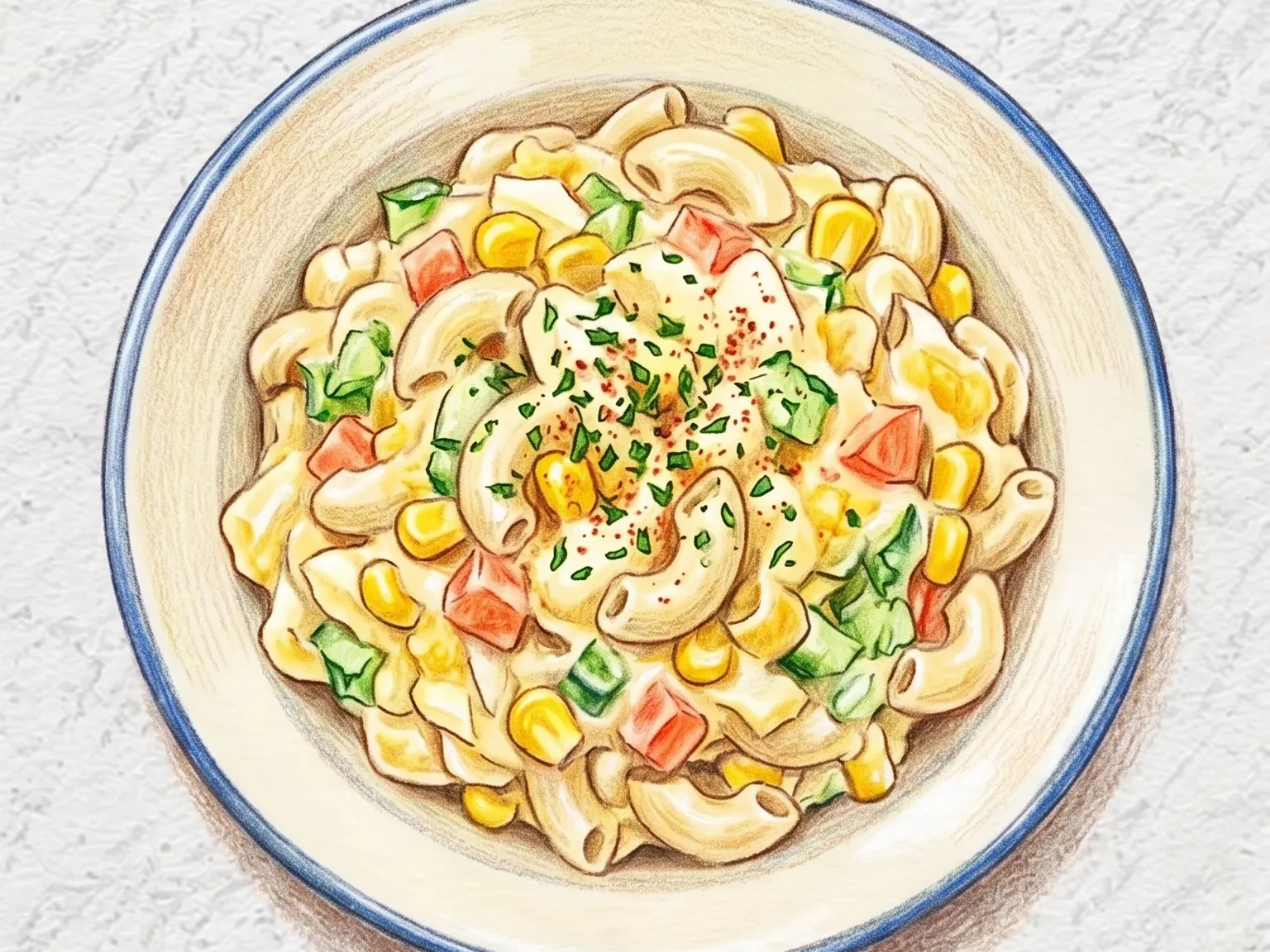
Korean Macaroni Salad (Sweet Mayo Pasta from Retro Diners)

Korean Macaroni Salad (Sweet Mayo Pasta from Retro Diners)

Korean macaroni salad is a retro banchan that became widespread through bunsikjip (Korean snack bars) and gyeongyangsik (Western-style Korean restaurants) during the 1970s and 80s. Compared to Western macaroni salad, the Korean version is noticeably sweeter - sugar is added to the dressing - and uses sweet corn kernels instead of mustard or herbs, contributing a pop of sweetness with each bite. The pasta is boiled for eight minutes to a texture softer than al dente, which is the Korean preference: slightly overdone noodles tangle better with the mayonnaise and absorb the dressing. Cucumber must be salted and squeezed to remove moisture, preventing the salad from turning watery over time. Carrot is blanched for just one minute to keep its bite. Chilling for at least twenty minutes firms the mayonnaise coating so it clings to the pasta. This salad appears alongside donkatsu and hamburger steak at gyeongyangsik restaurants and as a free banchan at gimbap shops.

Prep 15min Cook 10min 4 servings

Adjust Servings

2servings
servings

Instructions

  1. 1

    Boil macaroni in salted water for 8 minutes, then rinse and cool.

  2. 2

    Dice carrot and blanch for 1 minute, then cool.

  3. 3

    Finely dice cucumber and onion, then remove moisture with paper towel.

  4. 4

    Mix mayonnaise, sugar, and salt for the dressing.

  5. 5

    Add macaroni, vegetables, and corn; toss until evenly coated.

  6. 6

    Chill for 20 minutes before serving.

🛒Shop Ingredients on Amazon

As an Amazon Associate, we may earn from qualifying purchases.

Tips

Remove cucumber moisture to prevent a watery salad.
Replace some mayo with plain yogurt for a lighter taste.

Nutrition (per serving)

Calories
262
kcal
Protein
5
g
Carbs
30
g
Fat
13
g

More Recipes

Korean Cucumber Doenjang Salad
Side dishesEasy

Korean Cucumber Doenjang Salad

Oi-doenjang-muchim dresses cucumber in a doenjang-based seasoning - a milder alternative to the gochugaru-forward oi-muchim, foregrounding the fermented soybean paste's savory depth over spicy heat. Cucumber is sliced into half-moons or diagonal cuts and salted for five minutes to draw out moisture; skipping this step dilutes the dressing into a watery puddle. The seasoning blends doenjang, soup soy sauce, minced garlic, sesame oil, and sesame seeds, with the doenjang quantity being the critical ratio - too much and the dish is aggressively salty, too little and the cucumber's blandness dominates. Roughly one tablespoon of doenjang to two cucumbers is the working proportion. The cucumber's cool moisture meets doenjang's deep umami to produce a combination that is refreshing yet substantial enough to anchor a rice meal, especially in summer. This banchan must be eaten promptly after assembly - over time, osmotic pressure draws water from the cucumber and collapses its crunch. Served alongside grilled meat, the doenjang's savoriness complements the char while cleansing the palate.

🏠 Everyday🍱 Lunchbox
Prep 10min2 servings
Korean Seasoned Carrot Namul
Side dishesEasy

Korean Seasoned Carrot Namul

Carrot namul is one of the five-color banchan Koreans prepare for ancestral rites, where orange represents fire. Julienned thin, the carrots are salted briefly to shed water, then stir-fried with garlic for two to three minutes - just enough to soften the raw edge while keeping an audible crunch. No soy sauce or chili enters the pan; seasoning stays minimal to preserve natural sweetness. A final toss with sesame oil and seeds rounds out this clean, single-ingredient side.

🏠 Everyday🍱 Lunchbox
Prep 8minCook 6min2 servings
Korean Steamed Eggplant Namul
Side dishesEasy

Korean Steamed Eggplant Namul

Gaji namul strips eggplant down to its quietest expression - steamed until completely soft, then dressed with just soy sauce, garlic, and sesame oil. No chili, no vinegar, no fermented paste. The eggplant is halved and steamed for seven minutes until the flesh is uniformly tender, then torn into long shreds by hand along its natural fibers. This tearing technique creates rough surfaces that grip the minimal seasoning better than knife-cut pieces would. The dressed namul has a glossy, dark sheen from the sesame oil and soy sauce soaking into the porous flesh. Among Korean namul dishes, gaji namul stands out for its exceptionally soft, almost melting texture - it practically dissolves when mixed into warm rice. A traditional banchan in Korean Buddhist temple cuisine, where simplicity is a principle rather than a limitation.

🏠 Everyday🍱 Lunchbox
Prep 10minCook 8min4 servings
Korean Perilla Soybean Sprout Namul
Side dishesEasy

Korean Perilla Soybean Sprout Namul

Kongnamul - soybean sprouts - are Korea's most consumed vegetable, and this perilla-dressed version adds nutty depth missing from the plain sesame oil variety. Sprouts are steamed lid-sealed for five minutes, eliminating raw bean smell while keeping heads crunchy. Tossed with perilla powder, soup soy sauce, garlic, and sesame oil, the powder dissolves into a pale coating that turns each sprout creamy on the tongue. Chopped scallion adds green sharpness as contrast.

🥗 Light & Healthy🏠 Everyday
Prep 10minCook 8min4 servings
Korean Spicy Braised Tofu
Stir-fryEasy

Korean Spicy Braised Tofu

Spicy dubu-jorim pan-sears firm tofu slabs cut 1.5 centimeters thick until golden on both sides, then braises them in a sauce of soy sauce, gochugaru, garlic, and sugar. Searing first firms the tofu so it holds its shape through the eight-minute simmer, during which onion and green onion cook alongside in the reducing liquid. The chili flakes deliver a direct, persistent heat that penetrates the tofu as the sauce thickens, balanced by the sugar's sweetness. A final circle of sesame oil ties the flavors together with a roasted, nutty aroma.

🏠 Everyday🍱 Lunchbox
Prep 10minCook 15min2 servings
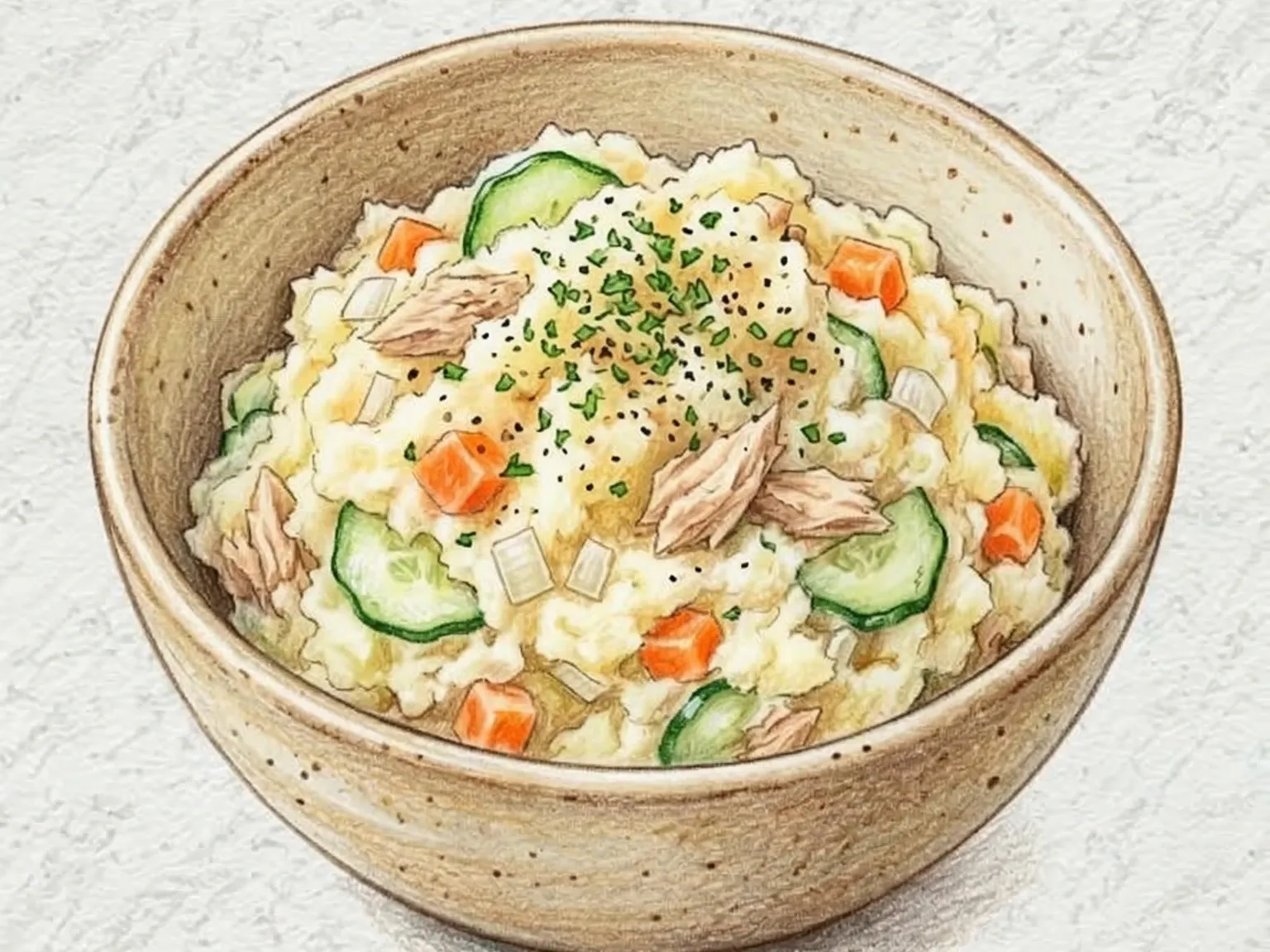
Tuna Potato Salad (Japanese Creamy Tuna and Potato Mix)
SaladsEasy

Tuna Potato Salad (Japanese Creamy Tuna and Potato Mix)

Tuna potato salad mashes boiled potatoes while still hot, then folds in drained canned tuna, salt-pressed cucumber, carrot, and onion with mayonnaise and whole grain mustard. Mashing the potatoes warm keeps the starch active, which bonds more effectively with the mayonnaise for a creamier result - but over-mashing turns the texture gluey, so leaving some chunks is ideal. Salting the chopped vegetables for five minutes and squeezing out the released moisture is essential to prevent a watery salad. The tuna must also be drained thoroughly in a strainer to keep the flavor clean. Whole grain mustard adds a peppery sharpness that cuts through the richness of the mayonnaise, and a twenty-minute chill in the refrigerator lets all the flavors meld evenly.

🥗 Light & Healthy🍱 Lunchbox
Prep 18minCook 20min4 servings
More Side dishes →