Red Lentil Soup

Red Lentil Soup

Quick answer

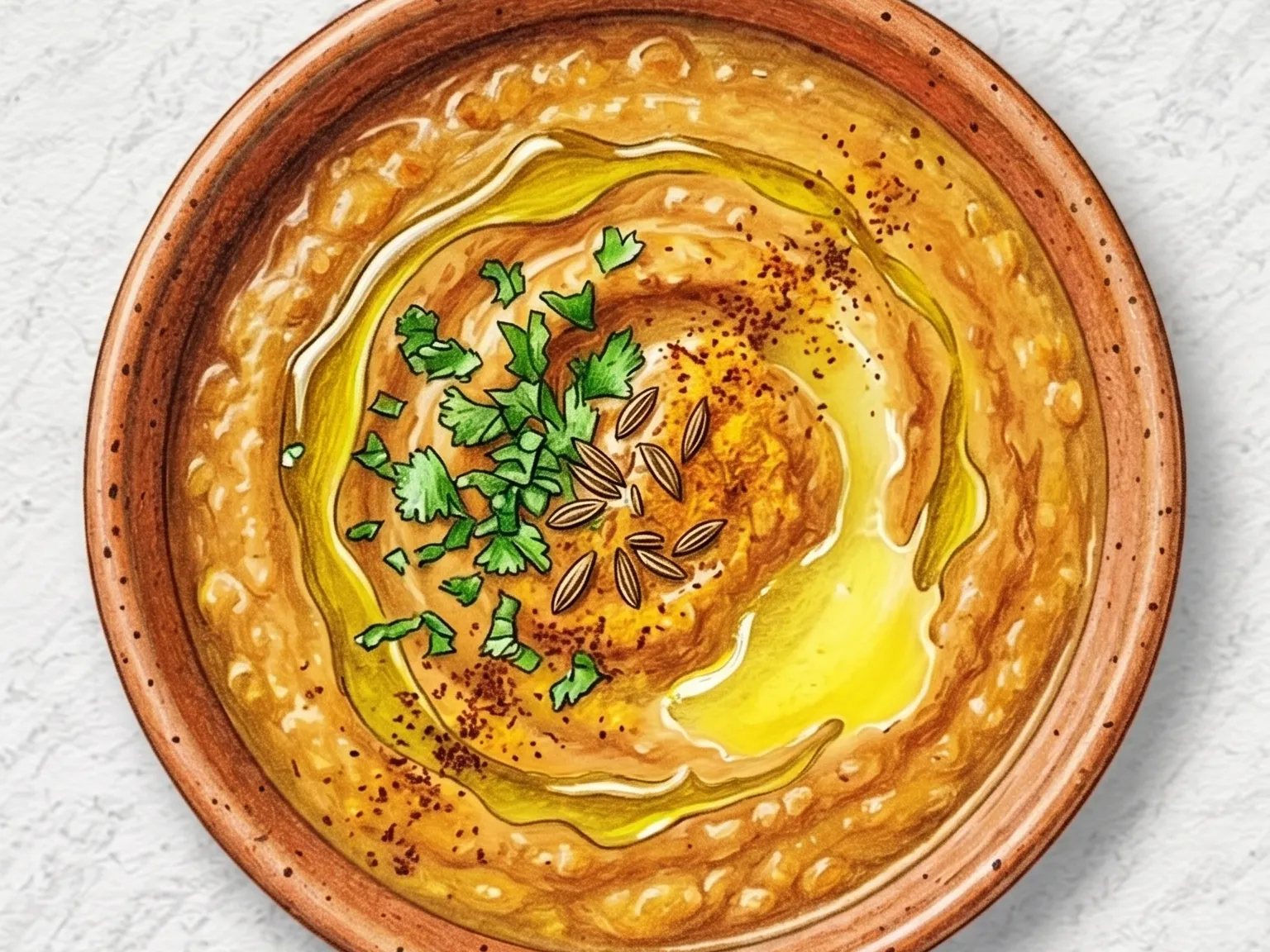
Red lentil soup is a Middle Eastern and Mediterranean staple made by simmering red lentils with cumin, turmeric, and vegetable stock until the lentils dissolve into a sil...

What makes this special

  • Red lentils simmer with cumin and turmeric until they dissolve into a silky gold broth.
  • Red lentils need no soaking; they shed their skins and turn creamy in 25 minutes
  • Cumin and turmeric bloomed in oil for 30 seconds fully release their earthy aroma
Total time
40 min
Level
Easy
Servings
4 servings
Ingredients
9
Calories
280 kcal
Protein
16 g

Key ingredients

Red lentilsOnionGarlicCuminTurmeric

Core cooking flow

  1. 1 Rinse 300 g red lentils under running water until the water looks mostly clear, then drain well.
  2. 2 Set a pot over medium heat and add most of the 2 tbsp olive oil, reserving a little for serving.
  3. 3 Add the garlic and cook for only 1 minute, just until the raw smell fades.

Red lentil soup is a Middle Eastern and Mediterranean staple made by simmering red lentils with cumin, turmeric, and vegetable stock until the lentils dissolve into a silky, golden broth. Onion and garlic are sauteed in olive oil, then the ground spices are toasted briefly to bloom their earthy, warm aromatics into the fat, which flavors the entire pot. Red lentils require no soaking - they go straight into the stock and break down within twenty to twenty-five minutes, their skins splitting apart to create a naturally creamy texture without the need for blending. A generous squeeze of lemon juice at the end is essential, cutting through the heaviness of the spices with a bright, clean acidity. A final drizzle of olive oil over each bowl adds a layer of richness that deepens every spoonful.

Prep 10min Cook 30min 4 servings
Recipes by ingredient → onion garlic lemon juice

Instructions

Read the steps as a cooking flow: prep, heat, seasoning, doneness control, and finish.

6 steps
  1. 1
    Prep

    Rinse 300 g red lentils under running water until the water looks mostly clear, then drain well.

    Finely chop 1 onion and 3 garlic cloves so they soften evenly and do not leave sharp pieces in the soup.

  2. 2
    Control

    Set a pot over medium heat and add most of the 2 tbsp olive oil, reserving a little for serving.

    Cook the onion for about 5 minutes, stirring often, until translucent but not browned.

  3. 3
    Heat

    Add the garlic and cook for only 1 minute, just until the raw smell fades.

    Stir in 1.5 tsp cumin and 0.5 tsp turmeric, then toast for 30 seconds so the spices bloom without scorching.

  4. 4
    Control

    Add the lentils, 1000 ml vegetable stock, and 1 tsp salt, then bring to a boil.

    Lower to gentle heat and simmer about 20 minutes, stirring occasionally so lentils do not stick to the bottom.

  5. 5
    Step

    When the lentils split and the soup looks thick and golden, check the texture.

    For a smoother bowl, blend only part of the soup with a hand blender, leaving some body rather than making it gluey.

  6. 6
    Finish

    Turn off the heat and stir in 2 tbsp lemon juice just before serving, then taste and adjust the salt if needed.

    Ladle into bowls and finish with the reserved olive oil on the surface.

After the steps

Pick a recipe that fits this dish.

Continue with shared ingredients, meal pairings, or a similar method.

Recipes That Go Well With This

More Western →

Based on shared ingredients and meal pairing

Shakshuka (Eggs Poached in Spiced Tomato Sauce)
Shared ingredient: onion Western

Shakshuka (Eggs Poached in Spiced Tomato Sauce)

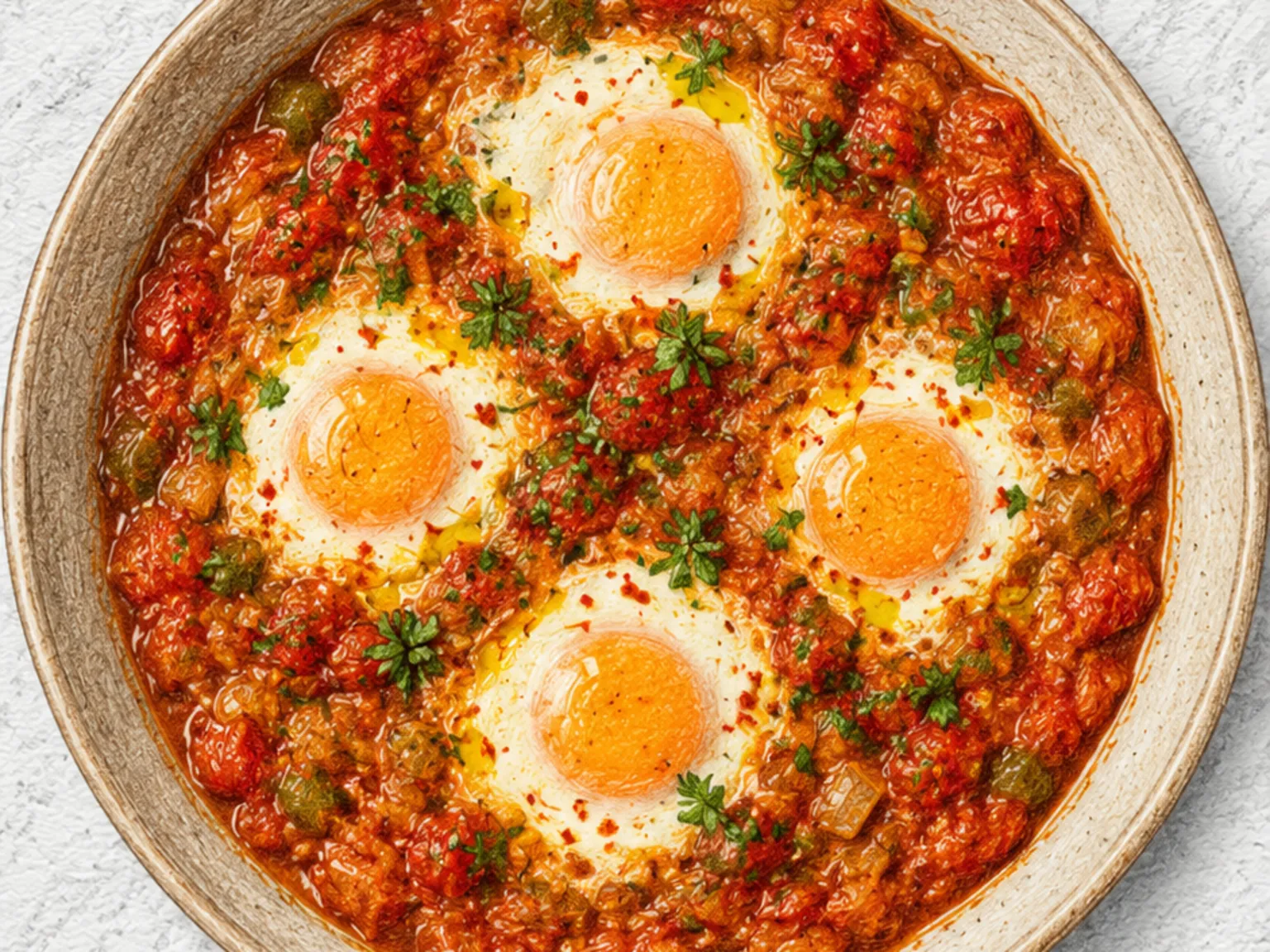
Shakshuka starts with onion and bell pepper softened in olive oil, followed by cumin, smoked paprika, and chili flakes bloomed briefly in the hot fat to unlock their oil-soluble aromas. Crushed whole tomatoes are added and simmered until the sauce thickens enough to hold its shape when a spoon is dragged through it. Eggs are cracked directly into wells made in the sauce, then the pan is covered and cooked for six to eight minutes so the whites set while the yolks stay runny. The spice profile delivers warm earthiness from the cumin, gentle smokiness from the paprika, and a low heat from the chili that builds gradually. Tearing bread and dragging it through a broken yolk and the surrounding sauce is the traditional way to eat it.

Falafel Salad Bowl
Shared ingredient: onion Salads

Falafel Salad Bowl

A falafel salad bowl arranges crisp, herb-packed chickpea fritters over a bed of mixed greens or grains alongside chopped cucumber, tomato, red onion, and pickled vegetables. The falafel are made from soaked raw chickpeas blended with parsley, cilantro, cumin, and garlic, then fried or baked until the exterior turns deeply golden while the interior stays bright green and moist. A generous drizzle of tahini dressing ties the bowl together with its nutty, slightly bitter sesame character, and a squeeze of fresh lemon lifts the entire dish. Adding cooked quinoa, bulgur, or couscous underneath turns it into a filling one-bowl meal. Each bite moves between crispy falafel, crunchy raw vegetables, and creamy dressing, so no two forkfuls feel the same. Originating across the Middle East, falafel has become an internationally recognized symbol of plant-based cooking, and this bowl format balances protein and fiber in a well-rounded single serving.

Fattoush Salad (Crispy Pita & Sumac Veggie Salad)
Serve together Salads

Fattoush Salad (Crispy Pita & Sumac Veggie Salad)

Fattoush is a Levantine bread salad in which crisped pita chips are as important as the vegetables surrounding them, providing a textural anchor that elevates the dish beyond a simple green salad. Tomatoes, cucumber, radishes, and romaine are cut into generous pieces and tossed with a dressing of lemon juice, olive oil, and ground sumac. Sumac brings a flavor that resists easy comparison - a tart, fruity sourness distinct from lemon and unrelated to vinegar - and its reddish hue stains the dressing a deep rose color that coats every surface. Added to lemon juice, sumac creates a layered acidity with more dimension than either ingredient alone. Pita chips must be added immediately before serving and eaten without delay, because the juicy vegetables and dressing begin softening them within minutes. The ideal bite captures both the residual crunch at the center of the chip and the moistened, flavor-soaked edge. Fresh mint and flat-leaf parsley contribute a clean herbal brightness that lifts the heavier elements of the dressing. Pomegranate seeds scattered over the top add bursts of sweet-tart juice and a jewel-like visual contrast that is characteristic of Levantine presentation.

Tabbouleh Salad (Middle Eastern herb salad)
Similar recipe Salads

Tabbouleh Salad (Middle Eastern herb salad)

Tabbouleh salad is a Middle Eastern herb salad where finely chopped parsley and mint are the main ingredients and bulgur plays a supporting textural role. The bulgur is soaked in boiling water until tender, then cooled to develop a nutty chew that anchors the bright greenery piled on top. Removing the seeds from the tomatoes before dicing prevents excess juice from diluting the lemon-olive oil dressing. The dressing itself is simple - lemon juice, olive oil, and salt - but its acidity lifts the grassy flavor of the herbs into something sharp and clean. Resting the assembled salad in the refrigerator for at least ten minutes allows the lemon to penetrate the bulgur, producing a consistent flavor in every bite.

Serve with this

Doenjang Clam Spinach Orzo
Pasta Medium

Doenjang Clam Spinach Orzo

Doenjang clam spinach orzo is a one-bowl pasta built by cooking orzo in doenjang-seasoned vegetable stock alongside clams in a method borrowed directly from risotto technique. The clams are first purged in salt water to remove sand, then steamed open in white wine so they release their briny cooking liquid into the pan. That liquid merges with the already-present fermented depth of doenjang to form a layered savory base that carries the pasta from the very first minute of cooking. Toasting the orzo in butter or oil before adding any liquid coats the starch on each grain, a step that slows its release and produces a consistently creamy sauce by the end rather than a gluey mass or a watery broth. The stock goes in two or three additions rather than all at once, each addition added only once the previous one has been absorbed, and the pasta is stirred throughout so the released starch works into the liquid rather than sinking to the bottom. Spinach added in the final thirty to sixty seconds of cooking wilts just enough to turn tender without losing its bright green color or dissolving into the sauce. A knob of cold butter stirred in off heat as the finishing touch emulsifies into the sauce, adding a glossy sheen and a rounded, buttery richness that ties all the flavors together.

🥗 Light & Healthy 🏠 Everyday
Prep 12min Cook 18min 2 servings
Korean Silkworm Pupae Broth
Drinks Medium

Korean Silkworm Pupae Broth

Beondegi-tang simmers canned silkworm pupae in a broth seasoned with soup soy sauce, gochugaru, and minced garlic, a staple street food soup served at Korean pojangmacha stalls. Sliced green onion and hot green chili cook alongside for eight minutes, letting the chili heat infuse the liquid while the pupae release a deep, earthy umami into every spoonful. Adding a splash of the canning liquid intensifies the savory depth, and the soup must be served piping hot to keep the aromatics lively. It is a classic pairing with soju or makgeolli, and while the chili level can be adjusted to taste, the soy sauce quantity should stay fixed to temper the pupae's distinctive aroma.

🍺 Bar Snacks 🥗 Light & Healthy
Prep 8min Cook 15min 2 servings
Candied Sweet Potato
Desserts Easy

Candied Sweet Potato

Goguma mattang is a Korean candied sweet potato snack made by cutting peeled sweet potatoes into large chunks and deep-frying them at 170 degrees Celsius until the interior turns floury and soft. A syrup of sugar, corn syrup, water, and a measured splash of soy sauce is cooked separately until large, foamy bubbles form - the visual cue for adding the fried sweet potatoes. Everything must be coated within thirty seconds to lock in a thin, glass-like caramel shell that crisps and turns translucent as it cools. The soy sauce shifts the flavor from purely sweet to a rounded, slightly savory depth. Pre-draining surface moisture from the cut sweet potatoes reduces oil splatter during frying and helps the syrup grip the pieces evenly. Black sesame seeds are scattered over the finished pieces for a toasted, nutty note, and each piece is spread individually on parchment paper while still warm so they cool without sticking together.

🏠 Everyday 🧒 Kid-Friendly
Prep 15min Cook 20min 4 servings

Similar recipes

Knafeh (Crispy Shredded Pastry with Cheese)
Baking Medium

Knafeh (Crispy Shredded Pastry with Cheese)

Shredded kataifi pastry is tossed in melted butter, pressed into a pan, layered with mozzarella cheese, and baked until the strands turn golden and shatteringly crisp. The butter saturates every strand during baking, creating an intensely rich, crunchy base. Between the two layers of pastry, the cheese melts into a stretchy, creamy sheet that pulls apart in long strings when the dessert is cut. A syrup of sugar, water, and lemon juice, poured hot over the hot pastry, sinks into the crunchy layers almost instantly, glazing them with a sweet, barely tart coating that balances the cheese's mild salinity. Crushed pistachios scattered on top add a vivid green contrast and a firm, nutty bite that breaks up the otherwise uniform texture. The interplay of crunchy, stretchy, and syrupy in a single forkful is what makes knafeh distinctive. It must be served immediately; the pastry softens as it sits, and the contrast between crisp and molten fades.

🎉 Special Occasion 🧒 Kid-Friendly
Prep 20min Cook 25min 4 servings
Roasted Cauliflower Tahini Salad
Salads Easy

Roasted Cauliflower Tahini Salad

Cauliflower florets reach a specific texture and flavor profile when roasted in a mixture of olive oil and salt. This process continues in the oven until the edges of the vegetable turn a deep golden brown. This dry heat method creates a transformation that is distinct from moist heat methods like steaming or boiling. High oven temperatures trigger caramelization and the Maillard reaction, which together extract a nutty and slightly sweet complexity from the cauliflower. This development is significant because the vegetable is otherwise quite mild and neutral in its raw or boiled state. The concentrated flavor resulting from roasting provides the necessary foundation for the tahini dressing. Because the dressing is thick and carries a heavy sesame richness, it requires the caramelized depth of the roasted cauliflower to act as a balance. Without this roasting process, the dressing might easily overpower a vegetable that has not developed its own strong character. The preparation of the sauce involves whisking tahini paste with fresh lemon juice and minced garlic. This mixture is stirred until it becomes smooth. The acidity from the lemon juice is essential here as it cuts through the density of the sesame paste. This ensures the final sauce remains bright on the palate instead of feeling heavy or overly thick. To complete the dish, large amounts of chopped flat-leaf parsley are scattered over the top. This addition introduces a vivid green color and a clean herbal quality that serves to offset the richness of both the tahini and the oil used during the roasting process. A light dusting of cumin or smoked paprika can be applied as a final step to sharpen the Middle Eastern characteristics of the salad. The final result presents a series of layered flavors including the toasted sesame from the tahini, the caramelized edges of the cauliflower, the sharp acid of the lemon, and the clean finish provided by the parsley. Each of these components acts as a distinct note within the overall composition. This combination is a common staple in Middle Eastern culinary traditions. It functions well when served alongside flatbread or as an accompaniment to grilled portions of meat or fish.

🥗 Light & Healthy 🏠 Everyday
Prep 15min Cook 25min 2 servings
Baklava
Baking Hard

Baklava

Baklava is a historical pastry dessert consisting of multiple layers, which holds a significant place in the culinary cultures of the Middle East, Turkey, and the Mediterranean region. The preparation involves taking extremely thin sheets of phyllo dough and stacking them one by one inside a baking pan that has been coated with grease. To achieve a uniform golden color and a crunchy consistency, every single layer of the dough is brushed thoroughly with a generous amount of melted butter. Between these stacked phyllo sheets, a mixture made of finely chopped walnuts and pistachios is distributed at specific intervals. This nut filling is typically seasoned with ground cinnamon to add a specific aromatic quality to the internal layers of the pastry. Before the assembled pastry is placed into the oven, it is carefully cut into diamond or square shapes. This scoring process is essential because it creates paths for the syrup to flow deep into every individual piece later. The baking process occurs at a temperature of approximately 175 degrees Celsius, continuing until the pastry reaches a deep golden hue across its entire surface. While the pastry is still hot from the oven, a liquid syrup consisting of sugar, honey, water, and a small amount of fresh lemon juice is poured over the whole pan. The crisp layers of the dough absorb this liquid over a period of several hours. This gradual absorption results in a specific final texture where the pastry remains both extremely brittle and noticeably moist at the same time. The inclusion of ground cinnamon within the nut layers provides a warm spice profile that helps to provide a contrast to the high level of sweetness from the honey syrup. In traditional settings, baklava is often presented on a plate next to a cup of unsweetened Turkish coffee or a serving of bitter tea. These beverages are chosen because their natural bitterness helps to balance the heavy richness of the dessert. When stored in an airtight container at room temperature, this pastry maintains its quality for more than a week.

🎉 Special Occasion 🧒 Kid-Friendly
Prep 30min Cook 40min 4 servings

Tips

Add lemon juice just before serving to preserve its bright, fresh acidity.

Nutrition (per serving)

Calories
280
kcal
Protein
16
g
Carbs
44
g
Fat
6
g