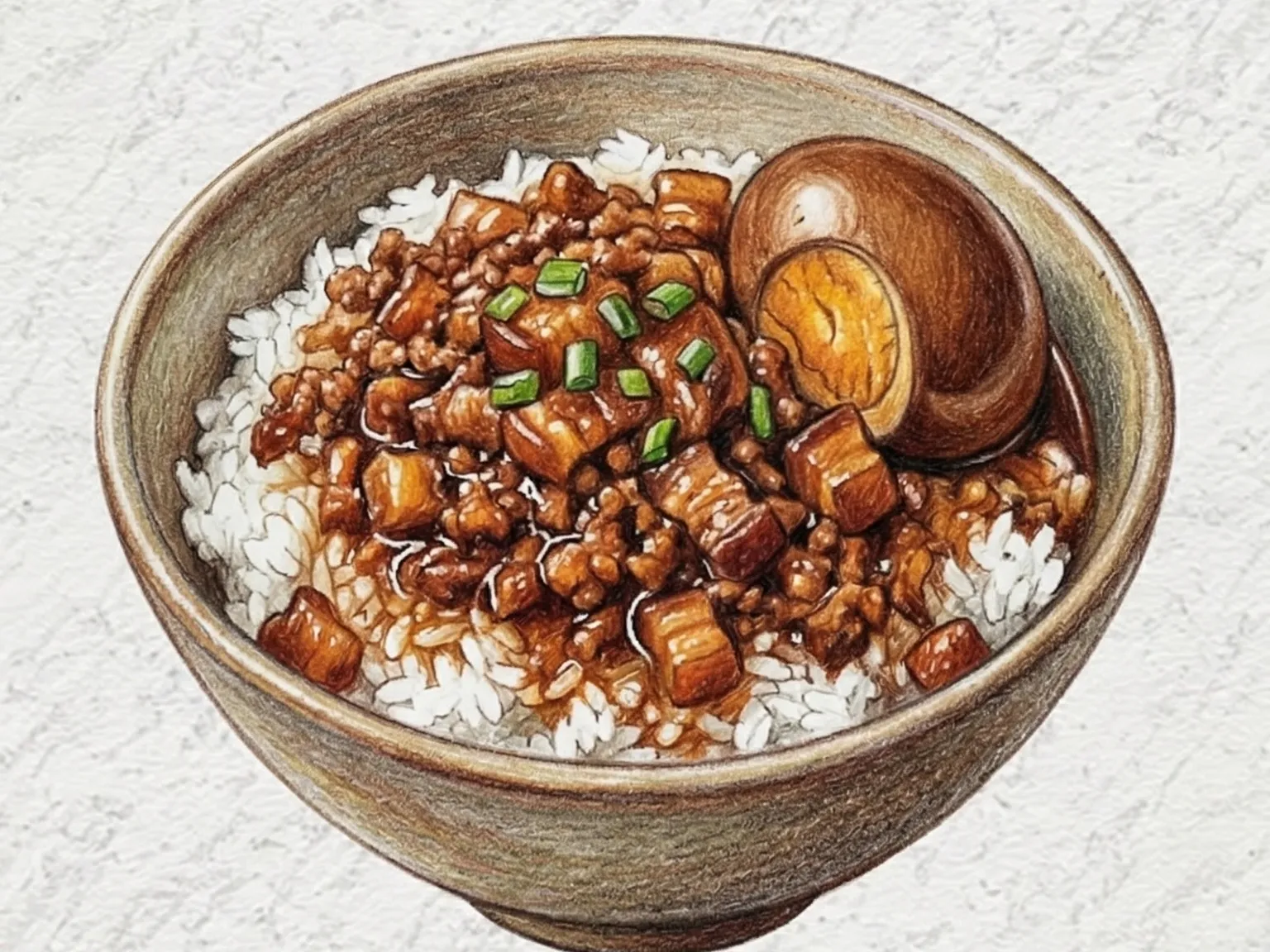
Taiwanese Braised Pork (Five-Spice Belly Rice Bowl)
Quick answer
Lu rou fan is a Taiwanese braised pork rice dish in which minced or coarsely chopped pork belly is simmered long and slow with soy sauce, five-spice powder, and rock sugar.
What makes this special
- Lu-rou-fan-braise builds a deep, aromatic Taiwanese pork glaze using rock sugar and five-spice.
- Caramelized rock sugar builds a thick, deep-brown glossy sauce naturally
- Five-spice powder's star anise, cinnamon, clove, Sichuan pepper and fennel set it apart
Key ingredients
Core cooking flow
- 1 Finely chop 80 g shallots and warm the pan over medium heat.
- 2 Add 500 g ground pork and raise the heat to medium-high.
- 3 Add 3 tablespoons soy sauce, 1 tablespoon sugar, and 1 tablespoon rice wine first.
Lu rou fan is a Taiwanese braised pork rice dish in which minced or coarsely chopped pork belly is simmered long and slow with soy sauce, five-spice powder, and rock sugar. The process starts over high heat to render the fat, then soy sauce and water go in while the rock sugar caramelizes gradually, building a thick, glossy sauce that clings to every piece of meat. The five-spice blend - star anise, cinnamon, clove, Sichuan pepper, and fennel seed - permeates the entire braise with a layered aromatic complexity that separates this dish from a simple soy-braised pork, and achieving the right balance of these spices is the most important variable. Hard-boiled eggs braised alongside the pork absorb the dark sauce through their whites, turning amber-brown and taking on a savory, lightly spiced flavor - this is the traditional accompaniment and an essential part of the complete dish. Ladled generously over hot rice so the sauce seeps between every grain, lu rou fan is one of Taiwan's most beloved night market comfort foods, eaten across all generations.
Instructions
Read the steps as a cooking flow: prep, heat, seasoning, doneness control, and finish.
- 1Control
Finely chop 80 g shallots and warm the pan over medium heat.
Stir for about 5 minutes, spreading them evenly, until the edges turn golden and fragrant without letting the small pieces scorch.
- 2Control
Add 500 g ground pork and raise the heat to medium-high.
Break it up thoroughly and cook until the steam reduces, the meat loses its raw color, and the rendered fat looks clearer.
- 3Season
Add 3 tablespoons soy sauce, 1 tablespoon sugar, and 1 tablespoon rice wine first.
Scrape the bottom as you stir so the browned bits dissolve into the pork and the mixture turns glossy.
- 4Step
Add 0.5 teaspoon five-spice powder and 1 star anise.
Stir for about 1 minute so the spices coat the pork evenly, but keep the heat controlled so the powder does not burn.
- 5Control
Pour in 500 ml water and bring it to a boil, then lower the heat.
Simmer for 50 minutes, stirring occasionally and scraping the bottom so the sauce reduces without sticking.
- 6Season
Turn off the heat when the pork is tender and the sauce is thick enough to seep into rice without looking watery.
Remove the star anise and ladle generously over hot rice.
After the steps
Pick a recipe that fits this dish.
Continue with shared ingredients, meal pairings, or a similar method.
Recipes That Go Well With This
More Steamed →Based on shared ingredients and meal pairing
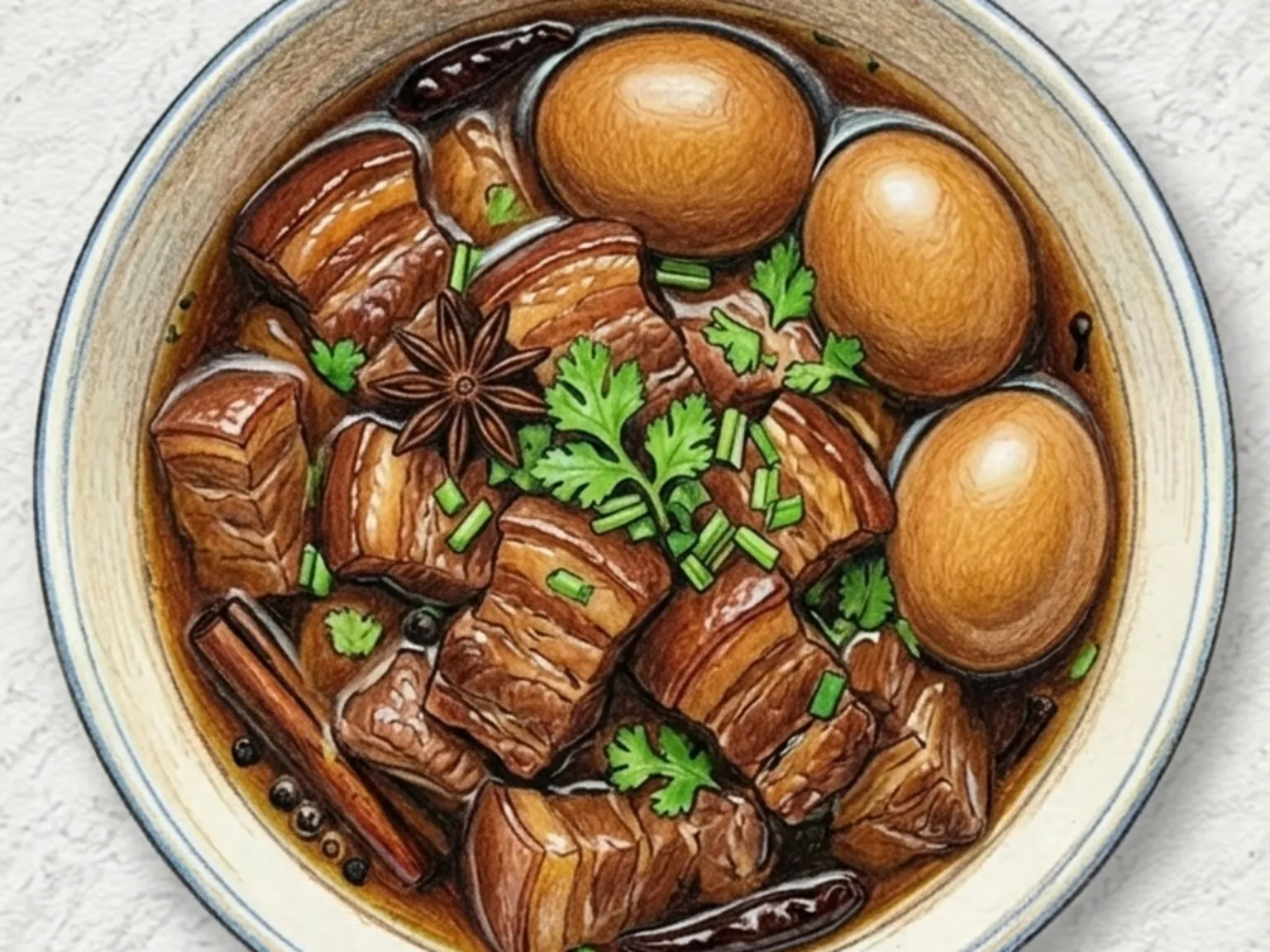
Thai Five-Spice Braised Pork and Eggs
Moo palo is a Thai home-cooked braise of pork belly and soft-boiled eggs simmered slowly in a sauce built from soy sauce, palm sugar, and five-spice powder. The palm sugar goes into a dry pot first, caramelized until it turns a deep amber before the pork is added, which gives the meat a rich lacquered surface rather than a pale stew color. Five-spice powder draws together cinnamon, star anise, clove, fennel seed, and Sichuan pepper into a layered fragrance that permeates the braising liquid from the start, setting moo palo apart from simpler soy-based stews. Peeled eggs submerged in the liquid take on a uniform mahogany tint as they cook, absorbing the seasoning all the way to the yolk over the long simmer. Pork belly or shoulder with a good ratio of fat to lean is the right cut here, as the fat melts into the liquid and keeps the meat from drying out during the extended cooking time. Spooned over a bowl of steamed jasmine rice, the braise delivers a warm, sweet-salty depth punctuated by gentle spice heat, the kind of satisfying everyday meal that is central to Thai home cooking.
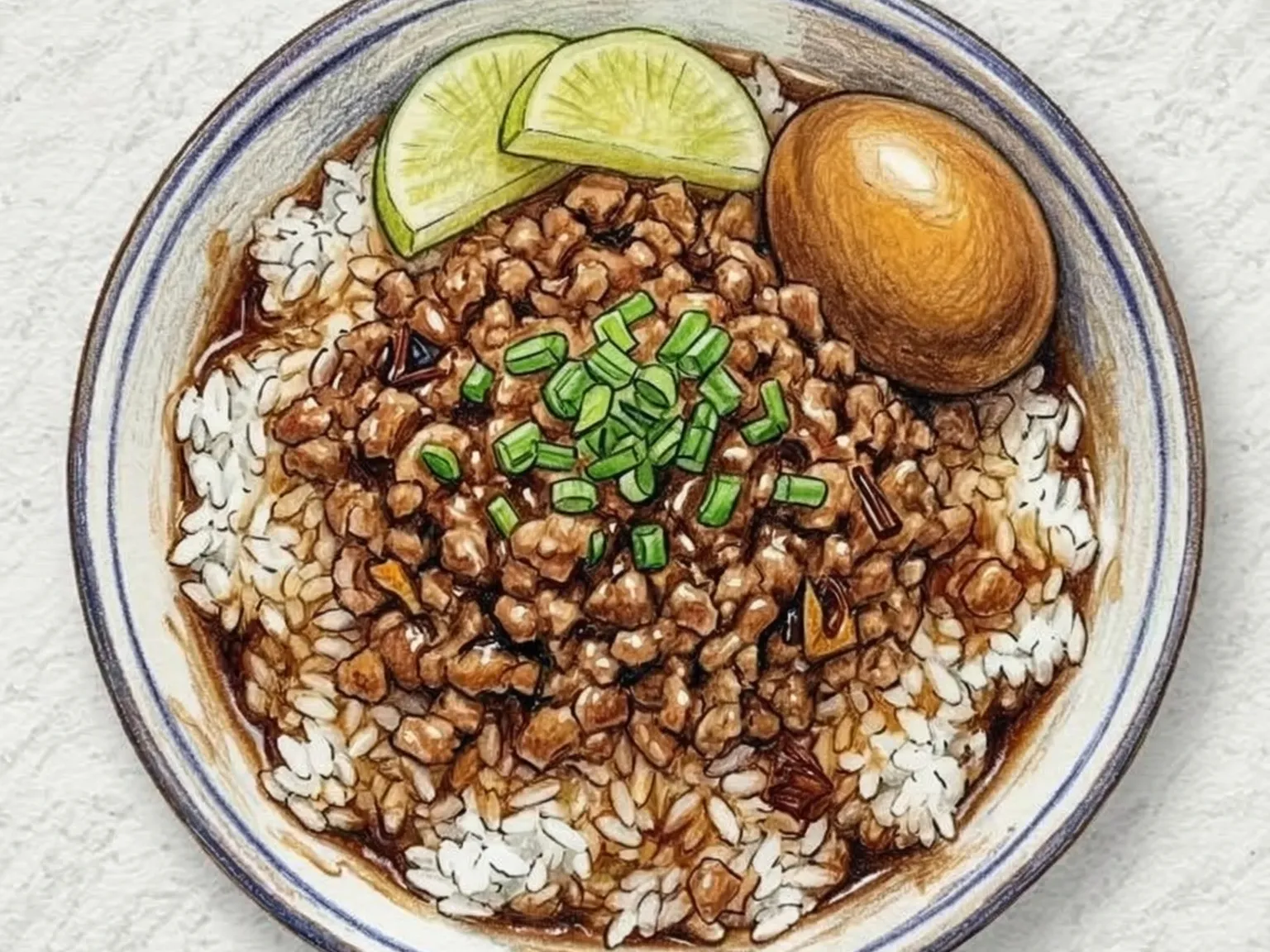
Lu Rou Fan (Taiwanese Braised Pork Belly Rice Bowl)
Lu rou fan is Taiwan's most deeply embedded comfort food, a bowl of steamed white rice topped with minced pork that has been braised low and slow in soy sauce, rice wine, and five-spice powder until the fat renders completely and the cooking liquid reduces into a thick, glossy sauce. Star anise and cinnamon permeate the meat during the long simmer, contributing a warm, aromatic layer that is present but never sharp enough to dominate. Sold from roadside stalls and neighborhood restaurants across Taiwan at all hours and at minimal cost, it is both an everyday staple and a dish people return to throughout their lives. Pickled daikon served alongside cuts through the richness of the braising sauce with its crunch and acidity, providing the contrast that makes the combination more satisfying than either element alone. A soy-braised egg with a jammy yolk adds another textured component, and a small bunch of blanched greens rounds out the bowl with something light and clean. The braising liquid deepens significantly with time, so simmering for at least thirty minutes over gentle heat is what separates a properly developed lu rou fan from a rushed version.
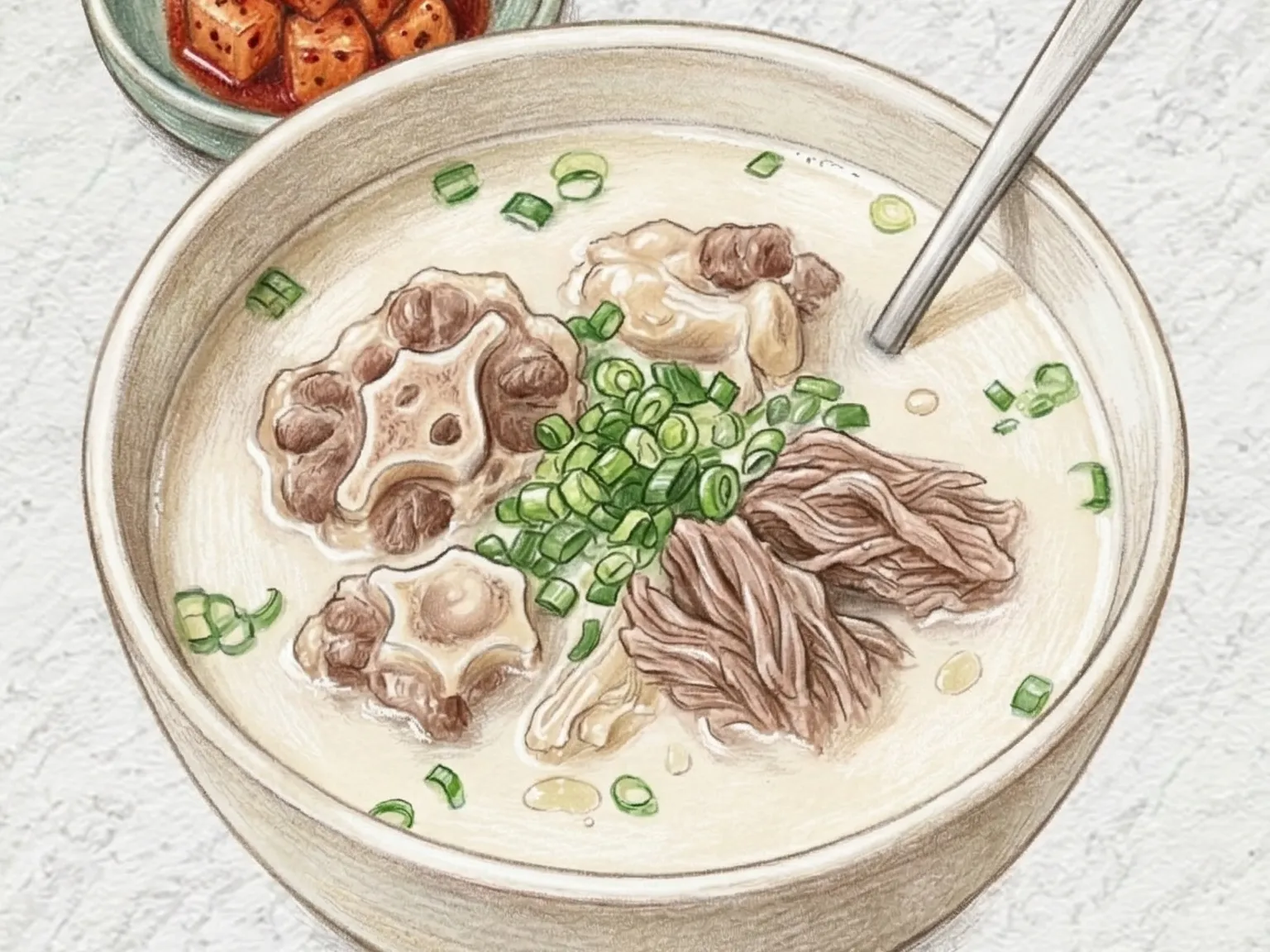
Korean Oxtail Soup
Sokori-guk demands patience - oxtail pieces are soaked in cold water to draw out blood, then placed in a heavy pot with enough water to cover and simmered for at least three to four hours. During that long, slow cook, collagen buried in the joints and connective tissue dissolves into the liquid, producing a broth so rich in gelatin that it sets into a solid block when refrigerated. Skimming fat and foam at regular intervals keeps the final broth a clean, milky white with no greasy residue. The meat, once it slides easily off the bone, is torn along the grain into shreds that are impossibly soft, while the tendon segments offer a pleasantly bouncy chew. Seasoning is deliberately minimal - coarse salt, black pepper, and sliced scallion - because the bones themselves have already contributed all the depth the soup needs. Served with a bowl of steamed rice and a side of kkakdugi, the cubed radish kimchi's sharp tang provides the only counterpoint this quietly powerful broth requires.
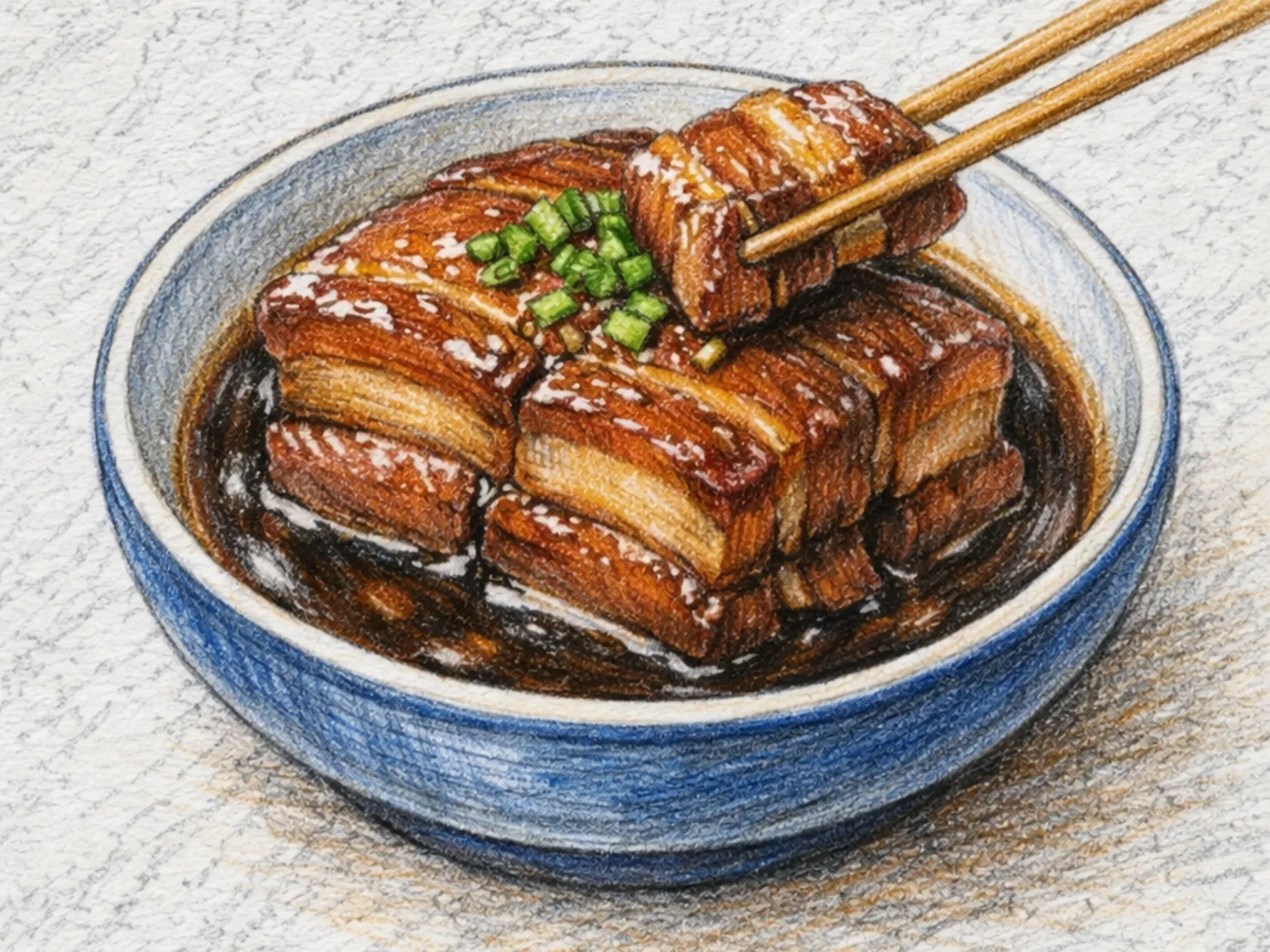
Dongpo Pork (Chinese Soy-Braised Melt-in-Mouth Pork Belly)
Dongpo rou is a Chinese-style pork belly braised slowly in soy sauce, rice wine, sugar, ginger, and green onion until the fat turns translucent and the lean sections absorb a deep mahogany glaze. The belly is cut into thick five-centimeter squares and tied with kitchen twine so the layers stay together over the long cook. Searing the pieces briefly in hot oil before moving them to the braising liquid is not decorative; the Maillard reaction at the surface builds color and aroma that carry into the finished dish. Long cooking over low heat renders the fat layers meltingly soft, while the lean portions turn a deep mahogany from the soy and sugar. Rice wine drives off any porkiness and ginger sharpens the finish, though the dominant impression is a sweet, deeply savory richness. Named after the Song dynasty poet Su Dongpo, the dish is appreciated for the luxurious texture of the rendered fat as much as for its flavor. Reducing the braising liquid separately and spooning it over the finished pieces produces a glossy coat that makes the plated result visually striking.
Serve with this
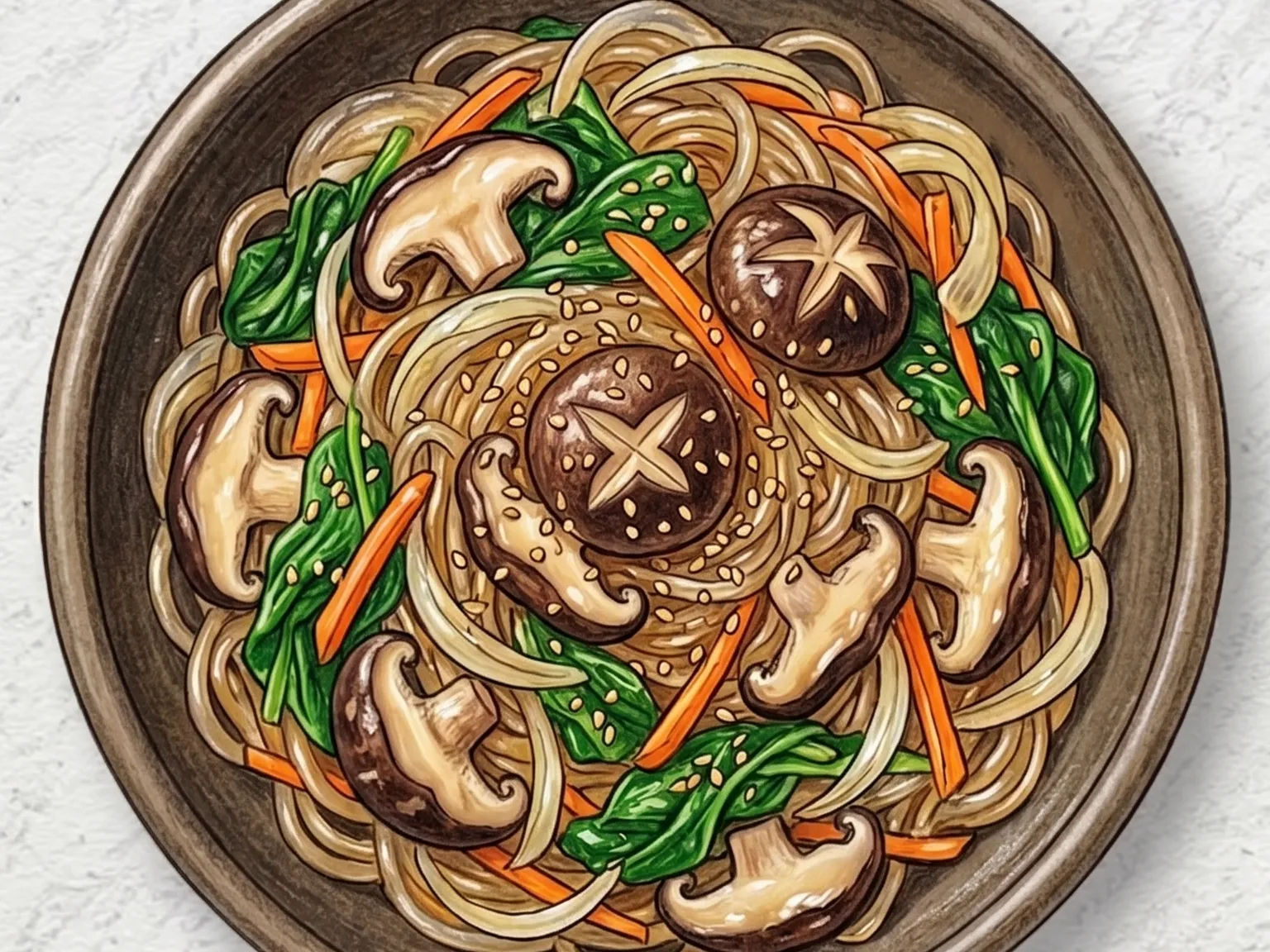
Korean Mushroom Japchae (Shiitake Glass Noodle Stir-Fry)
Beoseot japchae replaces beef with shiitake mushrooms as the primary source of savory depth, making it a staple of Buddhist temple cuisine and vegetarian tables alike. Sweet potato noodles are soaked and boiled, then rinsed in cold water immediately to lock in a firm, springy texture. Shiitake, spinach, carrot, and onion are each cooked separately - their moisture levels and heat tolerances differ enough that combining them prematurely flattens every component. Soy sauce, sugar, minced garlic, and sesame oil bring the noodles and vegetables together, and the finished dish rests for ten minutes so the seasoning penetrates the noodles evenly. The result is a japchae where the mushroom carries genuine umami weight without any meat.
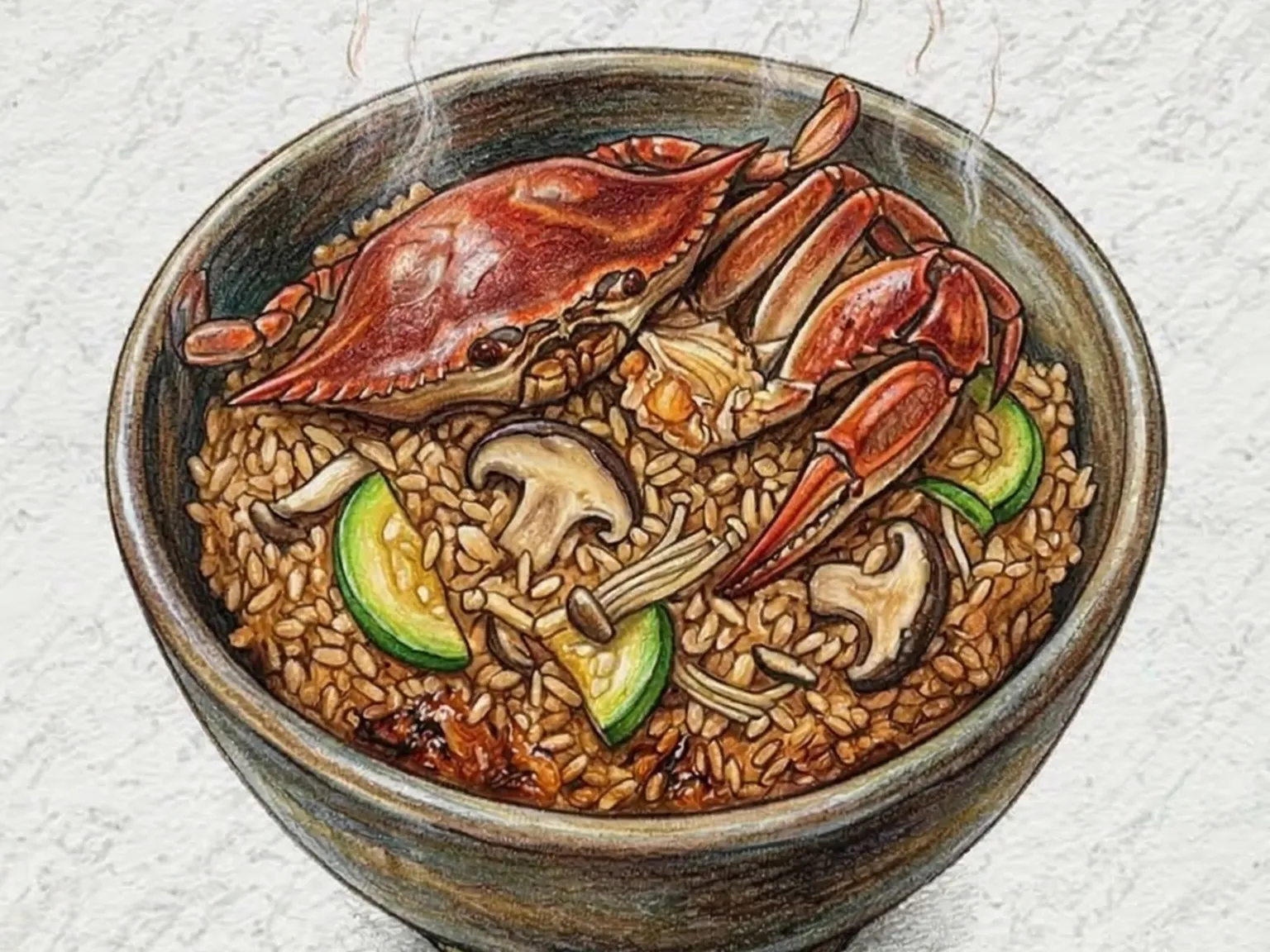
Korean Blue Crab Doenjang Pot Rice
Cleaned blue crab sits atop soaked rice in a heavy pot, cooked in anchovy-kelp stock that has been infused with dissolved doenjang. Garlic and vegetables are sauteed first in perilla oil to build an aromatic base before the stock-doenjang mixture is poured in and brought to a boil. The crab goes on top and the pot is covered for five minutes on high heat, fifteen minutes on low, then ten minutes off the heat to rest and steam through. The crab's briny sweetness and the doenjang's fermented, earthy depth soak into every grain of rice during the long, slow cook. Zucchini and shiitake mushrooms add a mild sweetness that tempers the saltiness and rounds out the bowl. One additional minute on low heat after resting creates a golden, nutty nurungji crust at the bottom, a prized texture in Korean pot rice. Doenjang saltiness varies by brand, so tasting the diluted stock before adding rice lets you calibrate without oversalting. A few slices of cheongyang chili on top cut through the fermented richness and add a sharp finishing heat.
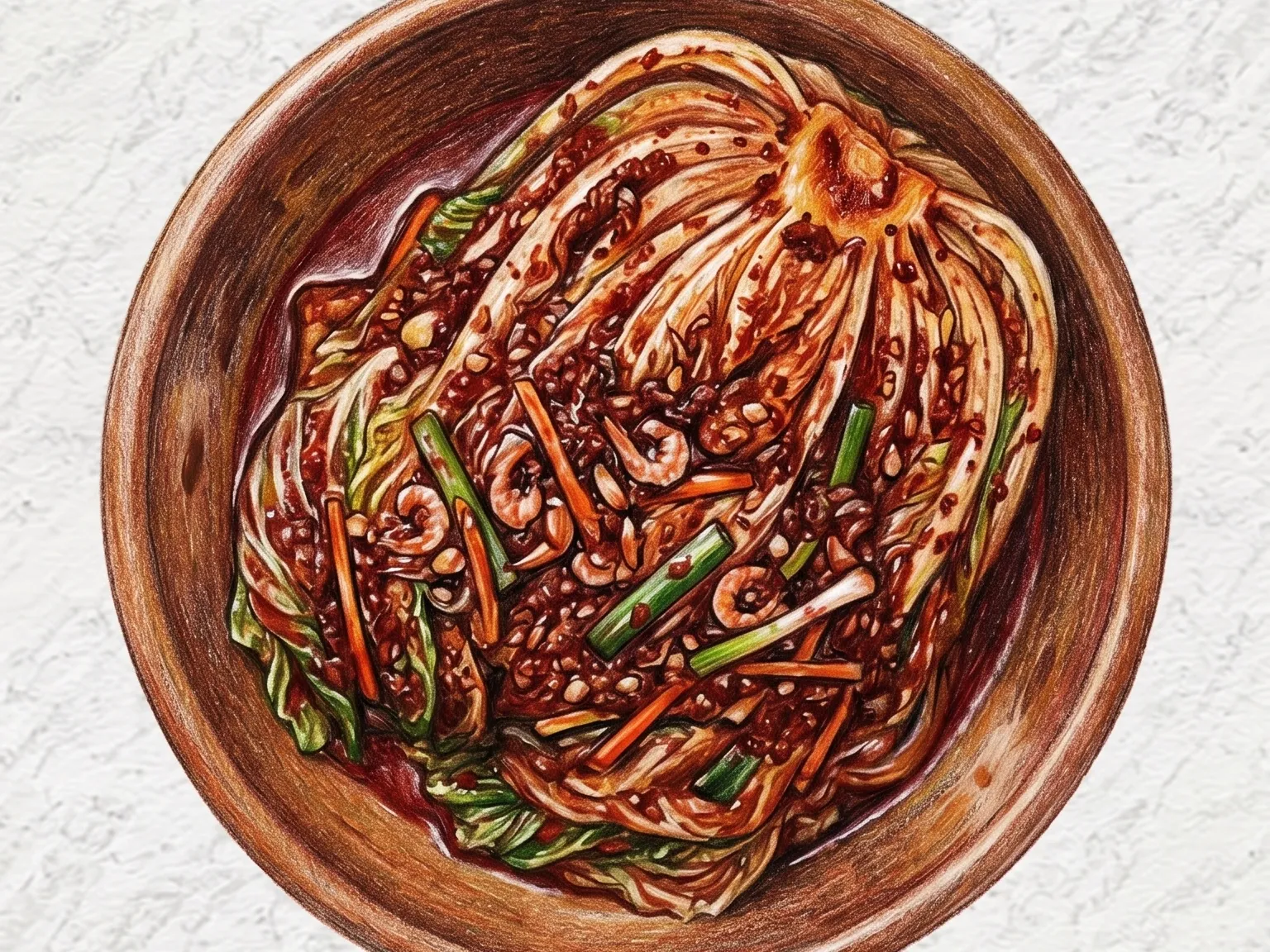
Authentic Jeolla-style Kimchi
Authentic Jeolla-style Kimchi is a traditional Southern-style cabbage kimchi featuring a rich, deep flavor profile. The sauce is built on a base of glutinous rice paste combined with chili flakes, minced garlic, and chopped sea staghorn, which adds a refreshing oceanic note as it ferments. A distinct savory depth is achieved by combining rich anchovy fish sauce with yellow croaker sauce. Shredded radish and green onions are tossed into this paste before stuffing it generously between each leaf of the salted cabbages. The cabbages are then wrapped with their outer leaves to lock in the seasonings. Packing the kimchi tightly into containers to minimize air exposure during fermentation prevents off-odors and ensures a clean, intense flavor profile typical of Southern Korean cuisine.
Similar recipes
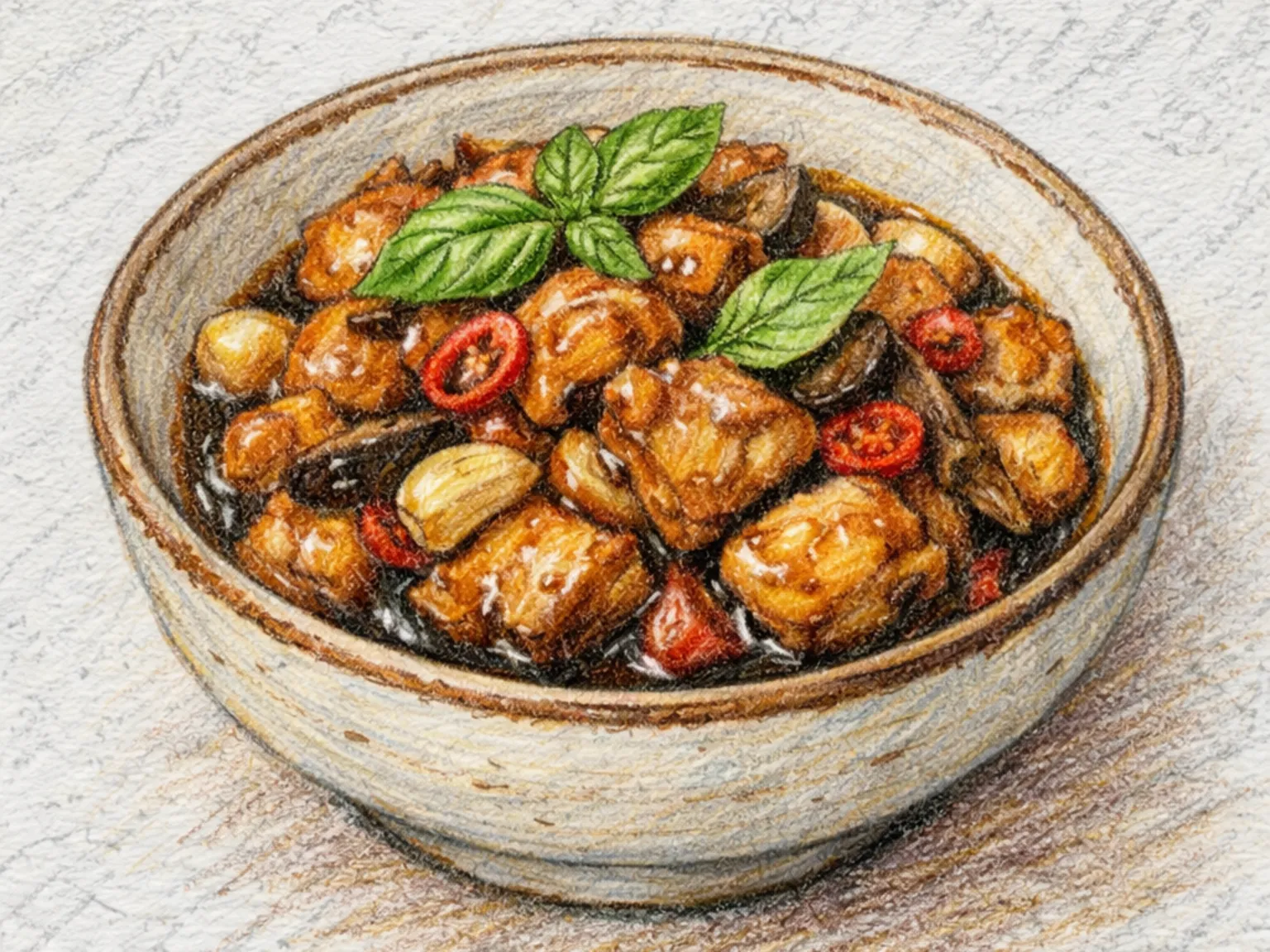
Three Cup Chicken (Taiwanese Soy Sesame Oil Rice Wine Braised Chicken)
San bei ji, or Three Cup Chicken, is a Taiwanese braise named for the equal measures of soy sauce, sesame oil, and rice wine that form its sauce. The cooking begins with toasted sesame oil in a clay pot, followed by thin slices of garlic and ginger fried until golden. Bone-in chicken pieces, seared to a light crust, join the pot along with the soy sauce and rice wine. As the liquid reduces over moderate heat, it thickens into a dark, glossy glaze that coats every piece of chicken. The final and defining step is a generous handful of Thai basil leaves stirred in just before serving - the residual heat wilts the leaves and releases a sharp, peppery aroma that lifts the rich sauce. The dish is served directly in the clay pot, still bubbling, and paired with plain steamed rice to soak up the concentrated sauce.
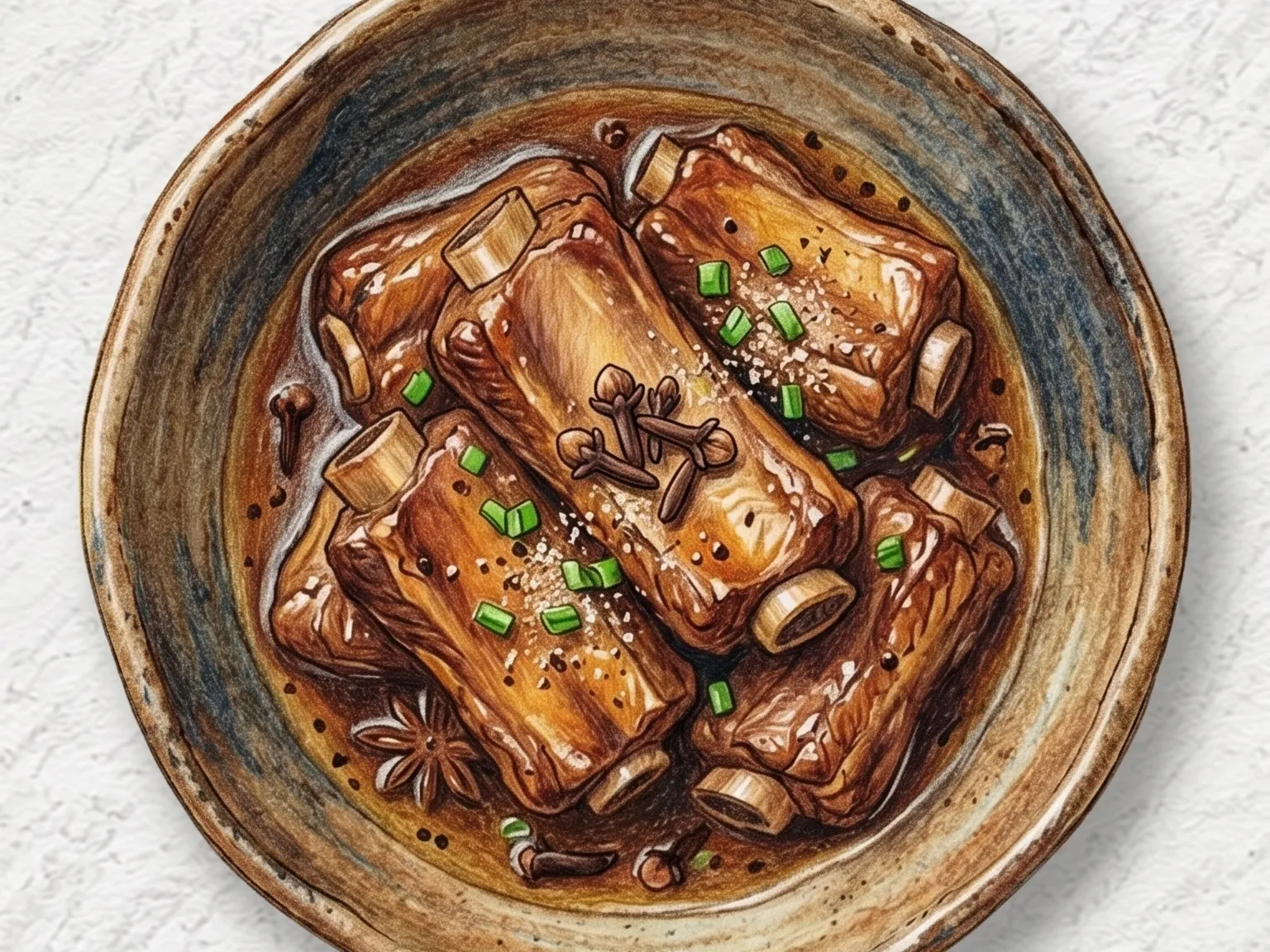
Clove-Scented Lu Shui Braised Pork Ribs
Clove-Scented Lu Shui Braised Pork Ribs is a Taiwanese-style dish featuring tender meat coated in a glossy, aromatic sauce. The cooking process starts by soaking the ribs in cold water to extract blood and blanching them to remove impurities. Rock sugar is then melted and caramelized in oil to create a deep amber base that gives the pork a mahogany finish. Sautéing the ribs with five cloves, two star anise, sliced ginger, and green onion allows the spices to bloom. The ribs are braised with soy sauce, dark soy sauce, Shaoxing wine, and water on low heat for forty to fifty minutes. This slow cooking makes the meat tender enough to slip off the bone. Uncovering the pan for the final minutes reduces the liquid into a glaze. The strong aroma of cloves requires keeping to the specified count to maintain flavor balance.

Chinese Red-Braised Pork Belly
Hong shao rou, red-braised pork belly, originated in the Suzhou region before spreading across China to become one of the country's defining braised dishes. Cubed pork belly is briefly boiled to remove impurities, then the pot is dried and sugar is melted alone until it reaches a deep amber caramel. The pork returns to the pot to coat every surface before dark soy sauce, light soy sauce, Shaoxing rice wine, fresh ginger slices, and star anise are added. Covered and simmered over low heat for sixty to ninety minutes, the fat layers slowly dissolve into the braising liquid while the lean meat becomes tender enough to break apart with chopsticks without any pressure. The sauce reduces to a thick, mahogany-lacquered glaze that carries layers of sweetness, salt, and the faintly medicinal warmth of star anise. Served over plain steamed rice with a generous spoonful of the sauce poured over the bowl, the dish transforms the simplest grain into a complete and deeply satisfying meal.