Madeleines (French Shell-Shaped Brown Butter Cakes)
Quick answer
These French cakes are defined by their distinct shell shape and the specific use of browned butter during preparation.
What makes this special
- Shell-shaped French Madeleines gain a deep, hazelnut-toasty profile from browned butter.
- Brown butter's hazelnut-toasty depth sets these apart from plain buttered cakes
- One hour chill then hot tin creates the characteristic back hump
Key ingredients
Core cooking flow
- 1 Melt 100 g unsalted butter over medium-low heat until the foam turns light brown and smells toasted.
- 2 Mix 2 eggs with 100 g sugar until the grains feel reduced and the mixture looks slightly lighter.
- 3 Add 100 g cake flour, 0.5 teaspoon baking powder, and the zest of 1 lemon.
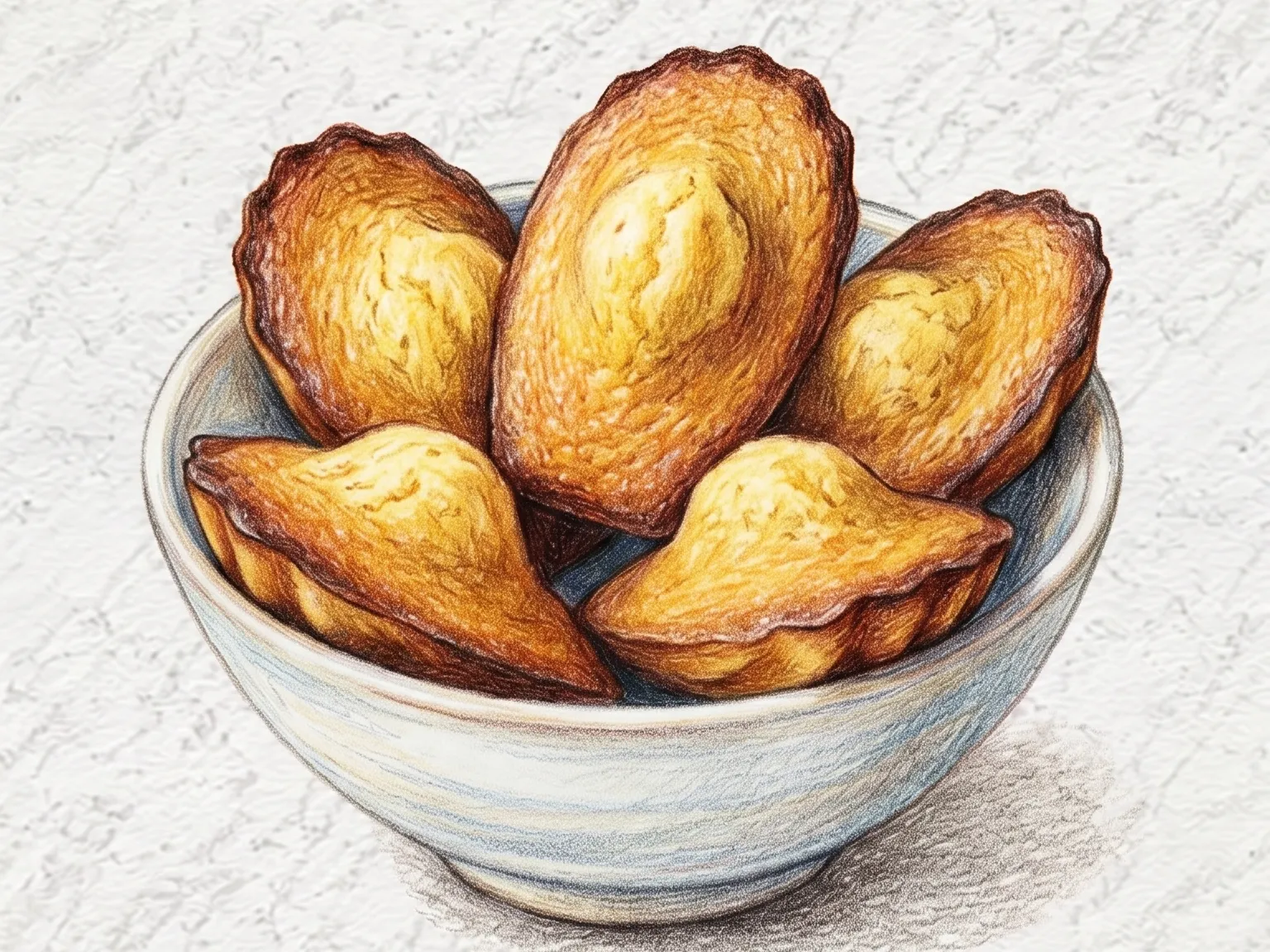
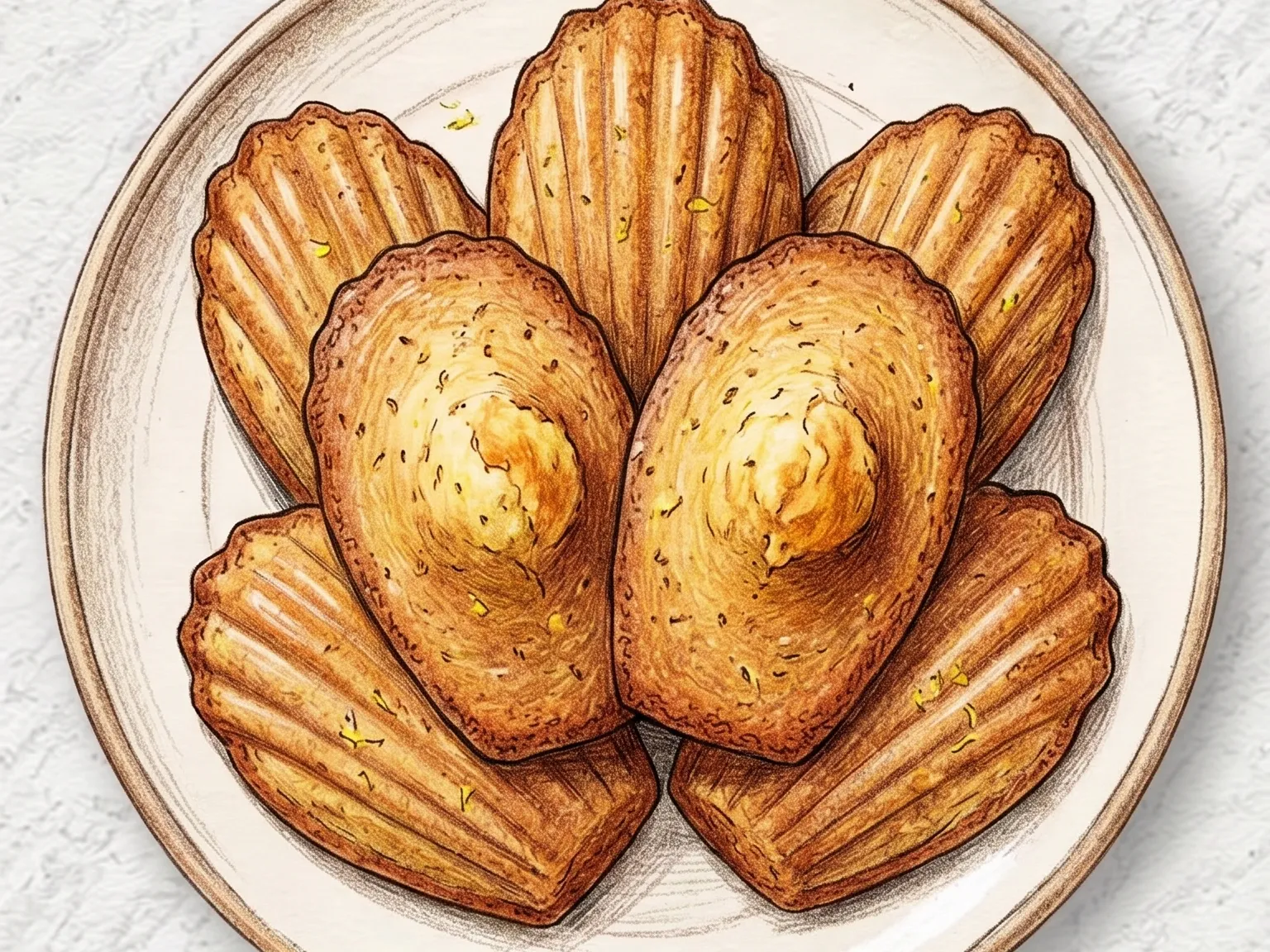
These French cakes are defined by their distinct shell shape and the specific use of browned butter during preparation. The process of browning the butter provides a depth of flavor that resembles toasted hazelnuts, which is a complexity that cannot be achieved by using standard melted butter alone. The preparation begins by combining eggs and sugar, followed by the careful addition of cake flour, baking powder, and lemon zest. The cooled brown butter is incorporated into the mixture as the final step of the process. A critical technical requirement involves chilling the resulting batter for a minimum of one hour before it is placed in the oven. This cooling period is the primary reason for the characteristic bump that forms on the back of each cake. When the chilled batter comes into contact with a hot mold, the temperature difference causes a fast expansion at the center while the outer edges of the cake begin to set. Baking the cakes for twelve minutes at a temperature of 190 degrees Celsius results in a golden exterior with a slightly crisp edge and a soft, spongy texture at the core. The inclusion of lemon zest serves to balance the high fat content of the butter by providing a sharp citrus element that prevents the cake from feeling heavy. These cakes reach their optimal state immediately after being removed from the oven while the outside still retains a subtle crunch. Within a few hours, the cakes lose this textural contrast and become soft throughout. Because of this quick change in consistency, it is standard practice to bake them in small batches for immediate consumption.
Instructions
Read the steps as a cooking flow: prep, heat, seasoning, doneness control, and finish.
- 1Control
Melt 100 g unsalted butter over medium-low heat until the foam turns light brown and smells toasted.
Remove it from the heat before it gets dark, then let it cool so it will not cook the eggs.
- 2Control
Mix 2 eggs with 100 g sugar until the grains feel reduced and the mixture looks slightly lighter.
Aim for an even, smooth base rather than a very foamy batter, which can make the texture uneven.
- 3Step
Add 100 g cake flour, 0.5 teaspoon baking powder, and the zest of 1 lemon.
Fold gently just until no dry flour remains, stopping early enough to keep the cakes tender after baking.
- 4Control
Pour in the cooled brown butter along the side of the bowl and fold until the batter looks glossy and even.
Cover and chill for at least 1 hour so the cold batter can rise into a clear bump.
- 5Step
Preheat the oven fully to 190°C, then fill the madeleine mold with the chilled batter.
Do not overfill the cavities, so the edges can set first while the center rises sharply.
- 6Finish
Bake at 190°C for about 12 minutes, until the edges are golden and the centers spring back lightly.
Unmold after a short rest, then serve while the outside still has a slight crispness.
After the steps
Pick a recipe that fits this dish.
Continue with shared ingredients, meal pairings, or a similar method.
Recipes That Go Well With This
More Baking →Based on shared ingredients and meal pairing
Crêpe Cake
A crepe cake is constructed by alternating dozens of paper-thin cooked crepes with thin layers of cream, building a tall multi-layered dessert that requires no baking and no oven. A batter of flour, eggs, milk, and butter gets poured by the ladleful into a lightly buttered pan and swirled into rounds that cook for under a minute per side, then cool completely before assembly. Each crepe receives an even, thin spread of lightly sweetened whipped cream or pastry cream before the next crepe goes on top, repeating until the stack reaches twenty to thirty layers. The precision of each spread matters: uneven layers create an inconsistent cross-section when the cake is sliced, whereas layers of uniform thickness produce the clean, intricate striped pattern the cake is known for. Unlike conventional sponge cake, the dominant flavors are egg, butter, and dairy fat rather than sugar and flour, and the texture is distinctly its own: soft and yielding, with each layer sliding gently against the next under the lightest pressure. Pan temperature during crepe-making must stay slightly below medium heat, as excess heat chars edges and makes the crepes brittle. After assembly, refrigerating the cake for at least two hours stabilizes the cream and allows the structure to set so each slice cuts cleanly without collapsing.
Chocolate Eclairs
Eclairs are elongated French pastries built from choux dough, a cooked paste of water, butter, and flour into which eggs are incorporated one at a time until the mixture becomes smooth and glossy. When piped into finger-length strips and baked at high heat, the moisture locked in the dough converts to steam and expands, inflating each strip into a hollow shell with a crisp golden exterior. After cooling completely, vanilla custard cream is piped through a small hole in the base to fill the cavity. The top surface is dipped in a dark chocolate glaze that sets into a thin, shiny coating. Biting through delivers a layered experience: the slight bitterness of the chocolate, the crunch of the choux shell, and the cool smoothness of the custard in quick succession. Because the shell begins absorbing moisture from the cream as soon as it is filled, eclairs are best consumed within a few hours of assembly. Leaving them overnight compromises the texture significantly.
Sole Meunière (Butter-Fried Sole with Brown Butter Sauce)
Sole meuniere is a French classic where delicate sole fillets are seasoned with salt and pepper, dredged lightly in flour, and pan-fried in butter for two to three minutes per side until a thin golden crust forms. The flour coating must be minimal - just enough to create a crisp barrier that protects the tender fish without masking its flavor. The fish is flipped only once because the fillets are fragile and break apart with repeated handling. After the fish is removed, the butter remaining in the pan is cooked further until it turns brown and smells of toasted hazelnuts, then finished with a squeeze of lemon juice and chopped parsley. This brown butter sauce is the heart of the dish, its nutty richness elevating the mild, sweet flesh of the sole while the lemon's acidity keeps every bite clean and bright.
Kouign-Amann (Caramelized Butter Sugar Pastry)
This Breton pastry is constructed by folding generous amounts of butter and sugar into a simple yeasted bread dough, then baking until the sugar caramelizes into a glassy, deeply bronzed crust. The exterior shatters audibly at the first bite, giving way to an interior where dozens of buttery layers remain soft and slightly chewy. Three rounds of rolling and folding build the laminated structure, and keeping the butter cold throughout the process is what prevents the layers from merging into a dense mass. At 200 degrees Celsius, the sugar melts and pools at the bottom of each portion, so lining the pan with foil is a practical necessity to catch the drips. The aroma of caramelizing butter and sugar fills the kitchen long before the timer sounds. Despite containing only five ingredients, flour, butter, sugar, yeast, and salt, the technique demands precision: under-laminated dough bakes flat, and over-proofed dough loses its layered definition. The result, when executed well, is one of the richest pastries in the French repertoire.
Serve with this
Cinnamon Rice Cake (Layered Korean Steamed Rice Cake)
Gyepi-tteok is a layered Korean steamed rice cake made from non-glutinous and glutinous rice flours combined in the same batch. Water is added gradually and the mixture is rubbed by hand until it reaches a fine, damp-sand texture. Half the batch is mixed with cinnamon powder, and the plain and cinnamon portions are layered alternately in a steamer tray. Sieving the flour twice before steaming is the step that ensures even moisture distribution and a smooth, fine grain in the finished cake. High heat for twenty minutes, followed by a five-minute rest off the heat, cooks the cake all the way through. Julienned jujubes and whole pine nuts pressed into the top surface add color, a gentle date-like sweetness, and a resinous, fatty aroma. The non-glutinous rice keeps the crumb light, and the glutinous rice adds a soft, resilient chew.
Korean Ssanghwa Herbal Tea
Ssanghwa-cha is a traditional Korean tonic tea made by slow-simmering astragalus root, angelica root, cinnamon bark, licorice, and jujube in approximately 1800 ml of water over low heat for more than fifty minutes. The prolonged extraction coaxes layered complexity from each herb, producing a brew that is simultaneously bitter, sweet, and warmly aromatic with cinnamon woven through every sip. Jujubes added during the simmer soften the sharpest herbal edges while contributing a mild natural sweetness that rounds the overall profile. Honey is stirred in after straining to let each person adjust the sweetness to taste. The tea is poured hot into a ceramic cup and finished with a small cluster of pine nuts whose oil blooms on contact with the steaming surface, releasing a gentle, nutty fragrance. The deep medicinal warmth lingers in the throat long after each sip, making the drink a reliable remedy for fatigue and cold weather.
Fruit Cottage Cheese Bowl
This high-protein bowl requires no cooking and comes together in under five minutes. A generous scoop of cottage cheese forms the base, and fresh strawberries, blueberries, and banana are arranged on top in whatever combination looks appealing. The cheese's mild, lactic saltiness pairs naturally with the fruit's sweetness without needing any added dressing or seasoning. Sliced almonds contribute crunch and a layer of healthy fats, while chia seeds provide omega-3s and a subtly gel-like texture once they have had a moment to absorb the moisture around them. A light drizzle of honey brings all the components together with a unifying sweetness. The simplicity of the bowl makes it a practical choice for a quick breakfast or a post-workout meal when protein matters but time is short.
Similar recipes
Almond Croissant
The almond croissant was born in French bakeries as a practical solution to leftover stock - day-old croissants soaked in almond syrup, filled with frangipane, and baked again until golden. What started as waste reduction became the most requested item in the pastry case. The syrup soak - typically simple syrup infused with almond extract or a splash of amaretto - revives the dried, compressed layers and adds sweetness before the second bake even begins. Frangipane, made from butter, sugar, ground almonds, and egg, is piped or spread generously inside the halved croissant. During the second bake, the cream melts and sets into the hollow interior, creating a dense, marzipan-like filling that is richer than anything in the original pastry. Sliced almonds pressed onto the surface toast in the oven, providing a brittle, crunchy contrast to the soft interior. The base of the croissant, where syrup pools during baking, caramelizes into a sticky, deeply sweet layer. A dusting of powdered sugar over the finished pastry adds a cool sweetness against the warm butter. Many Parisian bakeries now bake almond croissants fresh from current stock rather than leftovers because demand far exceeds the supply of day-old pastries.
Jambon-Beurre (Classic Butter and Ham Baguette)
The jambon-beurre is a staple French sandwich designed for daily consumption, consisting of a baguette, butter, and ham. Because the recipe uses only three primary ingredients, the specific characteristics of each component are fundamental to the assembly. A traditional version utilizes a baguette characterized by a crust that breaks easily and a crumb that provides a chewy texture. The butter chosen is typically a cultured unsalted variety. It is necessary to bring the butter to room temperature to ensure it is soft enough to spread across the bread without damaging the soft interior. The ham used is jambon blanc, which is prepared in thin slices to build the layers of the sandwich. A light application of Dijon mustard on one side of the bread provides a sharp and peppery flavor profile. This ingredient serves to balance the heavy fat content of the butter against the natural saltiness found in the ham. Sliced cornichons are included inside the bread to add a level of tart acidity. These pickles help to reduce the overall weight of the sandwich ingredients and maintain a consistent balance of flavors in every bite.
Tips
Nutrition (per serving)
Variations
Honey Madeleines
Honey adds gentle sweetness and moisture to these madeleines. The flavor is buttery, soft, and pleasantly aromatic.