Korean Liriope Root Tea (Herbal Pear Ginger Brew)
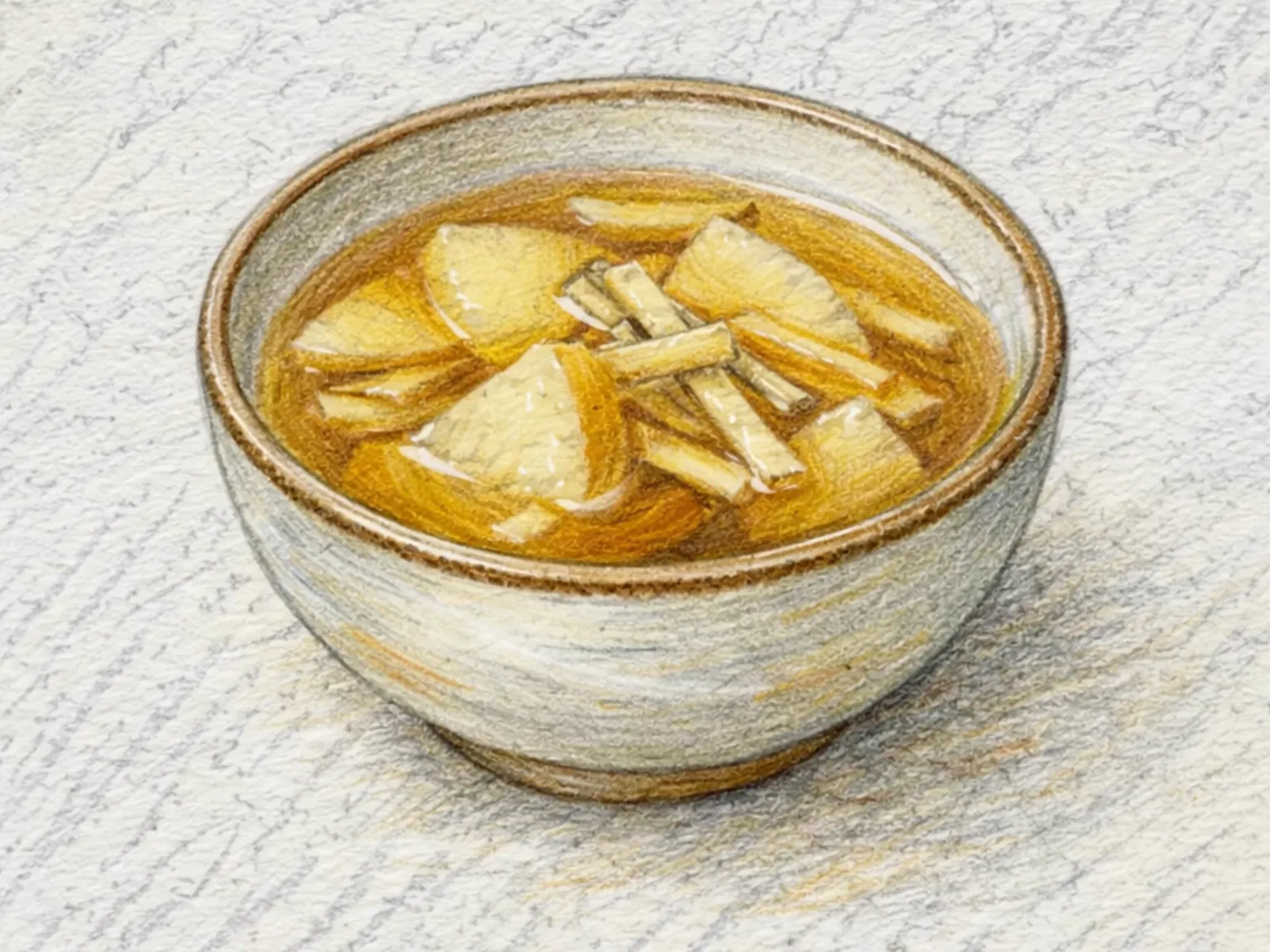
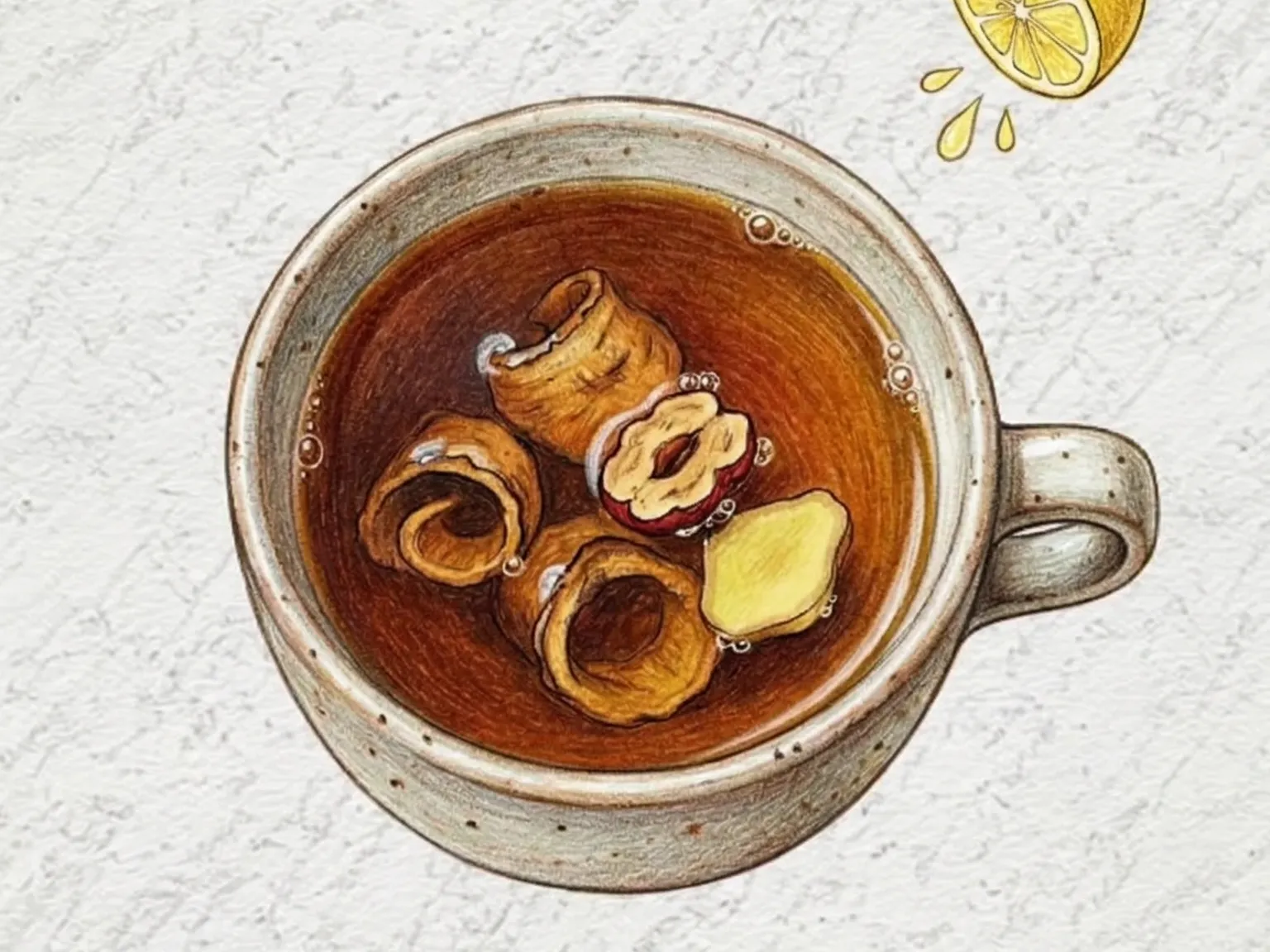
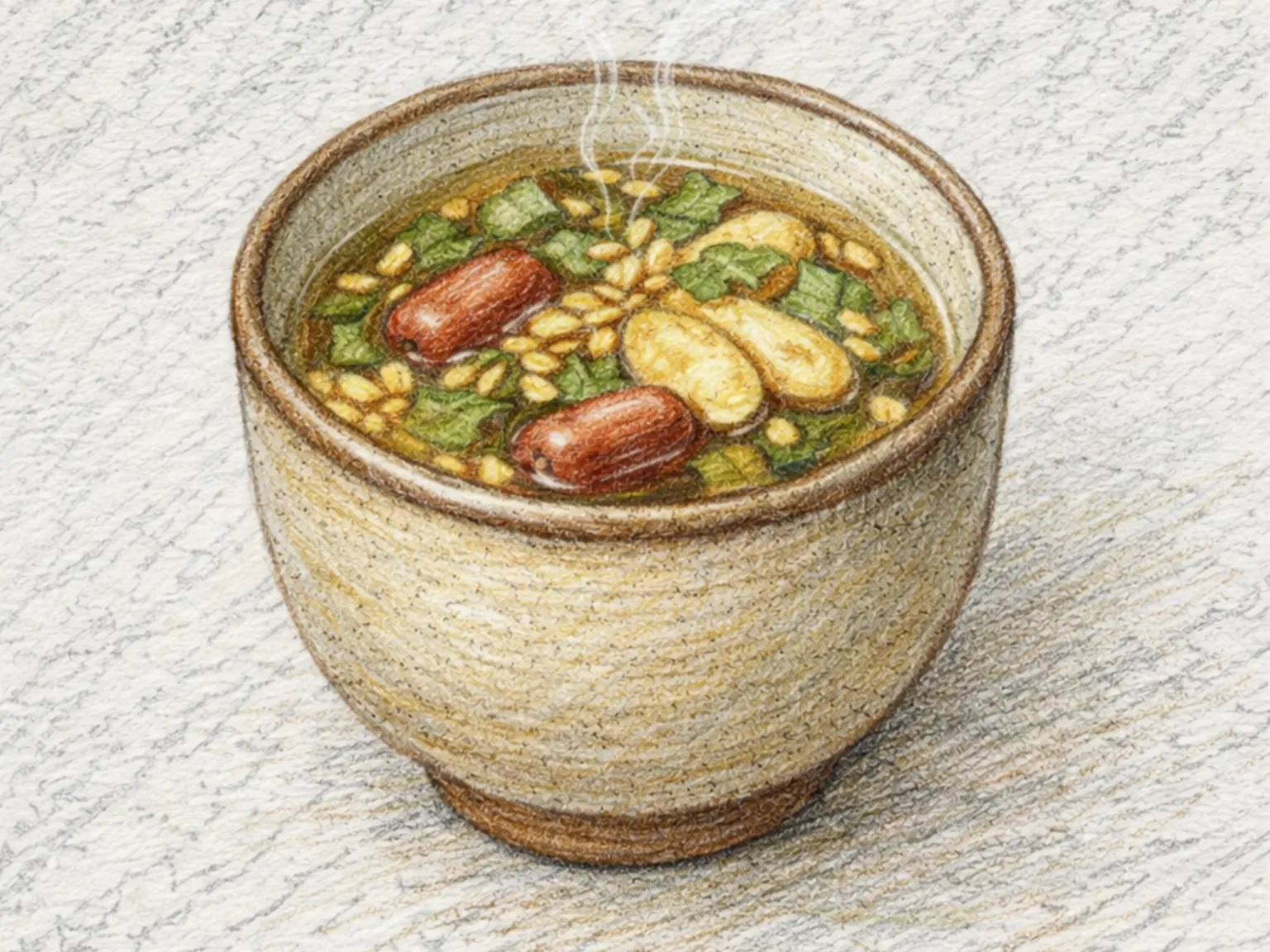
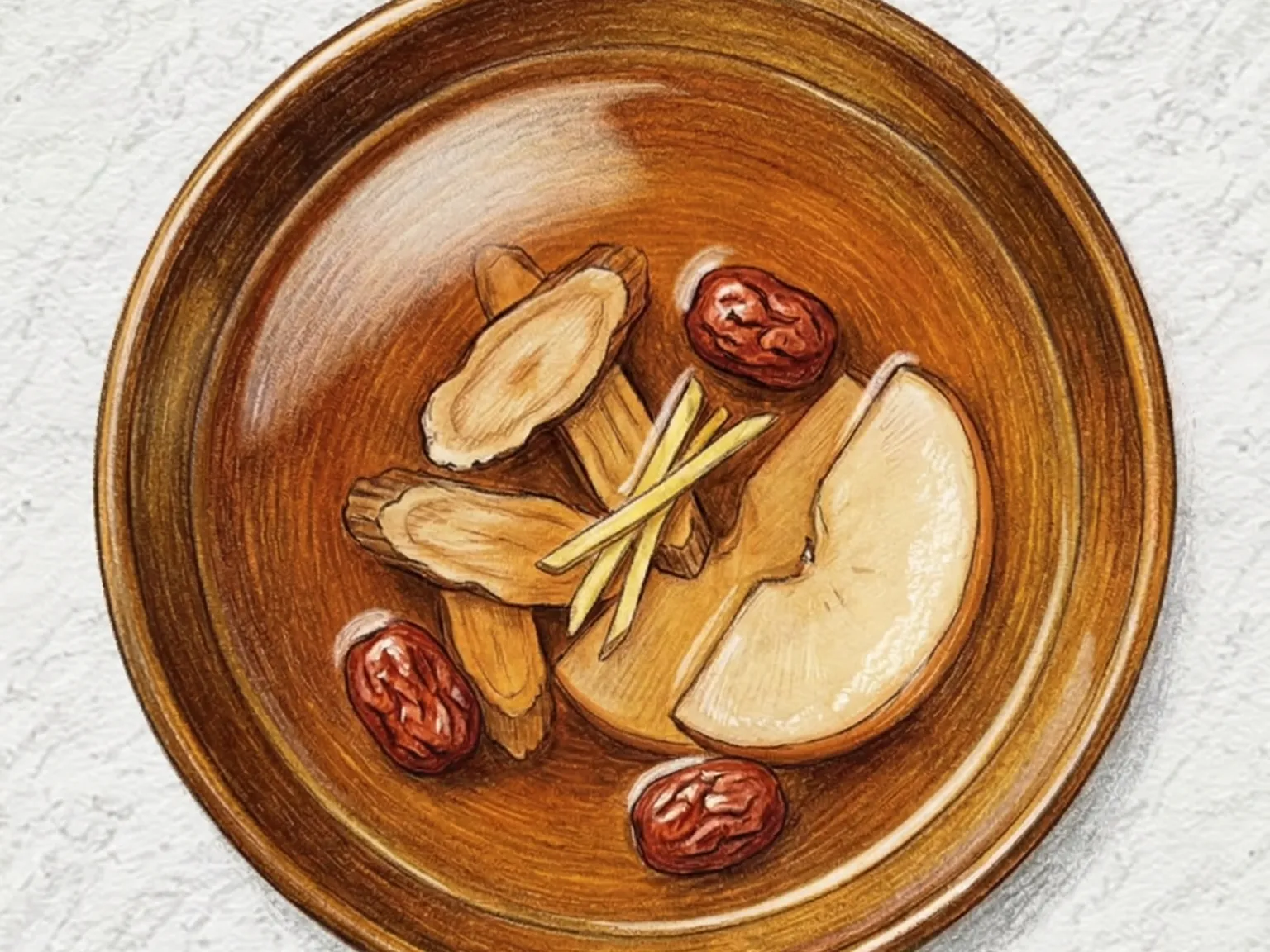
Maekmundong-cha is a Korean herbal tea made by gently simmering dried liriope root with sliced Korean pear, fresh ginger, and jujubes for twenty minutes. The pear softens the root's natural bitterness and contributes a subtle fruity sweetness, while ginger adds quiet warmth in the background. A spoonful of rice syrup stirred in at the end ties all the flavors together with a mild, malty sweetness. The tea reheats well after refrigeration, keeping its layered aroma intact over several days.
Adjust Servings
Instructions
- 1
Soak dried liriope root in cold water for 5 minutes, then drain.
- 2
Thinly slice the pear and ginger.
- 3
Combine water, liriope root, pear, ginger, and jujubes in a pot and bring to boil.
- 4
Reduce to low heat and simmer for 20 minutes, then strain.
- 5
Season with rice syrup and a pinch of salt, then serve warm.
As an Amazon Associate, we may earn from qualifying purchases.
Tips
Nutrition (per serving)
More Recipes

Korean Ssanghwa Herbal Tea
Ssanghwa-cha is a traditional Korean tonic tea made by slow-simmering astragalus root, angelica root, cinnamon, licorice, and jujube in water for over 50 minutes. The prolonged extraction draws out layered flavors from each herb, producing a brew that is simultaneously bitter, sweet, and warmly aromatic with cinnamon at its core. Honey is stirred in after straining to adjust sweetness, and the tea is served hot with a scattering of pine nuts that release their mild, oily fragrance on contact with the surface. The jujubes soften the sharper herbal edges while preserving the deep, lingering medicinal character of the drink.

Korean Kudzu Root Tea (Earthy Herbal Root Brew)
Chik-cha is a traditional Korean tea made by slowly simmering dried kudzu root with sliced ginger, scored jujubes, and a cinnamon stick for at least twenty-five minutes on low heat. The kudzu root releases an earthy, starchy depth that forms the tea's backbone, while ginger adds warm pungency and cinnamon contributes a sweet, woody spice layer. Honey is stirred in only after the heat is turned off to preserve its floral aroma, and the jujubes provide a subtle fruity sweetness that ties the flavors together.

Korean Lotus Root Tea (Warm Herbal Root Brew)
Yeongeun-cha is a Korean lotus root tea made by simmering peeled, sliced lotus root with jujube, ginger, and a cinnamon stick on low heat for 25 minutes. The root's natural starch dissolves into the water, giving the tea a clear yet slightly viscous body, while cinnamon and ginger leave a warm undertone in the finish. Jujubes supply the primary sweetness, supplemented by honey and a tiny pinch of salt to deepen the flavor. A brief soak of the lotus root slices in vinegar water before cooking prevents browning and keeps the tea's color pale and clean. It tastes equally smooth served hot or chilled.

Korean Heotgae Tea (Oriental Raisin Tree Hangover Herbal Brew)
Heotgae-cha is a traditional Korean herbal tea made by simmering dried oriental raisin tree fruit with jujubes, ginger, and a cinnamon stick over low heat for thirty-five minutes. The dried heotgae fruit, small and knobby in appearance, releases a deep, earthy sweetness the longer it cooks. Ginger adds a sharp warmth, cinnamon contributes aromatic sweetness, and jujubes layer in a mellow fruit note, giving the tea a complex, multi-layered profile. Honey is stirred in at the end to adjust sweetness, and the tea has been traditionally consumed in Korea as a morning-after drink following alcohol.

Yuja Saenggang Scone (Yuja Ginger Scone)
Cold butter is rubbed into flour to form coarse crumbs, then yuja marmalade and ginger juice are mixed in to create a dough that bakes into scones with a crumbly, flaky exterior and a moist, tender center. The yuja contributes a bright citrus fragrance that is more aromatic and floral than lemon, pairing naturally with the buttery richness of the scone. Ginger adds a subtle warmth that tempers the sweetness and leaves a clean finish. Minimal handling of the dough preserves the cold butter pockets that generate flaky layers during baking - if the dough warms, it should be returned to the refrigerator immediately. Shaping into rounds and brushing the tops with egg wash produces a golden, glossy crust. These scones are at their best served warm with clotted cream or yuja curd, where the citrus notes in the spread echo those baked into the scone itself. The combination of Korean citrus and British baking tradition makes this a distinctive cross-cultural pastry.

Korean Lotus Root Shrimp Pot Rice
This pot rice pairs shrimp with lotus root, creating a contrast between the bouncy shellfish and the crunchy root vegetable. Shiitake mushroom deepens the umami layer, and garlic weaves a steady aroma throughout. Light soy sauce seasons the rice just enough to let the natural flavors of each ingredient come through. A drizzle of sesame oil at the end gives the grains a glossy sheen and nutty finish. When the lid comes off, the red of the shrimp against the white lotus root cross-sections makes for a striking presentation.