Korean Seaweed and Oyster Soup
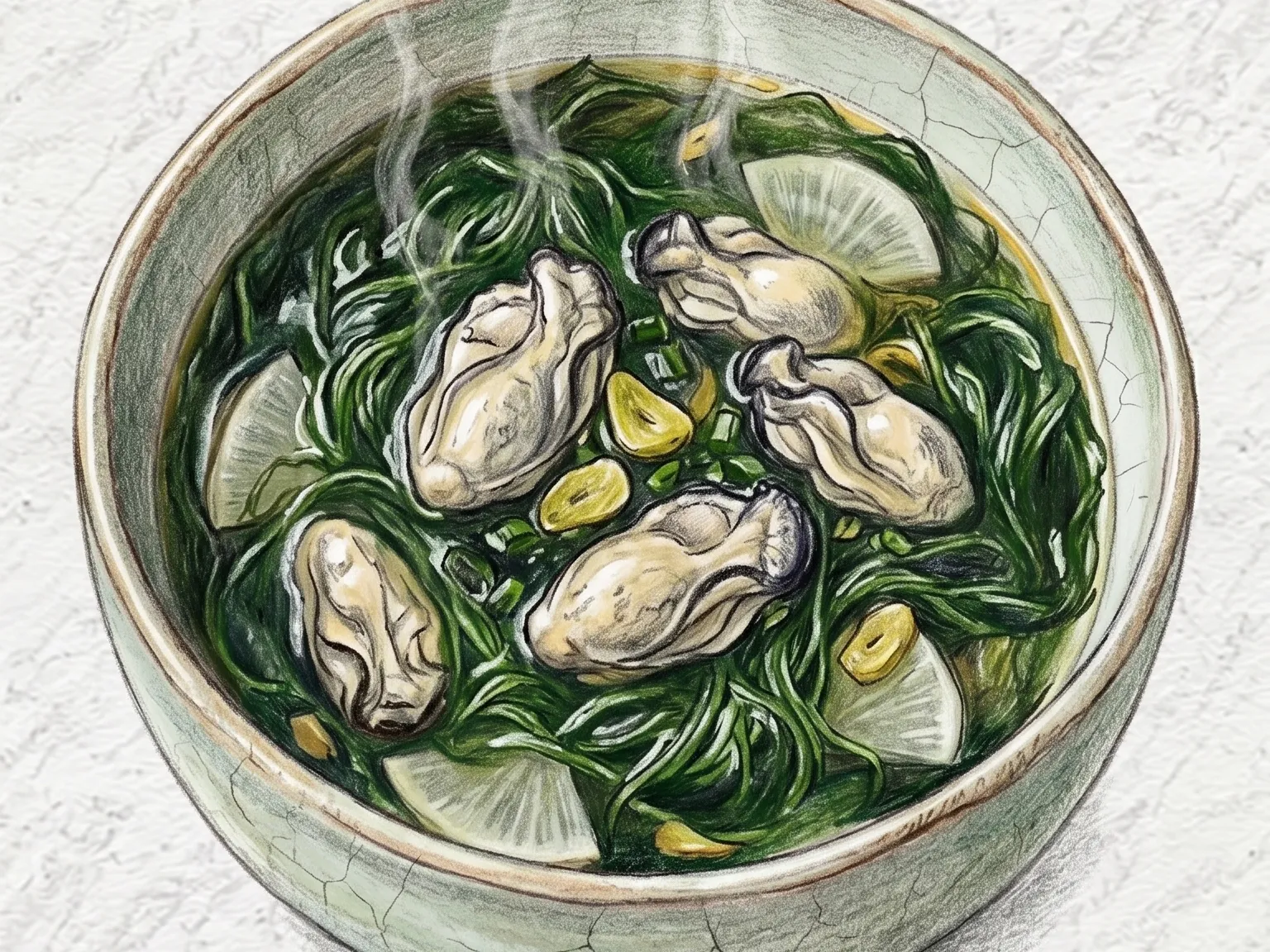
Maesaengi-gul-guk combines two peak-winter ingredients, capsosiphon seaweed and fresh oysters, in a single light broth. Julienned radish and garlic are sauteed in sesame oil to establish sweetness, then water is added and brought to a boil before the oysters go in for three minutes. The seaweed is added last and simmered for only two minutes to preserve its silky texture and subtle marine scent. Soup soy sauce and a pinch of salt are the only seasonings needed, since the oysters release enough brininess to flavor the broth on their own.
Adjust Servings
Instructions
- 1
Rinse maesaengi gently in cold water and drain well.
- 2
Rinse oysters in lightly salted water to remove grit.
- 3
Heat sesame oil, then sauté julienned radish and garlic for 2 minutes.
- 4
Add water; once boiling, add oysters and cook for 3 minutes.
- 5
Add maesaengi and soup soy sauce, simmer 2 minutes, then season with salt.
As an Amazon Associate, we may earn from qualifying purchases.
Tips
Nutrition (per serving)
More Recipes

Korean Mussel Seaweed Soup
Honghap-maesaengi-guk is a winter specialty from Korea's southern coast that pairs fresh mussels with maesaengi, a hair-thin green seaweed harvested in cold water. The seaweed is briefly sautéed in sesame oil before water and mussels are added, and as the pot simmers, the broth turns a deep green with a mineral-rich ocean fragrance. Soup soy sauce and garlic provide just enough seasoning to frame the natural salinity without masking it. The textural contrast is central to the experience: maesaengi slides across the palate in silky strands while the mussels offer a firm, meaty chew. Each spoonful delivers both the vegetal depth of seaweed and the concentrated brininess of shellfish, making it a dish greater than the sum of its two main ingredients.

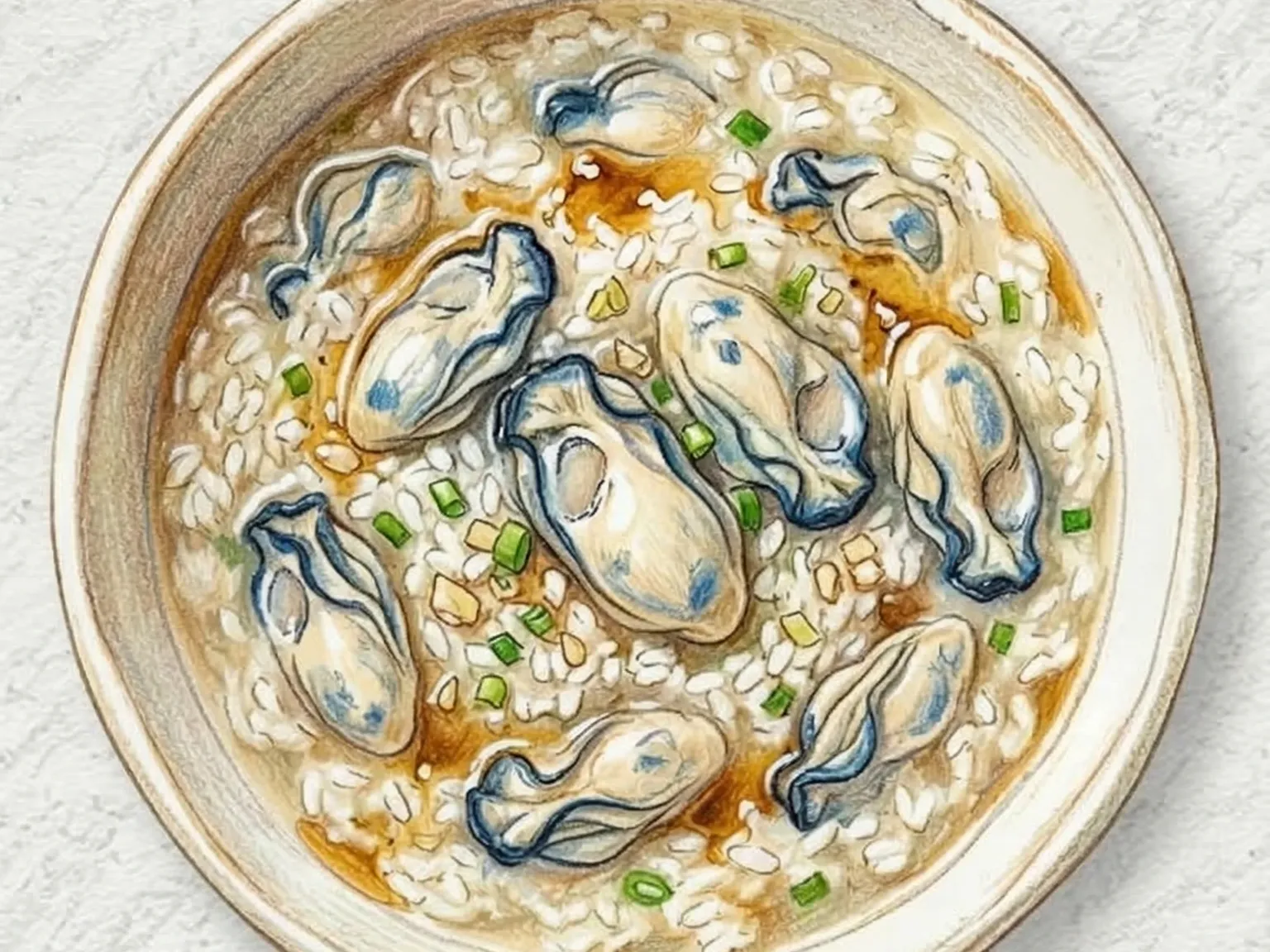
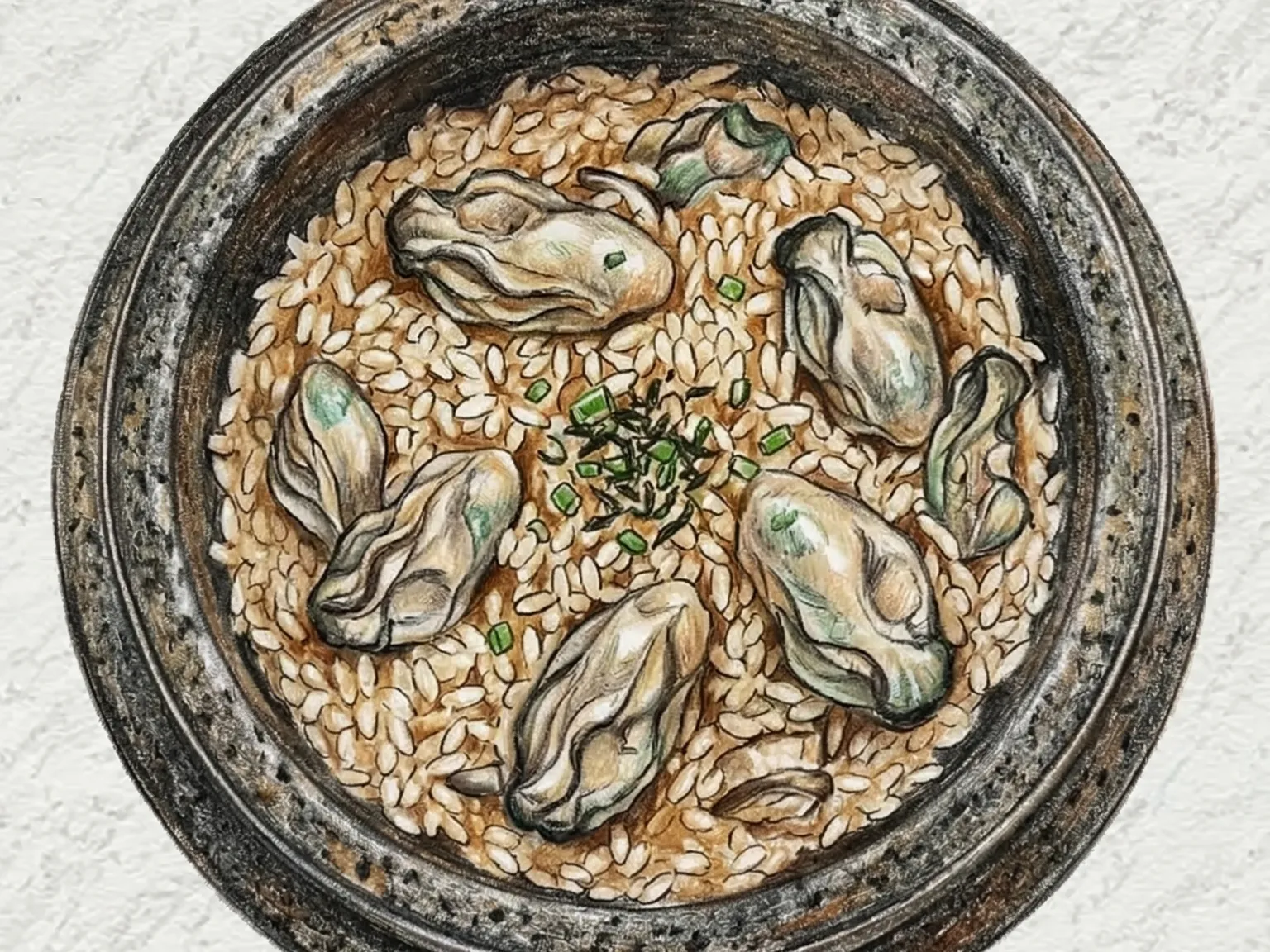
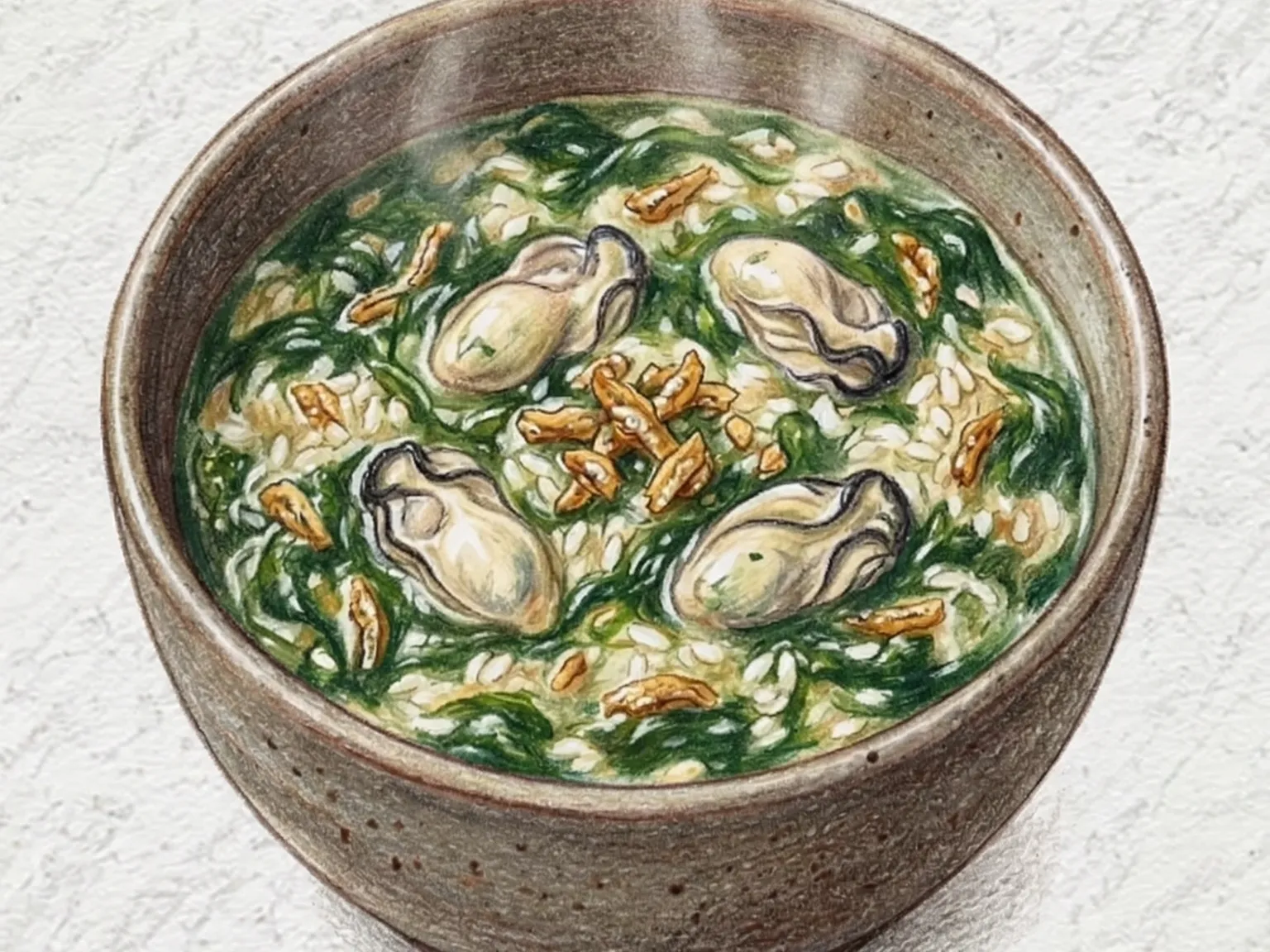
Korean Maesaengi Oyster Porridge
Maesaengi gul juk is a warming Korean winter porridge built on sesame-oil-toasted rice simmered in anchovy-kelp stock. Delicate strands of maesaengi seaweed lend a mild oceanic fragrance, while plump oysters release briny juices that deepen the broth. The rice is stir-fried in sesame oil before the stock goes in, giving the porridge a nutty backbone. Maesaengi goes in at the very end to keep its vivid green color and fresh sea aroma intact.

Gul-guk (Clear Oyster Radish Soup)
Gul-guk is a clear Korean oyster soup built on the simplest possible foundation: water, radish, and fresh oysters. The radish simmers first, lending a cool sweetness to the broth before the oysters are slid in near the end to preserve their plump, springy texture. Seasoning is deliberately restrained-soup soy sauce and minced garlic are enough-because the oysters themselves provide an intense, briny depth that needs no amplification. The resulting bowl is translucent and clean-tasting, with a lingering marine finish. Along Korea's south coast, where winter oyster harvests are abundant, this soup often appears on breakfast tables or as a gentle remedy after a long night.

Korean Oyster Seaweed Soup
Gul-miyeok-guk is a Korean seaweed soup enriched with fresh oysters, traditionally eaten for postpartum recovery and birthday celebrations. The cooking begins by sautéing rehydrated seaweed and oysters together in sesame oil, a step that coats every strand and shell in a nutty fragrance before water is added. As the soup simmers, the seaweed releases minerals and a subtle brininess that merges with the oysters' own ocean flavor. Soup soy sauce and garlic keep the seasoning grounded. The winter months, when oysters are at their fattest, are the prime season for this version, and the contrast between the slippery seaweed and the firm oyster gives each spoonful a shifting texture.

Korean Seaweed Winter Soup
Maesaengi-guk is a winter soup made with capsosiphon, a fine, thread-like green seaweed harvested along Korea's southern coast from December to February. Garlic is briefly sauteed in sesame oil, anchovy stock is poured in, and the seaweed is added and loosened with chopsticks to prevent clumping. The entire cooking time after adding the maesaengi is only three to four minutes; any longer and its delicate ocean aroma fades. After turning off the heat, the soup rests for two minutes so the seasoning of soup soy sauce and black pepper distributes evenly through the silky, deep-green broth.

Korean Maesaengi Oyster Kalguksu
Maesaengi oyster kalguksu is a Korean seasonal noodle soup featuring maesaengi - a hair-thin, dark green seaweed harvested along Korea's southern coast in winter - and fresh shucked oysters. The broth starts with anchovy-kelp stock, seasoned simply with soup soy sauce, minced garlic, and salt. Knife-cut noodles go in first and cook for four to five minutes. Oysters are added next and simmered for only two minutes to keep them plump; overcooking turns them rubbery. Maesaengi goes in last, needing just one minute of heat to bloom its vivid green color and release its briny ocean aroma. The timing is critical: each ingredient enters the pot at a different stage to preserve its texture. Sliced scallion finishes the bowl, and the dish is best made between December and February when both maesaengi and oysters are at peak freshness.