Charim

2686 Korean & World Recipes

2686+ Korean recipes, clean and organized. Ingredients to instructions, all at a glance.

Korean Makgeolli Punch (Rice Wine Yuja Citrus Bowl)

Korean Makgeolli Punch (Rice Wine Yuja Citrus Bowl)

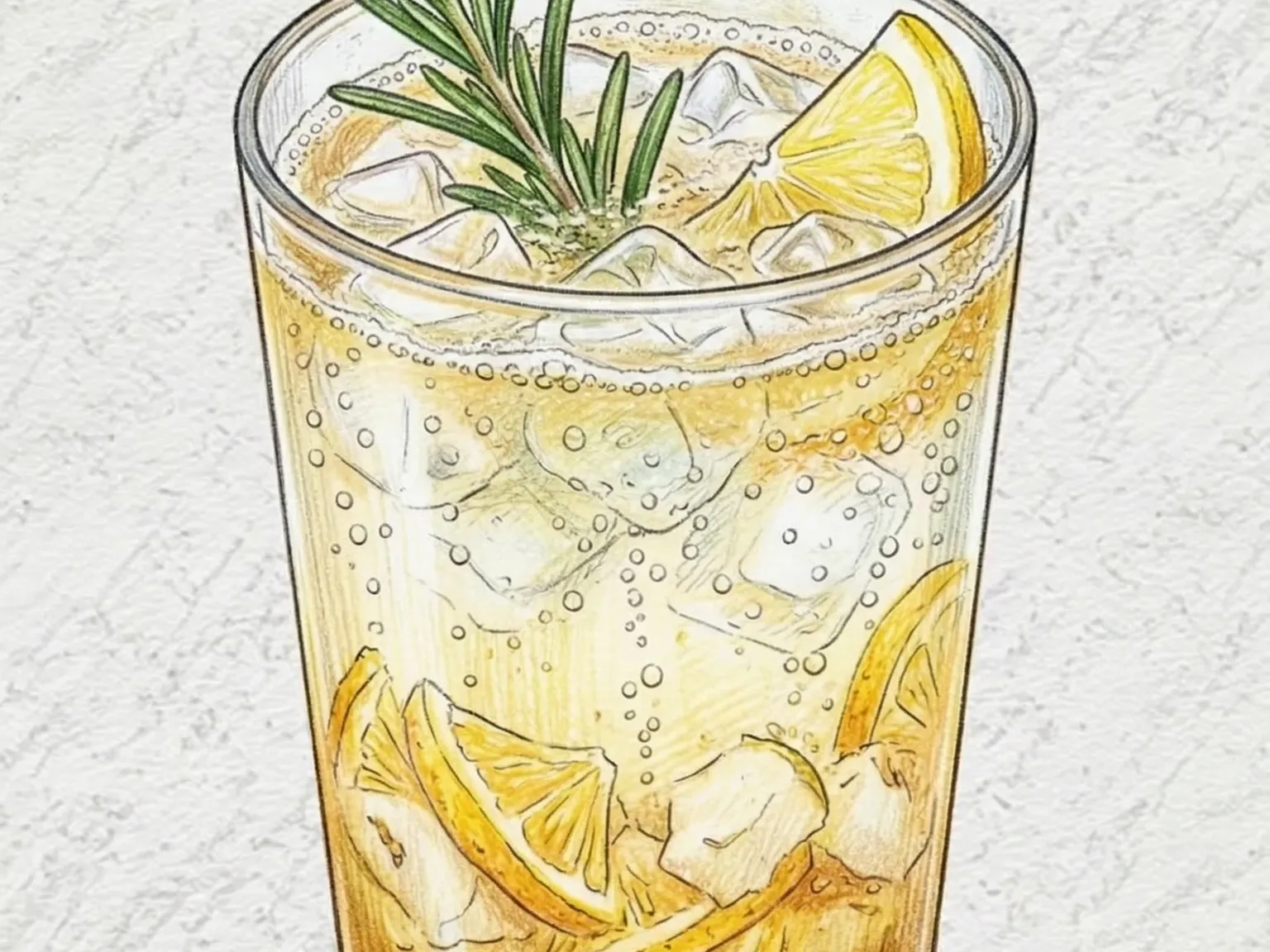
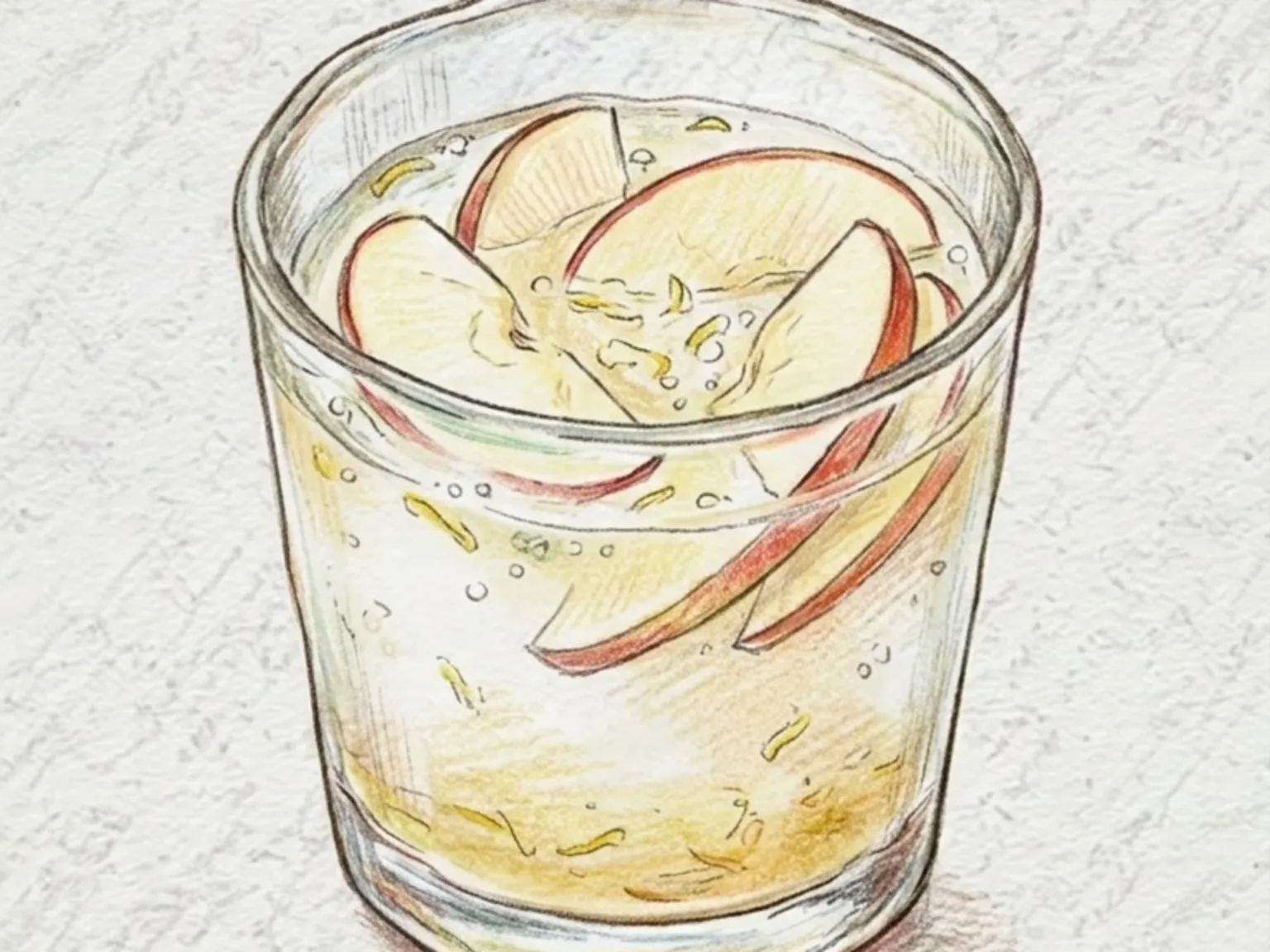
Makgeolli punch is a fruity Korean rice wine cocktail that combines makgeolli with yuja marmalade, lemon juice, and lemon-lime soda in a large bowl over plenty of ice. The creamy grain character of makgeolli merges with the bright citrus of yuja to create a light, festive drink. Thinly sliced apple floated in the bowl adds crisp bites of fruit between each ladle. A single gentle stir just before serving keeps the carbonation intact and the flavors evenly distributed.

Prep 10min 0 4 servings

Adjust Servings

2servings
servings

Instructions

  1. 1

    Thinly slice the apple.

  2. 2

    Mix yuja marmalade and lemon juice in a large bowl.

  3. 3

    Add makgeolli and stir gently.

  4. 4

    Add apple slices and ice, then pour in soda.

  5. 5

    Stir once lightly and serve immediately.

🛒Shop Ingredients on Amazon

As an Amazon Associate, we may earn from qualifying purchases.

Tips

Use well-chilled makgeolli for a cleaner flavor.

Nutrition (per serving)

Calories
170
kcal
Protein
2
g
Carbs
24
g
Fat
0
g

More Recipes

Korean Soju Beer Mix (Soju Lager Lemon Highball)
DrinksEasy

Korean Soju Beer Mix (Soju Lager Lemon Highball)

Somaek is Korea's most popular mixed drink, made by combining soju and lager beer in a single glass so that the spirit's alcohol strength meets the beer's crisp carbonation. The standard ratio is one part soju to three parts beer, and both liquids should be thoroughly chilled beforehand for the cleanest taste. Ice goes in first, followed by a splash of lemon juice, then the soju, and finally the beer poured slowly down the side of a tall glass to manage the foam and preserve carbonation. A small addition of sparkling water lightens the drink and drops the alcohol level slightly, while a lemon slice on top releases citrus oils with each sip.

🍺 Bar Snacks Quick
Prep 5min2 servings
Dongdongju (Korean Unfiltered Fermented Rice Wine)
DrinksHard

Dongdongju (Korean Unfiltered Fermented Rice Wine)

Dongdongju is a traditional Korean rice wine made by steaming a blend of short-grain and sweet rice, then fermenting the cooked rice with nuruk starter and a small amount of dry yeast for seven days. Unlike makgeolli, it is strained only once through a coarse sieve so that some rice grains remain floating on the surface, giving the drink its name and a distinctive chewy grain texture with each sip. Stirring twice daily during fermentation ensures the nuruk breaks down the starches evenly, and temperature control after the third day prevents over-fermentation. A touch of salt at the end tempers the residual sweetness and rounds out the flavor.

🍺 Bar Snacks🎉 Special Occasion
Prep 30minCook 40min8 servings
Korean Mixed Fruit Punch
DrinksEasy

Korean Mixed Fruit Punch

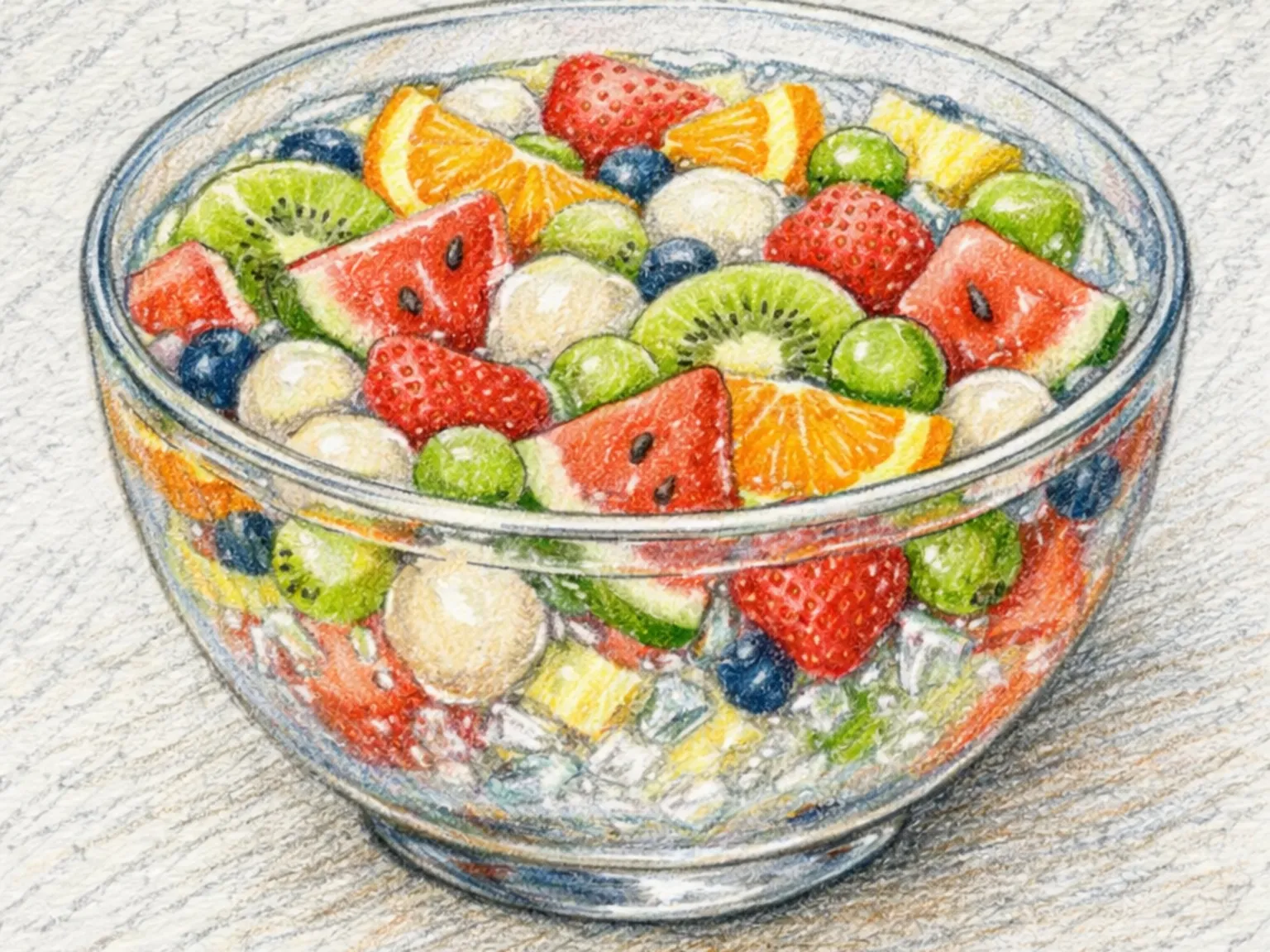
Modum hwa-chae is a Korean fruit punch made by dicing several types of fruit - apple, pear, and green grapes - into similar-sized pieces and immersing them in a mixture of honey water and sparkling water. The apple and pear provide a firm, crunchy bite, while the grapes pop with juicy bursts of flavor. Honey dissolved in cold water merges with the fruits' own juices to create a naturally sweet base, and the carbonation from sparkling water rises through the fruit pieces, adding effervescence. Plenty of ice keeps the punch thoroughly chilled, making it a staple summer refreshment in Korea.

🍺 Bar Snacks Quick
Prep 15min4 servings
Korean Baekseju Herbal Rice Wine
DrinksMedium

Korean Baekseju Herbal Rice Wine

Baekseju is a traditional Korean herbal rice wine made by infusing a glutinous rice ferment with fresh ginseng, jujubes, ginger, and honey. The base is glutinous rice fermented with nuruk, a traditional wheat-based fermentation starter that produces a mildly sweet, low-acid alcohol. Fresh ginseng steeped in the fermenting liquid contributes its characteristic bitter, earthy depth that intertwines with the rice sweetness over time. Jujubes lend a subtle fruity note and a faint reddish hue, while ginger adds a warm, peppery finish that tempers the wine's sweetness. Honey is introduced after primary fermentation has progressed so the yeast does not consume all its sugars, preserving residual sweetness in the finished product. The alcohol level sits around twelve to thirteen percent, comparable to grape wine, and the liquid is clearer and more golden than unfiltered makgeolli. Served cold, the herbal notes recede and the drink feels crisp; at room temperature, the ginseng and jujube aromas become more prominent with each sip.

🍺 Bar Snacks
Prep 20minCook 20min4 servings
Sweet Rice Punch (Traditional Korean Malted Barley Grain Drink)
DessertsMedium

Sweet Rice Punch (Traditional Korean Malted Barley Grain Drink)

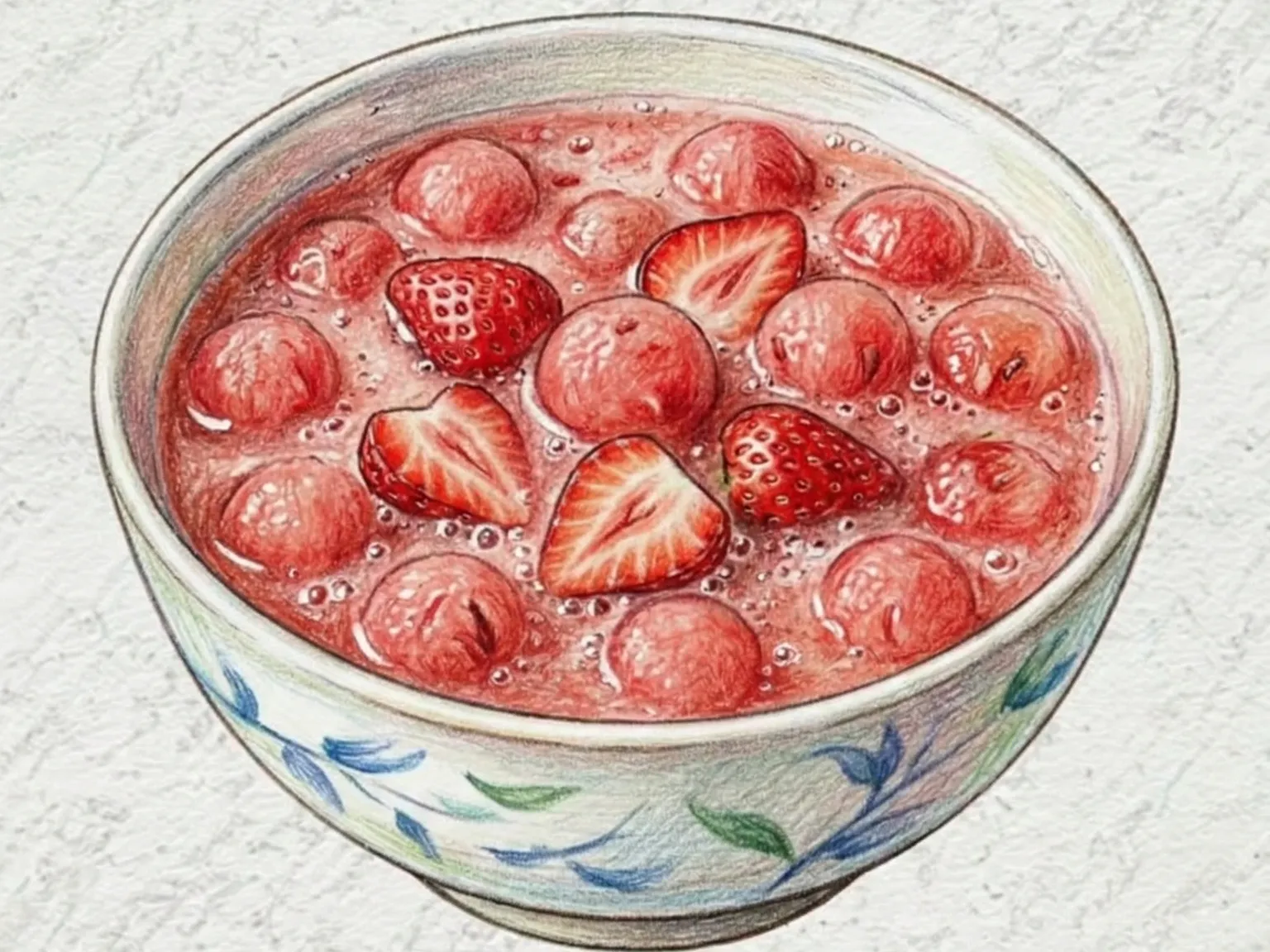
Sikhye is a traditional Korean sweet rice punch made by steeping malted barley powder in lukewarm water, straining the milky liquid, adding cooked rice, and holding the mixture at around 60 degrees Celsius for one hour until the rice grains float. The amylase enzymes in the malt break down the rice starch, producing a distinctly malty, clear sweetness with grain depth. Only the clear top liquid is used after settling to keep the punch from turning cloudy, and simmering it with sugar and sliced ginger for 20 minutes rounds the sweetness while adding a gentle spiced warmth to the finish. Served well chilled with the reserved floating rice grains and pine nuts on top, the cold temperature sharpens the malty aroma and makes each sip crisp and refreshing.

🎉 Special Occasion🧒 Kid-Friendly
Prep 20minCook 180min4 servings
Korean Spicy Dakgalbi Rice Bowl
RiceEasy

Korean Spicy Dakgalbi Rice Bowl

Dakgalbi deopbap brings the flavors of Chuncheon's famous spicy chicken to a single rice bowl. Boneless chicken thigh is stir-fried with cabbage, onion, and green onion in a gochujang-based marinade that balances heat with a touch of sweetness. High heat ensures the sauce caramelizes onto the chicken while the vegetables keep a slight crunch. A finishing drizzle of sesame oil adds a toasty fragrance that rounds out the bold seasoning. The dish captures the essence of a dakgalbi restaurant meal - the moment just before the leftover sauce gets turned into fried rice - and serves it as a complete, self-contained bowl that needs no side dishes.

🏠 Everyday🍱 Lunchbox
Prep 15minCook 14min2 servings
More Drinks →