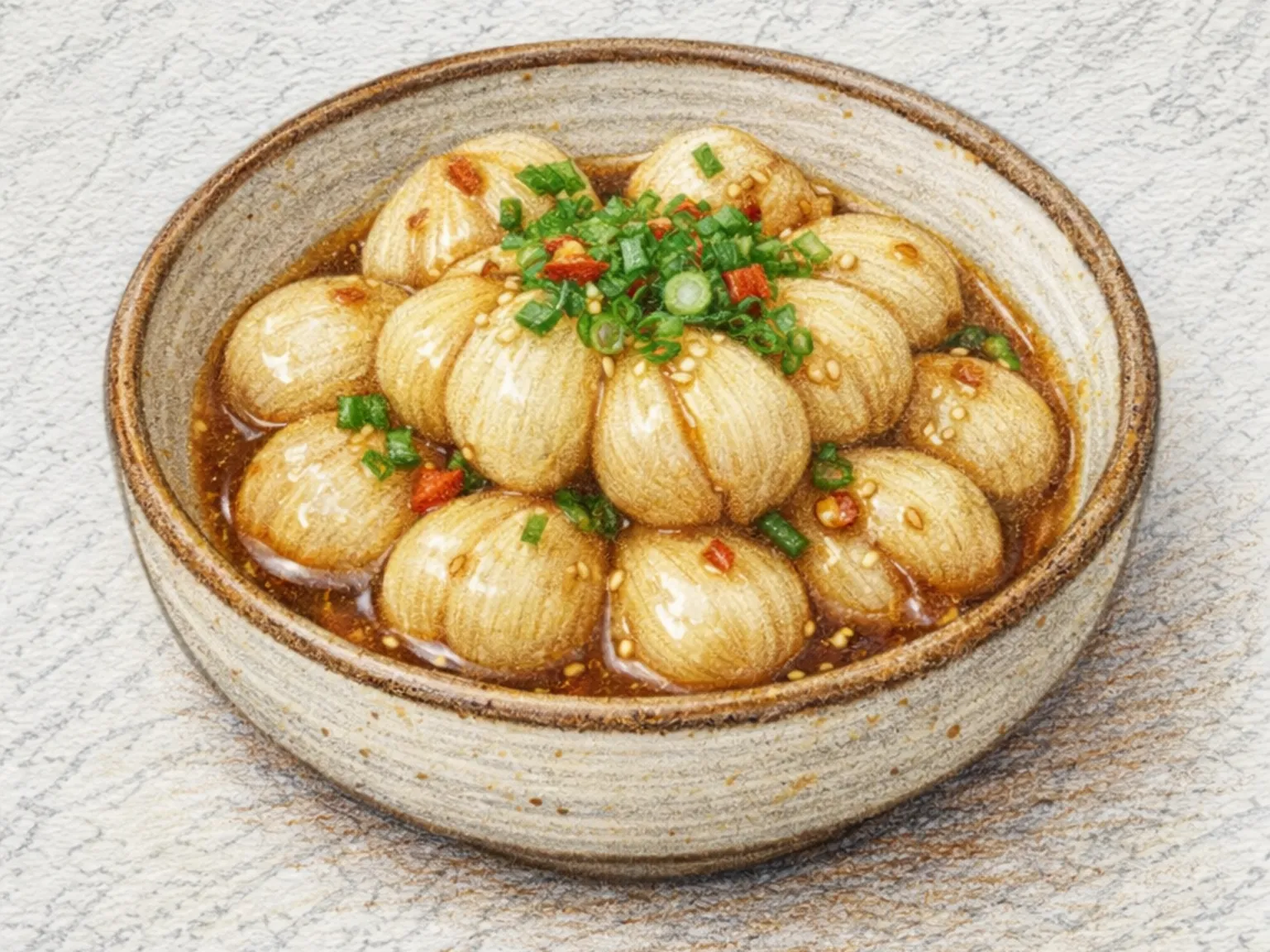
Korean Steamed Whole Garlic
Quick answer
- Total time
- 30 min
- Level
- Easy
- Servings
- 2 servings
- Ingredients
- 6
About this dish
Steaming the peeled cloves for 8 minutes before they ever touch the sauce is what sets this apart from garlic simply braised in a pan.
Read more
The cloves arrive in the soy and syrup already slightly translucent, so a short, gentle braise softens them through without burning the outside. Raw bite turns mellow and sweet, and each clove ends up glossy and intact, a small side to eat with rice or alongside grilled meat.
Ingredients
Instructions
- 1
Peel 220 g whole garlic cloves and trim only the root ends shallowly.
Do not soak them for long, because excess water weakens the seasoning; pat the cloves dry before cooking.
- 2
When the steamer is fully steaming, spread the garlic in a single loose layer.
Steam over medium heat for about 8 minutes, until the outside looks slightly translucent but the cloves still hold their shape.
- 3
Add 1.5 tablespoons soy sauce, 120 ml water, and 1 tablespoon oligosaccharide syrup to a pan.
Stir over medium-low heat and bring it just to a boil so the syrup dissolves evenly.
- 4
Add the steamed garlic to the sauce and reduce the heat to low.
Shake the pan occasionally and braise for about 7 minutes, until the cloves soften through without scorching on the outside.
- 5
Turn off the heat when the liquid reduces to large bubbles and the garlic looks glossy.
Check the bottom of the pan before it sticks, because the syrup can scorch quickly at the end.
- 6
Add 1 teaspoon sesame oil and 1 teaspoon sesame seeds, then fold gently.
Serve beside rice or grilled meat while the cloves are warm, handling them carefully so the softened garlic does not break apart.
Official cooking and safety guidance
Public-agency cooking and food safety guidance that applies to this recipe.
Official cooking and safety guidance
-
Produce preparation
Wash produce under running water before cutting or peeling it. Do not use soap or household detergent.
Source: U.S. Food and Drug Administration. Selecting and Serving Produce Safely
-
Storage and reheating
Refrigerate leftovers in shallow containers within 2 hours and use them within 3 to 4 days. Reheat the center to 74°C.
Source: USDA Food Safety and Inspection Service. Leftovers and Food Safety
Sources checked 2026-08-03
Use-up ingredient planner
Turn these ingredients into two more meals
The overlap excludes basic seasonings. Open the next recipe and your selected dishes will stay with you.
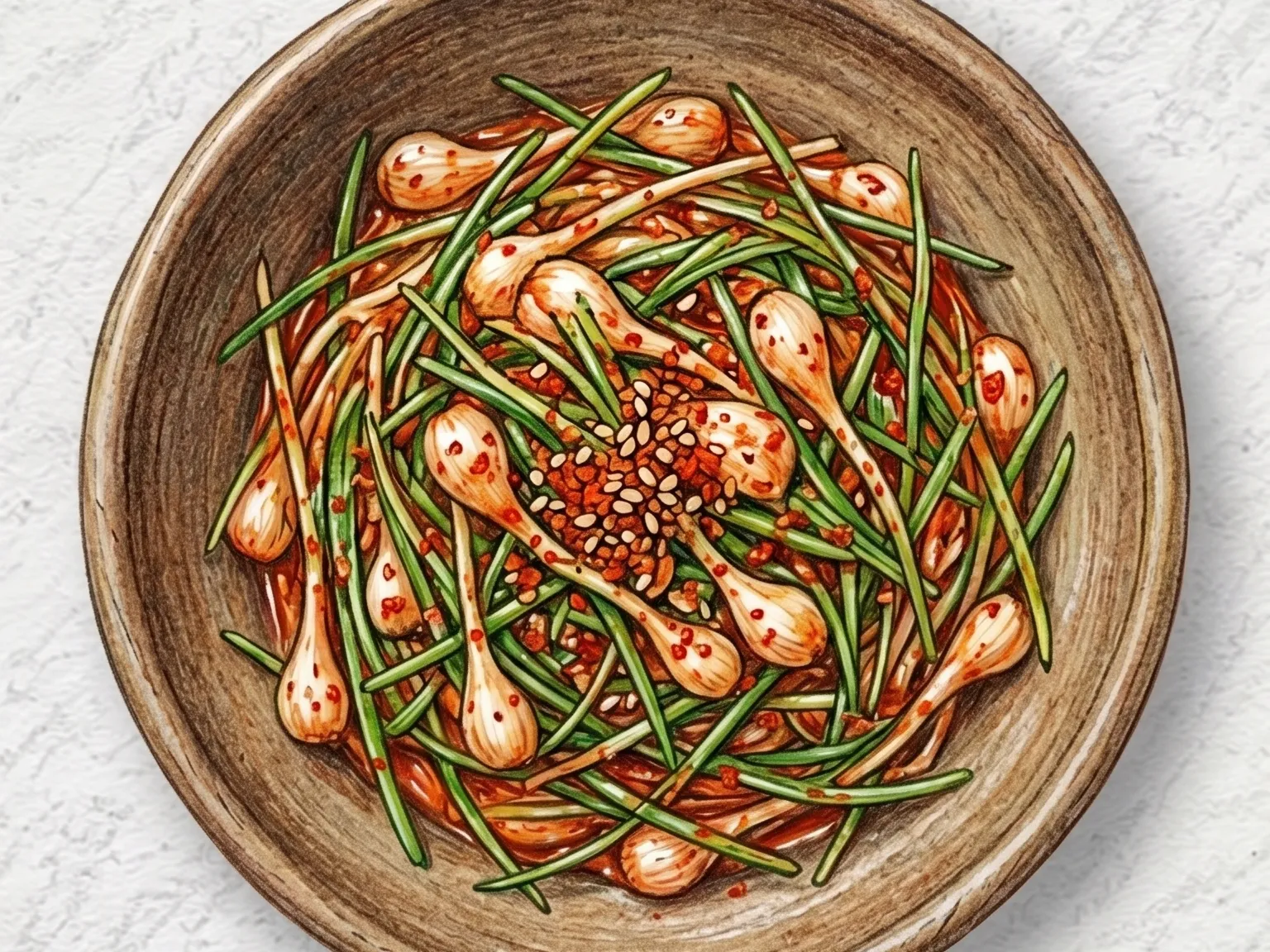
Dallae Muchim
sesame seeds
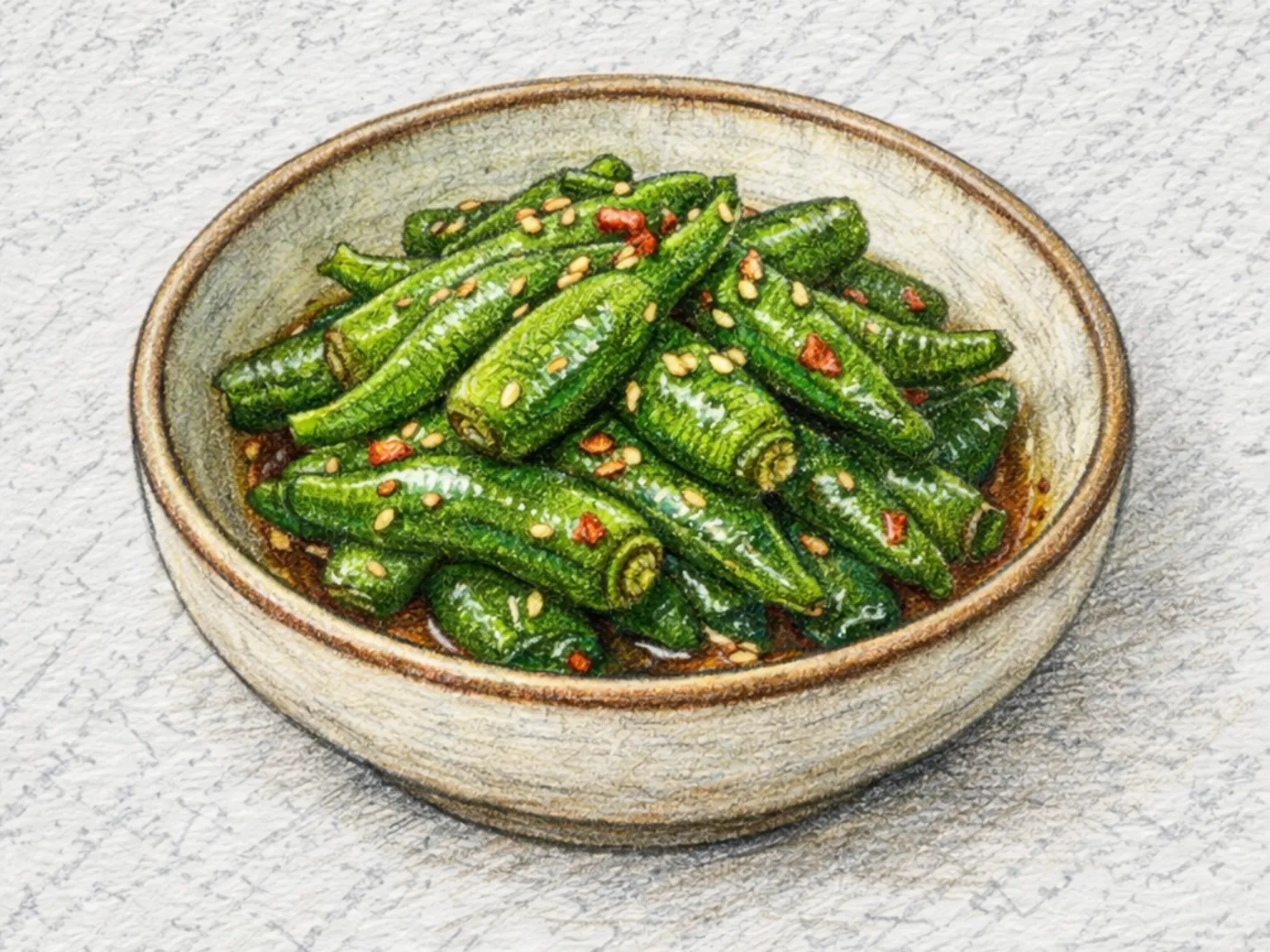
Korean Seasoned Shishito Pepper Banchan
sesame seeds
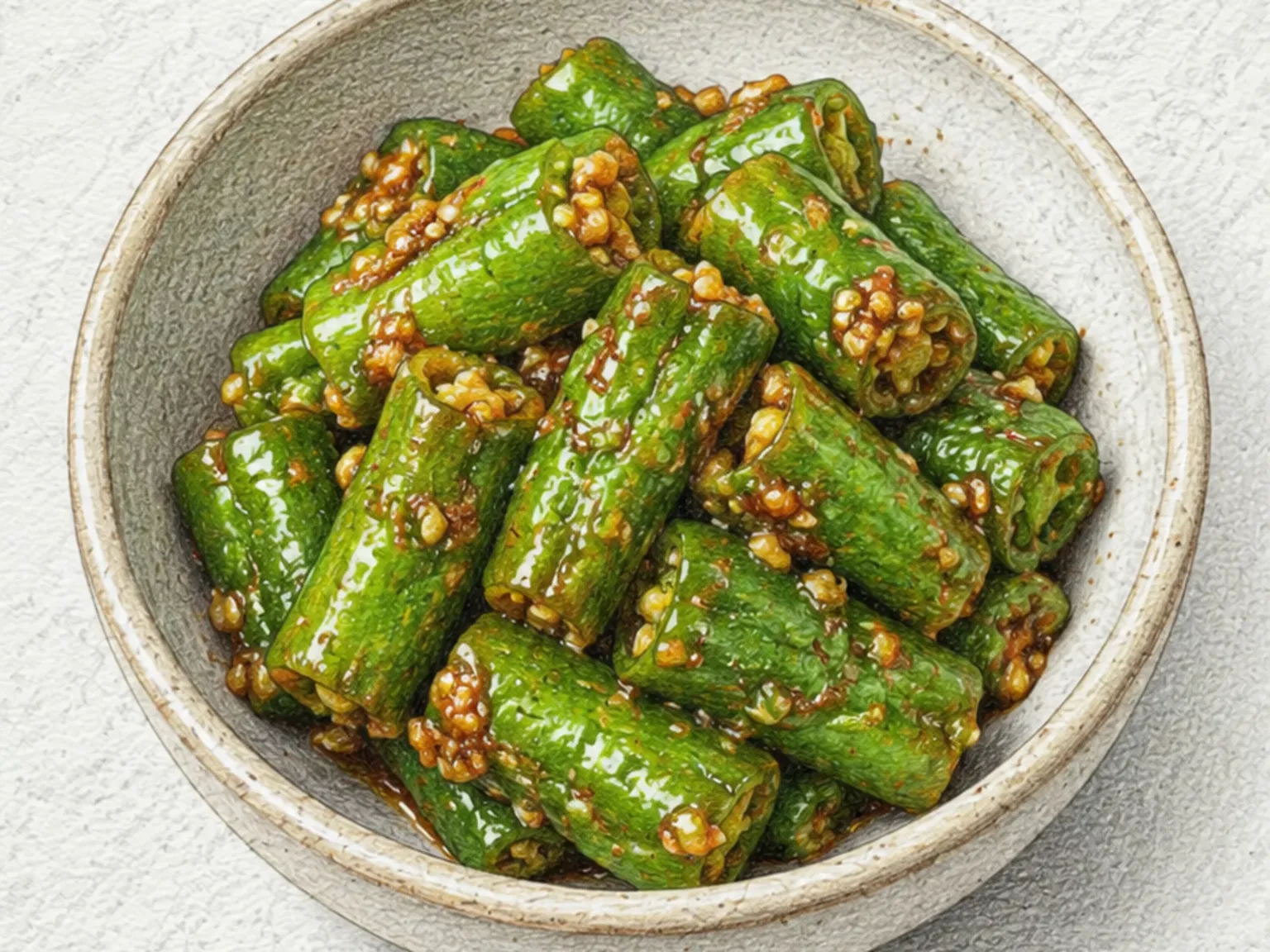
Korean Crisp Chili Pepper Salad
sesame seeds