Korean Braised Pork with Garlic Scapes

Korean Braised Pork with Garlic Scapes

Quick answer

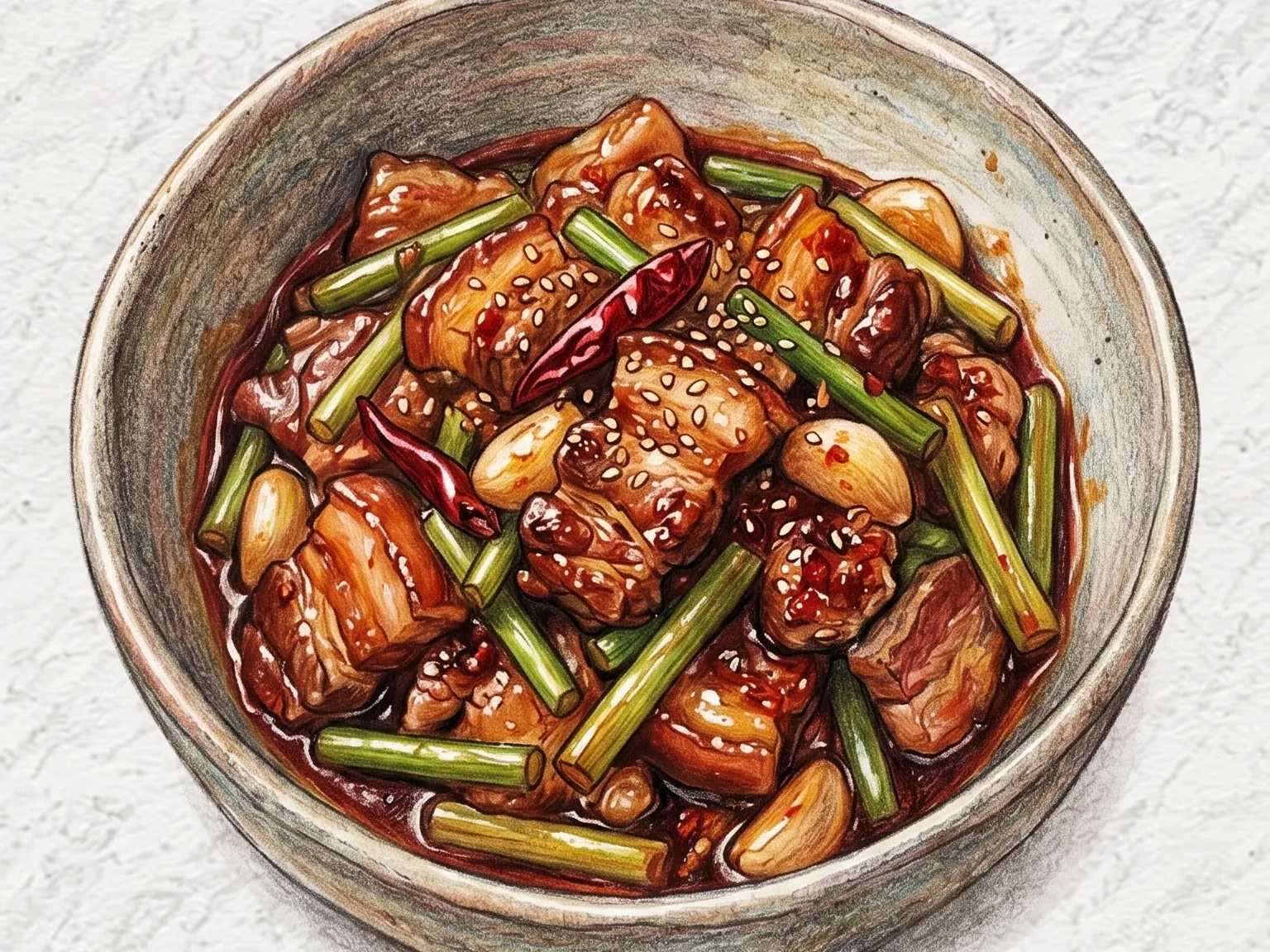
Maneuljjong dwaejigogi-jorim is a Korean braise of pork and garlic scapes in a gochujang, soy sauce, and gochugaru seasoning.

What makes this special

  • Maneuljjong-dwaejigogi-jorim cuts pork richness with pungent garlic scapes in a soy-chili braise.
  • Garlic scape's pungent edge naturally cuts through the pork tenderloin's richness
  • Oyster sauce and gochujang together build a thick, complex umami layer
Total time
40 min
Level
Easy
Servings
2 servings
Ingredients
9
Calories
345 kcal
Protein
33 g

Key ingredients

pork tenderloingarlic scapessoy sauceoyster saucegochujang

Core cooking flow

  1. 1 Slice 320 g pork tenderloin across the grain into 1 cm pieces so it stays tender.
  2. 2 In a bowl, mix 3 tbsp soy sauce, 1 tbsp oyster sauce, 0.5 tbsp gochujang, 1...
  3. 3 Heat 1 tbsp neutral oil in a wide pan over medium heat.

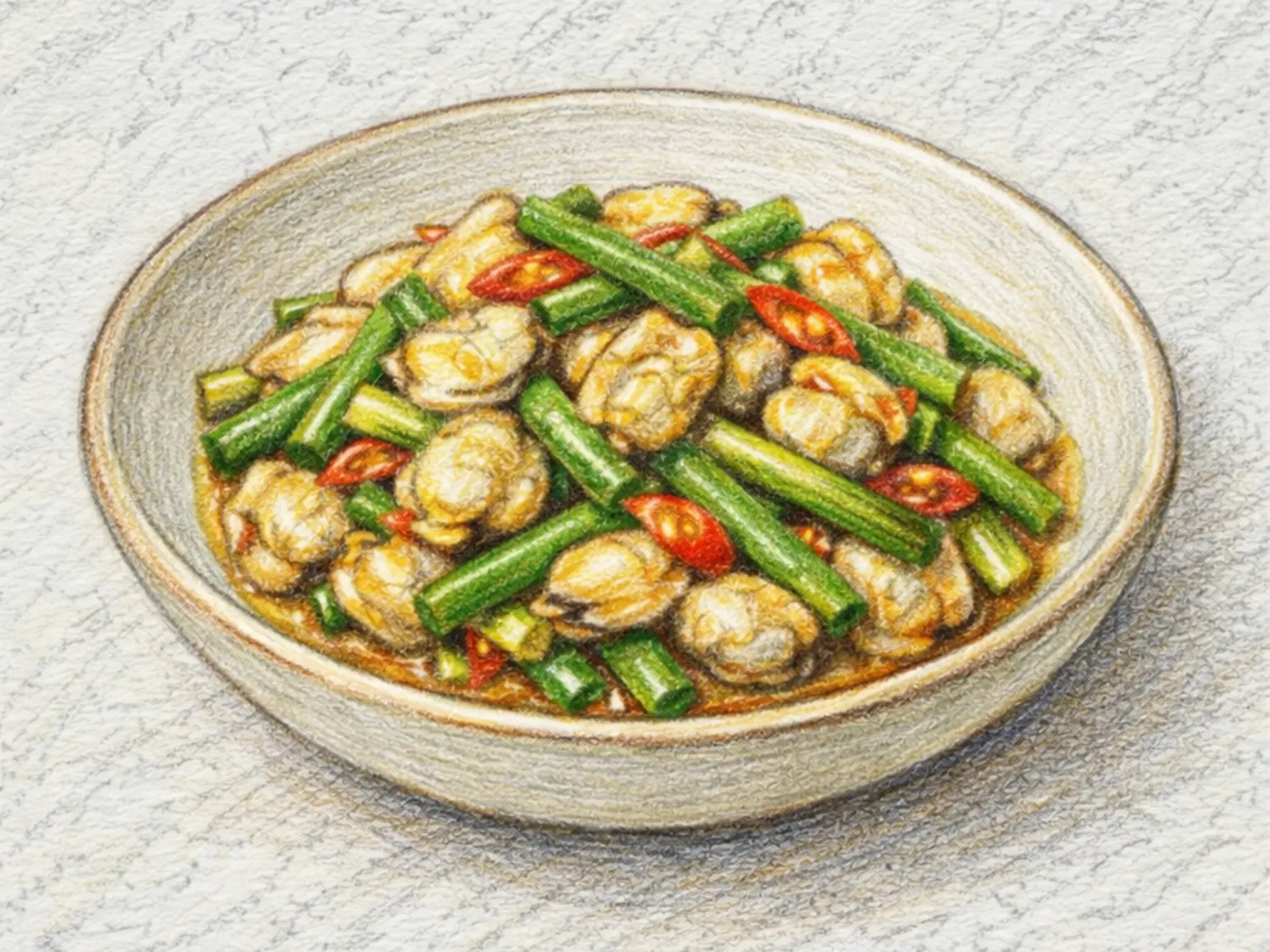
Maneuljjong dwaejigogi-jorim is a Korean braise of pork and garlic scapes in a gochujang, soy sauce, and gochugaru seasoning. The pork releases its juices into the sauce as it cooks, building a concentrated braising liquid that the garlic scapes absorb while retaining their characteristic crunch. Gochujang's deep warmth layers with soy sauce's umami into a compound seasoning, and the garlic scapes' mild pungency cuts through any heaviness from the pork fat. Mixed over rice, the sauce, meat, and vegetables come together into a filling, well-rounded meal.

Prep 15min Cook 25min 2 servings
Recipes by ingredient → soy sauce gochujang garlic

Instructions

Read the steps as a cooking flow: prep, heat, seasoning, doneness control, and finish.

6 steps
  1. 1
    Heat

    Slice 320 g pork tenderloin across the grain into 1 cm pieces so it stays tender.

    Trim any tough ends from 150 g garlic scapes, then cut them into 4 cm lengths for even cooking.

  2. 2
    Season

    In a bowl, mix 3 tbsp soy sauce, 1 tbsp oyster sauce, 0.5 tbsp gochujang, 1 tbsp corn syrup, 1 tsp minced garlic, and 100 ml water.

    Stir until the paste loosens completely.

  3. 3
    Control

    Heat 1 tbsp neutral oil in a wide pan over medium heat.

    Add the pork in a single layer when the oil shimmers, then stir-fry for about 2 minutes until the outside turns pale and lightly browned.

  4. 4
    Control

    Pour in the seasoning sauce and scrape the bottom of the pan to dissolve any browned bits.

    Once it starts bubbling, lower to medium-low heat and braise for about 10 minutes, stirring occasionally so the sauce does not scorch.

  5. 5
    Control

    When the pork is coated and the liquid has reduced by about half, add the garlic scapes.

    Keep the heat steady instead of raising it high, then braise 6 to 8 minutes until the scapes are crisp-tender.

  6. 6
    Finish

    Turn off the heat when only about one spoonful of glossy sauce remains.

    Serve right away with rice before the garlic scapes overcook, so the pork stays coated and the scapes keep their bite.

After the steps

Pick a recipe that fits this dish.

Continue with shared ingredients, meal pairings, or a similar method.

Recipes That Go Well With This

More Steamed →

Based on shared ingredients and meal pairing

Korean Garlic Scape Anchovy Braise
Shared ingredient: garlic scapes Steamed

Korean Garlic Scape Anchovy Braise

Maneuljjong-myeolchi-jorim is a Korean pantry side dish of garlic scapes and small dried anchovies glazed in soy sauce, oligosaccharide syrup, and sesame oil. The anchovies are coated evenly as the seasoning heats around them, building a sweet-salty shell that deepens into nuttiness with each bite. Garlic scapes are cut into short pieces and stir-fried directly in the sauce without blanching, which keeps them snappy rather than soft. Oligosaccharide syrup holds its shine and moisture longer than plain sugar, and sesame oil is added only at the very end to preserve its aroma. The finished dish keeps for well over a week under refrigeration, making it a reliable weekly batch cook. It travels well in lunchboxes, and spooned over hot white rice the glaze soaks into the grains and brings the whole bowl together.

Korean Garlic Scape Bacon Stir-fry
Shared ingredient: garlic scapes Stir-fry

Korean Garlic Scape Bacon Stir-fry

Maneuljjong bacon bokkeum is a side dish built around rendered bacon fat. Bacon goes into the pan first over low heat until the white fat turns translucent and releases its fragrant, smoky oil, and that rendered fat then becomes the cooking medium for the garlic scapes and onion that follow. No additional cooking oil is needed, and the depth of flavor that results from this single step makes the dish taste far more complex than its short ingredient list suggests. Garlic scapes bring a sharp, grassy bite and a satisfying crunch that disappears quickly if they sit on the heat too long, so the pan temperature is turned up at the end for a fast, high-heat finish. Soy sauce sets the salty foundation, and a drizzle of oligosaccharide syrup coats every piece in a thin, glossy lacquer that softens the salt with restrained sweetness. Because bacon is already heavily seasoned, the soy sauce should be added gradually and tasted as you go rather than measured out in advance. A scatter of toasted sesame seeds over the finished dish adds one more layer of nutty fragrance.

Korean Seasoned Bracken Fern
Serve together Side dishes

Korean Seasoned Bracken Fern

Gosari, the Korean name for bracken fern, is one of the oldest foraged vegetables in Korean cooking, with consumption records tracing back to the Three Kingdoms period. It is a mandatory component of bibimbap and a required dish on jesa, the ancestral rite table set for ceremonies honoring the dead. Dried gosari must soak overnight in cold water and then boil until the tough, wiry fibers relax into a distinctively springy, almost elastic chew that no fresh vegetable can replicate. The rehydrated fern is stir-fried in perilla oil with minced garlic until fragrant, then a small amount of soup soy sauce and water goes in and the pan is covered to let the liquid absorb and the fern braise briefly. This short braising step is what rounds the flavor and ensures the seasoning penetrates the fibrous strands rather than sitting only on the surface. Perilla oil is the traditional fat of choice rather than sesame oil because its green, herbal quality pairs more naturally with the woodsy, forest-floor flavor of gosari, amplifying rather than competing with it. Large batches are typically made during Chuseok or Seollal and eaten over several days, as the flavor improves and deepens as the dish sits.

Korean Braised Lotus Root with Pork
Similar recipe Steamed

Korean Braised Lotus Root with Pork

Yeongeun dwaejigogi jorim is a Korean braise of lotus root and pork shoulder in a gochujang and soy sauce seasoning. The lotus root absorbs the spiced braising liquid while maintaining its signature crisp bite, and the pork shoulder softens as its fat renders into the sauce, building depth. Gochujang provides a steady warmth while soy sauce anchors the umami, and oligosaccharide syrup glazes everything in a glossy coat. The textures hold up well even after cooling, making this a practical banchan for lunchboxes and meal prep.

Serve with this

Korean Bulgogi Deopbap (Pork Rice Bowl)
Rice Easy

Korean Bulgogi Deopbap (Pork Rice Bowl)

Dwaeji-bulgogi-ssukgat-deopbap is a Korean rice bowl of gochujang-marinated pork stir-fried with onion over high heat, mounded over steamed rice and finished at the last moment with crown daisy greens. The marinade builds from gochujang, chili flakes, soy sauce, sugar, and minced garlic into a sauce that is simultaneously spicy, sweet, and deeply savory. A small amount of pear or kiwi juice added to the marinade tenderizes the pork shoulder before cooking. High heat over a short cooking time is essential for developing a browned crust on the meat, which produces a roasted, smoky depth that low-and-slow cooking cannot replicate. Pork shoulder carries enough intramuscular fat that once it renders under heat, it mingles with the sauce and soaks down into the rice below, creating a rich, glossy base at the bottom of the bowl. The crown daisy -- ssukgat -- goes in during the last thirty seconds before the heat is cut. The timing window is narrow: add it too early and the aromatic oils cook off, leaving only bitterness; add it with the heat already off and the fragrance stays locked inside the leaves. At the right moment, heat releases ssukgat's distinctive chrysanthemum-family herbaceousness, a green, almost medicinal brightness that cuts cleanly through the heaviness of the pork and sauce. The finished bowl is complete without side dishes.

🏠 Everyday 🍱 Lunchbox
Prep 18min Cook 14min 2 servings
Korean Cheonggak Kimchi (Seaweed Kimchi)
Kimchi Medium

Korean Cheonggak Kimchi (Seaweed Kimchi)

Cheonggak kimchi uses cheonggak, a branching green seaweed, mixed with julienned radish and scallions in a paste of gochugaru, anchovy fish sauce, and sweet rice starch. The seaweed brings a firm, almost crunchy chew and a concentrated marine aroma absent from land-vegetable kimchi. Seasoning the radish first lets it absorb the brine, then the seaweed is tossed in briefly - prolonged handling toughens the strands. After one day of refrigeration, the seaweed's salinity merges with the fermented seasoning paste to produce a briny, sharp kimchi that sits naturally alongside seafood dishes and mild rice soups. Coastal households traditionally make this in autumn when fresh cheonggak comes into season.

🍱 Lunchbox 🏠 Everyday
Prep 35min 4 servings
Korean Taro Stem Perilla Soup
Soups Medium

Korean Taro Stem Perilla Soup

Torandae deulkkae-tang is built around dried taro stems - the stalks of the taro plant, sun-dried for preservation and rehydrated before cooking. Once soaked, the stems become spongy enough to absorb broth while retaining a fibrous chew that provides the soup's defining texture. They are first stir-fried in perilla oil to tame any grassy rawness and coat the fibers with a toasty fragrance. Ground perilla seeds are then stirred into the simmering stock, turning the liquid an opaque cream color and filling it with a deep, nutty richness that carries every spoonful. Adding beef brisket to the pot contributes body and a meaty undertone, while a small amount of doenjang blended into the broth introduces a fermented complexity that deepens the perilla's already layered flavor. The soup is a staple of the colder months, when its warming richness is most welcome. Spooned over rice, the thick perilla broth clings to each grain, making this one of the most comforting bowls in the Korean autumn and winter table.

🏠 Everyday 🥗 Light & Healthy
Prep 20min Cook 35min 4 servings

Similar recipes

Korean Braised Squid with Shishito Peppers
Steamed Medium

Korean Braised Squid with Shishito Peppers

Kkwari-ojingeo-jorim is a Korean braise of squid and shishito peppers simmered in a gochujang and soy sauce seasoning. The squid retains its chewy bounce while soaking in the bold sauce, and the peppers absorb enough flavor to stand on their own while keeping a slight crunch. Gochujang brings a warm spiciness that combines with soy sauce's depth into a multilayered seasoning, and garlic with ginger neutralizes any seafood odor. As the liquid reduces, it coats each piece in a concentrated glaze that makes this banchan work especially well spooned over a bowl of steamed rice.

🏠 Everyday 🍱 Lunchbox
Prep 18min Cook 17min 2 servings
Korean Yeongeun Ganjang Jorim (Soy-Braised Lotus Root)
Steamed Easy

Korean Yeongeun Ganjang Jorim (Soy-Braised Lotus Root)

Yeongeun ganjang jorim is a Korean soy-braised lotus root side dish simmered in soy sauce, oligosaccharide syrup, vinegar, and cooking wine. The starchy surface of the lotus root develops a glossy glaze from the reduced sauce while the interior stays distinctly crunchy. Vinegar brightens the soy's salinity, and the syrup contributes a gentle sweetness and visible sheen. This banchan improves overnight in the refrigerator as the seasoning continues to penetrate, making it one of the most practical make-ahead side dishes in Korean home cooking.

🏠 Everyday 🎉 Special Occasion
Prep 15min Cook 25min 4 servings
Korean Stir-Fried Garlic Scapes
Side dishes Easy

Korean Stir-Fried Garlic Scapes

Maneuljjong-bokkeum is stir-fried garlic scapes, the curling flower stalks cut from garlic plants before they bloom, seasoned with soy sauce and oligosaccharide syrup. Where garlic bulbs deliver a sharp, nose-clearing bite, scapes carry a gentler, almost sweet garlic flavor that works even for people who find raw garlic too aggressive. Cutting the scapes into 4 to 5 cm lengths and blanching them for thirty seconds loosens the fibrous outer skin while preserving the snap inside. Skipping the blanch and going directly to the pan produces an uneven result: the outside turns tough and leathery before the inside has cooked through. Blanched scapes go into a lightly oiled pan over high heat for one minute, then soy sauce, oligosaccharide, minced garlic, and a pinch of gochugaru are added and the whole thing stir-fries for another two minutes. The syrup and soy sauce build a sweet-salty glaze that clings to every piece, and sesame oil is stirred in only after the heat is off to protect its fragrance from burning off. Made once, this banchan keeps refrigerated for five days or more, making it one of the most practical side dishes to prepare on a weekend and draw from throughout the week. Spring through early summer is peak garlic scape season, when the stalks are at their most tender.

🏠 Everyday 🍱 Lunchbox
Prep 10min Cook 6min 4 servings

Tips

Add garlic scapes late so they stay crisp-tender.
For extra heat, add fresh chili instead of increasing gochujang.

Nutrition (per serving)

Calories
345
kcal
Protein
33
g
Carbs
12
g
Fat
18
g