Korean Gochujang Grilled Garlic Scapes
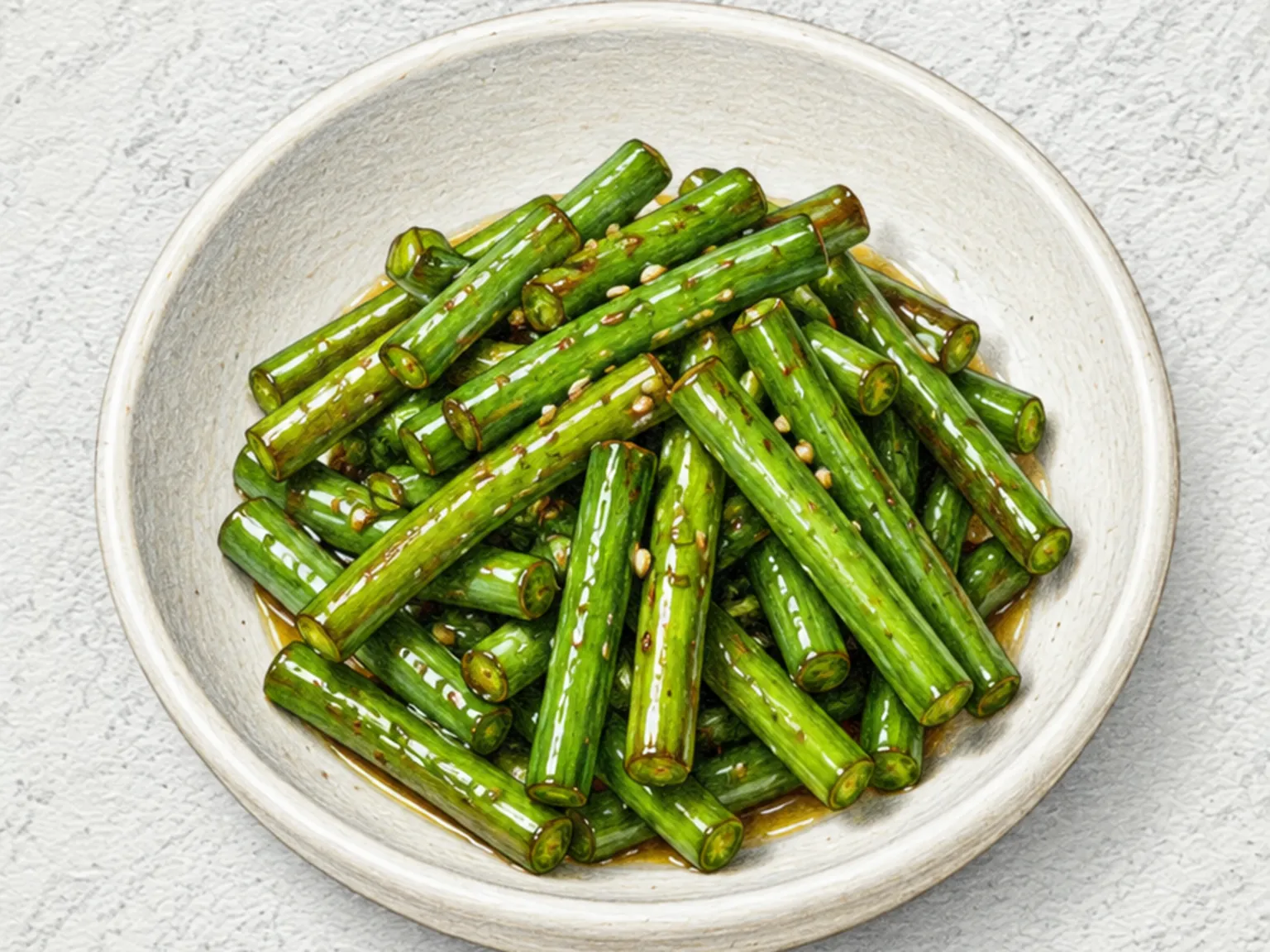
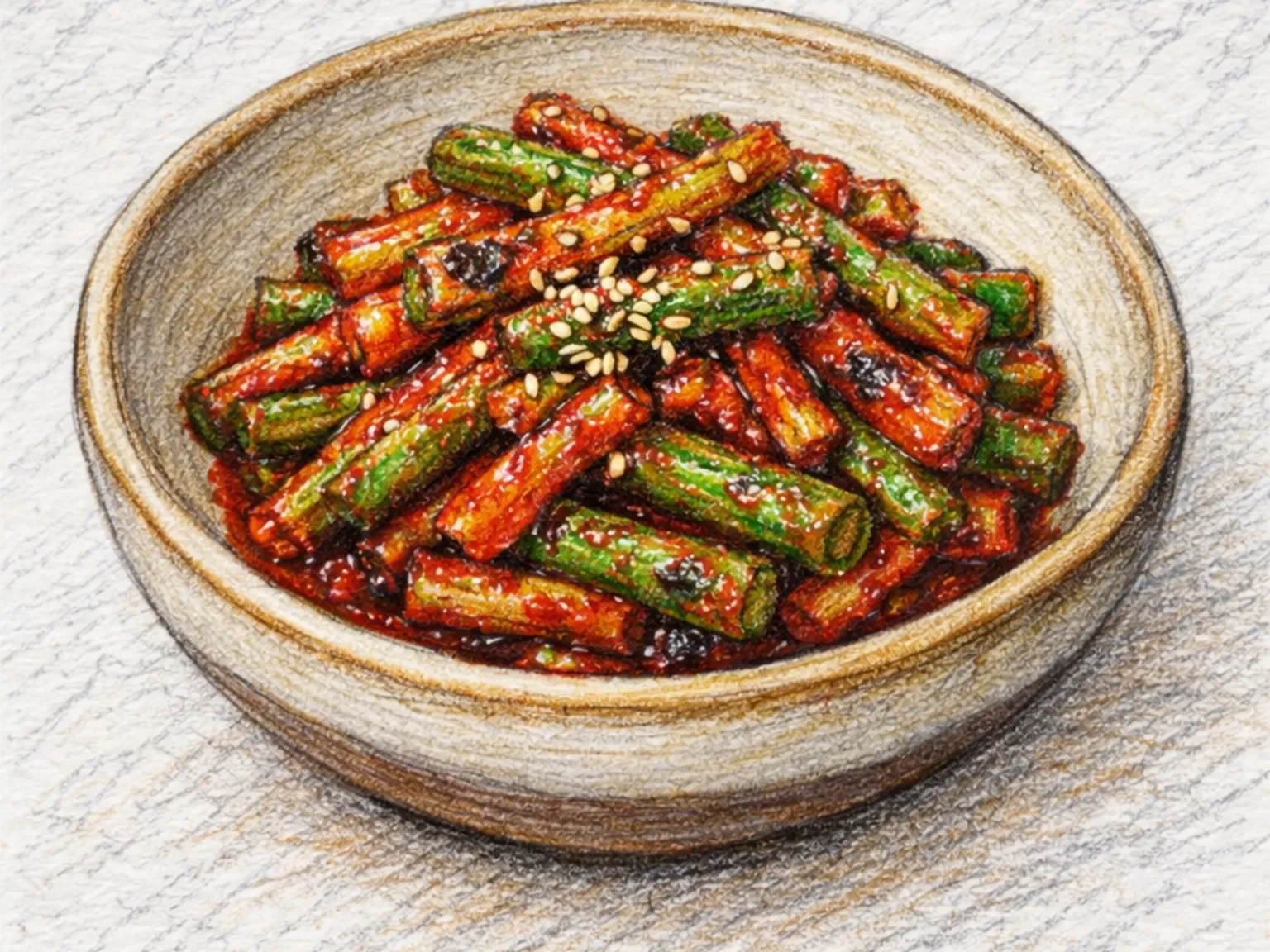
Maneuljjong-gochujang-gui is a Korean grilled garlic scape dish where the scapes are cut into six-centimeter pieces, blanched for just thirty seconds, then stir-grilled in a pan with a sauce of gochujang, gochugaru, soy sauce, oligosaccharide syrup, and minced garlic. The brief blanch softens the fibrous outer layer while preserving the interior crunch, and an immediate cold-water rinse stops carryover cooking. The garlic scapes' sharp, pungent bite compounds with gochujang's fermented heat to create a layered spiciness that goes beyond simple chili burn. If the sauce begins to stick and scorch, a tablespoon of water loosens it without diluting the flavor, and a final drizzle of sesame oil with toasted sesame seeds closes the dish with a roasted nuttiness.
Adjust Servings
Instructions
- 1
Cut garlic scapes into 6 cm pieces and trim tough ends.
- 2
Blanch for 30 seconds, then rinse in cold water to keep crunch.
- 3
Mix gochujang, gochugaru, soy sauce, syrup, and minced garlic.
- 4
Heat a pan over medium and grill-stir garlic scapes with sauce for 3 minutes.
- 5
Drizzle sesame oil, cook 1 more minute, and finish with sesame seeds.
As an Amazon Associate, we may earn from qualifying purchases.
Tips
Nutrition (per serving)
More Recipes

Korean Gochujang Grilled Anchovies
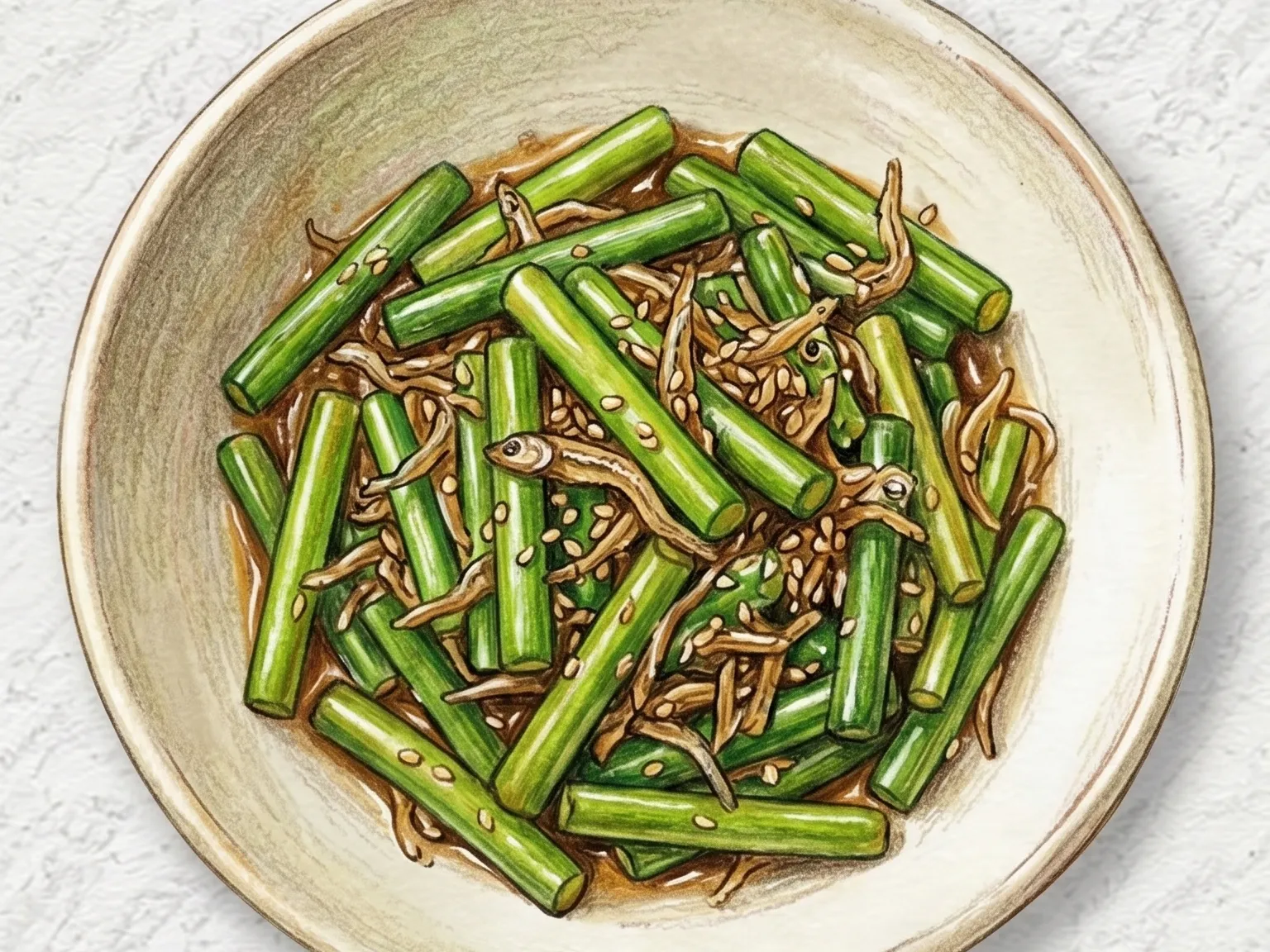
Myeolchi-gochujang-gui is a Korean gochujang-glazed anchovy side dish where medium-sized dried anchovies are first dry-toasted in a pan for one minute to reduce fishiness and drive off moisture, then tossed in a sauce of gochujang, soy sauce, oligosaccharide syrup, cooking wine, and minced garlic. The sauce is simmered briefly over low heat before the anchovies go in, cooking off the alcohol in the wine and thickening the glaze so it clings to each fish. Once the anchovies are added, the tossing should finish within two minutes-longer cooking hardens them rather than keeping them pleasantly chewy. Sesame oil and toasted sesame seeds folded in at the end round out the sweet-spicy-salty profile with a nutty finish.

Korean Stir-Fried Garlic Scapes
Maneuljjong-bokkeum is stir-fried garlic scapes - the curling flower stalks cut from garlic plants before they bloom - seasoned with soy sauce and oligosaccharide syrup. Garlic scapes carry the plant's growth energy in a concentrated, milder form: they deliver a gentle garlic fragrance without the sharp bite of the bulb. Cutting into 4 to 5 cm pieces and blanching for thirty seconds softens the outer fibrous skin while keeping the interior crisp. Skipping the blanch and going straight to the pan creates an uneven result - tough outside, undercooked inside. The syrup-and-soy combination builds a sweet-salty glaze on the scape surfaces, and sesame oil is added only after the heat is off to preserve its fragrance. This banchan keeps in the refrigerator for about five days, making it a reliable weekday side dish. Spring through early summer is peak garlic scape season.

Korean Grilled Bellflower Root
Bellflower root is shredded lengthwise, soaked in salted water, and blanched for one minute to draw out its characteristic bitterness without eliminating it entirely. A ten-minute soak in a sauce of gochujang, gochugaru, soy sauce, oligosaccharide syrup, garlic, and sesame oil seasons the root before it hits a medium-heat pan for three to four minutes per side. The result has a crisp, crunchy bite - distinct from any other vegetable - with a red-glazed surface that carries moderate heat. Open-flame grilling adds a smoky dimension that pairs well with the spicy coating, and sesame seeds provide a finishing touch.

Korean Kkotge Gochujang Gui (Spicy Grilled Crab)
Kkotge-gochujang-gui is a Korean spicy grilled crab where halved blue crabs are coated in a thick paste of gochujang, gochugaru, soy sauce, oligosaccharide syrup, and garlic, then marinated for fifteen minutes before going on a medium-heat grill. The sugar in the syrup and the fermented compounds in gochujang caramelize over the direct flame, forming a glossy, dark-red glaze on the shell while the crab meat beneath stays sweet and succulent. The sauce burns easily, so controlled medium heat and cooking shell-side down first for four minutes, then flipping for another five to six minutes is critical. A finish of sesame oil and toasted sesame seeds layers a nutty fragrance over the spicy coating.

Korean Stir-fried Garlic Scapes
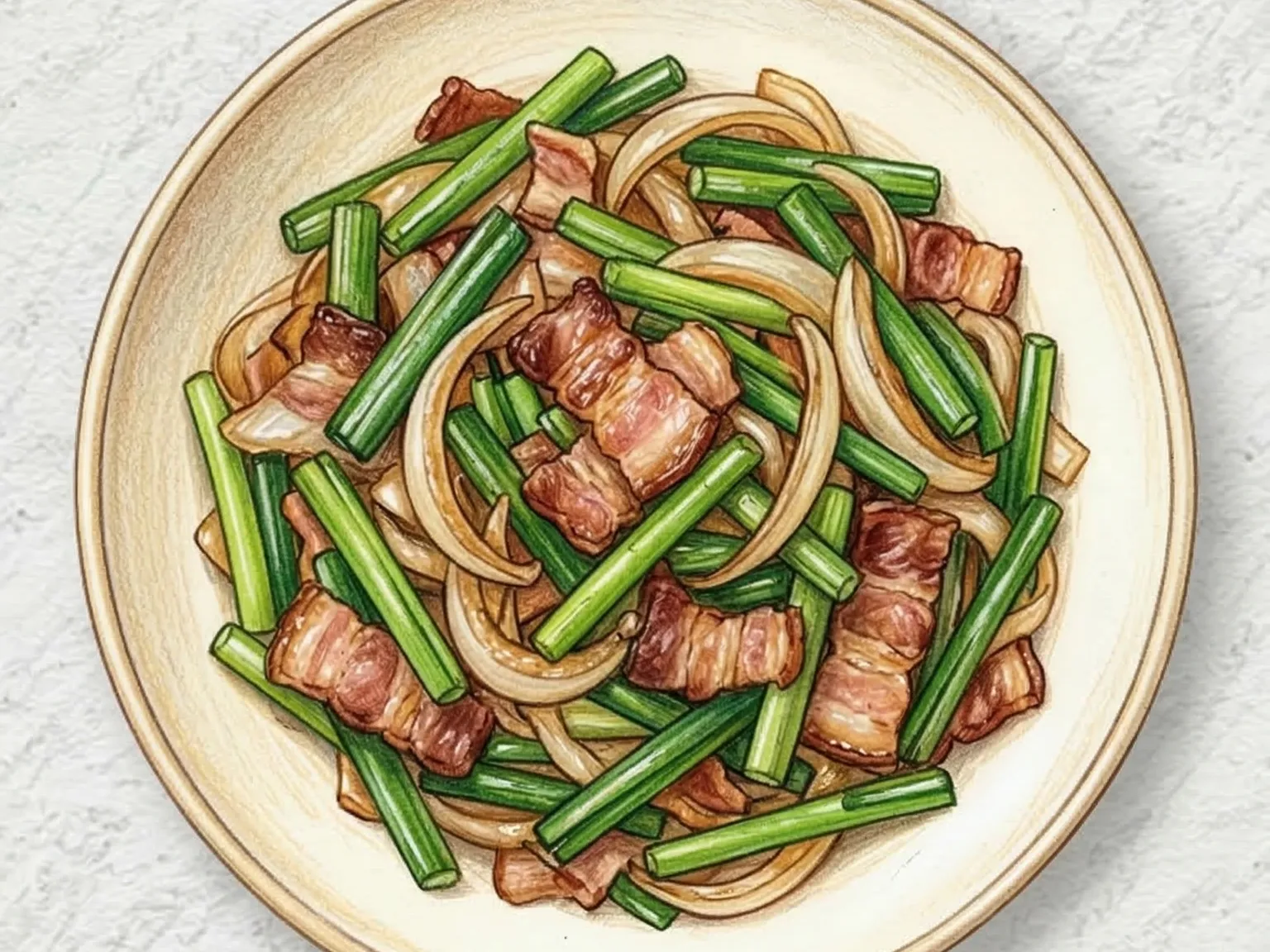
Maneul jong bokkeum is a Korean side dish of garlic scapes cut into 4 cm lengths and stir-fried with onion, then coated in a sauce of gochujang, soy sauce, and oligosaccharide syrup. The garlic scapes' sharp, pungent bite meets gochujang's spicy warmth and the syrup's glossy sweetness, producing a three-way balance of salty, sweet, and hot. Overcooking makes the scapes tough, so pulling them from the heat while they are still bright green is essential. Sesame seeds add a finishing nuttiness, and the dish keeps well refrigerated for several days of banchan rotation.

Korean Soy-Glazed Grilled Lotus Root
Lotus root slices are soaked in vinegar water to reduce astringency, blanched briefly, then pan-grilled with a soy sauce, oligosaccharide syrup, and garlic glaze. The coating turns glossy as it reduces, giving each slice a balanced salty-sweet finish while the interior stays crisp and clean-tasting. Topped with sesame seeds, this vegetable side holds up well in packed lunches and as an everyday banchan.