Korean Addictive Mini Gimbap
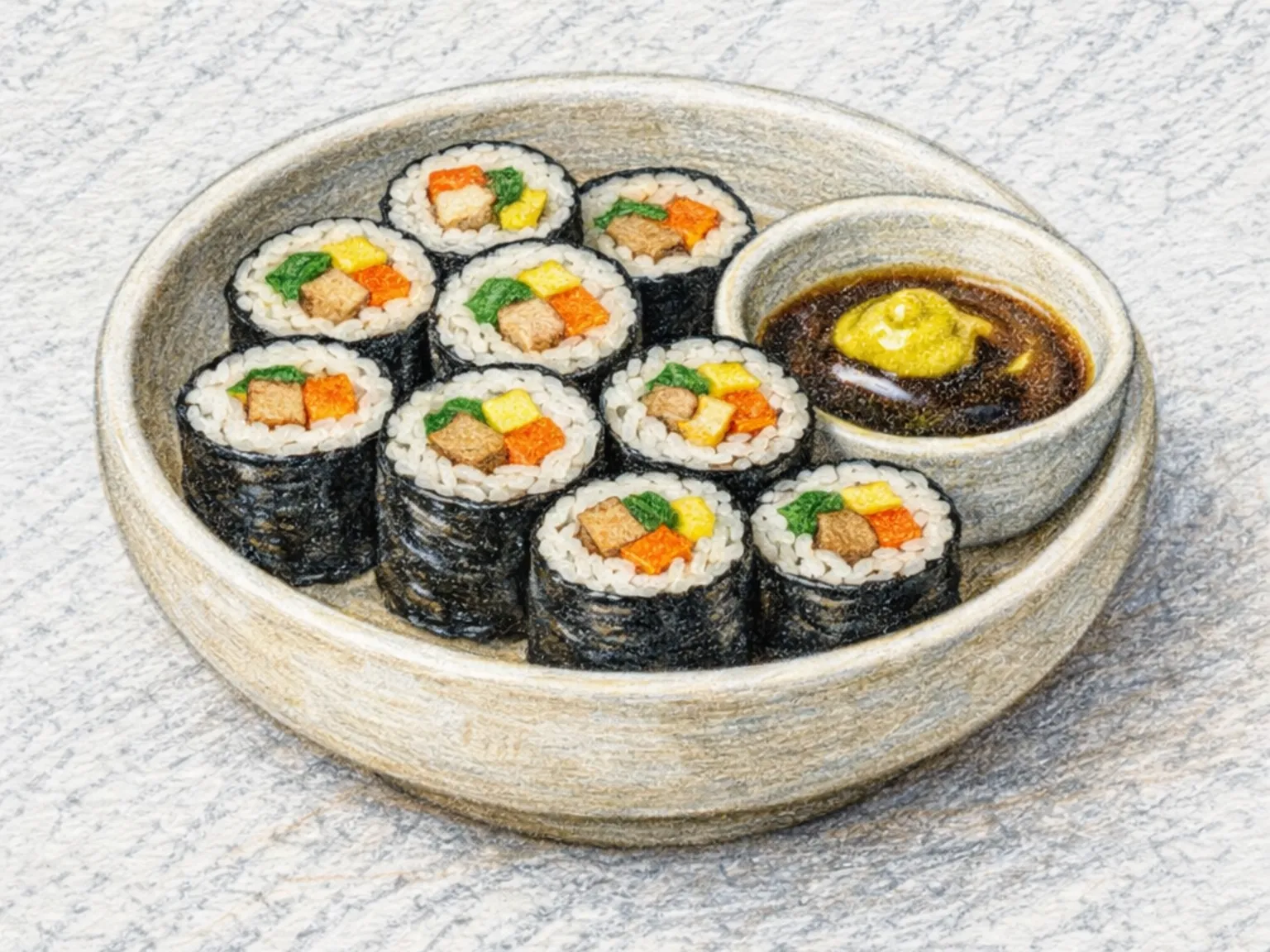
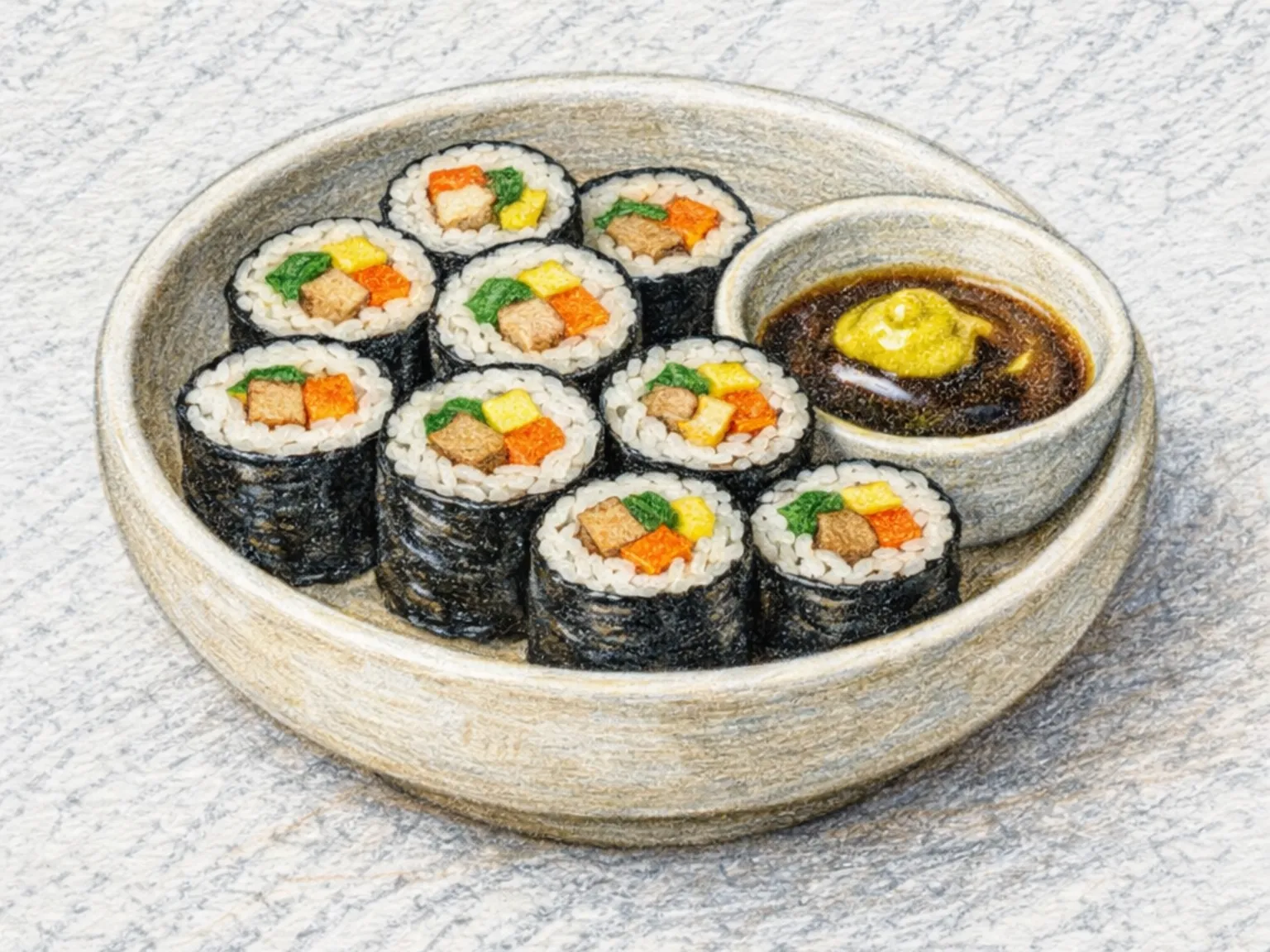
Nori sheets are quartered and filled with a small amount of seasoned rice, sauteed carrot, spinach, and thin egg strips, then rolled into tiny cylinders and served with a mustard-soy dipping sauce. The name 'mayak,' meaning narcotic, refers to their addictive quality: the sharp bite of Korean mustard and salty soy sauce elevate the otherwise mild rolls. Keeping the filling minimal is essential, as overstuffing causes the small nori squares to tear.
Adjust Servings
Instructions
- 1
Sauté carrot and spinach separately.
- 2
Season rice with sesame oil and salt.
- 3
Cut nori into quarters; add rice and fillings, then roll into small cylinders.
- 4
Mix mustard and soy sauce for the dipping sauce; serve alongside.
As an Amazon Associate, we may earn from qualifying purchases.
Tips
Nutrition (per serving)
Variations
Tuna Mini Gimbap
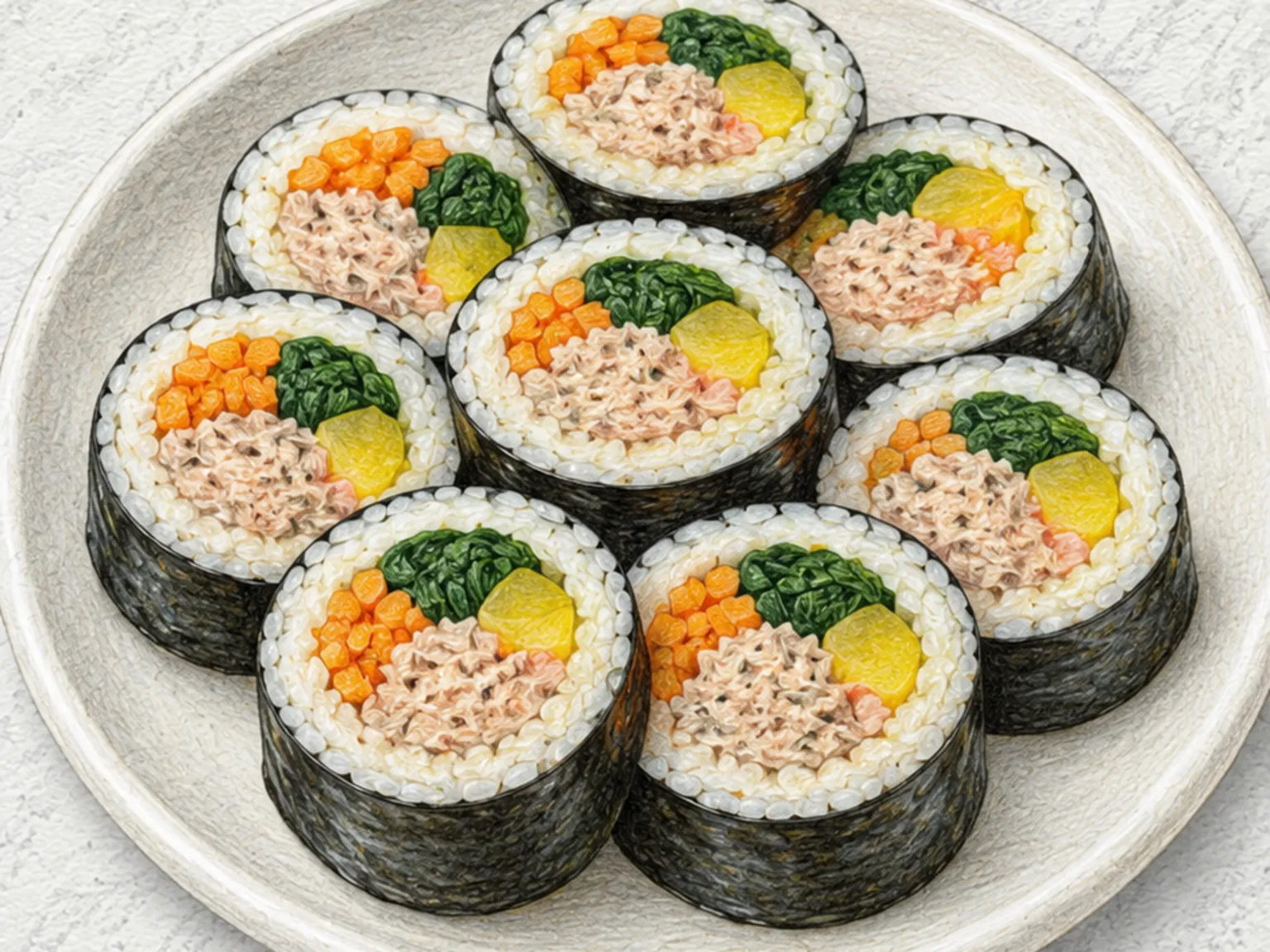
Mini bite-size gimbap rolls filled with tuna mayo. Rich and creamy filling makes them easy to snack on.
More Recipes

Korean Mini Gimbap
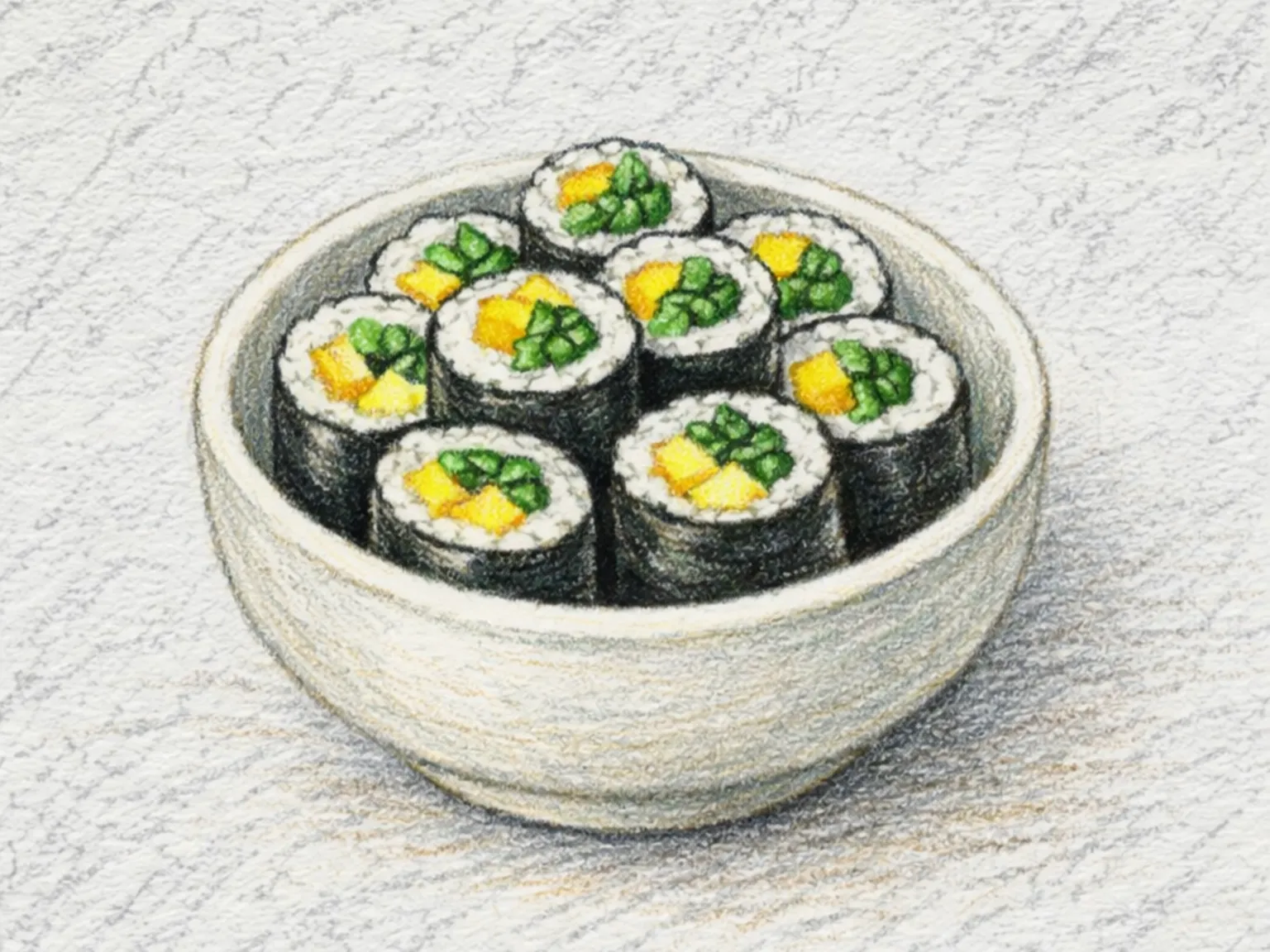
Half-sheet seaweed is lined with a thin layer of seasoned rice and filled with just pickled radish, blanched spinach, and sauteed carrot, then rolled into slender cylinders about half the diameter of regular gimbap. Cut at 2 cm intervals, the pieces are small enough for a single bite. The rice is dressed with sesame oil, salt, and sesame seeds, giving each piece a nutty aroma without any dipping sauce.

Korean Cheese Balls (Mozzarella-Stuffed Glutinous Rice Fried Ball)
Cheese ball bunsik is a Korean street snack of glutinous rice flour dough wrapped around a cube of mozzarella and deep-fried at 170 degrees Celsius. The dough is kneaded with hot water to activate the sticky starch, and frying turns the exterior golden and crisp while the interior stays chewy like rice cake. Pulling one apart while hot reveals a dramatic mozzarella stretch, and the mild sweetness of the dough contrasts with the salty cheese. The cheese firms up as it cools, so eating them straight from the fryer is essential.

Korean Kimchi Cheese Gimbap
Kimchi cheese gimbap rolls seasoned rice, stir-fried kimchi, mozzarella cheese, and pickled radish in seaweed sheets. Stir-frying the kimchi concentrates its tangy flavor and removes excess moisture that would otherwise make the roll soggy and prone to tearing. The cheese's mild fat wraps around the kimchi's spice, and the pickled radish adds a sweet-tart crunch that breaks up the richness. Keeping the cheese in a single line along the center is key to rolling the gimbap tightly without splitting.

Korean Tuna Mini Gimbap (Addictive Bite-Sized Tuna Mayo Seaweed Rolls)
Tuna mayak gimbap are bite-sized rolls made by cutting seaweed sheets in half, spreading a thin layer of sesame-oil-seasoned rice, and filling with tuna-mayo, pickled radish, sauteed carrot, and blanched spinach. Draining the canned tuna thoroughly before mixing with mayonnaise prevents sogginess while keeping the filling creamy. The pickled radish provides a sharp crunch that cleanses the palate between each piece, and the lightly sauteed carrot brings a touch of natural sweetness. Their miniature size ensures every ingredient registers in a single bite, delivering a compact burst of balanced flavor.

Korean Gimbap-Style Rice Bowl
All the classic gimbap fillings - egg strips, imitation crab, blanched spinach, and stir-fried carrot - are arranged over sesame-oil-seasoned rice in a bowl instead of being rolled in seaweed. Skipping the rolling step cuts preparation time significantly while preserving the familiar flavor combination, and serving in a bowl lets you adjust each topping to your preference. Adding pickled radish and fish cake on the side brings the taste even closer to traditional gimbap. The sesame-scented rice acts as a unifying base that ties all the separate components together.

Korean Honeycomb Candy (Caramel Sugar Disc with Baking Soda Puff)
Ppopgi dalgona is a Korean street candy made by melting white sugar in a small ladle over low heat, then stirring in baking soda to trigger a rapid foaming reaction. When the sugar reaches a light amber stage, the heat is cut and baking soda with a pinch of salt is mixed in quickly, generating carbon dioxide that puffs the molten sugar to two or three times its volume. The mixture is poured onto parchment, pressed flat to about 5 mm with an oiled press, and stamped with a shape cutter before it hardens into a brittle disc. Timing is critical: letting the caramel darken even slightly past pale amber introduces bitterness, so pulling the heat at the right second determines whether the candy finishes sweet with only a faint bitter edge.