Charim

2686 Korean & World Recipes

2686+ Korean recipes, clean and organized. Ingredients to instructions, all at a glance.

Korean Buckwheat Crepes with Kimchi Filling
Grilled Medium

Korean Buckwheat Crepes with Kimchi Filling

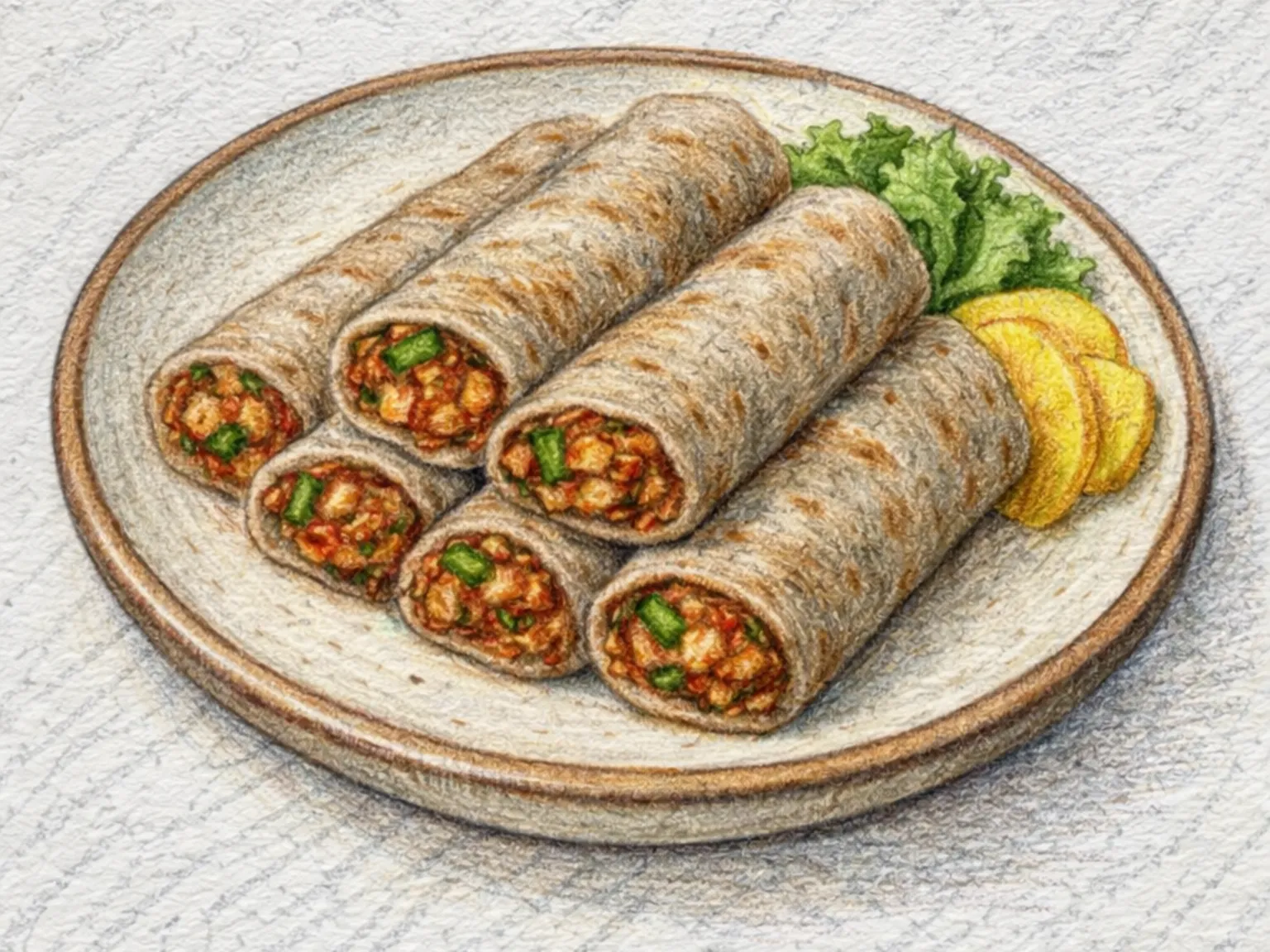
Memil-jeonbyeong is a buckwheat crepe from Korea's Gangwon province, filled with stir-fried aged kimchi, tofu, ground pork, green onion, and gochugaru, then rolled and pan-fried again until the exterior crisps. The batter is made from buckwheat flour and water mixed to a thin consistency, but buckwheat contains no gluten and the batter tears easily on the pan if used immediately. Resting it for at least ten minutes allows the flour particles to hydrate fully, giving the batter enough cohesion to be spread thin without breaking. The thinner the crepe is spread, the more pronounced the characteristic chewy texture of the buckwheat becomes after cooking. The filling is prepared separately. Aged kimchi may be rinsed to moderate its acidity, but leaving it unwashed preserves the deep, funky sourness that forms the backbone of the filling's flavor. Ground pork contributes richness, tofu adds a mild, clean counterpoint, and together with the fermented kimchi they produce a filling with several distinct flavor layers. The filling is placed along one edge of the crepe, which is then rolled tightly and pressed closed. The rolled jeonbyeong is returned to the pan and turned slowly on all sides until the outside is golden and crisp. The contrast between the chewy, slightly earthy buckwheat wrapper and the spiced, savory interior is the defining characteristic of the dish.

Prep 30min Cook 20min 4 servings

Adjust Servings

2servings
servings

Instructions

  1. 1

    Mix buckwheat flour and water into a thin batter and rest for 10 minutes.

  2. 2

    Chop kimchi and stir-fry with tofu, pork, green onion, and chili flakes for filling.

  3. 3

    Pour a thin layer of batter in an oiled pan to form crepes.

  4. 4

    When half-cooked, add filling and roll tightly.

  5. 5

    Pan-fry the rolled crepes again until lightly crisp.

🛒Shop Ingredients on Amazon

As an Amazon Associate, we may earn from qualifying purchases.

Tips

If batter is too thick, add water gradually for a thin spread.

Nutrition (per serving)

Calories
330
kcal
Protein
14
g
Carbs
36
g
Fat
14
g

Goes Well With

Korean Paengi Beoseot Jeon (Enoki Pancake)
Side dishesEasy

Korean Paengi Beoseot Jeon (Enoki Pancake)

Paengibeoseot-jeon is a thin Korean pancake built around 200 grams of enoki mushrooms separated into loose strands and coated in a light batter of pancake mix, egg, and water. Cooked over medium-low heat, the batter spreads thin enough that the edges turn golden and crisp while the mushroom clusters in the center stay moist and chewy. Chopped scallions add color and a mild onion fragrance throughout. The pancake is served with a dipping sauce of soy sauce, vinegar, and a pinch of chili flakes, whose acidity and salt lift the subtle earthiness of the mushrooms. Keeping the heat moderate is essential - too high and the outside burns before the interior sets.

🍺 Bar Snacks🏠 Everyday
Prep 15minCook 12min2 servings
Korean Oyster Soft Tofu Soup
SoupsEasy

Korean Oyster Soft Tofu Soup

Gul-sundubu-tang is a Korean soup that brings together briny fresh oysters and silky soft tofu in a lightly spicy broth. The flavor base starts with garlic and gochugaru bloomed in sesame oil, giving the entire pot a warm, aromatic heat from the first minute. Sliced zucchini and onion go in next, contributing a natural sweetness that tempers the chili. Water is added, and once simmering, spoonfuls of wobbly sundubu tofu are dropped in. The oysters go in at the very last moment so they stay plump and tender rather than shrinking into rubbery nuggets. Soup soy sauce adjusts the salt. The finished bowl is rust-red, gently spicy, and layered: the tofu melts on the tongue, the zucchini offers a mild crunch, and the oysters deliver bursts of sea flavor throughout.

🏠 Everyday
Prep 12minCook 18min2 servings
Korean Chwinamul Pot Rice
RiceEasy

Korean Chwinamul Pot Rice

Chwinamul sotbap is a Korean pot rice made by layering lightly seasoned wild chwinamul greens over soaked rice and cooking everything together in kelp stock until done. The greens release their distinctively herbal, faintly bitter fragrance directly into the rice as it steams, filling the room with an earthy mountain scent when the lid is lifted. Mixed at the table with a soy-sesame sauce, the initial bitterness softens into a pleasant background that makes each spoonful layered and grounding. It is best prepared in spring when chwinamul is freshly picked, offering the sharpest aroma and the most tender stems. Dried chwinamul, soaked and squeezed before use, extends the recipe across all four seasons, though the fresh version carries a vitality and brightness that dried leaves cannot fully replicate.

🏠 Everyday
Prep 15minCook 25min2 servings
Korean Bangwool Yangbaechu Kimchi (Brussels Sprout Kimchi)
KimchiMedium

Korean Bangwool Yangbaechu Kimchi (Brussels Sprout Kimchi)

Bangwool yangbaechu kimchi is a creative Korean kimchi made from halved Brussels sprouts, brined in salt and dressed with gochugaru, fish sauce, garlic, and apple. Brussels sprouts are denser than napa cabbage and hold their structure after salting, giving each bite a firm crunch that releases a natural sweetness as you chew. The combination of fish sauce and gochugaru builds a spicy-salty depth, while grated apple introduces a fruit sweetness that softens the chili heat without masking it. Scallions contribute a fresh note throughout. Because the sprouts are compact and less watery than cabbage, the kimchi ferments more slowly and stays crisp longer. It can be eaten right away as a fresh kimchi, or left to ferment for several days as the flavors deepen. In season from autumn through early spring, this kimchi suits both traditional Korean meals and modern brunch spreads.

🍱 Lunchbox
Prep 30min4 servings

More Recipes

Korean Kimchi Pancake
GrilledEasy

Korean Kimchi Pancake

Kimchi-jeon is a Korean savory pancake made by chopping well-fermented kimchi into small pieces, mixing it into a batter of pancake flour, kimchi brine, and chili flakes, then frying the batter in oil until both sides turn golden and crisp. Using kimchi brine instead of plain water is the central technique: the lactic acid from fermentation adds a tangy depth to the flour base that water simply cannot provide. The batter consistency varies with how wet the kimchi is, so the target is a texture that runs slowly rather than puddles, which usually requires less liquid than might seem necessary. Neutral cooking oil or perilla oil suits the flavor profile better than olive oil, preserving the characteristic savory aroma of Korean pan-fried foods. Four minutes on the first side over medium-high heat followed by three minutes after flipping produces a crust that is genuinely crisp at the surface while the inside stays moist from the kimchi's own liquid. Pressing lightly with a spatula before flipping helps confirm that the underside has set firmly enough to hold its shape. A pancake that is too thin burns before it develops flavor, and one that is too thick leaves the interior underdone. Kimchi-jeon is at its best immediately off the pan, but a brief return to a dry skillet restores most of the crispness when reheating leftovers.

🍺 Bar Snacks
Prep 10minCook 12min2 servings
Korean Kimchi Pork Jeon (Fermented Kimchi and Pork Crispy Pancake)
PancakesEasy

Korean Kimchi Pork Jeon (Fermented Kimchi and Pork Crispy Pancake)

Well-fermented kimchi and pork shoulder are the backbone of this hearty Korean pancake. Kimchi brine is mixed directly into the batter, intensifying both the crimson color and the tangy, fermented depth of flavor. A small amount of sugar balances the acidity, while green onion and onion distribute contrasting texture throughout each bite. Pressing the pancake flat in a generously oiled pan over high heat produces deeply caramelized, crispy edges. The kimchi should not be squeezed too dry before mixing in, since residual moisture keeps the interior soft and prevents the finished pancake from becoming dense. Pork shoulder should be cut into small pieces so it cooks through before the exterior over-browns. The kimchi's seasoning is assertive enough that no dipping sauce is required, making this a complete side dish on its own.

🍺 Bar Snacks
Prep 20minCook 18min4 servings
Korean Tuna and Kimchi Pancake
GrilledEasy

Korean Tuna and Kimchi Pancake

Chamchi-kimchi-jeon is a Korean pancake made from drained canned tuna and finely chopped aged kimchi mixed into a batter of Korean pancake flour, water, and egg. The tuna provides mild protein bulk while the fermented kimchi delivers tangy acidity and deep savory depth, and the minimal batter lets both flavors come through without being muted. Pressing the tuna firmly through a strainer right after opening the can removes most of its tinned odor, and a small splash of kimchi brine stirred into the batter deepens both the color and the overall savoriness. Using well-aged kimchi intensifies the sour depth that offsets the tuna's mildness, and the egg in the batter helps the pancake hold together during flipping. The whole pancake comes together in under ten minutes from pantry staples, making it one of the quickest jeon varieties for a casual meal or drinking snack.

🍺 Bar Snacks
Prep 10minCook 15min2 servings
Korean Sweet Pancake (Chewy Yeast Dough with Brown Sugar Cinnamon Filling)
Street foodMedium

Korean Sweet Pancake (Chewy Yeast Dough with Brown Sugar Cinnamon Filling)

Hotteok is a pan-fried Korean street snack made from yeast-risen dough blended with wheat flour and glutinous rice flour, stuffed with a filling of brown sugar, cinnamon powder, and chopped peanuts. The glutinous rice flour gives the dough a distinctly chewier bite than plain wheat dough, and the brown sugar filling melts into hot syrup during cooking as the dough presses flat against the pan. Flattening the ball with a spatula caramelizes the outer surface to a golden crust while the cinnamon-scented liquid pools inside. A variation called ssiat hotteok incorporates sunflower seeds and mixed grains into the filling, adding a nutty crunch alongside the sweet syrup. Proper fermentation of the dough is critical for a tender, elastic skin; pressing too thin risks the filling leaking onto the pan and burning. Street vendors serve hotteok straight off the griddle in a small paper cup, and the challenge is eating it before the syrup drips out.

🧒 Kid-Friendly
Prep 60minCook 15min4 servings
Korean Kimchi Potato Jeon
GrilledEasy

Korean Kimchi Potato Jeon

Kimchi-gamja-jeon is a pan-fried Korean pancake made from grated potatoes combined with chopped napa kimchi, Korean pancake mix, green onion, and Cheongyang chili. The grating releases starch along with water, and the key step is letting the mixture settle so the starch sinks, then pouring off the liquid and recombining only the starch with the rest of the batter. This starch concentration creates the contrast between a shattering crust and a moist, soft interior that marks a well-made potato pancake. The batter is spread thin in a preheated oiled pan and fried on both sides over medium-high heat. Keeping the temperature high enough that the exterior sets quickly before oil soaks in is essential, as a pan that is too cool produces a greasy, soft result. Kimchi juice that hits the hot pan caramelizes at the edges, creating pockets of deep savory crust alongside the sharp fermentation flavor. The tangy acidity of the kimchi and the mild sweetness of the potato create a defined contrast in each bite. Dipped in vinegared soy sauce spiked with sliced Cheongyang chili, the pancake is a classic makgeolli pairing.

🍺 Bar Snacks🏠 Everyday
Prep 15minCook 15min2 servings
Korean Skewered Jeon (Ham and Mushroom Skewer Pancake)
GrilledMedium

Korean Skewered Jeon (Ham and Mushroom Skewer Pancake)

Kkochi-jeon is a skewered Korean pancake traditionally made for ancestral rites and holiday tables. Ham, imitation crab sticks, king oyster mushroom, and scallion are cut to uniform lengths, threaded onto skewers in alternating order, dusted with flour, dipped in salted beaten egg, and pan-fried slowly over medium-low heat until the egg coating is golden and set. Cutting all the ingredients to the same length ensures the finished skewers have even, tidy cross-sections when laid out on a platter, which matters on ceremonial occasions. Keeping the heat at medium-low is essential: too much heat sets the egg coating before the ingredients inside are warmed through, and it can brown or burn the surface. A small pinch of paprika powder or finely sliced green onion mixed into the egg wash adds color and aroma. The finished jeon holds multiple textures in a single bite: the yielding egg coating gives way to the saltiness of the ham, the springy chew of the imitation crab, the meaty firmness of the king oyster mushroom, and the fragrant sharpness of the scallion. A dipping sauce of soy sauce mixed with a splash of vinegar and a little sugar cuts through the richness and keeps the eating clean.

🍺 Bar Snacks🎉 Special Occasion
Prep 35minCook 20min4 servings
More Grilled →