Menchi Katsu (Japanese Deep-Fried Breaded Minced Meat Patty)
Asian Medium

Menchi Katsu (Japanese Deep-Fried Breaded Minced Meat Patty)

Quick answer

Menchi katsu is a Japanese deep-fried minced meat cutlet that combines ground pork and beef with caramelized onion, shaped into thick patties, coated in flour, egg wash...

What makes this special

  • Menchi Katsu consists of ground meat and caramelized onion patties coated in coarse panko crumbs.
  • Onions sauteed until dry, cooled before mixing to hold patty shape
  • Thick panko fried at 170°C for 5-6 minutes builds layered crust
Total time
35 min
Level
Medium
Servings
3 servings
Ingredients
8
Calories
590 kcal
Protein
31 g

Key ingredients

ground porkground beefonioneggsalt

Core cooking flow

  1. 1 Finely chop 120g onion. Add a little oil to a pan and cook over low heat for...
  2. 2 Put 250g ground pork, 150g ground beef, 1 egg, 1 tsp salt, and the cooled onion in a large bowl.
  3. 3 Divide the meat mixture into 4 to 6 portions.

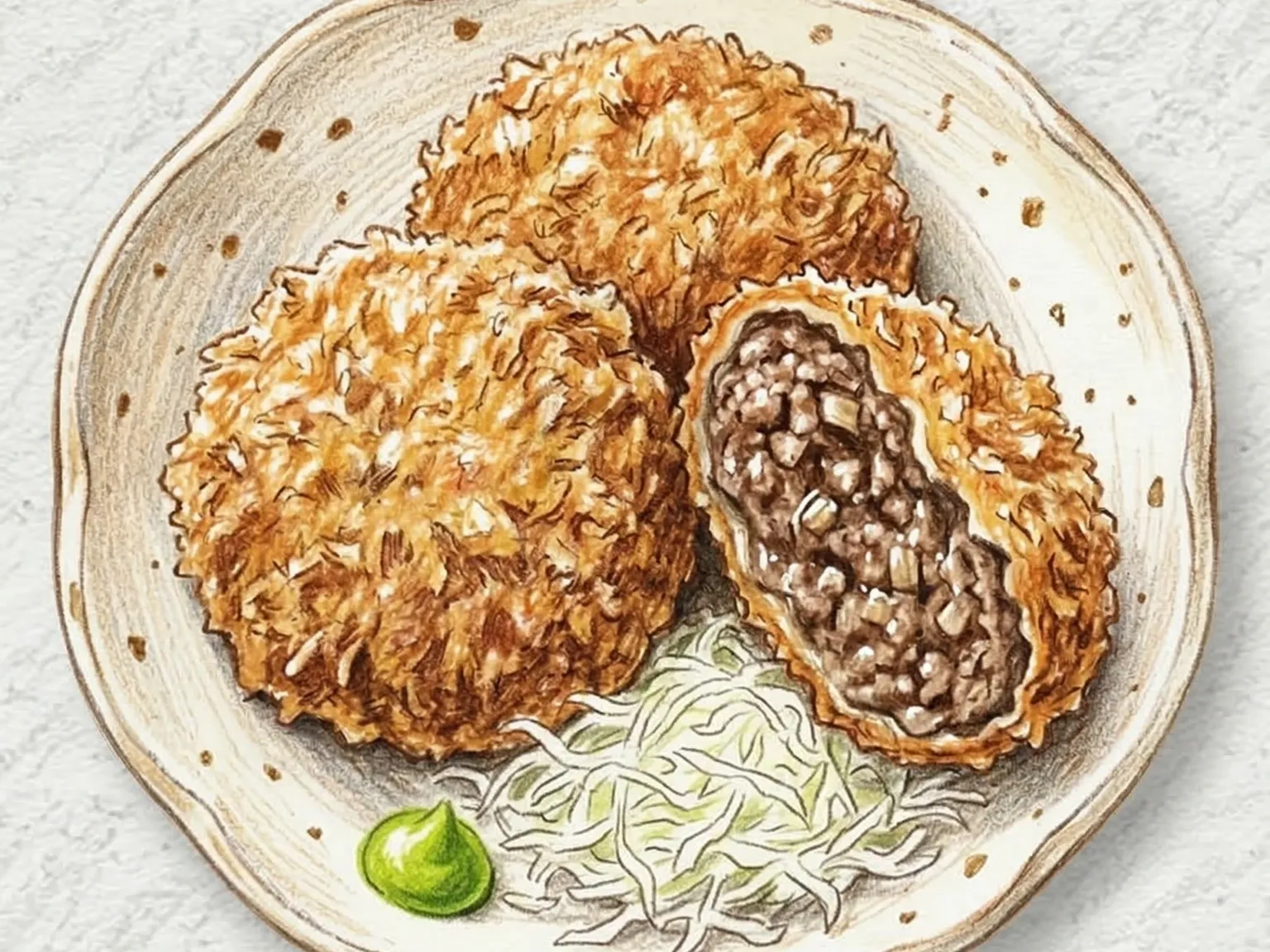
Menchi katsu is a Japanese deep-fried minced meat cutlet that combines ground pork and beef with caramelized onion, shaped into thick patties, coated in flour, egg wash, and coarse panko breadcrumbs, then fried at 170 degrees Celsius until the crust turns a deep, shattering golden brown. The onion must be cooked down properly in oil and cooled before mixing into the meat so that the patties hold their shape and do not leak moisture into the breading. Coarse panko, applied generously and pressed firmly, builds a layered, craggy shell with multiple breaks and ridges that shatter on the first bite. Cutting the finished katsu open releases a rush of steaming, savory juice, and the sweetness of the cooked onion rounds out the richness of the two meats. Worcestershire or tonkatsu sauce is the standard accompaniment, though Japanese hot mustard works equally well as a sharp contrast. In Tokyo, neighborhood butcher shops fry fresh batches daily, displaying them in glass cases for customers to buy and eat on the street while still hot. The menchi katsu sandwich, where a freshly fried cutlet is pressed between thick slices of milk bread with shredded cabbage, has grown into a regional specialty category of its own.

Prep 20min Cook 15min 3 servings
Recipes by ingredient → beef slices onion egg flour

Instructions

Read the steps as a cooking flow: prep, heat, seasoning, doneness control, and finish.

6 steps
  1. 1
    Control

    Finely chop 120g onion.

    Add a little oil to a pan and cook over low heat for 8 to 10 minutes until translucent and less wet, then spread it out and cool completely before mixing.

  2. 2
    Season

    Put 250g ground pork, 150g ground beef, 1 egg, 1 tsp salt, and the cooled onion in a large bowl.

    Knead by hand for about 5 minutes until sticky and cohesive enough to hold juice.

  3. 3
    Prep

    Divide the meat mixture into 4 to 6 portions.

    Lightly oil your hands, press out trapped air, and shape round patties 1.5 to 2cm thick so the centers are not too bulky.

  4. 4
    Control

    Dust the patties evenly with 70g flour, keeping the layer thin but covering any wet spots.

    Press 140g panko firmly over the surface with your palms so the crust stays attached during frying.

  5. 5
    Heat

    Heat 900ml frying oil to 170C and add 2 to 3 patties at a time.

    Leave them undisturbed for the first 3 minutes so the bottom sets, then flip once when pale golden.

  6. 6
    Finish

    After flipping, fry for about 3 more minutes, aiming for 5 to 6 minutes total.

    When the crust is deep golden and the patty feels springy when pressed with chopsticks, drain upright and serve with sauce.

After the steps

Pick a recipe that fits this dish.

Continue with shared ingredients, meal pairings, or a similar method.

Recipes That Go Well With This

More Asian →

Based on shared ingredients and meal pairing

Classic Katsudon (Pork Cutlet Egg Rice Bowl)
Shared ingredient: onion Asian

Classic Katsudon (Pork Cutlet Egg Rice Bowl)

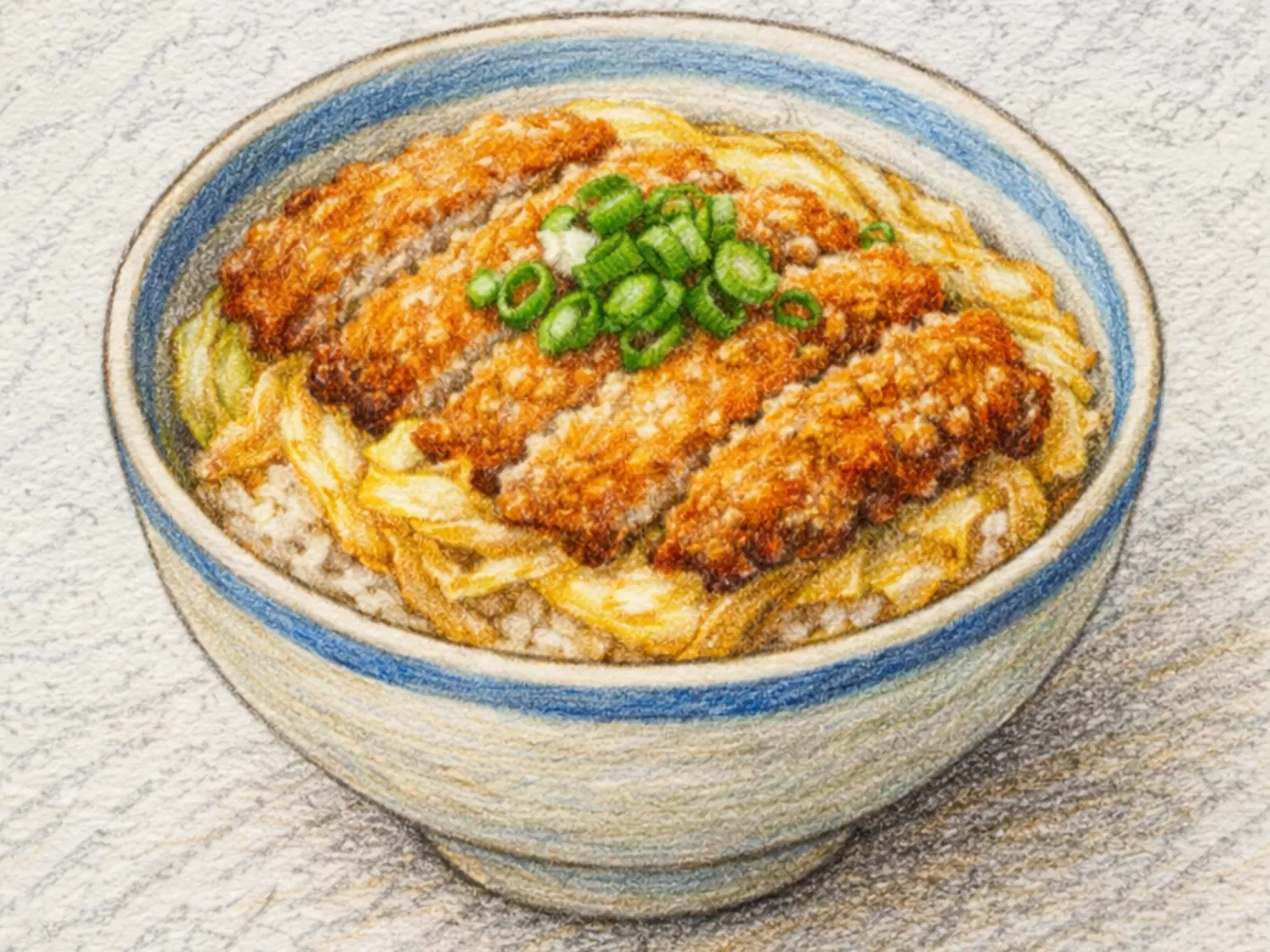
Classic katsudon is a Japanese rice bowl that transforms a crispy pork cutlet into something altogether different by simmering it briefly with onion, egg, and seasoned dashi broth. Thinly sliced onion cooks first in a shallow pan of tsuyu -- a combination of soy sauce, mirin, and dashi -- until soft and sweet. The fried cutlet, sliced into strips, is laid into the onion broth, then lightly beaten egg is poured over the top and cooked just until it sets into a custard-like layer. This half-set egg clings to the panko crust, creating a contrast between the still-crunchy edges and the silky coating. The entire mixture is slid onto a bowl of steaming rice, where the savory broth soaks into the grains. In Japan, katsudon is traditionally eaten before exams or competitions as a good-luck ritual. Pulling the pan off the heat within thirty seconds of covering it keeps the egg in that soft, barely-set state -- overcooking turns the layer rubbery and loses the signature texture entirely.

Katsu Curry
Shared ingredient: onion Asian

Katsu Curry

Katsu curry is a Japanese single-plate meal of crisp deep-fried pork cutlet served beside a thick, glossy curry sauce over steamed rice. The pork loin is pounded to an even thickness, seasoned with salt and pepper, then coated in three layers: flour, beaten egg, and panko. Panko breadcrumbs have a coarser, more jagged texture than standard breadcrumbs, which creates more air pockets in the crust and produces a crunch that stays crisp longer after frying. The breaded cutlet is lowered into oil heated to 170 degrees Celsius and fried for four to five minutes until deep golden brown, then lifted onto a wire rack to rest for two minutes. The resting period allows the residual heat to finish cooking the center while the juices redistribute and the crust firms up. The curry sauce is built separately: onion and carrot are sauteed until their natural sweetness develops fully, then water is added and everything simmers until the vegetables are tender. The curry roux blocks are added and dissolved over low heat until the sauce reaches a thick, velvety consistency. Resting the curry overnight deepens its flavor as the vegetables continue to release sugars and the spices meld together. At the table, the curry fills one side of the plate and the sliced katsu occupies the other so the crust stays dry until deliberately pushed into the sauce, preserving the contrast between the two textures.

Steak Rice Bowl (Seared Beef with Soy-Garlic Glaze over Rice)
Serve together Rice

Steak Rice Bowl (Seared Beef with Soy-Garlic Glaze over Rice)

A thick-cut beef steak is seared at high heat until a deep brown crust forms, then sliced and fanned over a bowl of hot rice. A glaze of soy sauce, garlic, and mirin is spooned over the slices, coating them in a glossy, caramelized finish. As the warm rice absorbs the pan juices, each spoonful carries the full weight of the beef's seared flavor. A runny fried egg or a small dab of wasabi on the side balances the richness with creaminess or heat. Controlling resting time and grain texture helps the ingredients cook evenly while keeping the final seasoning balanced.

Osaka Kitsune Udon (Thick Noodles with Sweet Fried Tofu in Dashi)
Similar recipe Asian

Osaka Kitsune Udon (Thick Noodles with Sweet Fried Tofu in Dashi)

Kitsune udon is Osaka's signature noodle bowl, defined by sweet simmered fried tofu draped over thick wheat noodles in a clear dashi broth. The broth is drawn from kombu and bonito flakes, then seasoned with light soy sauce in the Kansai tradition, pale in color but layered with umami. The aburaage tofu is simmered separately in a mixture of dashi, soy sauce, mirin, and sugar until it swells with sweet braising liquid, and each bite releases a burst of that concentrated sweetness into the bowl. Thick, chewy udon noodles sit in the steaming broth, their mild wheat flavor providing a neutral base for the delicate soup. Sliced green onion scattered on top adds freshness and a gentle bite. In Osaka, kitsune udon is eaten at all hours, as a quick breakfast before work, a light lunch, or a late-night bowl after drinks, and every neighborhood udon shop holds its own variation on the sweet tofu recipe passed down through the years.

Serve with this

Sunomono Cucumber Salad (Japanese Sweet Vinegar Cucumber Slices)
Salads Easy

Sunomono Cucumber Salad (Japanese Sweet Vinegar Cucumber Slices)

Sunomono cucumber salad slices cucumber paper-thin, salts the slices for five minutes to draw out excess moisture, then squeezes them firmly dry before tossing with rehydrated wakame in a dressing of rice vinegar, sugar, and a touch of soy sauce. Squeezing the cucumber after salting is what keeps the vinegar dressing sharp and concentrated through the whole dish rather than gradually diluting into a watery pool. The crisp, snappy texture of the cucumber and the slippery, silky texture of the wakame sit beside each other in every bite, and toasted sesame seeds scattered over the top add a nutty fragrance that rounds out the clean, acidic finish. Blanching the wakame briefly after soaking removes any residual sea smell and keeps its color vivid green. Cutting the cucumber as thinly as possible, in rounds or half-moons, helps the dressing penetrate quickly and gives the salad an even, delicate texture throughout. The preparation requires no heat at all and takes under fifteen minutes, making it a practical and refreshing side dish for summer meals or as a palate-cleanser alongside grilled meats.

🥗 Light & Healthy 🍱 Lunchbox
Prep 10min 2 servings
Japanese Napolitan Spaghetti
Noodles Easy

Japanese Napolitan Spaghetti

Napolitan spaghetti is a Japanese yoshoku pasta stir-fried with ketchup, sausage, onion, and green bell pepper that traces its origins to postwar Japan, when imported ingredients were scarce and cooks adapted Western techniques with locally available pantry staples. Cooking the ketchup in the pan first drives off moisture and concentrates its tomato sweetness, transforming it from a condiment into a sauce base with genuine depth. Worcestershire sauce adds a layer of fermented complexity that ketchup alone cannot provide. The sausage goes in first to render its fat and build flavor, followed by onion and pepper stir-fried quickly over high heat to retain their texture. Spaghetti cooked al dente with a quarter cup of pasta water reserved helps the sauce cling to the noodles when tossed together in the pan. A knob of butter stirred in at the end rounds off the ketchup's acidity and gives the finished dish a glossy, sweet-savory character that has made napolitan a beloved nostalgic dish in Japanese home cooking.

🏠 Everyday 🧒 Kid-Friendly
Prep 15min Cook 15min 2 servings
Korean Dalgona Coffee (Whipped Instant Coffee Foam Milk)
Drinks Easy

Korean Dalgona Coffee (Whipped Instant Coffee Foam Milk)

Dalgona coffee is made by whipping equal parts instant coffee, sugar, and hot water with a hand mixer for three to five minutes until stiff, caramel-colored peaks form, then spooning the foam over iced milk. The whipped layer carries a concentrated, bittersweet coffee flavor that gradually blends into the cold, neutral milk below as you stir. A light dusting of cocoa powder on top introduces a faint chocolate note, and increasing the sugar slightly helps the whipped cream hold its stiff structure longer.

🍺 Bar Snacks 🧒 Kid-Friendly
Prep 8min 2 servings

Similar recipes

Nikujaga (Japanese Beef Potato Onion Soy-Sweet Stew)
Asian Easy

Nikujaga (Japanese Beef Potato Onion Soy-Sweet Stew)

Nikujaga is a Japanese home-cooked stew often described as the dish that defines a mother's cooking in Japan. Thinly sliced beef, potatoes, onion, carrot, and shirataki noodles are simmered in a broth of dashi, soy sauce, mirin, and sugar. The dish traces its origins to the Meiji era, when a Japanese naval officer attempted to recreate British beef stew using local ingredients -- resulting in a clear, soy-based braise rather than a thick, flour-bound stew. The potatoes absorb the seasoned liquid until soft at the edges but still holding shape, while shirataki noodles soak up flavor and add a springy contrast.

🏠 Everyday 🍱 Lunchbox
Prep 15min Cook 30min 4 servings
Japanese Rice Soup Porridge
Rice Easy

Japanese Rice Soup Porridge

Zosui is a Japanese rice porridge made by simmering leftover cooked rice in dashi broth and finishing with beaten egg. The broth soaks into the rice grains, giving the porridge a deep umami base, while the egg sets into soft ribbons throughout. Enoki mushrooms add thin, delicate strands of texture, and chopped scallions contribute a fresh finish. Seasoning is kept minimal with just soy sauce and salt to let the broth flavor come forward. It is often served as the closing dish after a nabe hot pot, using the remaining broth as the cooking liquid.

🥗 Light & Healthy 🏠 Everyday
Prep 10min Cook 15min 2 servings
Pork Cutlet Sandwich
Street food Medium

Pork Cutlet Sandwich

Katsu sando is a Japanese sandwich built around a thick pork loin cutlet breaded in flour, egg, and panko, then deep-fried at 170C until the exterior turns a deep, even gold. The cutlet rests on soft milk bread generously spread with tonkatsu sauce, and a layer of shredded cabbage dressed in mayonnaise goes in between. The contrast between the cutlet's rigid panko crust and the yielding bread is what defines the sandwich, while the mayo-dressed cabbage absorbs some of the richness and keeps the whole thing from feeling heavy. Wrapping the assembled sandwich firmly in plastic wrap and resting it for three minutes gives the sauce time to soak into the bread, producing a clean cross-section when cut. Draining the cutlet upright for a minute after frying removes surface oil and prevents the bread from going soggy. Using fine-ground fresh panko rather than dried gives the crust a slightly denser, more refined texture.

🧒 Kid-Friendly 🌙 Late Night
Prep 20min Cook 18min 2 servings

Tips

Kneading thoroughly helps retain juiciness.
Keep patties around 2 cm thick for even cooking.

Nutrition (per serving)

Calories
590
kcal
Protein
31
g
Carbs
24
g
Fat
40
g