Charim

2686 Korean & World Recipes

2686+ Korean recipes, clean and organized. Ingredients to instructions, all at a glance.

Korean Seasoned Butterbur Stems

Korean Seasoned Butterbur Stems

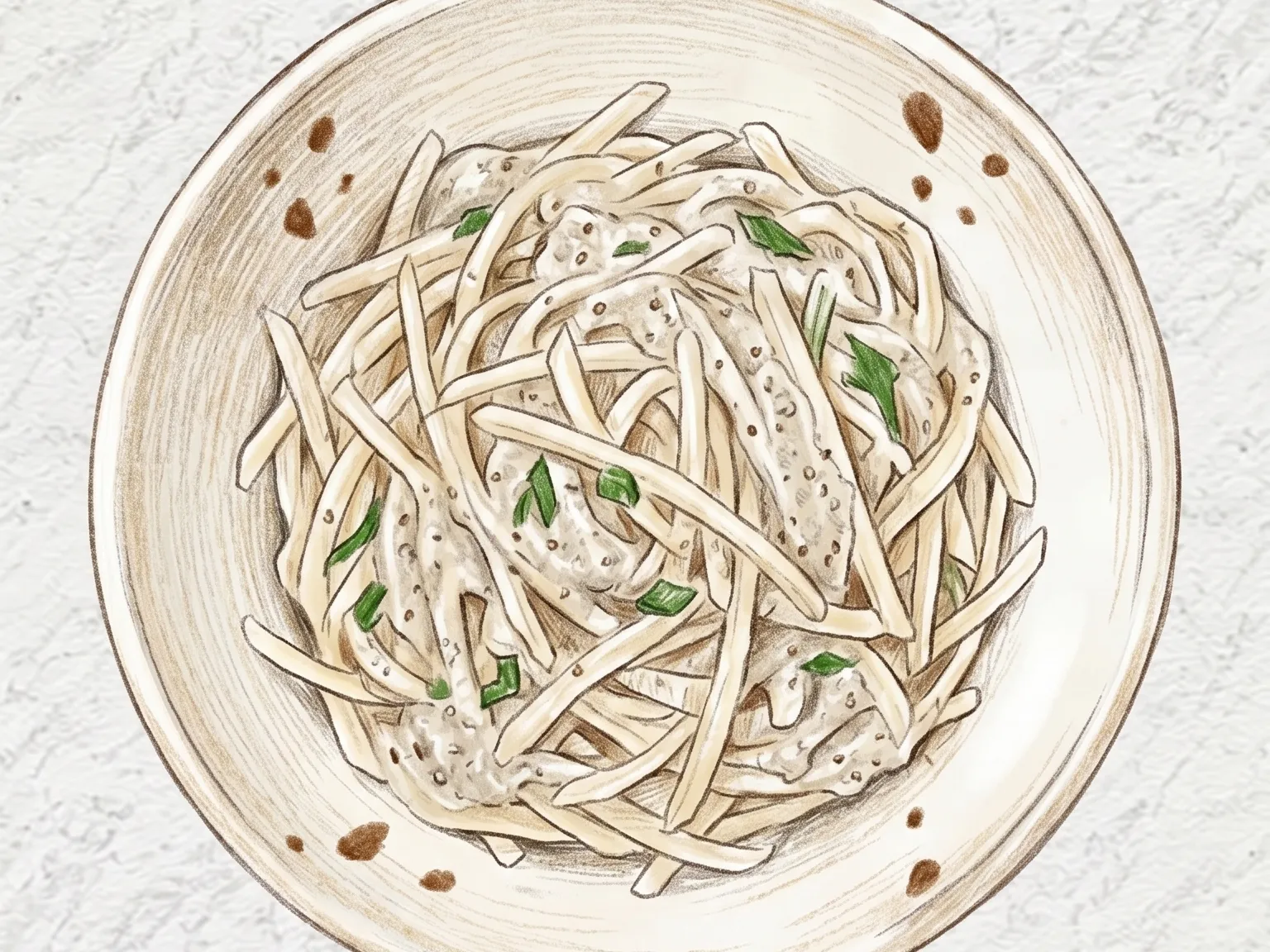
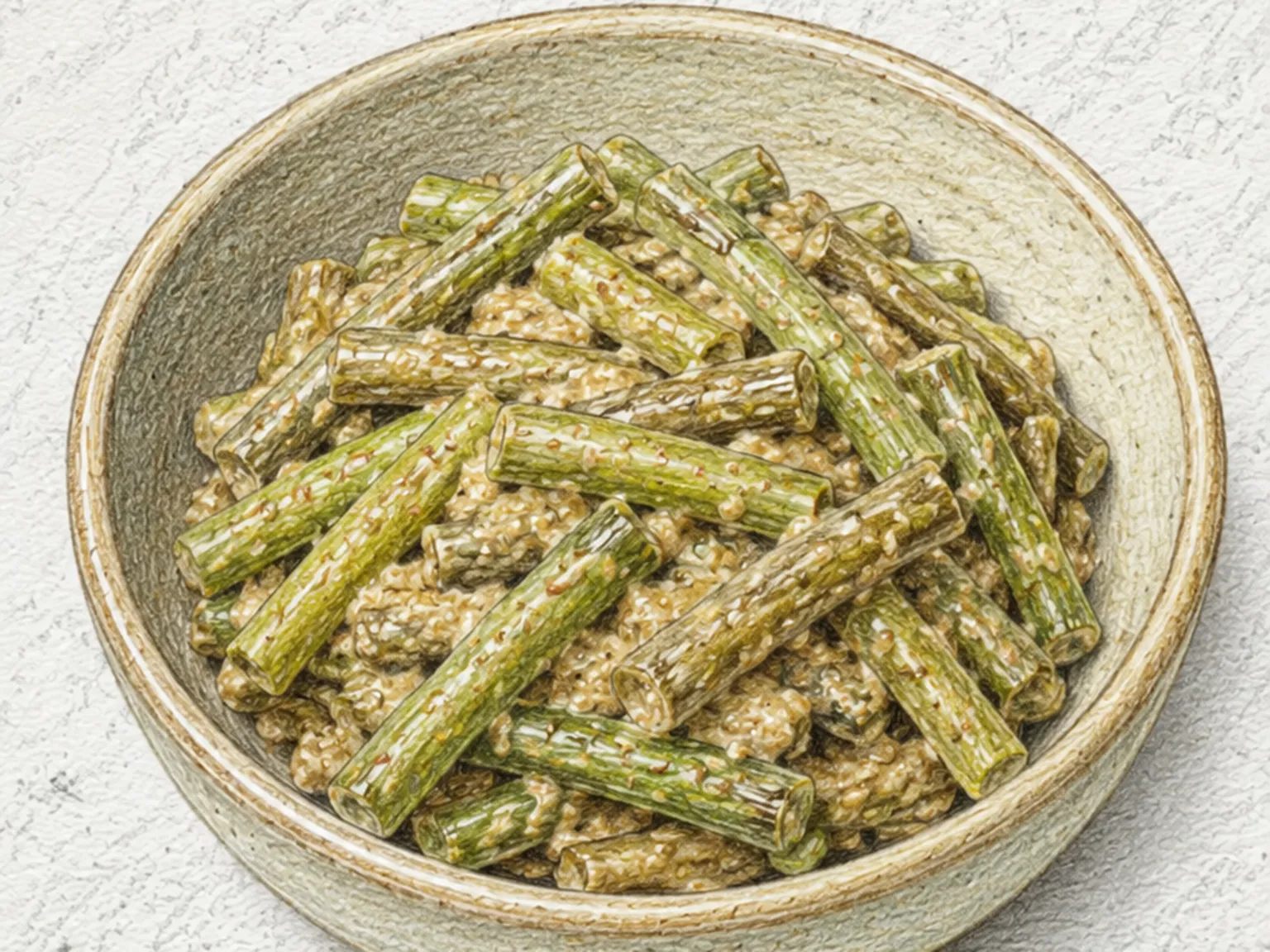
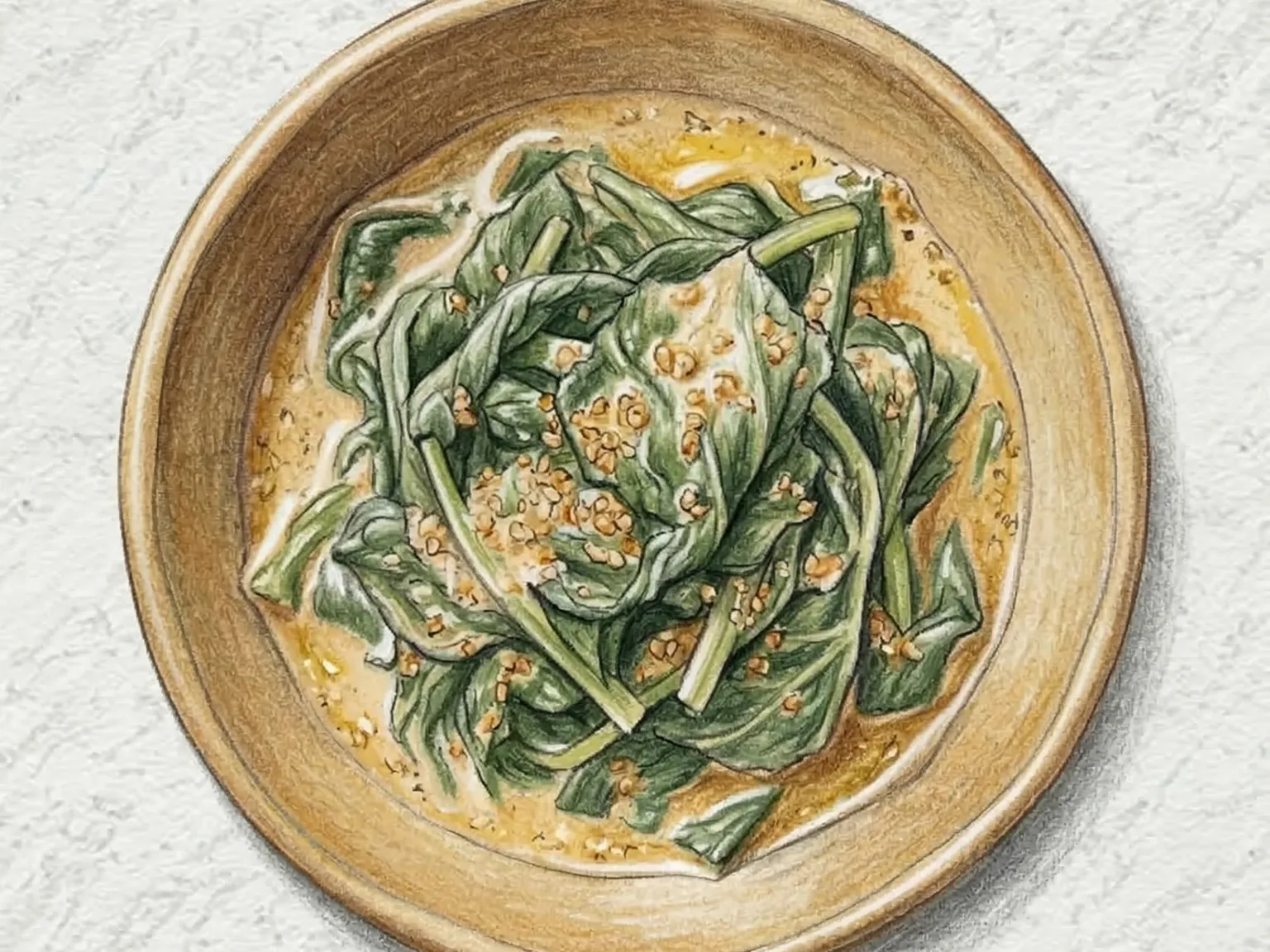
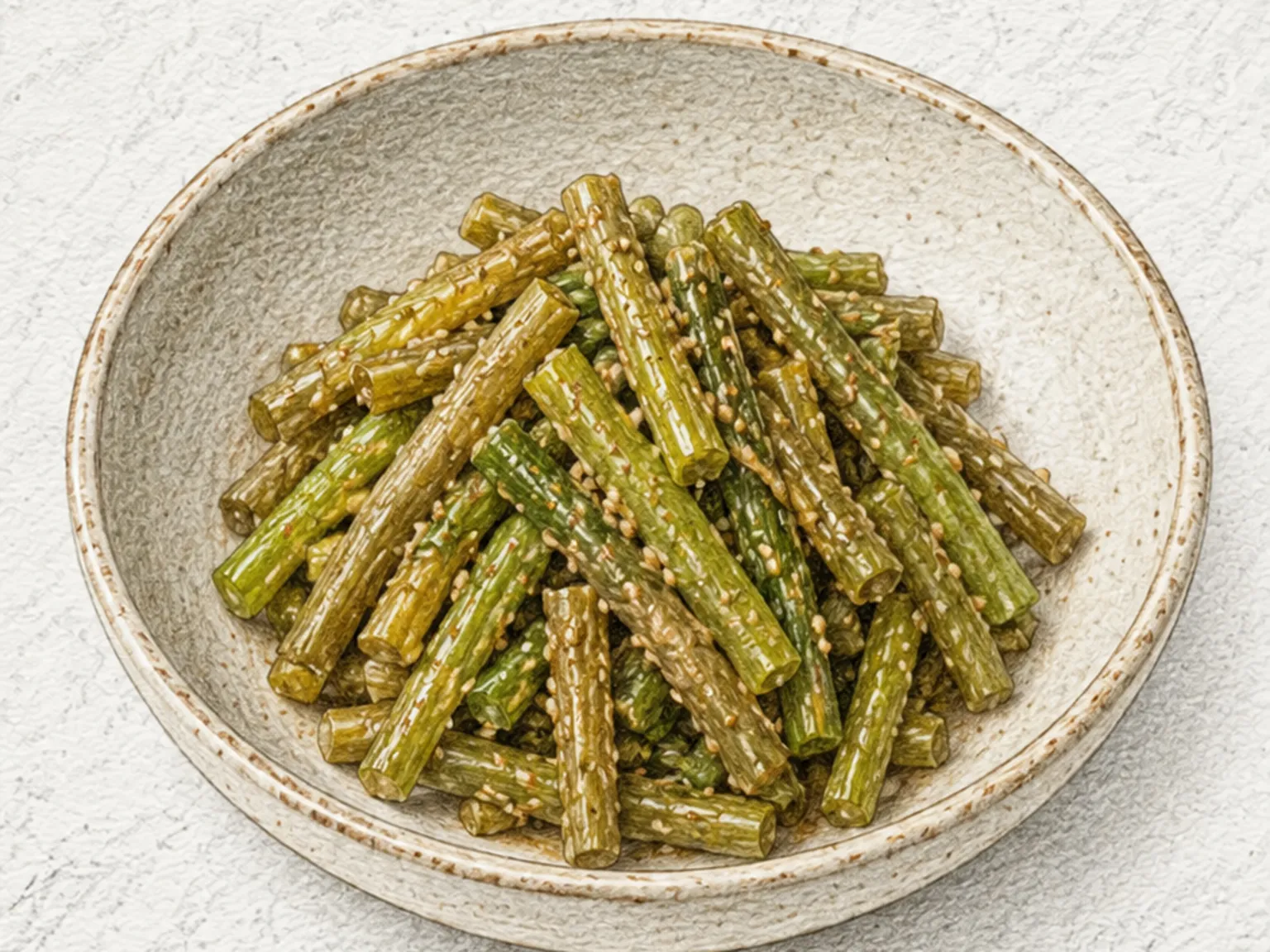
Meoui-namul-muchim is a seasonal spring namul made by blanching butterbur (meowi) stems and dressing them with doenjang and ground perilla seeds. Butterbur grows wild along hillsides and stream banks throughout Korea. The stems are the edible part - the leaves contain pyrrolizidine alkaloids and are generally not consumed. Peeling the tough outer skin from each stem is a mandatory prep step; unpeeled stems leave unchewable fibers in the mouth. Blanching removes about half of the plant's inherent bitterness, leaving a subtle astringent quality that creates a complex interplay between the earthy doenjang and nutty perilla seed powder. Adding perilla generously softens the bitter edge, making the dish more approachable. March through April is peak season, when fresh butterbur appears briefly at Korean markets. Dried butterbur rehydrated year-round is an alternative but cannot match the fragrance of the fresh spring harvest.

Prep 15min Cook 5min 4 servings

Adjust Servings

2servings
servings

Instructions

  1. 1

    Peel the butterbur stems and cut into 5 cm lengths.

  2. 2

    Blanch in boiling salted water for 2 minutes.

  3. 3

    Rinse in cold water and squeeze out moisture.

  4. 4

    Mix doenjang, perilla seed powder, minced garlic, and sesame oil in a bowl.

  5. 5

    Toss the butterbur stems with the sauce and top with green onion.

🛒Shop Ingredients on Amazon

As an Amazon Associate, we may earn from qualifying purchases.

Tips

Always peel butterbur stems as the skin is tough and fibrous.
Adding extra perilla seed powder mellows out the bitterness.

Nutrition (per serving)

Calories
70
kcal
Protein
3
g
Carbs
7
g
Fat
4
g

More Recipes

Korean Seasoned Shepherd's Purse
Side dishesEasy

Korean Seasoned Shepherd's Purse

Naengi-namul-muchim is a fragrant spring banchan made from shepherd's purse (naengi), a wild green foraged from rice paddy edges and field margins in early spring. The root is eaten along with the leaves - its distinctive earthy, almost truffle-like aroma defines the dish, and discarding it halves the point of using naengi at all. Cleaning the roots of clinging soil is the most time-consuming prep step, requiring careful scraping with a knife. Blanching must stay under thirty seconds to preserve the volatile aromatics, with immediate cold-water shocking to lock in color and fragrance. Doenjang, soup soy sauce, minced garlic, and sesame oil form the dressing - the fermented paste's earthy depth meets the herb's soil-scented fragrance to create a layered spring flavor. Doenjang rather than gochujang is the traditional choice because chili heat would overwhelm naengi's delicate perfume. Available at Korean markets only during the brief February-to-March window, it is one of the most anticipated seasonal namul.

🏠 Everyday🍱 Lunchbox
Prep 15minCook 3min4 servings
Korean Seasoned Radish Greens
Side dishesMedium

Korean Seasoned Radish Greens

Mucheong-namul is a Korean banchan made from the leafy stems attached to daikon radish - not the fully dried siraegi, but fresh or semi-dried radish greens blanched and dressed with doenjang and perilla oil. Radish greens are a byproduct of the autumn kimjang harvest, when whole radishes are pulled from the ground and the tops would otherwise go to waste. Rural Korean kitchens have long boiled these greens into namul or sun-dried them into siraegi for winter storage. Fresh mucheong requires at least five minutes of boiling to break down the tough stem fibers, followed by a cold rinse to remove any astringent bitterness. Seasoning with doenjang and soup soy sauce layers the fermented paste's earthy depth over the greens' faintly bitter, grassy character. Perilla oil is preferred over sesame because its lighter profile complements rather than masks the greens' natural flavor. Stirring in ground perilla seeds at the end thickens the dressing and wraps each strand in a nutty coating, producing a deeper-flavored version than plain mucheong-namul. A hearty winter banchan tied to radish harvest season.

🏠 Everyday🍱 Lunchbox
Prep 20minCook 15min4 servings
Korean Seasoned Swiss Chard Namul
Side dishesEasy

Korean Seasoned Swiss Chard Namul

Geundae - Swiss chard in Korean kitchens - has been used in doenjang soup and namul for generations. Because the stems are substantially thicker than the leaves, they are blanched separately: stems go in first for thirty seconds, then leaves join for another thirty. After squeezing dry, the greens are hand-dressed with doenjang, soup soy sauce, garlic, and perilla oil, allowing the fermented paste's earthy depth to merge with chard's faintly bitter, mineral flavor. Perilla powder stirred in last thickens the dressing into a clinging coating without adding liquid. Chard leaves hold up better than spinach after dressing, making this namul a sturdy banchan that does not wilt quickly.

🏠 Everyday🍱 Lunchbox
Prep 10minCook 4min4 servings
Korean Stir-fried Butterbur Stems
Side dishesMedium

Korean Stir-fried Butterbur Stems

Meowi-namul-bokkeum stir-fries boiled butterbur stems in perilla oil, adding a cooking step that distinguishes it from the cold-dressed muchim version. While the muchim blanches and seasons immediately, the bokkeum takes the boiled stems into a pan with soup soy sauce and water for five minutes or more, driving the seasoning deep into the plant fibers. This additional heat also volatilizes more of the butterbur's bitter compounds, producing a milder taste than the cold preparation. Perilla oil, though more oxidation-prone than sesame oil, is the traditional choice because its earthy aroma complements the herb's grassy character. Adding perilla seed powder in the last minute causes its starch to partially gelatinize, giving the sauce a thicker body - but leaving it on heat too long makes the dish chalky. This banchan appears on spring mountain-village tables alongside gondeure-namul and chwinamul as part of the seasonal wild greens trio.

🏠 Everyday🍱 Lunchbox
Prep 18minCook 12min4 servings
Chwinamul Apple Doenjang Salad
SaladsEasy

Chwinamul Apple Doenjang Salad

Chwinamul (aster scaber) is blanched briefly to preserve its herbal, slightly bitter character, then combined with thin-sliced apple and cucumber for crisp sweetness. The dressing is built on doenjang - Korean fermented soybean paste - which adds a deep umami layer uncommon in typical salad dressings. Perilla oil rounds out the nuttiness, while red onion contributes a sharp edge that keeps the bowl from feeling heavy. The salad is best in spring when chwinamul is freshly harvested and most aromatic.

🥗 Light & Healthy Quick
Prep 18minCook 2min2 servings
Korean Stir-fried Radish Greens with Perilla
Stir-fryEasy

Korean Stir-fried Radish Greens with Perilla

Siraegi deulkkae-bokkeum is a Korean stir-fry of pre-boiled dried radish greens seasoned with soup soy sauce and garlic, then cooked in perilla oil and finished with generous perilla powder. The greens are first tossed in the seasoning to let the flavors penetrate, stir-fried for three minutes, then simmered briefly with water and perilla powder until a thick, nutty sauce coats every strand. Green onion added at the end provides a fresh aromatic lift. Compared to the doenjang-based siraegi jorim, this version leans lighter and more distinctly nutty from the perilla.

🏠 Everyday🍱 Lunchbox
Prep 15minCook 20min4 servings
More Side dishes →