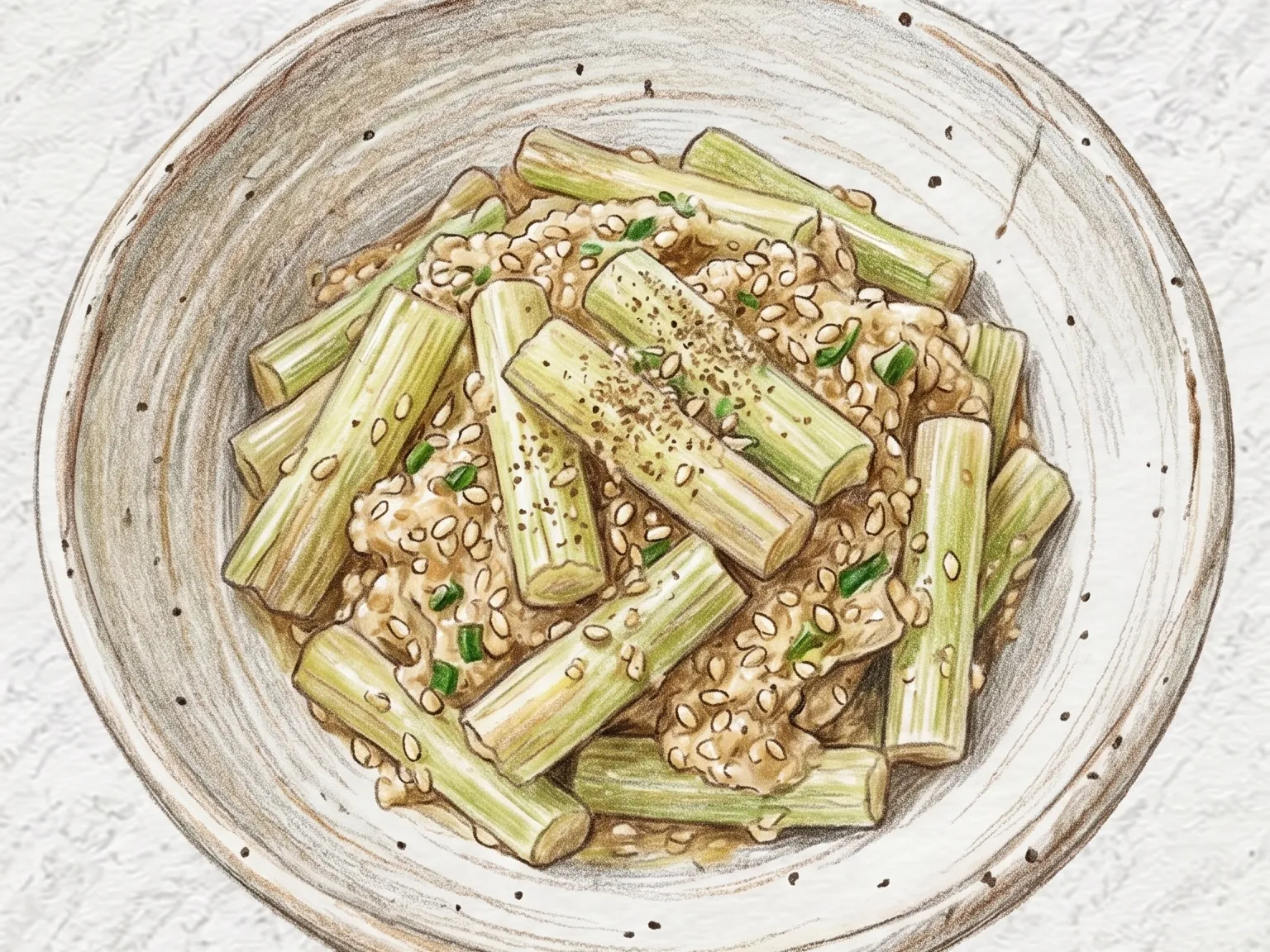
Korean Butterbur Stem Stir-fry with Perilla
Meowi-dae-deulkkae-bokkeum is a seasonal Korean stir-fry of boiled butterbur stems coated in perilla seed powder and perilla oil. The stems are peeled of their tough outer fibers and cut into 5 cm lengths before a brief boil removes their natural bitterness, leaving a soft, slightly slippery texture. Soup soy sauce seasons the base, and perilla powder is folded in at the end to preserve its nutty, toasty fragrance. This dish appears most often in spring, when fresh butterbur is in season across Korean markets.
Adjust Servings
Instructions
- 1
Peel fibrous skin from butterbur stems and cut into 5 cm lengths.
- 2
Heat perilla oil and sauté garlic and green onion.
- 3
Add stems and stir-fry for 3 minutes over medium heat.
- 4
Add soup soy sauce and water, then simmer 4 minutes.
- 5
Add perilla powder, mix evenly, and finish.
As an Amazon Associate, we may earn from qualifying purchases.
Tips
Nutrition (per serving)
More Recipes

Korean Taro Stem Stir-fry with Perilla Powder
Torandae-deulkkae-bokkeum is a traditional Korean side dish of boiled taro stems stir-fried in perilla oil and thickened with ground perilla seeds. The taro stems have a tender texture with a subtle fibrous chew, and the perilla powder absorbs the simmering liquid of soup soy sauce and water to form a creamy coating. Double use of perilla - both the oil and ground seeds - builds a pronounced nutty aroma throughout the dish. It is a seasonal home-style banchan that highlights the taro stem's distinctive slippery mouthfeel paired with rich perilla depth.

Korean Stir-fried Butterbur Stems
Meowi-namul-bokkeum stir-fries boiled butterbur stems in perilla oil, adding a cooking step that distinguishes it from the cold-dressed muchim version. While the muchim blanches and seasons immediately, the bokkeum takes the boiled stems into a pan with soup soy sauce and water for five minutes or more, driving the seasoning deep into the plant fibers. This additional heat also volatilizes more of the butterbur's bitter compounds, producing a milder taste than the cold preparation. Perilla oil, though more oxidation-prone than sesame oil, is the traditional choice because its earthy aroma complements the herb's grassy character. Adding perilla seed powder in the last minute causes its starch to partially gelatinize, giving the sauce a thicker body - but leaving it on heat too long makes the dish chalky. This banchan appears on spring mountain-village tables alongside gondeure-namul and chwinamul as part of the seasonal wild greens trio.

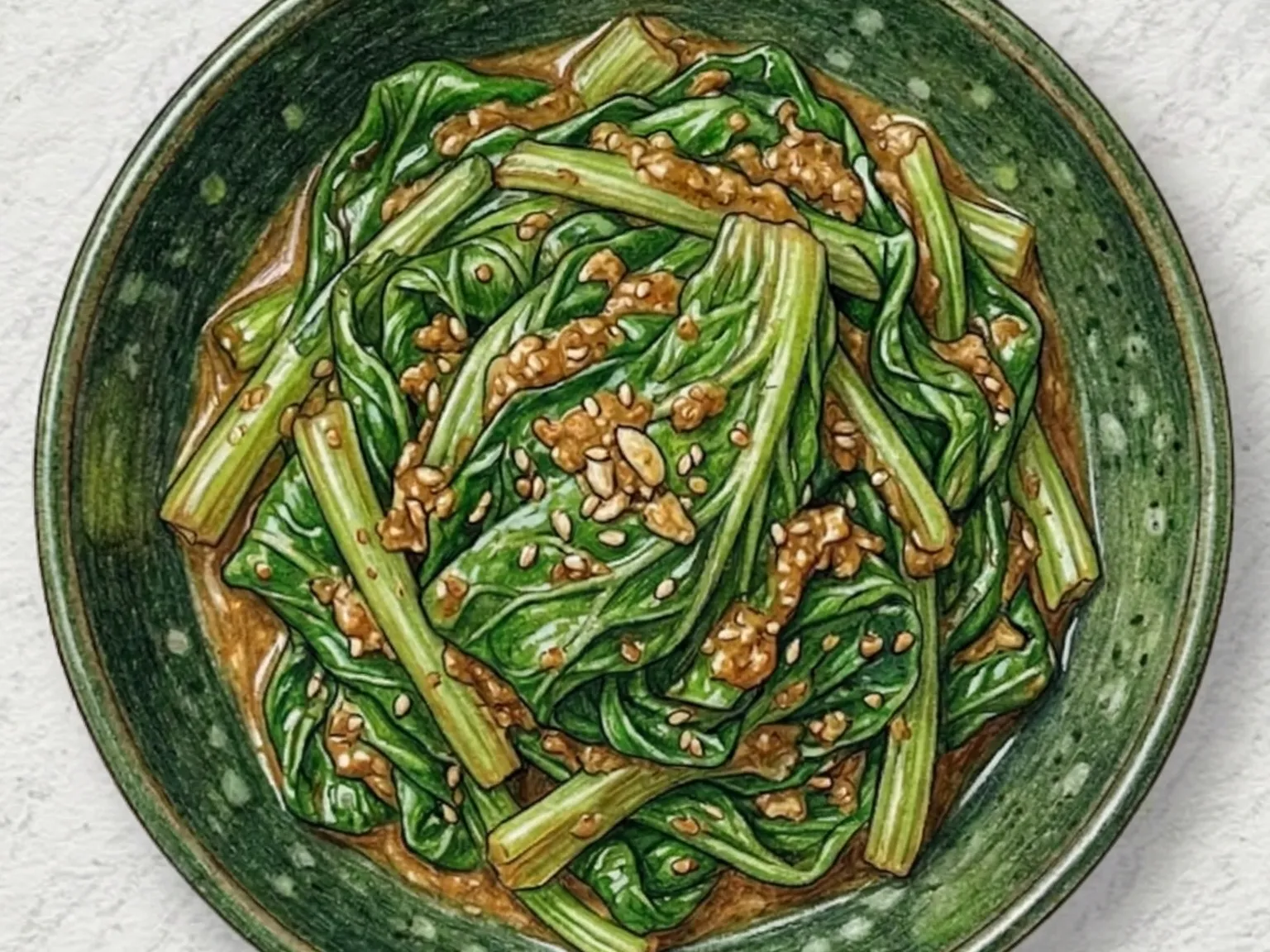
Korean Stir-fried Radish Greens with Perilla
Siraegi deulkkae-bokkeum is a Korean stir-fry of pre-boiled dried radish greens seasoned with soup soy sauce and garlic, then cooked in perilla oil and finished with generous perilla powder. The greens are first tossed in the seasoning to let the flavors penetrate, stir-fried for three minutes, then simmered briefly with water and perilla powder until a thick, nutty sauce coats every strand. Green onion added at the end provides a fresh aromatic lift. Compared to the doenjang-based siraegi jorim, this version leans lighter and more distinctly nutty from the perilla.

Korean Abalone & Garlic Stem Stir-fry
Jeonbok-maneuljong-butter-bokkeum quickly stir-fries sliced abalone and garlic scapes in butter, maximizing a rich, nutty aroma. The abalone is cut thin and seared briefly over high heat to keep its firm, bouncy texture, while the garlic scapes stay crisp. Butter provides a creamy base, soy sauce adds a subtle savory note, and black pepper rounds out the fragrance. It is an elegant yet simple way to prepare abalone, well-suited for dinner guests or special occasions.

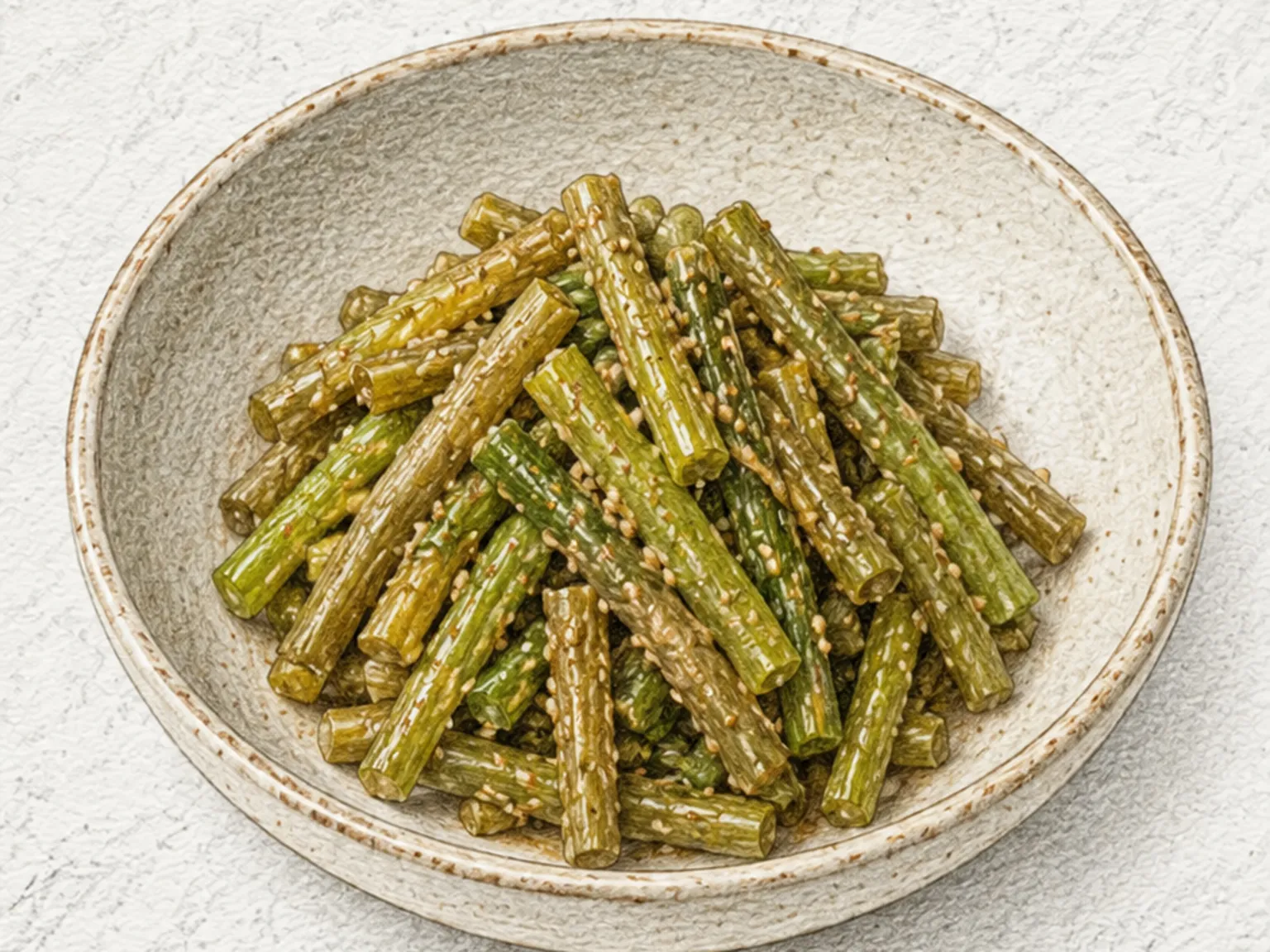
Korean Seaweed Stem & Shrimp Stir-fry
Miyeokjulgi-deulkkae-saeu-bokkeum combines desalted seaweed stems and medium shrimp, stir-fried in perilla oil and finished with a generous coating of perilla seed powder. The seaweed stems are soaked for ten minutes to reduce saltiness, then cut into 5 cm pieces that retain a distinctive chewy-crunchy bite - a textural contrast to the springy shrimp. Onion and garlic are sauteed first to establish a sweet base, and soup soy sauce provides the only salt. Perilla powder goes in at the very end so its nutty aroma stays intact through serving.

Korean Stir-fried Bottle Gourd Namul
Bottle gourd - bak - is a summer vegetable Koreans have stir-fried as namul for centuries. Peeled, seeded, and sliced thin, it is salted briefly to draw out excess liquid. Stir-frying with garlic and green onion concentrates its mild, melon-like sweetness. A splash of water steams the slices until nearly translucent. Ground perilla seed stirred in last thickens the remaining liquid into a nutty glaze, yielding a soft texture that highlights the ingredient's gentle flavor.