Korean Stir-fried Butterbur Stems
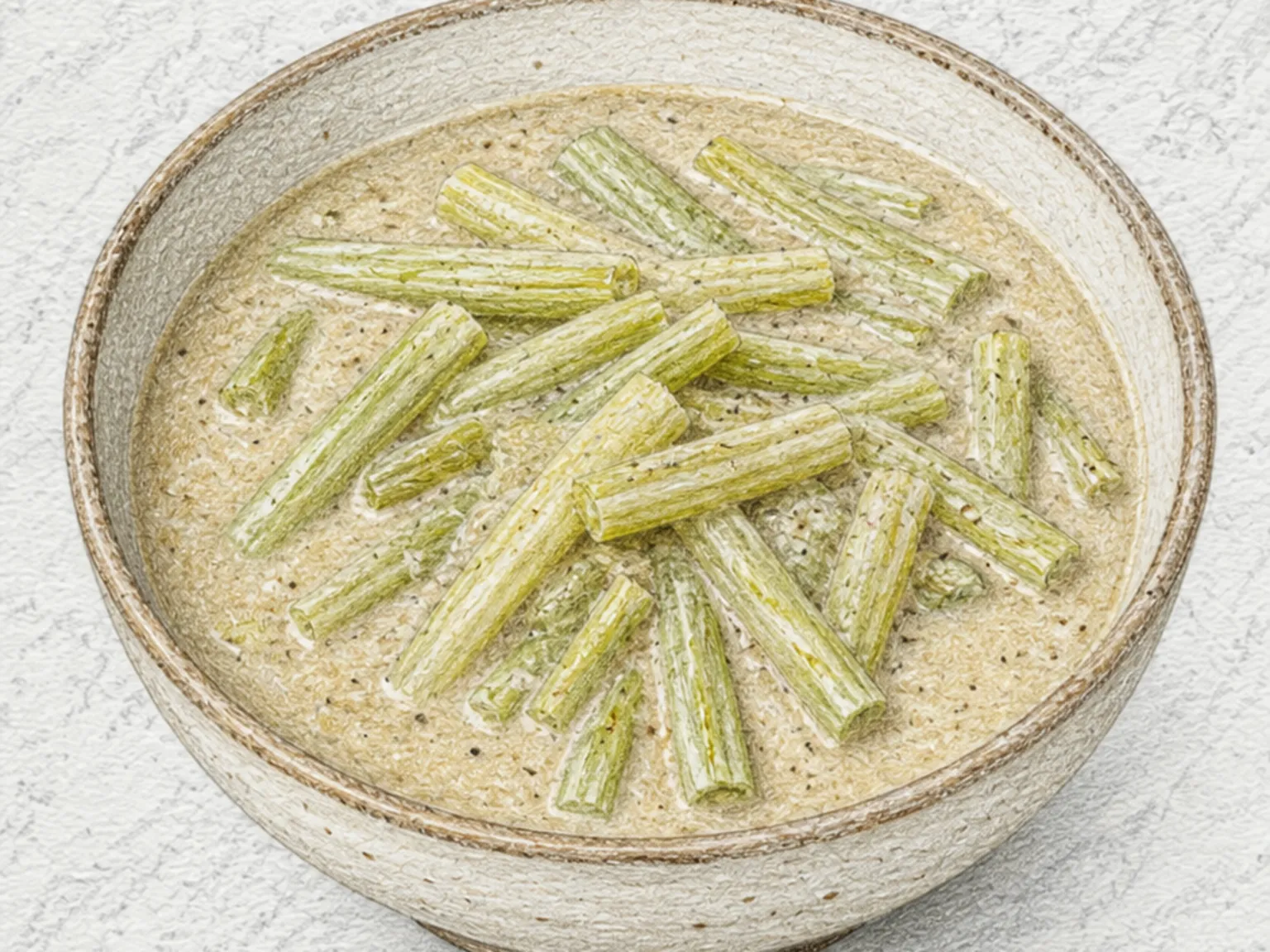
Meowi-namul-bokkeum stir-fries boiled butterbur stems in perilla oil, adding a cooking step that distinguishes it from the cold-dressed muchim version. While the muchim blanches and seasons immediately, the bokkeum takes the boiled stems into a pan with soup soy sauce and water for five minutes or more, driving the seasoning deep into the plant fibers. This additional heat also volatilizes more of the butterbur's bitter compounds, producing a milder taste than the cold preparation. Perilla oil, though more oxidation-prone than sesame oil, is the traditional choice because its earthy aroma complements the herb's grassy character. Adding perilla seed powder in the last minute causes its starch to partially gelatinize, giving the sauce a thicker body - but leaving it on heat too long makes the dish chalky. This banchan appears on spring mountain-village tables alongside gondeure-namul and chwinamul as part of the seasonal wild greens trio.
Adjust Servings
Instructions
- 1
Peel butterbur stems and cut into 5 cm lengths.
- 2
Boil for 8 minutes, rinse in cold water, and drain.
- 3
Heat perilla oil and sauté garlic and green onion.
- 4
Add stems, soup soy sauce, and water; stir-fry for 5 minutes.
- 5
Season with perilla powder and salt, then cook 1 minute more.
As an Amazon Associate, we may earn from qualifying purchases.
Tips
Nutrition (per serving)
More Recipes

Korean Stir-Fried Taro Stems
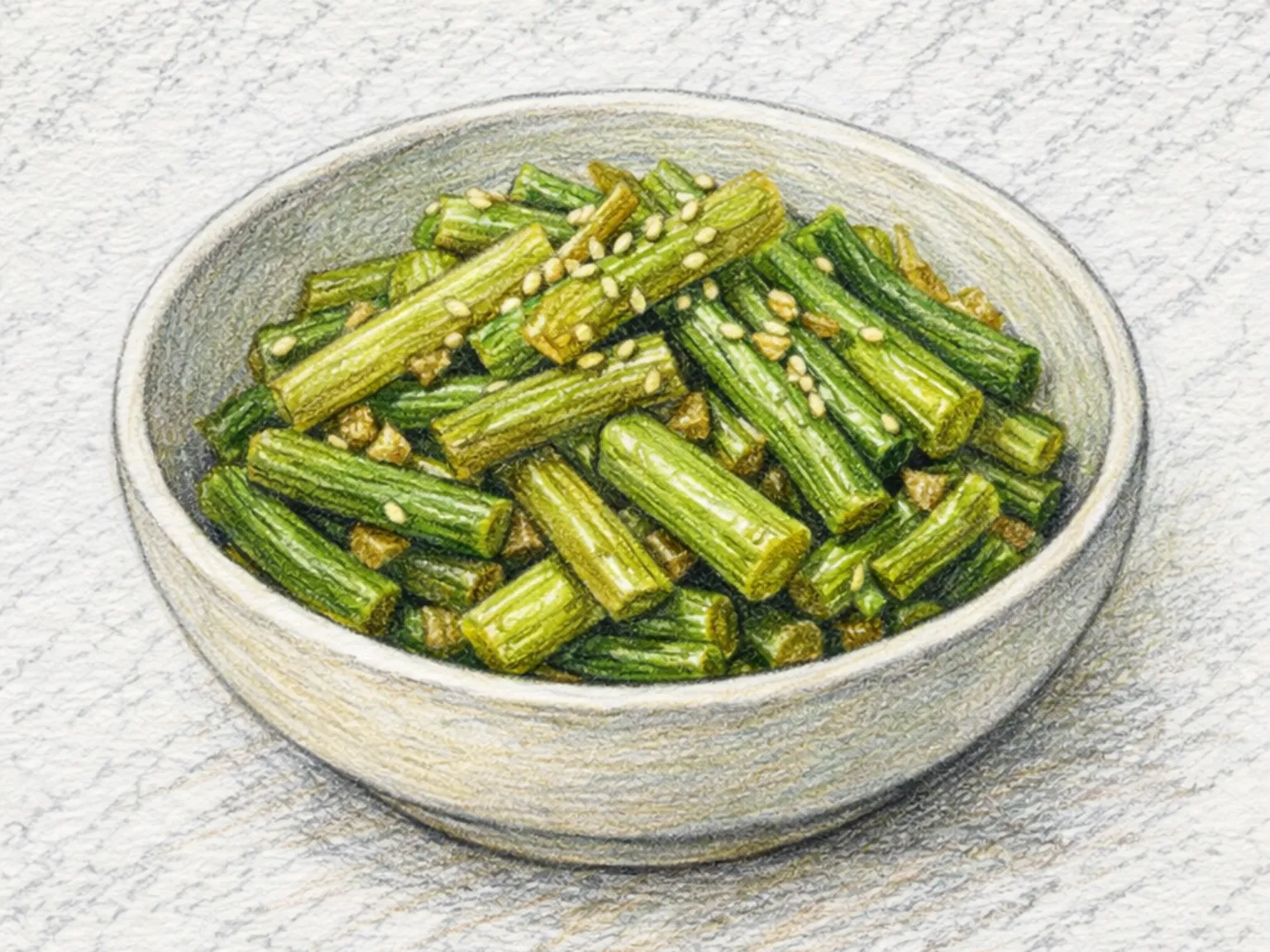
Boiled taro stems are stir-fried in perilla oil with soy sauce and garlic to create a banchan prized for its uniquely chewy texture. Dried taro stems, once soaked and simmered, lose their rawness but retain a springy, almost rubbery bite along the center of each stalk, setting them apart from softer namul greens. Stir-frying in perilla oil first builds a nutty base note, and soy sauce with minced garlic layers savory depth onto the stems' neutral flavor. A splash of stock added mid-cook allows the seasoning to penetrate the fibrous interior during a brief simmer. Sliced green onion introduces a fresh aromatic accent, and a finishing spoonful of ground perilla seeds dissolves into the residual moisture, creating a creamy coating that clings to each piece. Mixed into a bowl of steamed rice, the chewy stems provide satisfying resistance with every bite, and their mild character lets them complement bolder dishes like doenjang jjigae without competing for attention.

Korean Butterbur Stem Stir-fry with Perilla
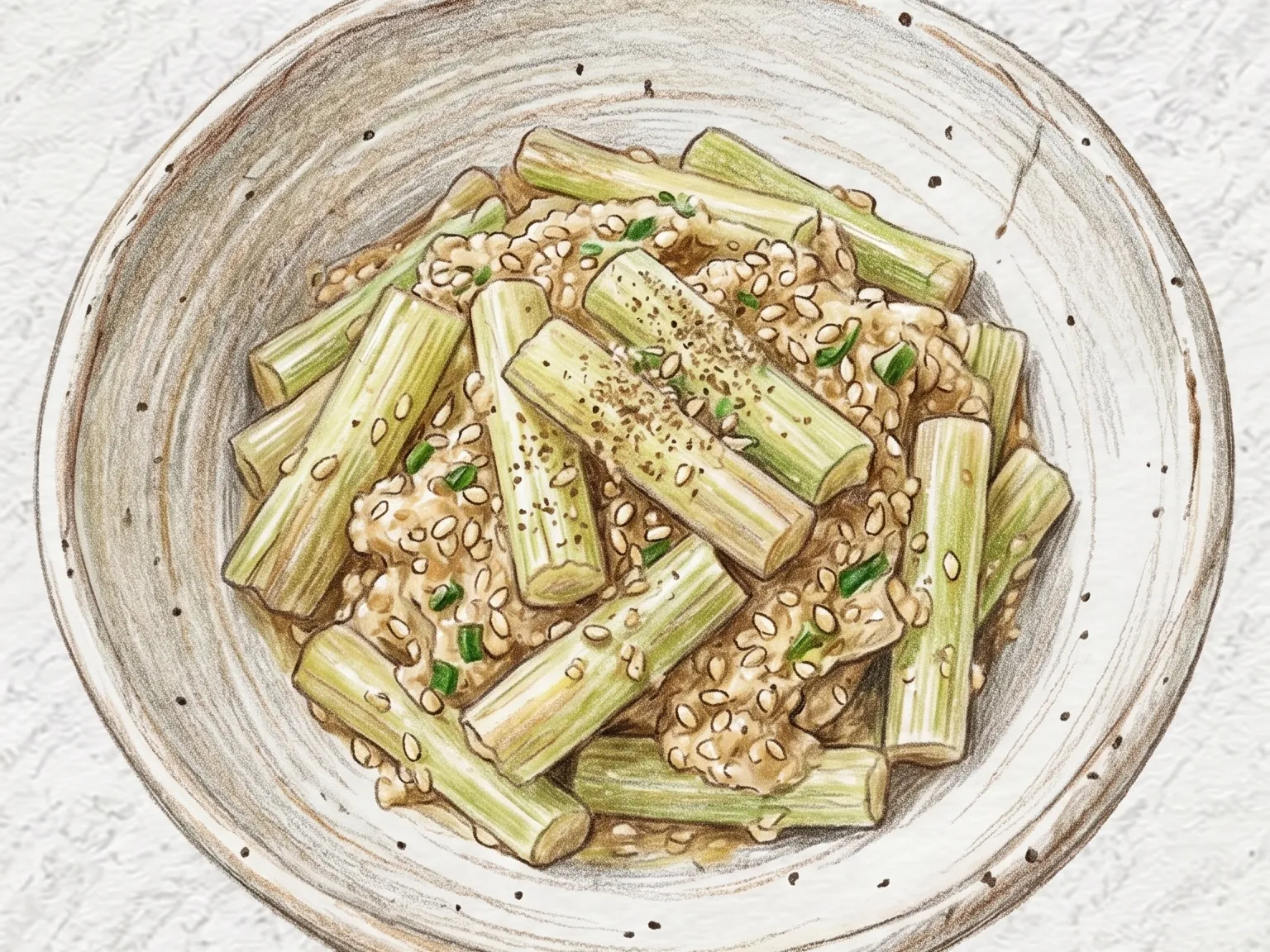
Meowi-dae-deulkkae-bokkeum is a seasonal Korean stir-fry of boiled butterbur stems coated in perilla seed powder and perilla oil. The stems are peeled of their tough outer fibers and cut into 5 cm lengths before a brief boil removes their natural bitterness, leaving a soft, slightly slippery texture. Soup soy sauce seasons the base, and perilla powder is folded in at the end to preserve its nutty, toasty fragrance. This dish appears most often in spring, when fresh butterbur is in season across Korean markets.

Korean Stir-fried Bottle Gourd Namul
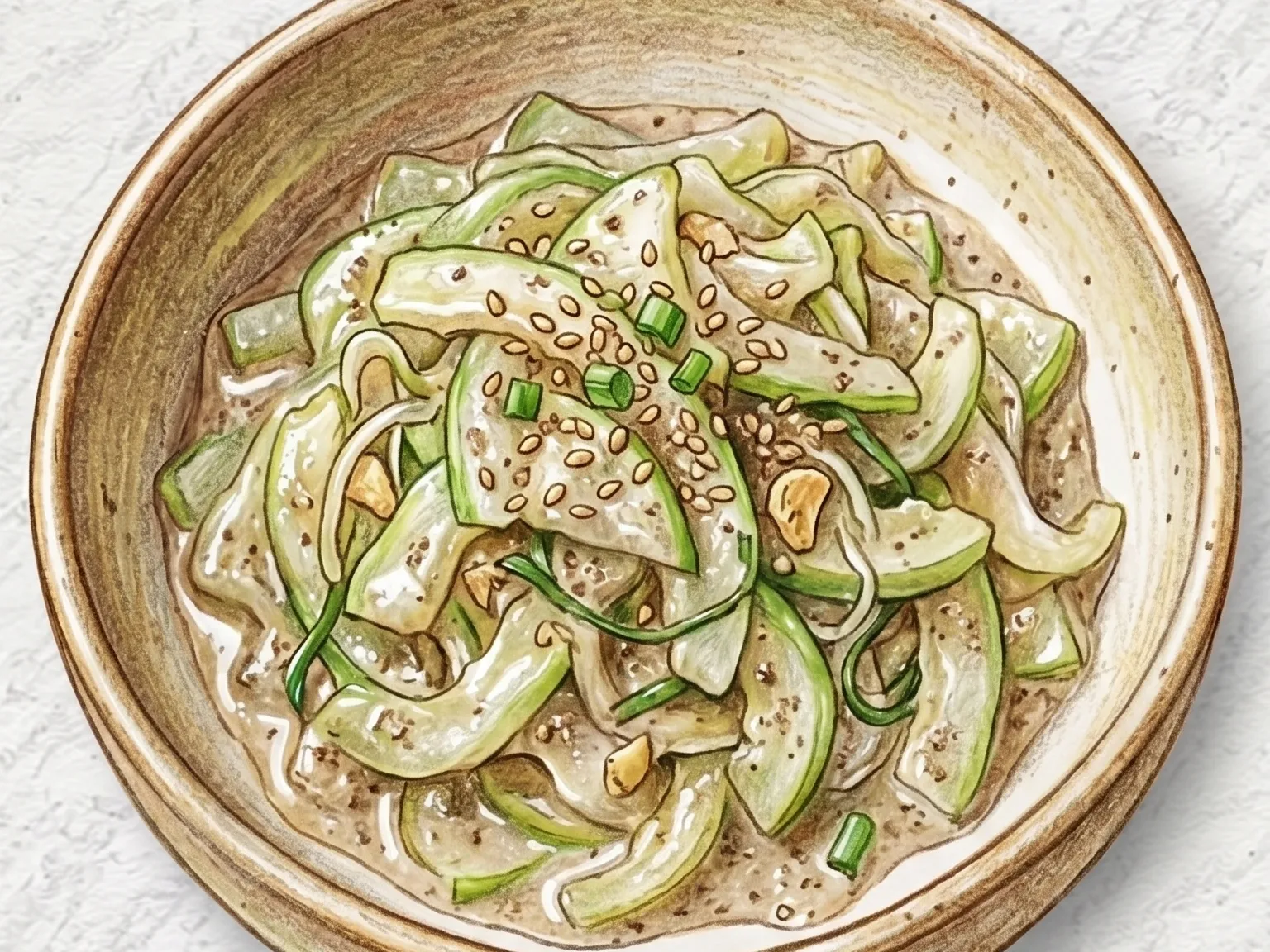
Bottle gourd - bak - is a summer vegetable Koreans have stir-fried as namul for centuries. Peeled, seeded, and sliced thin, it is salted briefly to draw out excess liquid. Stir-frying with garlic and green onion concentrates its mild, melon-like sweetness. A splash of water steams the slices until nearly translucent. Ground perilla seed stirred in last thickens the remaining liquid into a nutty glaze, yielding a soft texture that highlights the ingredient's gentle flavor.

Stir-fried Korean Radish Namul
Mu-namul-bokkeum is a foundational Korean namul made by stir-frying julienned daikon radish in perilla oil until the root's natural sweetness emerges. Cutting the radish into matchstick-sized strips and salting for five minutes draws out excess moisture, which is essential - without this step, the pan steams rather than sears, and the namul turns watery. Garlic goes into the perilla oil first to build an aromatic base, then the radish strips are tossed over medium heat for three to four minutes. During this process, heat converts the radish's starch into sugars, replacing the raw pungency with a mellow sweetness. Soup soy sauce seasons without muddying the color the way regular soy sauce would. A brief two-minute rest with the lid on finishes softening the radish while keeping moisture in check. This namul serves as one of the five-color toppings in bibimbap and is a required dish on ancestral rite tables (jesa). A final sprinkle of sesame seeds adds a toasted nuttiness.

Korean Seasoned Butterbur Stems
Meoui-namul-muchim is a seasonal spring namul made by blanching butterbur (meowi) stems and dressing them with doenjang and ground perilla seeds. Butterbur grows wild along hillsides and stream banks throughout Korea. The stems are the edible part - the leaves contain pyrrolizidine alkaloids and are generally not consumed. Peeling the tough outer skin from each stem is a mandatory prep step; unpeeled stems leave unchewable fibers in the mouth. Blanching removes about half of the plant's inherent bitterness, leaving a subtle astringent quality that creates a complex interplay between the earthy doenjang and nutty perilla seed powder. Adding perilla generously softens the bitter edge, making the dish more approachable. March through April is peak season, when fresh butterbur appears briefly at Korean markets. Dried butterbur rehydrated year-round is an alternative but cannot match the fragrance of the fresh spring harvest.

Korean Stir-fried Radish Greens with Perilla
Siraegi deulkkae-bokkeum is a Korean stir-fry of pre-boiled dried radish greens seasoned with soup soy sauce and garlic, then cooked in perilla oil and finished with generous perilla powder. The greens are first tossed in the seasoning to let the flavors penetrate, stir-fried for three minutes, then simmered briefly with water and perilla powder until a thick, nutty sauce coats every strand. Green onion added at the end provides a fresh aromatic lift. Compared to the doenjang-based siraegi jorim, this version leans lighter and more distinctly nutty from the perilla.