Korean Sea Squirt Stew (Pop-and-Burst Seafood Broth)
Stews Medium

Korean Sea Squirt Stew (Pop-and-Burst Seafood Broth)

Quick answer

Mideodeok-jjigae is a traditional Korean seafood stew characterized by its spicy broth and its central ingredient, the sea squirt.

What makes this special

  • Mideodeok jjigae centers on the unique popping sensation and briny burst of fresh sea squirts, which must be cooked briefly to preserve their delicate texture.
  • Biting into sea squirt releases a burst of briny oceanic juice
  • Must finish within 5 minutes of boiling to keep the sacs intact
Total time
35 min
Level
Medium
Servings
2 servings
Ingredients
9
Calories
265 kcal
Protein
22 g

Key ingredients

sea squirtKorean radishzucchinioniongreen onion

Core cooking flow

  1. 1 Rinse 180g of sea squirts in lightly salted water, gently shaking them to re...
  2. 2 Slice 120g of radish into 0.5cm thick bite-size squares, then cut 100g of zu...
  3. 3 Combine 700ml of anchovy stock and the radish in a pot, bring to a boil over...

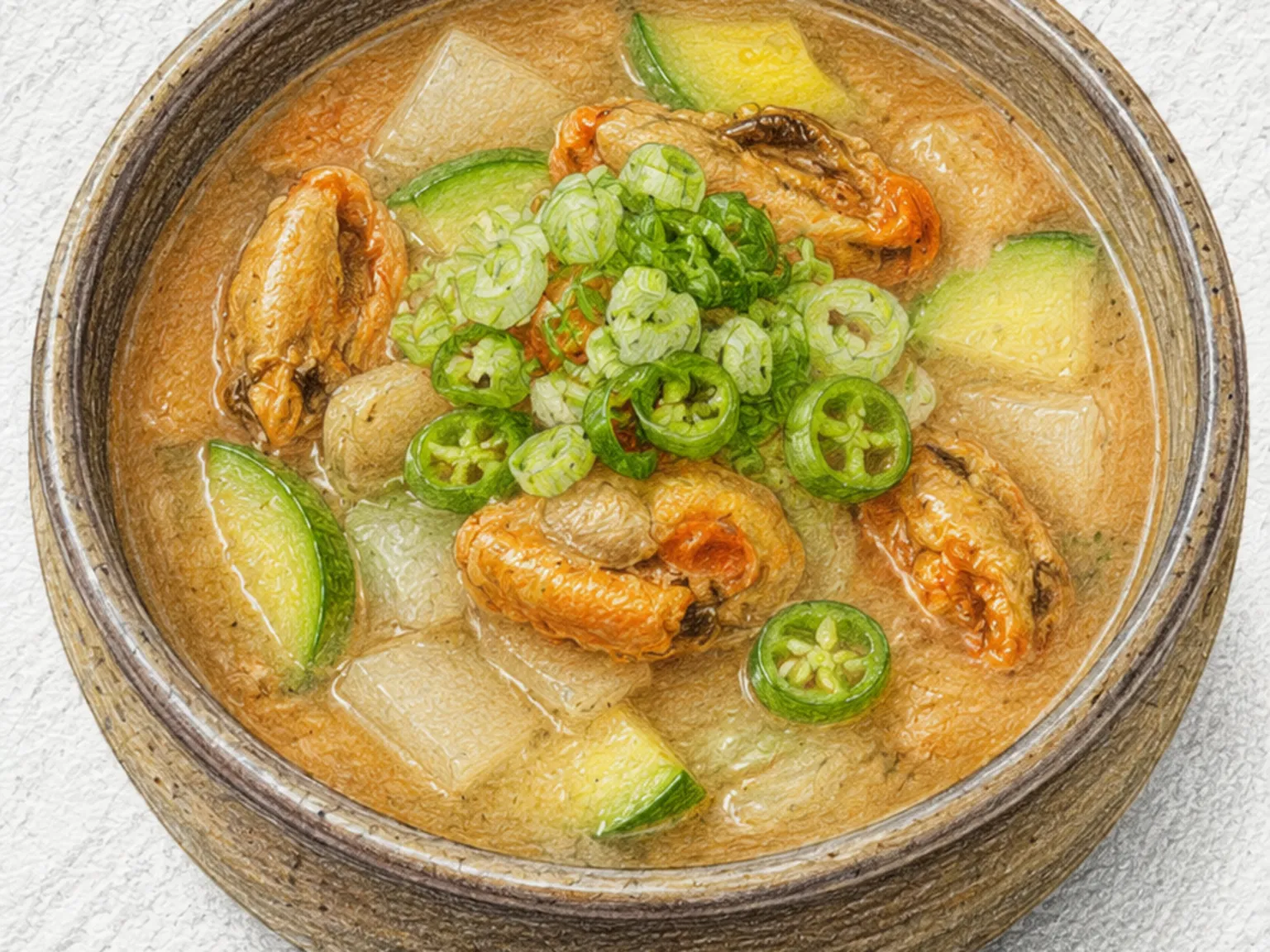
Mideodeok-jjigae is a traditional Korean seafood stew characterized by its spicy broth and its central ingredient, the sea squirt. This coastal dish is widely recognized for the specific way the sea squirts pop when they are bitten, a sensation that is paired with an intense aroma reminiscent of the ocean. When an individual bites into a sea squirt, the outer skin breaks to release a concentrated internal liquid that carries a saline and savory marine flavor that is distinct from any other type of seafood. The cooking process starts with the creation of an anchovy stock which serves as the fundamental liquid base for the dish. Slices of Korean radish, zucchini, and white onion are placed into this stock and cooked until they become tender and translucent. It is important to wait until the very end of the cooking process to add the sea squirts to the pot. If the sea squirts are boiled for too long, their internal sacs will eventually collapse and lose their structure, which leads to a loss of the desired texture. The seasoning of the stew involves the use of gochugaru and soup soy sauce, which together create a heat that is both spicy and clean. Minced garlic and sliced green onions are also incorporated to add further complexity and a rounded depth to the final broth. After the sea squirts are added and the liquid returns to a boil, the cooking should be completed within a five-minute window to ensure the ingredients remain firm and elastic. Mideodeok that is harvested during the peak season of April and May will produce a broth that is notably more fragrant and flavorful than at other times of the year. People who enjoy the strong and bold flavors associated with the sea often find that this stew leaves a lasting impression.

Prep 15min Cook 20min 2 servings

Instructions

Read the steps as a cooking flow: prep, heat, seasoning, doneness control, and finish.

6 steps
  1. 1
    Season

    Rinse 180g of sea squirts in lightly salted water, gently shaking them to remove any trapped sand or impurities, then drain thoroughly in a colander to prepare.

  2. 2
    Prep

    Slice 120g of radish into 0.5cm thick bite-size squares, then cut 100g of zucchini and 80g of onion into similar sizes while slicing 40g of green onion diagonally.

  3. 3
    Control

    Combine 700ml of anchovy stock and the radish in a pot, bring to a boil over high heat, then simmer for 6 minutes until the radish pieces become translucent.

  4. 4
    Control

    Add the onion, zucchini, 1 tablespoon of chili flakes, 1 tablespoon of minced garlic, and 1 tablespoon of soup soy sauce, then simmer for 5 minutes over medium heat.

  5. 5
    Heat

    Incorporate the sea squirts and increase the heat to high, boiling for only 3 to 4 minutes to ensure the sacs remain plump and provide a distinctive popping texture.

  6. 6
    Control

    Add the diagonal green onions, simmer for 1 final minute to release their aroma, then check the seasoning and turn off the heat immediately to prevent overcooking.

After the steps

Pick a recipe that fits this dish.

Continue with shared ingredients, meal pairings, or a similar method.

Recipes That Go Well With This

More Stews →

Based on shared ingredients and meal pairing

Korean Spring Blue Crab Stew
Shared ingredient: korean radish Stews

Korean Spring Blue Crab Stew

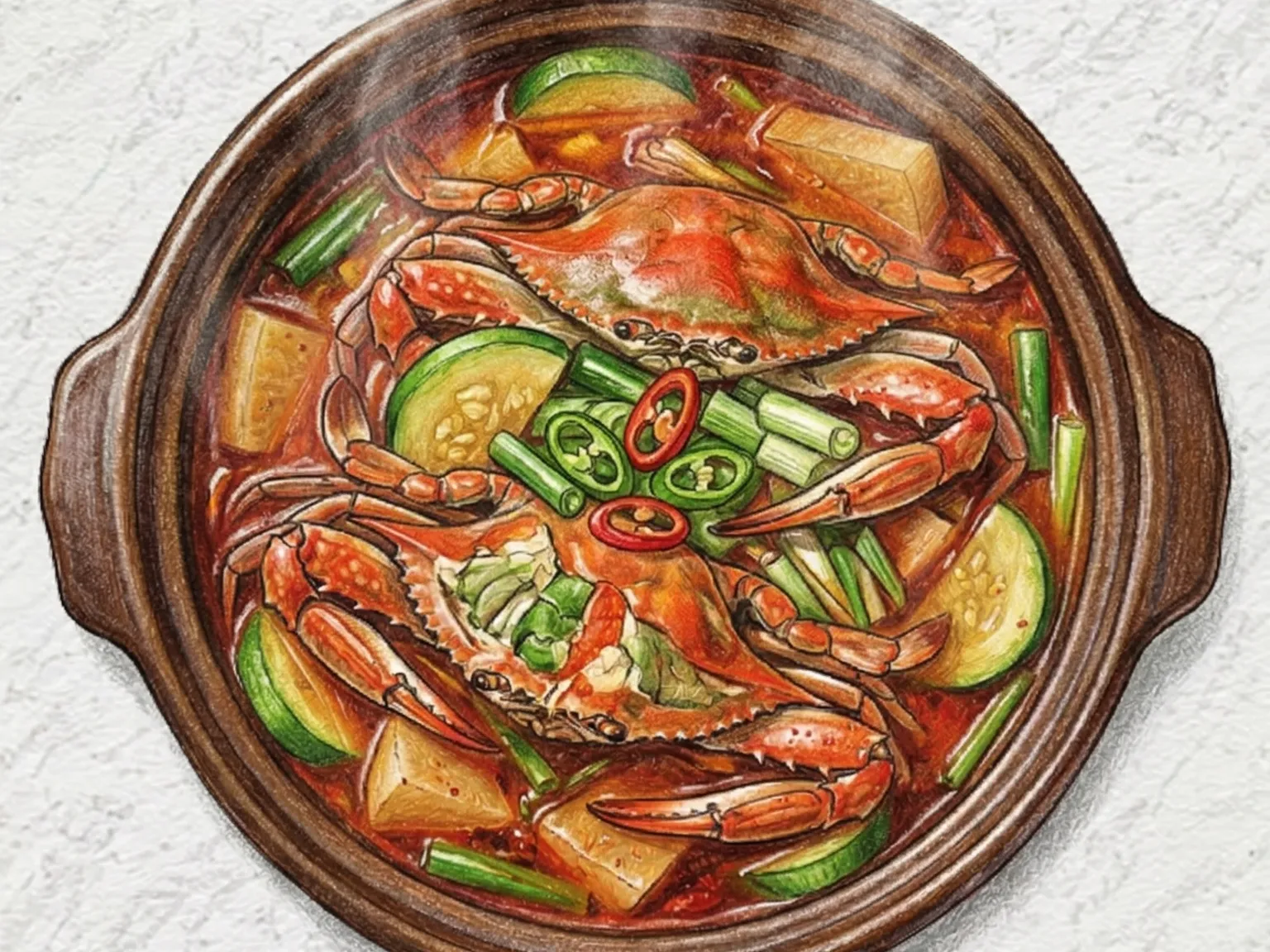
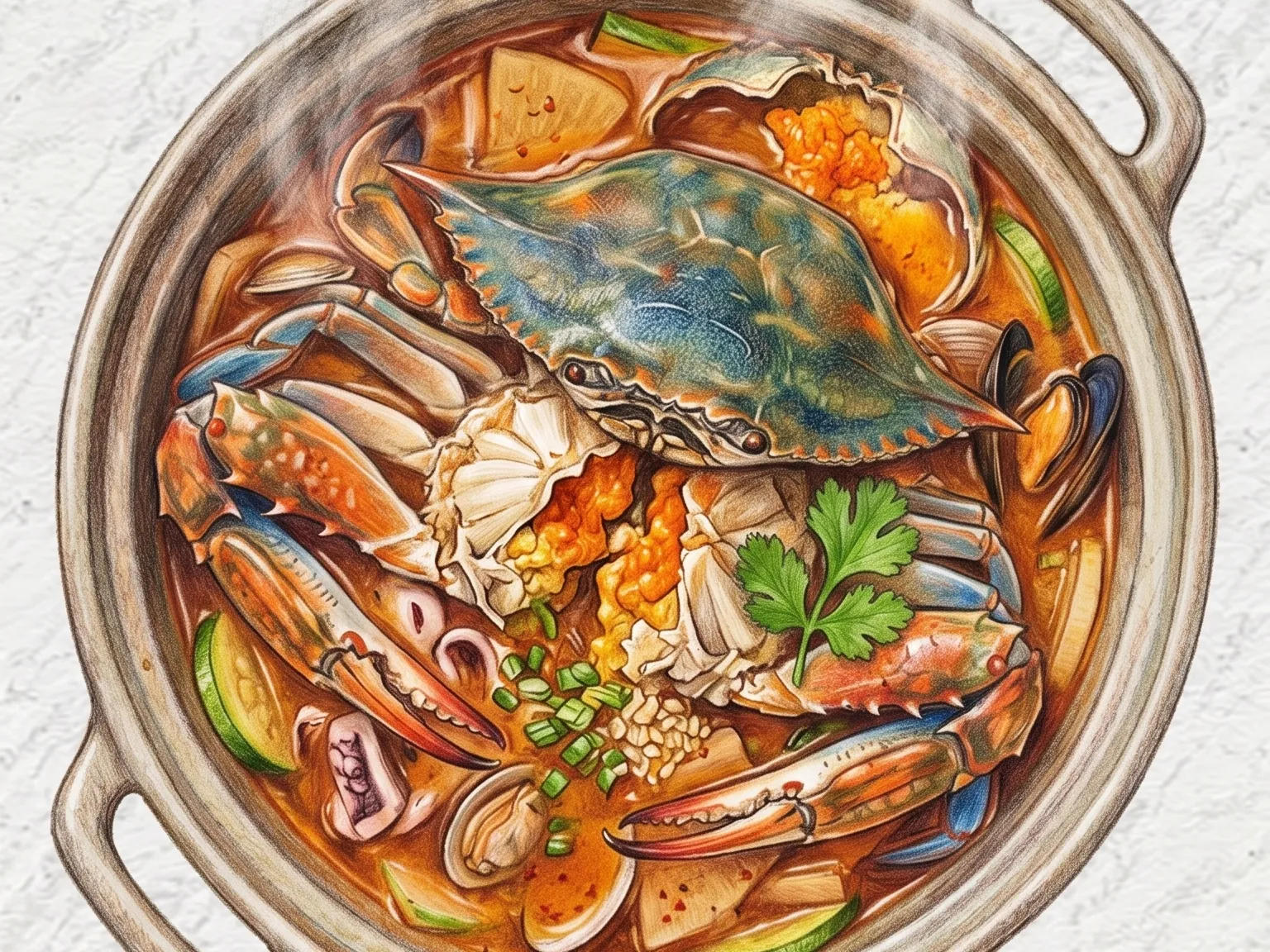
Kkotgetang is a classic Korean spicy crab stew made with 600g of whole blue crab simmered until the shells release their full flavor into the broth. Gochugaru and a touch of doenjang season the liquid with heat and fermented depth, while radish and zucchini turn sweet as they absorb the crab-infused stock. Two Cheongyang chilies push the spice level higher, and green onion adds a fresh finish. Picking the crab meat from the shell while sipping the hot, briny broth is half the enjoyment. Spring blue crabs are prized for their fuller flesh, making that the ideal season to prepare this dish.

Korean Whelk Stew (Spicy Canned Whelk & Cabbage Pot)
Shared ingredient: onion Stews

Korean Whelk Stew (Spicy Canned Whelk & Cabbage Pot)

Golbaengi-jjigae is a spicy Korean stew made with canned whelk as the centerpiece. Because the whelk is already fully cooked inside the can, it goes in near the end of cooking rather than at the start, allowing the broth and vegetables to reach their full flavor first. Extended heat makes whelk rubbery, so a brief simmer of two to three minutes is enough to warm the pieces through while preserving their distinctive chewy texture. Anchovy stock forms the savory foundation of the broth, delivering a clean seafood depth that amplifies the whelk's flavor without masking it. Gochujang and gochugaru combine to give the stew its fiery, full-bodied heat, while cabbage and onion absorb the broth over time and release a gentle sweetness that balances the spice. A single cheongyang chili added whole sharpens the heat at the finish, pulling the entire broth taut with a bright, clean burn. A handful of sliced green onion stirred in at the end brings a fresh aroma that lifts the richness of the stew. It works equally well as a rice-side dish or as an accompaniment to soju.

Korean Oyster Rice (Winter Pot Rice with Plump Oysters)
Serve together Rice

Korean Oyster Rice (Winter Pot Rice with Plump Oysters)

Gul-bap is a pot rice dish built around plump winter oysters, which are placed on top of the nearly-finished rice during the final resting stage rather than added at the beginning of cooking. This timing is deliberate. Oysters introduced too early shrink, toughen, and lose their sweetness to the surrounding liquid. Cooked only by residual steam, they remain tender, full-sized, and briny-sweet. Julienned Korean radish lines the bottom of the pot, serving two purposes: it keeps the rice from scorching, and it releases its own moisture and mild natural sweetness into the grains as they cook. The result is rice that is subtly enriched without any additional seasoning beyond the ingredients themselves. The dish is served alongside a dipping sauce of soy sauce, sesame oil, gochugaru, and chopped green onion. Mixed into the bowl, the sauce ties the clean oceanic flavor of the oysters to the savory, nutty dressing in a way that makes the whole thing hard to stop eating. The oysters should be cleaned gently with coarse salt and rinsed quickly to preserve their natural sweetness.

Korean Mussel Stew
Similar recipe Stews

Korean Mussel Stew

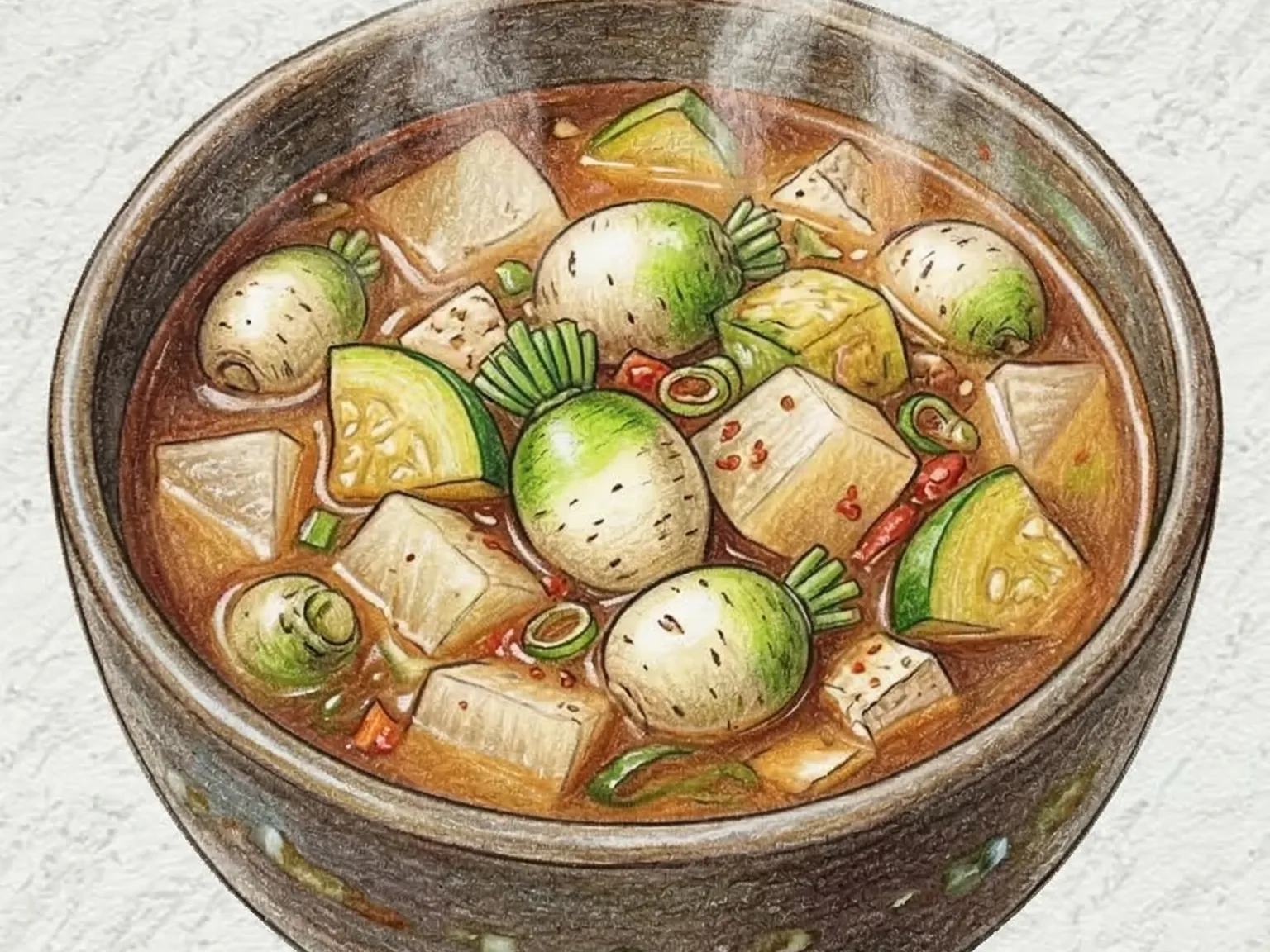
Honghap jjigae uses a generous 900g of mussels to build an intensely briny, clean-tasting broth that defines this stew. Thick-cut Korean radish simmers alongside the shellfish, soaking up the ocean-flavored liquid and contributing a quiet natural sweetness. Cheongyang chili and gochugaru deliver a moderate, lingering heat, while soup soy sauce and cooking wine round out the seasoning without drowning the seafood flavor. Using the liquid the mussels release during cooking as the base of the broth provides depth without requiring a separate stock. Sliced green onion added at the end lifts the aroma without adding any fishy note. Selecting only mussels whose shells are tightly closed before cooking reduces the chance of grit or off-flavors in the finished stew.

Serve with this

Korean Braised Dried Radish Greens with Doenjang
Side dishes Medium

Korean Braised Dried Radish Greens with Doenjang

Dried radish greens, once rehydrated and boiled tender, are braised in a doenjang-based seasoning until the liquid reduces to a concentrated glaze. The fermented soybean paste melts into the coarse fibers of the greens, infusing each strand with deep, earthy umami. A splash of anchovy stock is added after the initial stir-fry in perilla oil, and the pan is covered so the greens can absorb the broth slowly over low heat. As the liquid evaporates, the seasoning thickens and clings to every piece, producing a chewy, salty-savory bite that releases its flavors gradually when chewed. Gochugaru contributes a mild, lingering warmth rather than sharp heat, while garlic softens into a mellow sweetness that rounds out the intensity of the doenjang. Patience during the final reduction is essential: only when the braising liquid has nearly disappeared does the dish reach the dense, flavorful consistency that makes it an ideal topping for steamed rice.

🏠 Everyday 🍱 Lunchbox
Prep 18min Cook 20min 4 servings
Korean Wild Chive Kimchi (Spring Quick Gochugaru)
Kimchi Easy

Korean Wild Chive Kimchi (Spring Quick Gochugaru)

Dallae kimchi is a quick spring kimchi made by salting wild chives for just eight minutes to barely soften them, then dressing them in gochugaru, sand lance fish sauce, plum extract, and Korean pear juice. The bulb-end roots carry the most concentrated aroma, so they should not be trimmed too short, and the seasoning should be applied starting from the roots so the flavor penetrates evenly along the entire stalk. Pear juice adds natural sweetness and a little moisture that softens the heat from the chili, while sand lance fish sauce provides a lighter, more delicate umami than standard anchovy sauce. This kimchi smells fresh and bright immediately after preparation, but one day in the refrigerator allows a mild fermented depth to develop that rounds out the flavors considerably. Wild chives are best purchased between early March and mid-April, when the roots are fat and the aroma is fully developed. Salting beyond eight minutes causes the grassy fragrance to dissipate rapidly, so timing matters. The finished kimchi pairs naturally with namul side dishes and fresh vegetable salads at a spring table.

🏠 Everyday 🍱 Lunchbox
Prep 20min Cook 5min 4 servings
Korean Chive Clam Jeon (Garlic Chive and Clam Seafood Pancake)
Pancakes Medium

Korean Chive Clam Jeon (Garlic Chive and Clam Seafood Pancake)

Buchu-bajirak-jeon is a seafood pancake of garlic chives and clam meat, pan-fried in a batter made with a mix of all-purpose pancake flour and rice flour. The rice flour addition increases the chew and gives the finished jeon a slightly more resilient texture than plain flour batters. Clam meat releases a briny, oceanic liquid as it cooks that seeps into the batter and flavors it throughout, while the chives add a sharp, grassy counterpoint. Minced garlic and diagonally sliced cheongyang chili worked into the batter suppress any fishiness and build a layered fragrance. A generous amount of oil in the pan over medium heat produces edges that crisp and brown like the outside of a fritter. Waiting until the bottom is fully set before flipping prevents the pancake from tearing. Served with soy dipping sauce or a seasoned soy mixture, the clean salinity of the clams comes through clearly.

🍺 Bar Snacks 🏠 Everyday
Prep 25min Cook 15min 4 servings

Similar recipes

Korean Spicy Fish Roe Stew
Stews Medium

Korean Spicy Fish Roe Stew

Altang is a Korean stew built around pollock roe - the egg sacs that are the defining ingredient, distinguishing this dish from the many other spicy Korean seafood stews. The dish originated in east coast fishing towns where fresh roe is available in large quantities during the winter spawning season and must be used quickly. Anchovy-kelp stock simmers first with radish to create a clean, sweet foundation before the roe and tofu are added. Once the roe goes into the broth, something visible happens: the egg sacs release their contents as they cook, turning the liquid cloudy and enriching it with marine oils that give the broth a noticeably heavier, more unctuous body. This transformation is specific to altang and is part of what makes it a different eating experience from other spicy Korean stews. Gochugaru and doenjang season the stew together - the chili bringing direct heat and the fermented paste adding depth - and together they neutralize the fishy edge that pollock roe would otherwise carry. Crown daisy, ssukgat, is added in the final moments. Its sharp, almost medicinal herbal fragrance is the correct counterpoint to the heavy, briny broth. In Korean drinking culture, altang occupies a specific role as a late-night restorative consumed at the end of a long evening. The image of a stone pot of altang arriving at the table still vigorously boiling, at two or three in the morning, is a recognizable part of Korean urban nightlife.

🍺 Bar Snacks 🏠 Everyday
Prep 12min Cook 18min 2 servings
Korean Grilled Sea Snail with Gochujang
Grilled Medium

Korean Grilled Sea Snail with Gochujang

Pre-boiled sea snail meat is sliced thin, trimmed of tough visceral parts, and marinated for fifteen minutes with sliced onion in a sauce built on gochujang, gochugaru, soy sauce, oligosaccharide syrup, and minced garlic. A screaming-hot pan sears the marinated snail in three to four minutes, concentrating the spicy-sweet sauce onto the surface while preserving the snail's signature firm chew. Green onion goes in for the final minute, followed by a drizzle of sesame oil. The briny depth of the sea snail meets the fermented heat of gochujang in every bite.

🍺 Bar Snacks 🏠 Everyday
Prep 20min Cook 10min 4 servings
Maeuntang (Spicy White Fish Radish Stew)
Soups Medium

Maeuntang (Spicy White Fish Radish Stew)

Maeuntang is a traditional Korean spicy fish stew centered on white-fleshed fish such as cod or frozen pollock. The fish is salted for ten minutes before cooking, which draws out excess moisture and the compounds responsible for fishiness, resulting in a cleaner-tasting broth. Radish goes into the pot first and simmers until its clean, mild sweetness dissolves into the water, forming the base. Gochujang, gochugaru, soup soy sauce, and minced garlic are then stirred in to build the spiced, savory broth. The fish and tofu are added together and cooked for ten minutes without being turned over. Instead, hot broth is repeatedly ladled over the top surface so the fish cooks evenly without the flesh breaking apart. Zucchini, green onion, and cheongyang chili are added in the final three minutes to preserve their color and slight crunch. A half tablespoon of doenjang stirred in at the end adds a secondary layer of umami that deepens and rounds out the broth considerably.

🏠 Everyday 🥗 Light & Healthy
Prep 15min Cook 25min 2 servings

Tips

Add sea squirts near the end; overcooking makes them tough.
Pre-boiling radish gives the broth a cleaner, deeper taste.

Nutrition (per serving)

Calories
265
kcal
Protein
22
g
Carbs
14
g
Fat
12
g