Korean Stir-fried Seaweed Stems
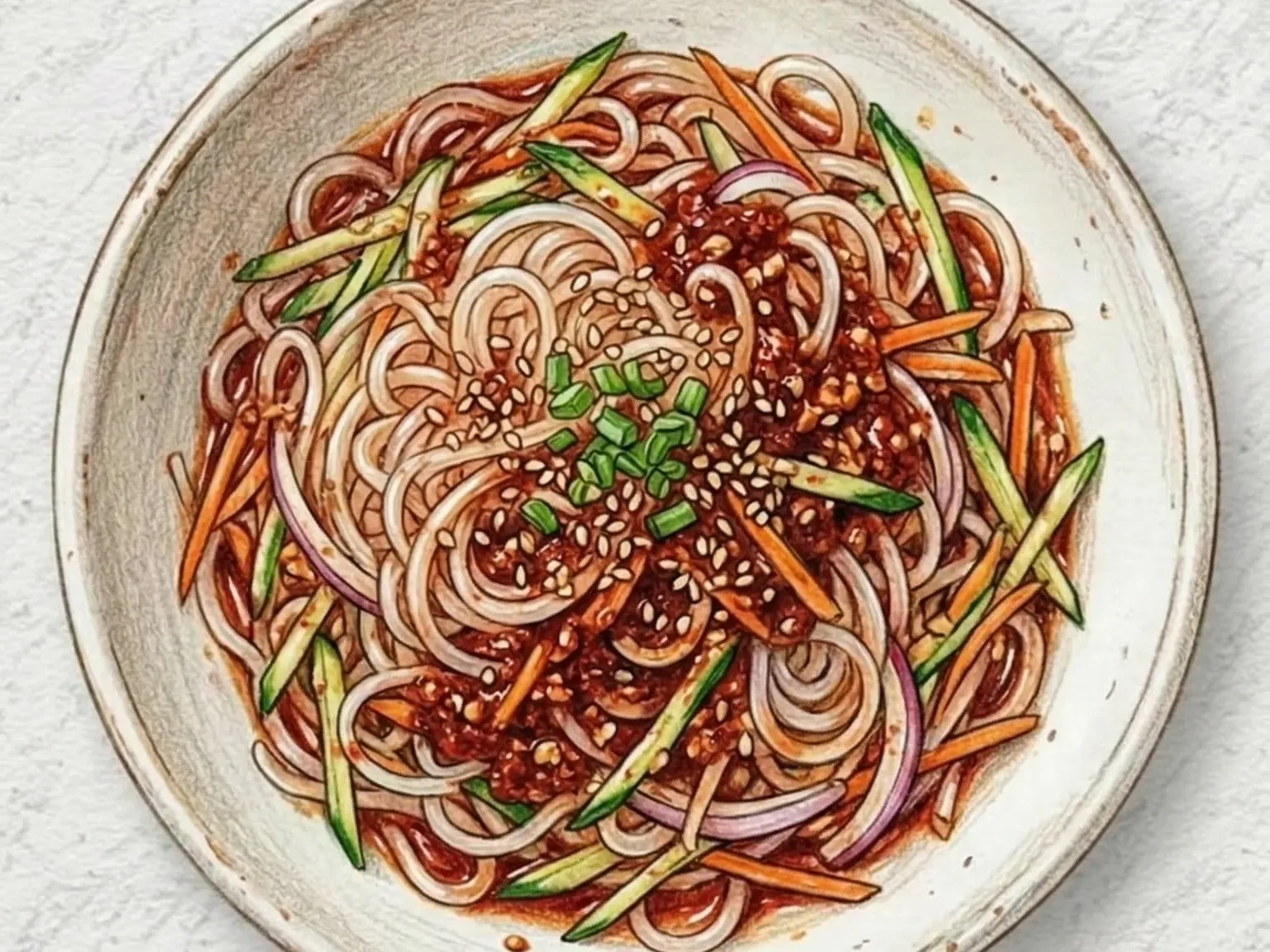
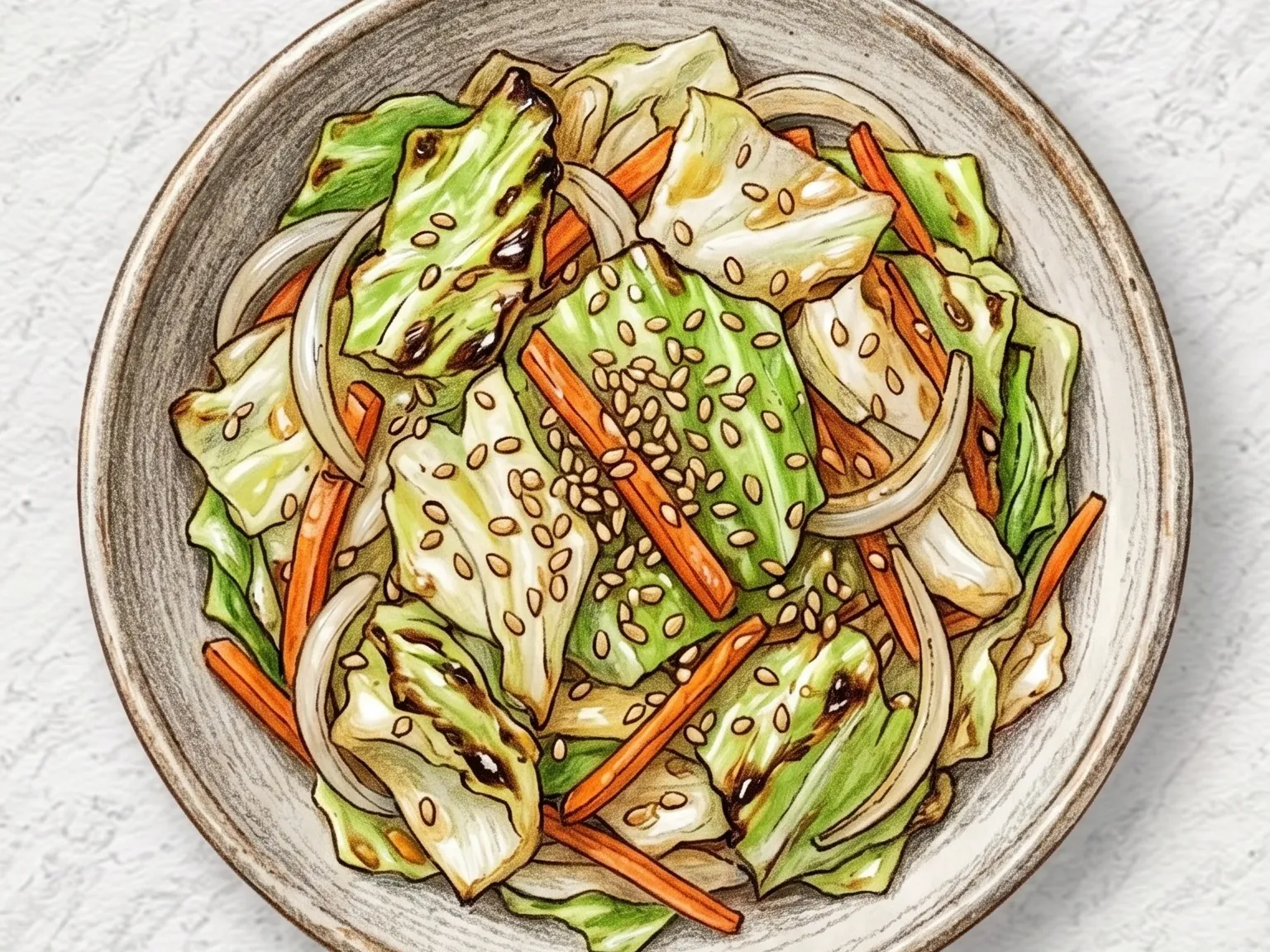
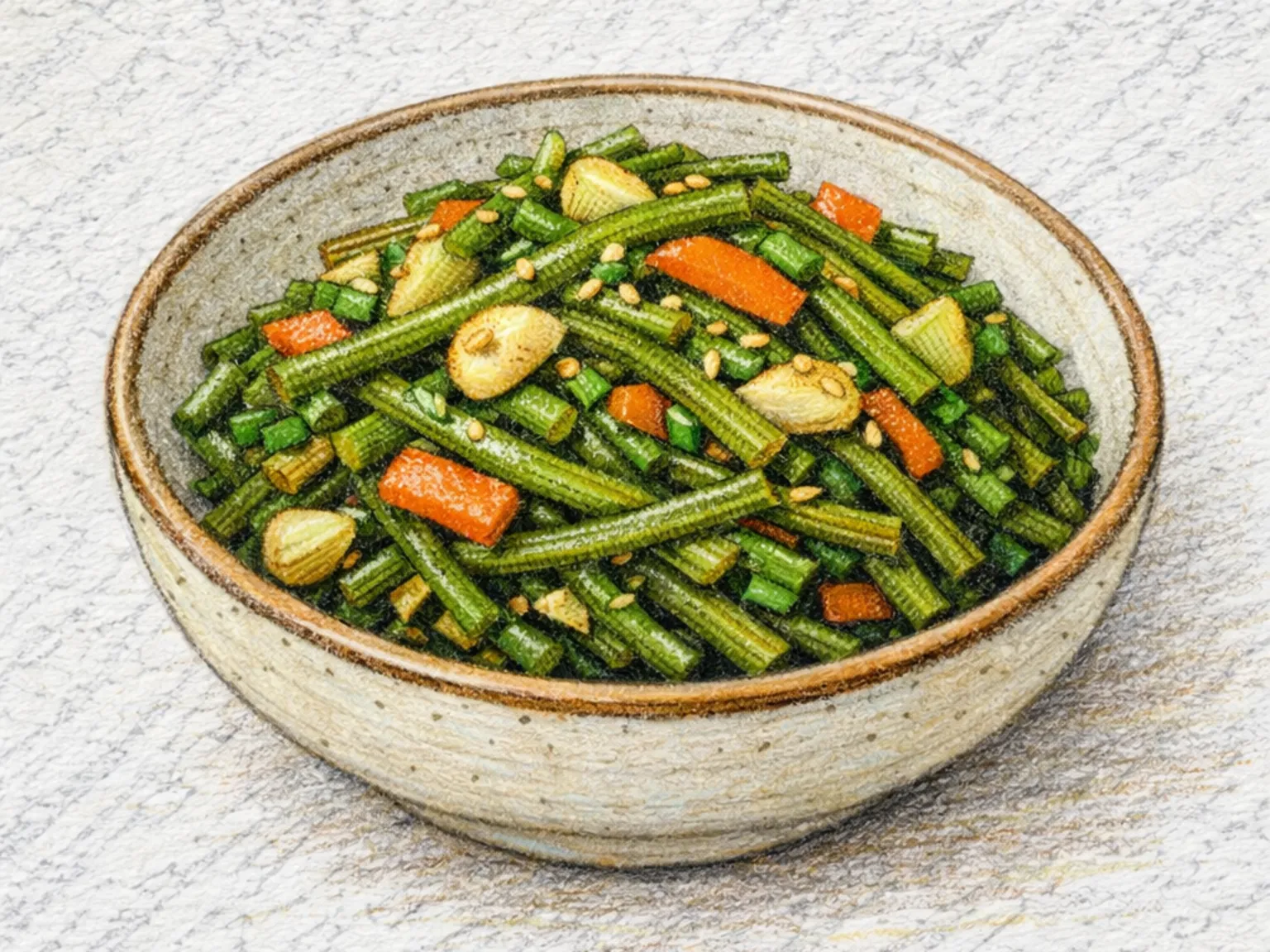
Miyeok-julgi-bokkeum is stir-fried seaweed stems - specifically the thick midrib portions of salted miyeok (wakame) - offering a textural experience entirely different from miyeok-muchim (seaweed salad) or miyeok-guk (seaweed soup). While seaweed leaves are soft and slippery, the stems are thick and resilient, producing a distinctive crunchy pop with each bite. Salt levels vary by brand, so soaking in cold water for ten minutes is the baseline desalting step, but tasting before cooking and rinsing again if needed is essential. Julienned onion and carrot stir-fried alongside break the monotony of seaweed alone, adding sweetness and color. Garlic sauteed in oil first establishes an aromatic foundation. A finishing drizzle of sesame oil and sesame seeds bridges the oceanic seaweed flavor with a toasty nuttiness. The extremely low calorie count makes this banchan a staple in diet-conscious Korean meal plans.
Adjust Servings
Instructions
- 1
Soak seaweed stems in cold water for 10 minutes to reduce saltiness, then rinse.
- 2
Drain and cut into 5 cm lengths.
- 3
Julienne onion and carrot.
- 4
Heat oil and stir-fry garlic, onion, and carrot first.
- 5
Add seaweed stems and stir-fry for 3 minutes.
- 6
Finish with sesame oil and sesame seeds, then turn off heat.
As an Amazon Associate, we may earn from qualifying purchases.
Tips
Nutrition (per serving)
More Recipes

Korean Stir-Fried Seaweed Stems with Perilla
Deulkkae miyeokjulgi-bokkeum stir-fries salted seaweed stems with perilla oil and ground perilla seeds, diverging from the standard sesame-and-soy version by foregrounding the earthy nuttiness of perilla. Desalting the stems in cold water for at least fifteen minutes is the essential first step - too brief and the dish is unpalatably salty, too long and the oceanic character washes away entirely. Garlic is sauteed in perilla oil to build an aromatic foundation, then the drained stems join with soup soy sauce and a splash of water for three minutes of stir-frying. Ground perilla seeds go in at the end, where they bind with the residual moisture and coat each strand in a pale, creamy film. Julienned onion added alongside contributes sweetness that balances the seaweed's brininess. The perilla powder's starch partially gelatinizes on contact with heat, thickening the sauce - but overcooking past this point turns the coating chalky, so timing the final addition is critical. Sesame seeds scattered off heat complete the dish.

Korean Stir-Fried Sweet Potato Stems
Goguma julgi - sweet potato stems - are the above-ground vines of the sweet potato plant, a byproduct that Korean cooks transform into a summer namul rather than discarding. The most labor-intensive step is peeling each stem by hand, pinching the outer skin with a fingernail and pulling it away to reveal the tender core beneath. After blanching for two minutes and rinsing in cold water, the stems are stir-fried in perilla oil with garlic and seasoned with soup soy sauce. Perilla powder stirred in at the end thickens the remaining liquid into a nutty glaze. In season during summer, the stems are harvested from sweet potato fields before the tubers themselves are dug up.

Korean Stir-fried Mushrooms
Oyster mushrooms and shiitake mushrooms are stir-fried over high heat to drive off moisture and concentrate their natural umami into every bite. Wiping the mushrooms with a damp cloth rather than rinsing preserves the volatile compounds responsible for their earthy aroma. The pan must be hot enough that the mushrooms sear rather than steam; when the edges turn lightly golden, a deep nuttiness develops that water-logged mushrooms never achieve. Soy sauce supplies the salt, and black pepper adds a sharp accent without overpowering the mushrooms' own flavor. Sesame oil is drizzled in after the heat is turned off so its fragrance stays intact instead of burning away. A handful of sliced green onion tossed in at the end contributes color and a fresh bite. At roughly 120 calories per serving, this side dish fits comfortably into a calorie-conscious meal while delivering satisfying texture and depth.

Korean Stir-Fried Leafy Greens
Baby bok choy stir-fried with garlic - five minutes from board to table. Removing all surface water before the greens hit the pan is essential; residual moisture turns stir-frying into steaming. Garlic sautés low for twenty seconds, then greens go in over high heat. Soup soy sauce and salt season without adding liquid, and sesame oil off-heat gives a glossy finish. This mild, clean-tasting side works alongside virtually any Korean main course.

Korean Broccoli Doenjang Salad
Blanched broccoli in doenjang dressing - a modern Korean banchan bridging Western ingredients with traditional seasoning logic. Florets and thinly sliced stems blanch ninety seconds, then are shocked in cold water for vivid green and a firm bite. The dressing combines doenjang with vinegar and oligosaccharide syrup - fermented salt, acidity, and gentle sweetness that lifts mild bitterness. Ready in under ten minutes and keeps refrigerated for days.

Korean Seaweed Stem & Shrimp Stir-fry
Miyeokjulgi-deulkkae-saeu-bokkeum combines desalted seaweed stems and medium shrimp, stir-fried in perilla oil and finished with a generous coating of perilla seed powder. The seaweed stems are soaked for ten minutes to reduce saltiness, then cut into 5 cm pieces that retain a distinctive chewy-crunchy bite - a textural contrast to the springy shrimp. Onion and garlic are sauteed first to establish a sweet base, and soup soy sauce provides the only salt. Perilla powder goes in at the very end so its nutty aroma stays intact through serving.