Korean Seaweed Oyster Pancake
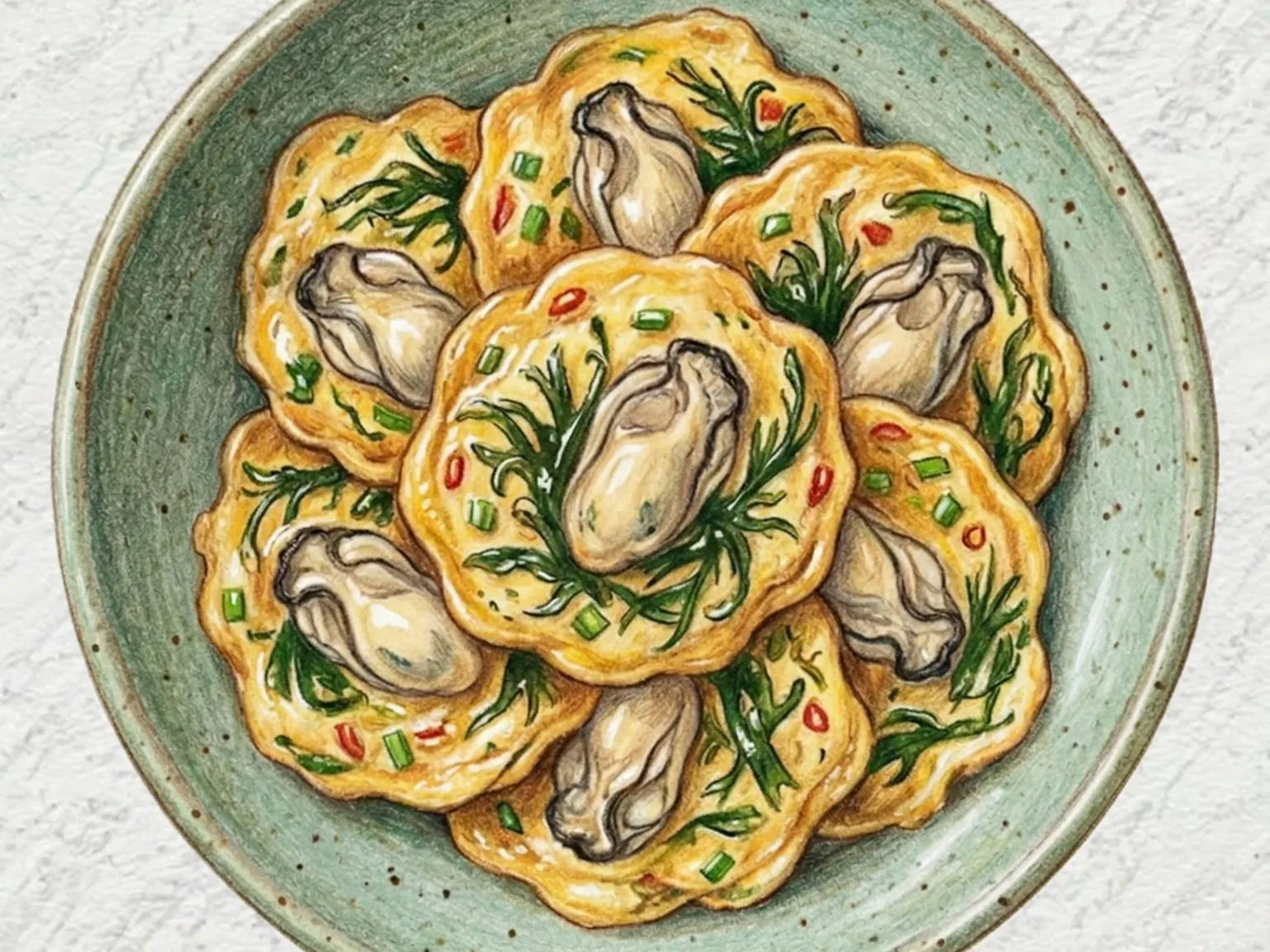
Fresh oysters and rehydrated seaweed are folded into a pancake batter and pan-fried into a jeon brimming with ocean flavor. The oysters release their rich, briny juices into the pancake as they cook, while the seaweed adds a soft, slippery texture. Soup soy sauce seasons the batter cleanly, and minced red chili provides both color and a hint of heat. This jeon is at its best during winter when oysters are plump and full of flavor.
Adjust Servings
Instructions
- 1
Gently rinse oysters in light salt water and drain well.
- 2
Squeeze soaked seaweed dry and cut into 3 cm pieces.
- 3
Make batter with pancake mix, water, egg, garlic, and soup soy sauce.
- 4
Add seaweed, oysters, and red chili; season lightly with salt.
- 5
Pour ladlefuls into an oiled pan over medium-low heat and spread round.
- 6
Cook 3 minutes per side until oysters are fully cooked, then plate.
As an Amazon Associate, we may earn from qualifying purchases.
Tips
Nutrition (per serving)
More Recipes

Korean Flower Crab Pancake
Flower crab meat is coated in a blend of flour and Korean pancake mix, dipped in beaten egg, and pan-fried until golden. The crab's naturally sweet, briny flavor remains the star, with minced ginger working quietly in the background to neutralize any fishiness. Black pepper adds a mild warmth without overpowering the delicate crab. The egg coating seals in moisture, keeping the crab tender inside while the surface turns crisp and lightly golden.

Korean Chive Clam Jeon (Garlic Chive and Clam Seafood Pancake)
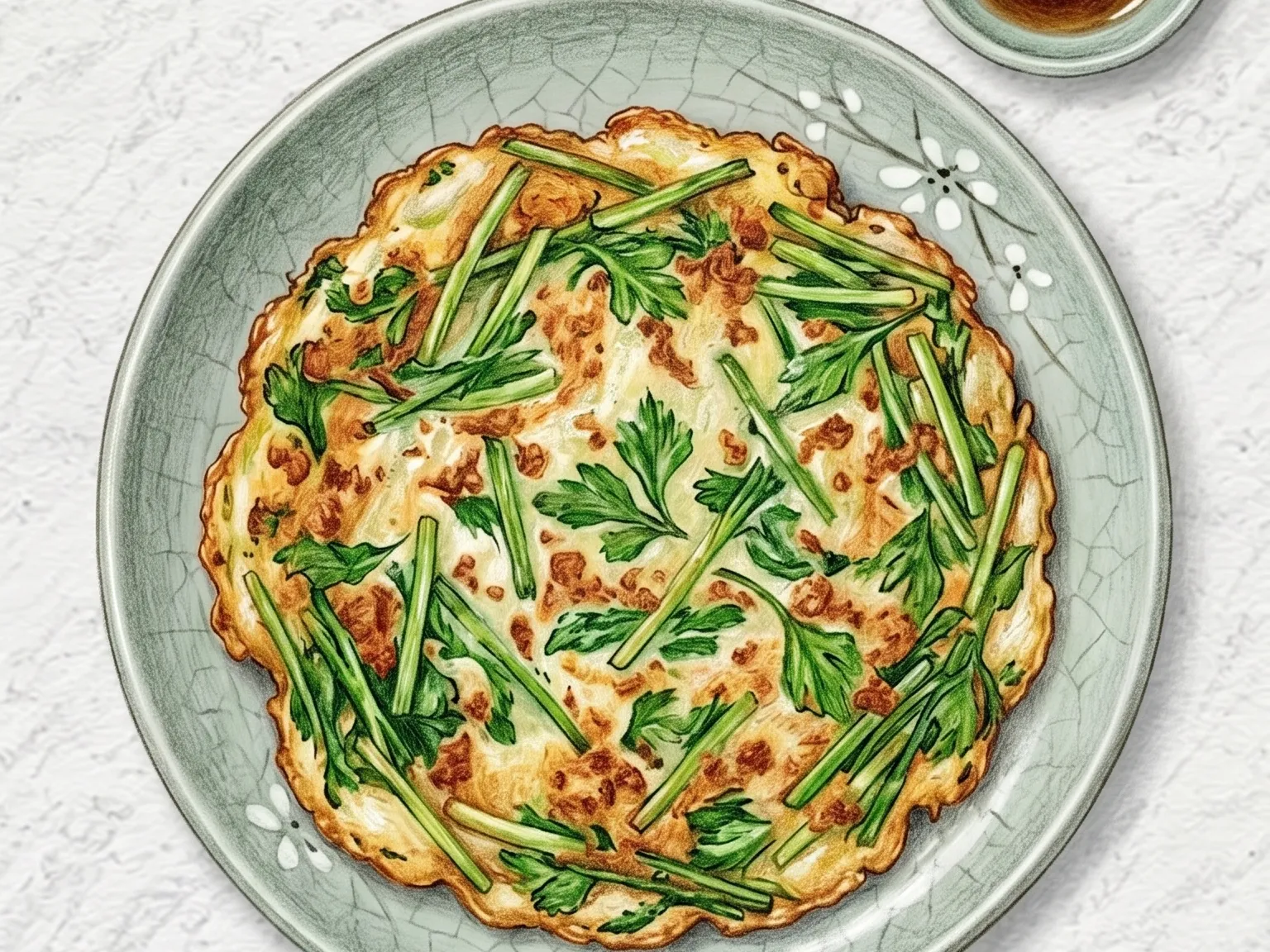
This seafood pancake features garlic chives and clam meat as its main ingredients, pan-fried in a batter enriched with rice flour for a chewier bite. The clams release a briny, ocean-fresh flavor that pairs naturally with the pungent chives. A touch of hot green chili and minced garlic temper any fishiness while building layers of flavor. Generous oil in the pan crisps the edges to a golden brown, giving each slice a satisfying crunch.

Korean Zucchini Corn Jeon
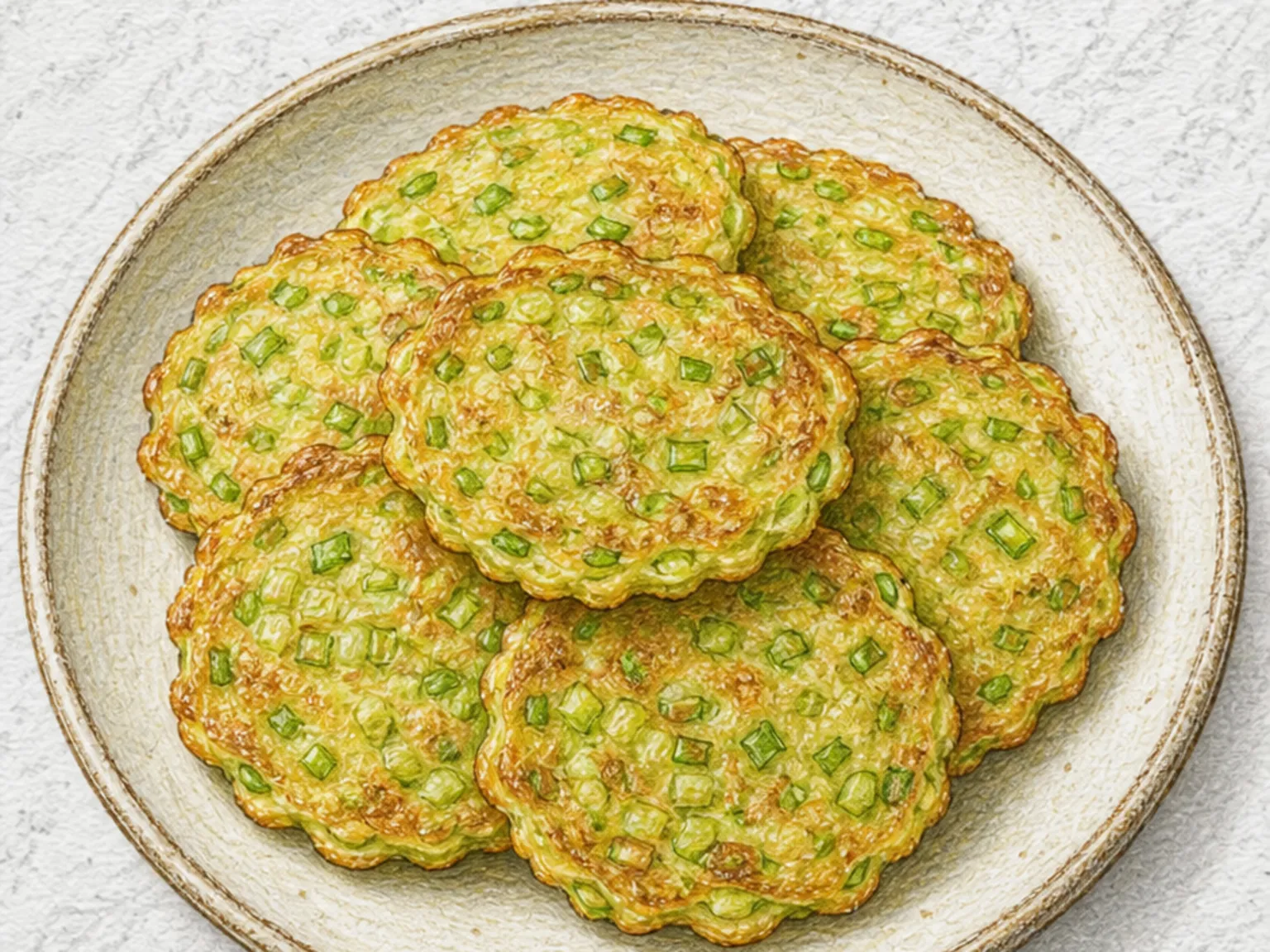
Shredded zucchini and sweet corn kernels are folded into a pancake-mix batter and pan-fried until golden. The zucchini softens as it cooks, while the corn kernels pop with sweetness in each bite, creating a combination that appeals to all ages. Egg enriches the batter and black pepper adds a light seasoning. Using cold water keeps the batter thin and airy, which helps the vegetables maintain their distinct textures after frying.

Korean Beoseot Deulkkae Jeon (Mushroom Perilla Pancake)
This Korean pancake combines oyster and shiitake mushrooms with perilla seed powder, creating a distinctively nutty aroma that sets it apart from standard mushroom jeon. The mushrooms are sliced thin and mixed with onion into a batter seasoned with soy sauce for built-in umami depth. Once pan-fried until the edges crisp up, the contrast between the crunchy exterior and the soft, chewy mushroom filling makes each bite satisfying. It pairs well with makgeolli or as a simple side dish.

Korean Oyster Seaweed Soup
Gul-miyeok-guk is a Korean seaweed soup enriched with fresh oysters, traditionally eaten for postpartum recovery and birthday celebrations. The cooking begins by sautéing rehydrated seaweed and oysters together in sesame oil, a step that coats every strand and shell in a nutty fragrance before water is added. As the soup simmers, the seaweed releases minerals and a subtle brininess that merges with the oysters' own ocean flavor. Soup soy sauce and garlic keep the seasoning grounded. The winter months, when oysters are at their fattest, are the prime season for this version, and the contrast between the slippery seaweed and the firm oyster gives each spoonful a shifting texture.

Korean Maesaengi Oyster Porridge
Maesaengi gul juk is a warming Korean winter porridge built on sesame-oil-toasted rice simmered in anchovy-kelp stock. Delicate strands of maesaengi seaweed lend a mild oceanic fragrance, while plump oysters release briny juices that deepen the broth. The rice is stir-fried in sesame oil before the stock goes in, giving the porridge a nutty backbone. Maesaengi goes in at the very end to keep its vivid green color and fresh sea aroma intact.