Korean Quince Tea (Spiced Quince Honey Preserve Tea)
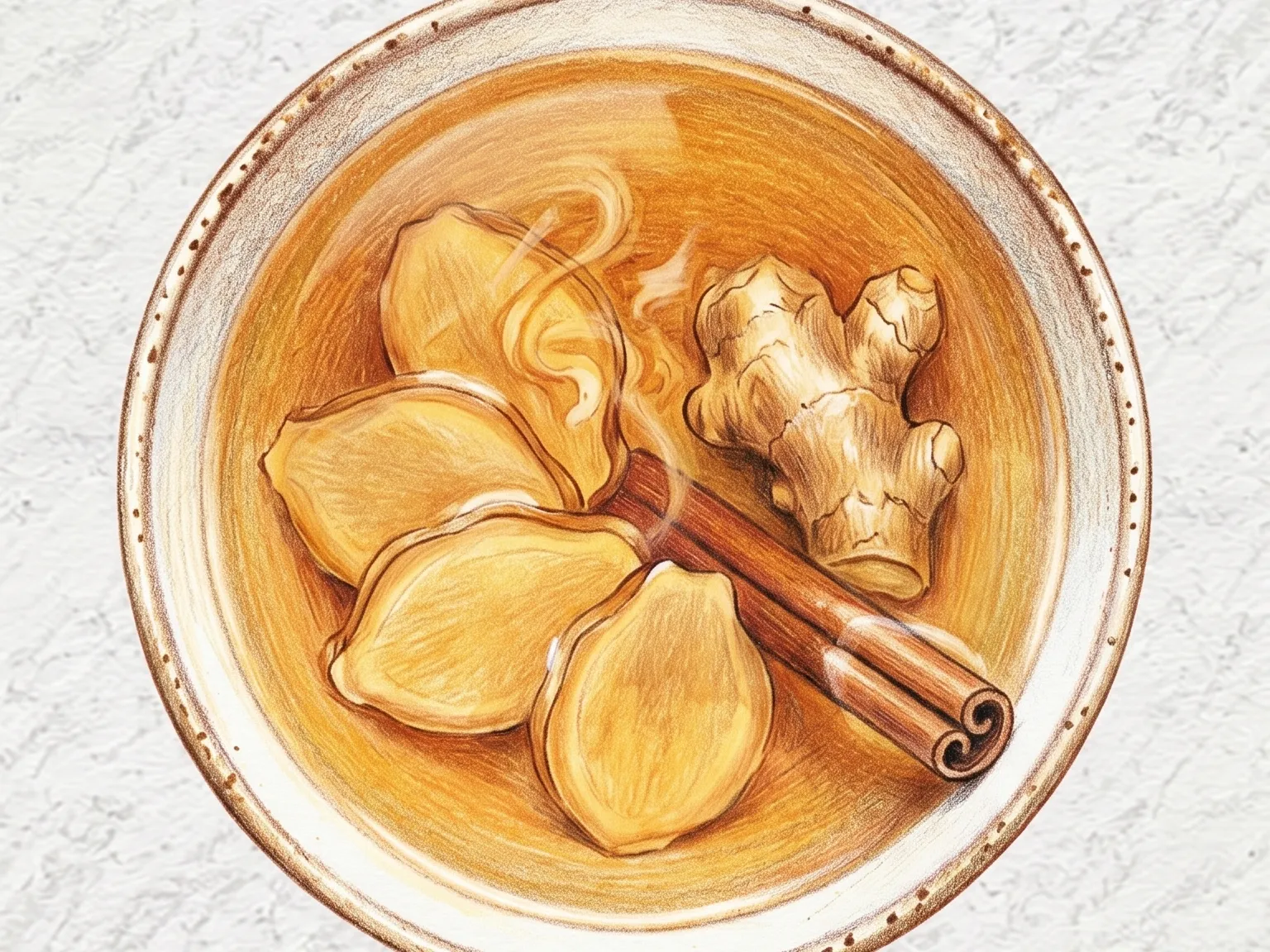
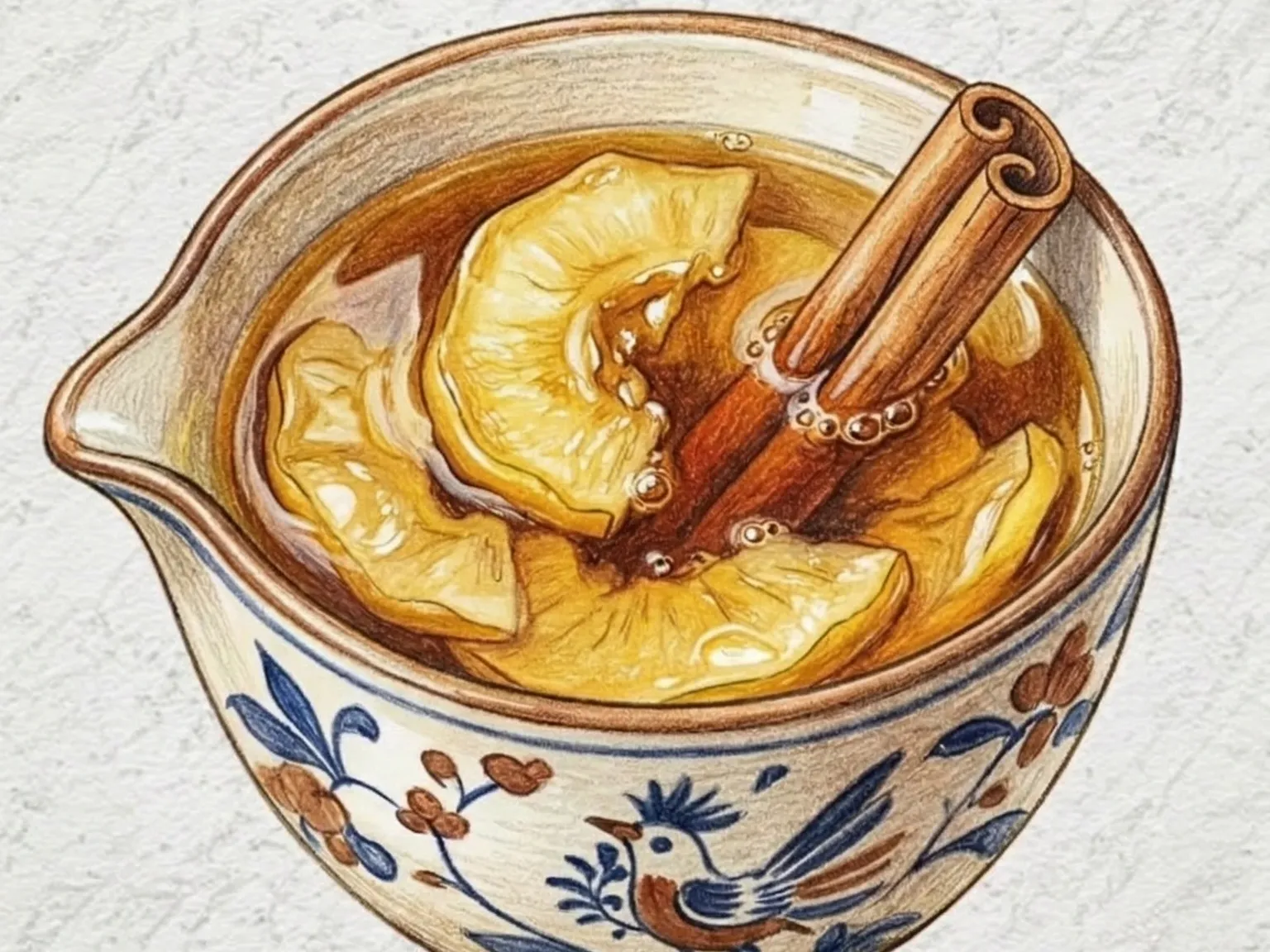
Mogwa-cha is a Korean quince tea served by dissolving homemade quince preserve in hot water. The preserve is made by simmering thin quince slices with sugar, honey, lemon juice, and a cinnamon stick until a fragrant, amber syrup forms. Quince brings a distinctive floral-citrus aroma that intensifies as the sugar draws out the fruit's essential oils. Stored in a sealed jar and refrigerated, the syrup keeps well and yields a fragrant cup of tea with just a few spoonfuls and boiling water. The tea is traditionally drunk in cool weather for its soothing effect on dry throats and mild coughs.
Adjust Servings
Instructions
- 1
Wash quince well, remove seeds, and slice thinly.
- 2
Mix quince slices with sugar and rest for 10 minutes.
- 3
Simmer quince with honey, lemon juice, and cinnamon for 8 minutes to make a syrup.
- 4
Add 3 tablespoons of quince syrup to each cup and pour in hot water.
- 5
Stir well and serve once aromatic.
As an Amazon Associate, we may earn from qualifying purchases.
Tips
Nutrition (per serving)
Goes Well With

Gotgam Cream Cheese Roll (Dried Persimmon Rolls)
Gotgam cream cheese roll is a no-cook Korean dessert that requires nothing more than a knife, a bowl, and a refrigerator. Dried persimmons are slit open and flattened into thin sheets, each one acting as the outer wrapper. The filling is cream cheese mixed with honey and fresh lemon juice to balance its natural richness with acidity, and finely chopped walnuts are folded in throughout to add a crunchy, nutty element to every bite. The filling is spread across the opened persimmon, which is then rolled tightly and wrapped in plastic wrap. Twenty minutes in the refrigerator firms the roll enough to slice cleanly. Dipping the knife in warm water and wiping it dry before each cut produces the smoothest cross-sections. The finished slices reveal clearly defined layers: the chewy, caramel-sweet dried persimmon on the outside, the tangy cream cheese in the middle, and flecks of walnut distributed throughout. The combination makes it a natural pairing with wine or a polished addition to a traditional holiday table.

Korean Galbi Tteokbokki (Soy-Braised Pork Rib Rice Cake Stir-Fry)
Galbi tteokbokki marinates boneless pork ribs in soy sauce, sugar, mirin, garlic, and sesame oil for fifteen minutes before the dish comes together in a single pan. The ribs go in first over high heat, searing until the surface caramelizes and the rendered fat begins to collect in the pan. Water and rice cakes are added next, and the mixture simmers on medium until the sauce reduces into a concentrated glaze that coats each tteok thoroughly. No gochujang enters the recipe at any point - the flavor profile is entirely soy-and-sugar sweet-salty, made deeper by the pork's own fat and juices as they cook down. The finished dish shows a visible sheen on both the rice cakes and the meat, with green onion and sesame seeds scattered over the top.

Korean Paengi Beoseot Jeon (Enoki Pancake)
Paengibeoseot-jeon is a thin Korean pancake built around 200 grams of enoki mushrooms separated into loose strands and coated in a light batter of pancake mix, egg, and water. Cooked over medium-low heat, the batter spreads thin enough that the edges turn golden and crisp while the mushroom clusters in the center stay moist and chewy. Chopped scallions add color and a mild onion fragrance throughout. The pancake is served with a dipping sauce of soy sauce, vinegar, and a pinch of chili flakes, whose acidity and salt lift the subtle earthiness of the mushrooms. Keeping the heat moderate is essential - too high and the outside burns before the interior sets.

Gyeongdan (Chewy Rice Balls with Sweet Coating)
Gyeongdan are Korean glutinous rice balls, each one shaped by hand into a small sphere, boiled until it floats, then rolled in a dry coating while still warm. The dough is made by kneading glutinous rice flour with hot water rather than cold, a technique that partially gelatinizes the starch and gives the finished rice ball its characteristic chewy spring. Rinsing the cooked balls immediately in cold water stops them from sticking together and firms the surface enough for the coating to cling evenly. Traditional coatings include roasted soybean powder, which is mild and nutty, ground black sesame, which adds deep toasted bitterness, and sweetened red bean crumbles. Some versions are filled with sweet red bean paste before shaping, so the filling bursts as you bite through. Gyeongdan appear on ceremonial tables at seasonal holidays and as everyday snacks, often presented as a trio of colors arranged side by side on a single plate.
More Recipes

Korean Citron Tea (Sweet Yuzu Marmalade Hot Drink)
Yujacha is a Korean citron tea made by dissolving yuja marmalade in hot water, releasing the intense citrus fragrance locked in the candied peel. Honey deepens the sweetness beneath the marmalade's natural bitter edge, and a half teaspoon of fresh ginger juice introduces a warm, peppery sensation to each swallow. A few drops of lemon juice sharpen the acidity and make the citrus profile more vivid, while thin citron slices floating on top continue to release aroma as the tea cools. Water temperature between 85 and 90 degrees Celsius preserves the volatile aromatic compounds best, and rinsing the cup with hot water beforehand slows how quickly the drink loses heat. Yujacha has long been a household remedy for sore throats and the early stages of a cold, valued for the vitamin C in the citron peel and the warming effect of ginger working together.

Korean Jujube Tea (Simmered Dried Jujube Ginger Brew)
Daechucha is prepared by boiling pitted dried jujubes and sliced ginger in water over medium heat for thirty minutes, then removing the jujubes and pressing them through a strainer so only the smooth pulp returns to the pot. This technique gives the tea a naturally thick, sweet body without any added thickener. Ginger provides a quiet warmth underneath the jujube's dominant sweetness, and honey is stirred in off the heat to preserve its aroma. A few pine nuts floated on top contribute a subtle oily richness that extends the finish. The result is a warming, amber-colored tea served on cold days and during recovery from illness in Korean households.

Korean Honey Grapefruit Tea
Jamong-cha is a Korean fruit tea brewed from grapefruit preserves dissolved in hot water, and the quality of the finished drink depends almost entirely on how those preserves are made. The first step is cleanly separating the flesh from the white pith, which carries most of the fruit's bitterness; leaving even a thin strip of pith in the jar will tip the balance from pleasantly tart to sharp and astringent. Once the flesh is packed in sugar and left to macerate for at least twenty-four hours, the juice slowly pulls away and thickens into a fragrant, amber syrup. Honey replaces some of the sugar to round its hard edge, and a spoonful of fresh lemon juice added at the end sharpens the overall acidity without competing with the grapefruit's floral notes. A pinch of salt simultaneously amplifies the bitter-citrus perfume and the sweetness, a trick that keeps the flavor from reading as flat when diluted in water. The same preserves work equally well over ice with sparkling water as a chilled ade, and refrigerated in a sealed jar they last two to three weeks.

Korean Kudzu Root Tea (Earthy Herbal Root Brew)
Chik-cha is a traditional Korean tea made by soaking dried kudzu root in cold water to remove dust, then slowly simmering it with sliced ginger, scored jujubes, and a cinnamon stick for at least twenty-five minutes on low heat. The kudzu root releases an earthy, starchy depth that forms the tea's backbone, while ginger adds warm pungency and cinnamon contributes a sweet, woody spice layer. Honey is stirred in only after the heat is turned off to preserve its floral aroma, and longer simmering intensifies the kudzu's flavor. In traditional Korean medicine, kudzu root has long been used to address fever and thirst, and the tea was commonly brewed at the first sign of a cold. Straining out the solids and storing the tea in a thermos keeps it warm and drinkable throughout the day.

Korean Oyster Rice (Winter Pot Rice with Plump Oysters)
Gul-bap is a pot rice dish built around plump winter oysters, which are placed on top of the nearly-finished rice during the final resting stage rather than added at the beginning of cooking. This timing is deliberate. Oysters introduced too early shrink, toughen, and lose their sweetness to the surrounding liquid. Cooked only by residual steam, they remain tender, full-sized, and briny-sweet. Julienned Korean radish lines the bottom of the pot, serving two purposes: it keeps the rice from scorching, and it releases its own moisture and mild natural sweetness into the grains as they cook. The result is rice that is subtly enriched without any additional seasoning beyond the ingredients themselves. The dish is served alongside a dipping sauce of soy sauce, sesame oil, gochugaru, and chopped green onion. Mixed into the bowl, the sauce ties the clean oceanic flavor of the oysters to the savory, nutty dressing in a way that makes the whole thing hard to stop eating. The oysters should be cleaned gently with coarse salt and rinsed quickly to preserve their natural sweetness.

Korean Oyster Porridge (Savory Briny Rice Porridge)
Guljuk is a Korean oyster porridge made by first sauteing soaked rice in sesame oil until the grains turn slightly translucent at the edges, then adding water or light kelp stock and simmering over gentle heat for thirty minutes or more until the rice breaks down into a thick, cohesive porridge. Finely diced radish is added partway through and cooks until tender, contributing a quiet, natural sweetness to the broth. The oysters go in only during the final seven minutes of cooking, a timing that is non-negotiable: added too early, they turn rubbery and lose their sea-fresh flavor entirely. Kept brief, they emerge plump and tender with a clean oceanic brine at the center of each one. Soup soy sauce seasons the porridge without staining it dark, keeping the bowl pale and clear so the natural aroma of the shellfish can come through undisguised. A small pour of ginger juice can be stirred in to temper any fishiness if needed. Protein-rich and easy on the stomach, the porridge is a natural fit for winter mornings, recovery meals, and any occasion when the body needs something warming without the weight of a full meal.