Molten Lava Cake
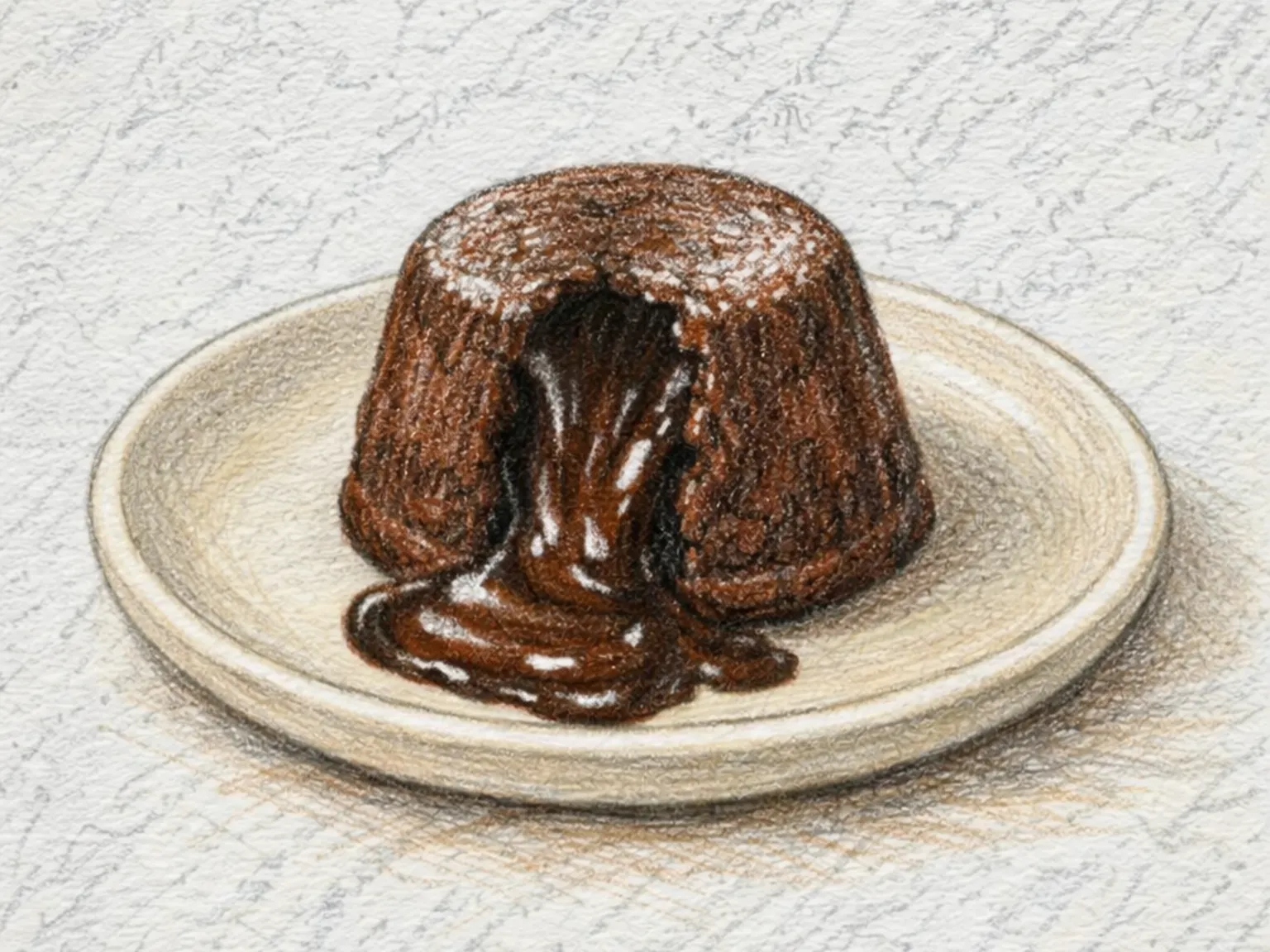
Dark chocolate and butter are melted together, combined with eggs, sugar, and a scant amount of flour, poured into ramekins, and baked just long enough for the outside to set into a thin, cake-like wall while the center remains liquid. Cutting into the dome releases a slow river of molten chocolate that pools on the plate - the defining moment of the dish and the reason timing in the oven is measured in single minutes rather than approximate ranges. Using chocolate with sixty percent cacao or higher pushes the flavor toward a deep, grown-up bitterness that resists becoming cloying. A ball of vanilla ice cream placed beside the freshly unmolded cake creates a dramatic temperature contrast: the hot chocolate and cold cream collide on the spoon, and neither lasts long enough to reach room temperature.
Adjust Servings
Instructions
- 1
Preheat oven to 220C and butter-flour ramekins.
- 2
Melt chocolate and butter together.
- 3
Whisk eggs, yolks, and sugar, then combine with chocolate.
- 4
Fold in flour just until combined.
- 5
Fill ramekins, bake 10-12 minutes, and unmold immediately.
As an Amazon Associate, we may earn from qualifying purchases.
Tips
Nutrition (per serving)
More Recipes

Chocolate Lava Cake
Chocolate lava cake bakes a batter of melted dark chocolate, butter, eggs, sugar, and a small amount of flour in ramekins at high heat for a brief window, producing a set exterior with a molten chocolate core. At 220 degrees Celsius for ten to twelve minutes, the edges firm into a soft cake while the center stays liquid - breaking the surface releases a stream of warm, concentrated chocolate. The bittersweet depth of dark chocolate combines with the butterfat to create a dense, velvety richness, while vanilla extract rounds out the flavor. Timing is critical: overbaking by even two minutes solidifies the center and eliminates the signature lava effect.

Gateau au Chocolat (Rich Flourless Chocolate Cake)
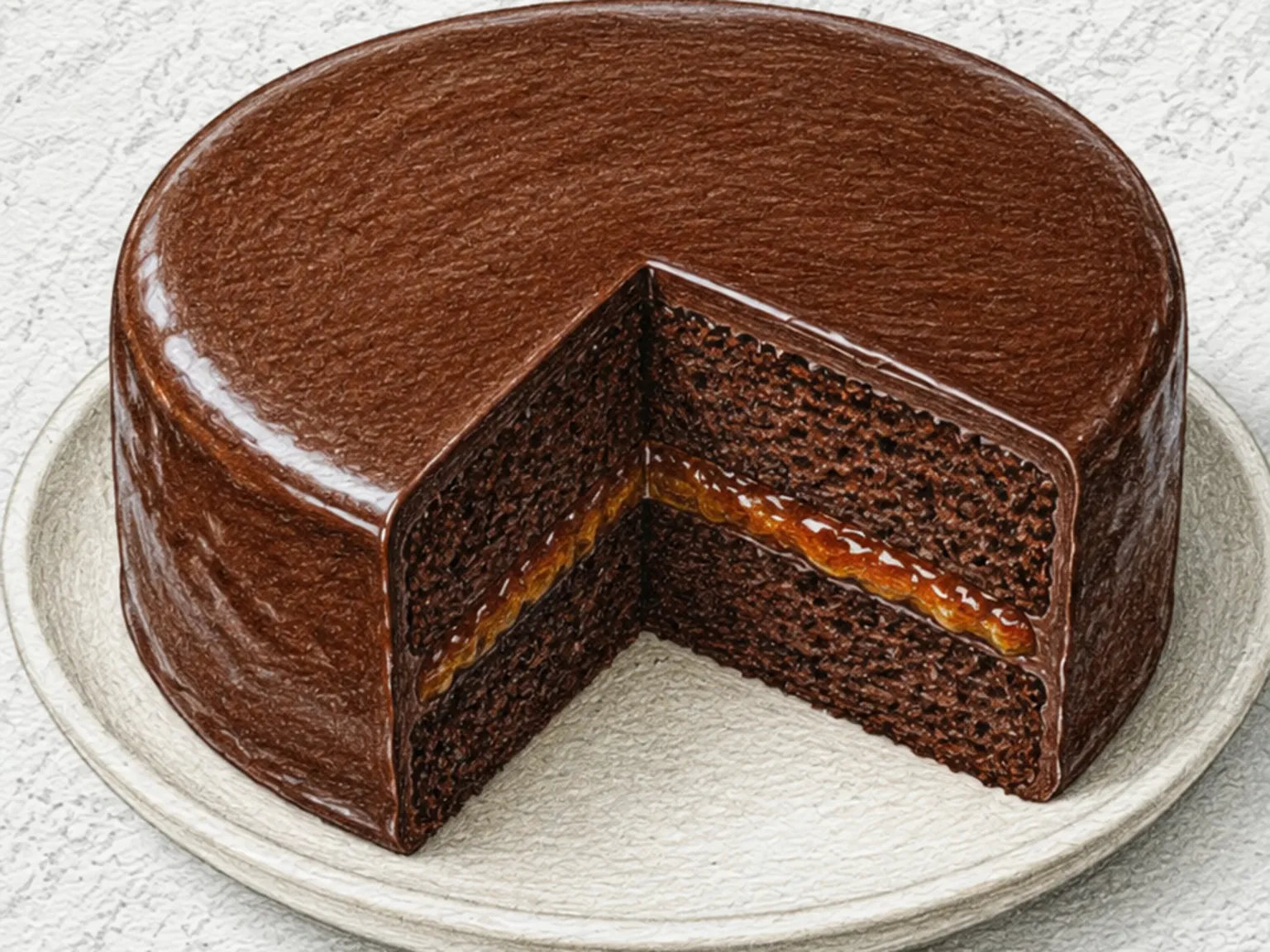
Gateau au chocolat is a French-style chocolate cake built on a generous proportion of dark chocolate and butter, yielding a dense, moist crumb that sits closer to a truffle than a sponge. Many recipes use minimal flour or none at all, so the structure comes almost entirely from eggs and chocolate. Whipping the egg whites into a meringue and folding them into the batter introduces just enough air to keep the texture from feeling leaden, creating a quality that is simultaneously rich and melt-on-the-tongue light. After baking, the cake develops a thin, crackly shell on top while the interior remains soft and fudge-like, revealing an intensely dark cross-section when sliced. A dusting of powdered sugar or a dollop of unsweetened whipped cream provides visual contrast and a mild counterpoint to the concentrated chocolate. The cake improves overnight as the flavors deepen, making it well suited for preparing a day ahead of celebrations.

Chocolate Mousse
Chocolate mousse is a French dessert that achieves a paradox: it tastes intensely of chocolate yet feels weightless on the tongue. Dark chocolate is melted gently and cooled to a temperature warm enough to remain fluid but cool enough not to deflate the cream. Whipped cream is folded in three additions - the first loosens the chocolate, the second begins to lighten it, and the third introduces the airy volume that defines mousse. Some recipes add egg yolks for richness or beaten egg whites for extra lift, but the core is always the marriage of chocolate and cream. After chilling for at least two hours, the mousse sets to a consistency that holds its shape on a spoon yet dissolves immediately on the palate. The cacao percentage of the chocolate determines the bitterness and intensity - seventy percent or higher produces a mousse with pronounced dark chocolate character. A drop of vanilla extract rounds the edges without intruding.

Canelé (Bordeaux Caramelized Rum Vanilla Custard Cake)
Canelé is a small French pastry from Bordeaux with a caramelized, almost burnt exterior and a soft, custardy interior perfumed with vanilla and rum. The batter - milk, eggs, flour, sugar, vanilla bean, and dark rum - is simple, but the technique is demanding. It must rest overnight in the refrigerator to relax the gluten and allow the flavors to meld. Traditional copper molds are coated with beeswax, which creates the distinctive lacquered crust during high-temperature baking. The contrast between the thin, crackly shell and the yielding, moist center is what makes each bite compelling. The vanilla and rum fragrance intensifies as the surface caramelizes, producing a depth of flavor that belies the simplicity of the ingredients. Canelés are at their best within two hours of baking, after which the crust gradually loses its crispness to the moisture migrating from within.

Persimmon Spice Pound Cake
Finely diced dried persimmon pieces are folded into a butter-rich pound cake batter seasoned with cinnamon, nutmeg, and a touch of ginger. The dried fruit brings its own concentrated sweetness, allowing the recipe to use less refined sugar while adding chewy pockets of flavor throughout the crumb. Each slice is dense and moist in the way a good pound cake should be, with the spices providing a warm backdrop that evokes autumn and winter kitchens. The cake improves over a day or two at room temperature as the persimmon moisture distributes evenly and the spice notes deepen. Served alongside black tea, the aromatic compounds in the cake resonate with the tannins in the cup.

Warm Melting Cheese (Whole Oven-Baked Camembert with Garlic and Honey)
Baked Camembert is a French-style appetizer in which an entire wheel of Camembert cheese is oven-roasted until its interior melts into a flowing cream. Shallow cuts scored across the rind allow garlic slivers and rosemary sprigs to infuse the cheese as it heats. After roughly fifteen minutes at 180 degrees Celsius, the firm center collapses into a dip-like consistency while the white-mold rind holds its shape as a natural vessel. Torn baguette pieces and toasted walnuts are the classic accompaniments, and a drizzle of honey bridges the mild funk of the cheese with sweetness. The preparation takes under five minutes of active work, making it one of the quickest warm appetizers to assemble. It pairs especially well with dry white wine or light-bodied reds.