Moo Ping (Thai Grilled Pork Skewers)
Asian Easy

Moo Ping (Thai Grilled Pork Skewers)

Quick answer

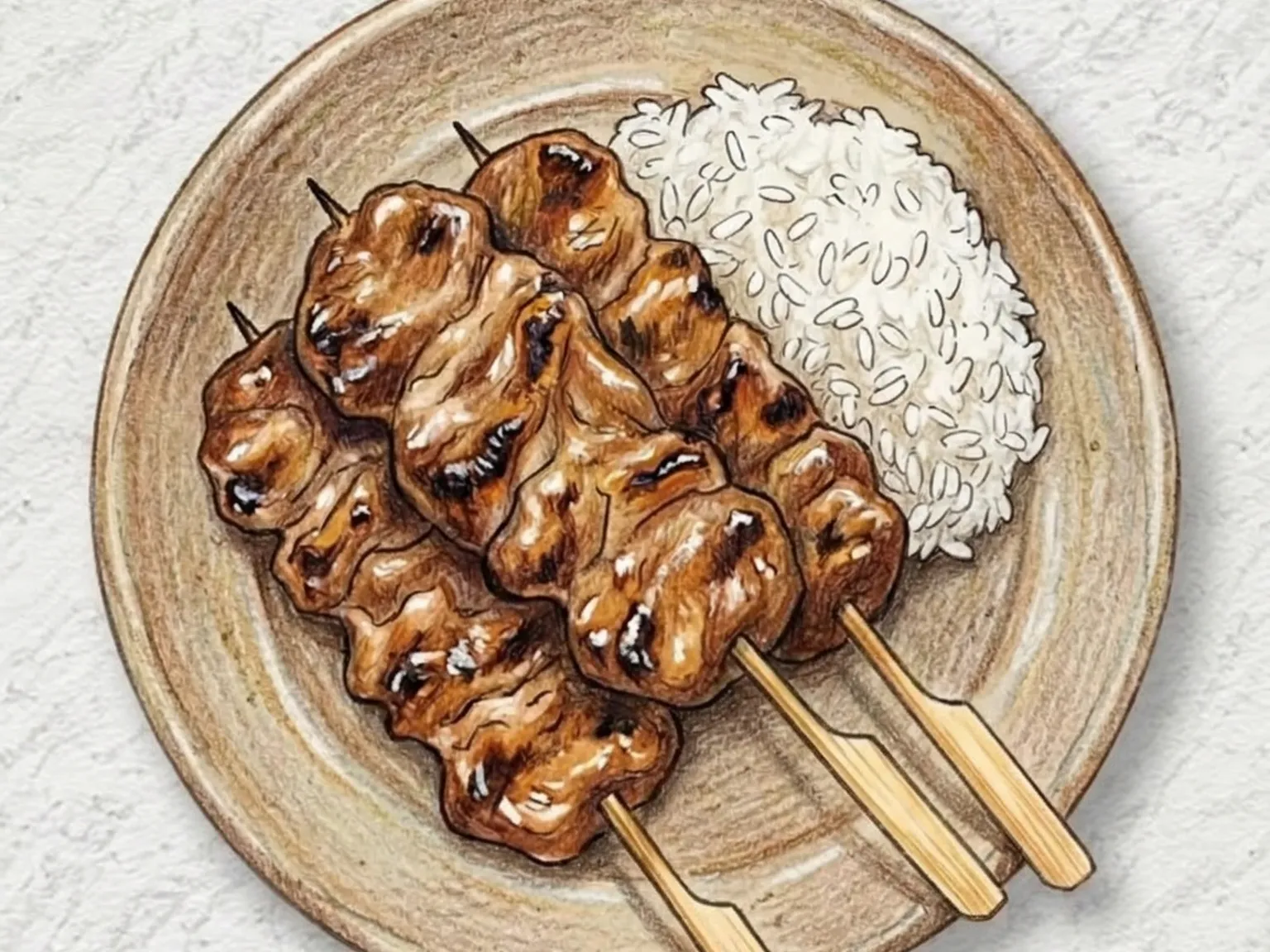
Moo ping are popular Thai grilled pork skewers known for their sweet and savory glaze.

What makes this special

  • Moo Ping skewers are marinated in coconut milk and palm sugar, then charred over charcoal for a glaze.
  • Palm sugar, soy sauce, and fish sauce caramelize together over charcoal
  • Coconut milk marinade keeps the pork neck moist during grilling
Total time
37 min
Level
Easy
Servings
2 servings
Ingredients
8
Calories
490 kcal
Protein
30 g

Key ingredients

pork necksoy saucecoconut milkpalm sugarminced garlic

Core cooking flow

  1. 1 Soak 8 bamboo skewers in water for at least 20 minutes so they scorch less on the grill.
  2. 2 In a bowl, mix 2 tablespoons soy sauce, 80 ml coconut milk, 1 tablespoon pal...
  3. 3 Add the pork to the marinade and turn each strip so every surface is coated.

Moo ping are popular Thai grilled pork skewers known for their sweet and savory glaze. The dish features thinly sliced pork neck marinated in a rich mixture of coconut milk, palm sugar, soy sauce, fish sauce, minced garlic, and black pepper. Soaking the bamboo skewers in water before cooking prevents them from burning on the hot grill. The coconut milk in the marinade acts as a tenderizer, ensuring the marbled pork neck remains moist and juicy inside. The pork slices are threaded onto skewers and grilled over medium-high heat. During the final minute of cooking, brushing on the remaining marinade helps the palm sugar and soy sauce caramelize on the surface, creating a glossy, slightly charred glaze. These skewers are traditionally eaten warm, frequently paired with sticky rice as a staple street food option.

Prep 25min Cook 12min 2 servings
Recipes by ingredient → soy sauce garlic fish sauce

Instructions

Read the steps as a cooking flow: prep, heat, seasoning, doneness control, and finish.

6 steps
  1. 1
    Heat

    Soak 8 bamboo skewers in water for at least 20 minutes so they scorch less on the grill.

    Slice 400 g pork neck into long pieces about 0.5 cm thick, keeping the pieces even for steady cooking.

  2. 2
    Season

    In a bowl, mix 2 tablespoons soy sauce, 80 ml coconut milk, 1 tablespoon palm sugar, 1 tablespoon minced garlic, pepper, and fish sauce. Stir until the sugar dissolves and the marinade looks smooth, not grainy.

  3. 3
    Season

    Add the pork to the marinade and turn each strip so every surface is coated.

    Refrigerate for at least 20 minutes, or up to 2 hours when possible, so the coconut milk and seasonings soak in.

  4. 4
    Step

    Thread the pork onto the soaked skewers, folding each strip into three loose layers.

    Do not pack the meat too tightly, because small gaps help the heat reach the center before the glaze burns.

  5. 5
    Control

    Preheat a grill or pan over medium-high heat until it is fully hot.

    Cook the skewers for about 3 minutes per side, turning when the edges darken and the surface starts to caramelize.

  6. 6
    Finish

    Brush on a thin layer of the remaining marinade and grill about 1 minute more per side.

    Remove the skewers when the outside looks glossy and sticky and the juices run clear, then serve hot.

After the steps

Pick a recipe that fits this dish.

Continue with shared ingredients, meal pairings, or a similar method.

Recipes That Go Well With This

More Asian →

Based on shared ingredients and meal pairing

Panang Curry (Thai Thick Peanut Coconut Curry)
Shared ingredient: palm sugar Asian

Panang Curry (Thai Thick Peanut Coconut Curry)

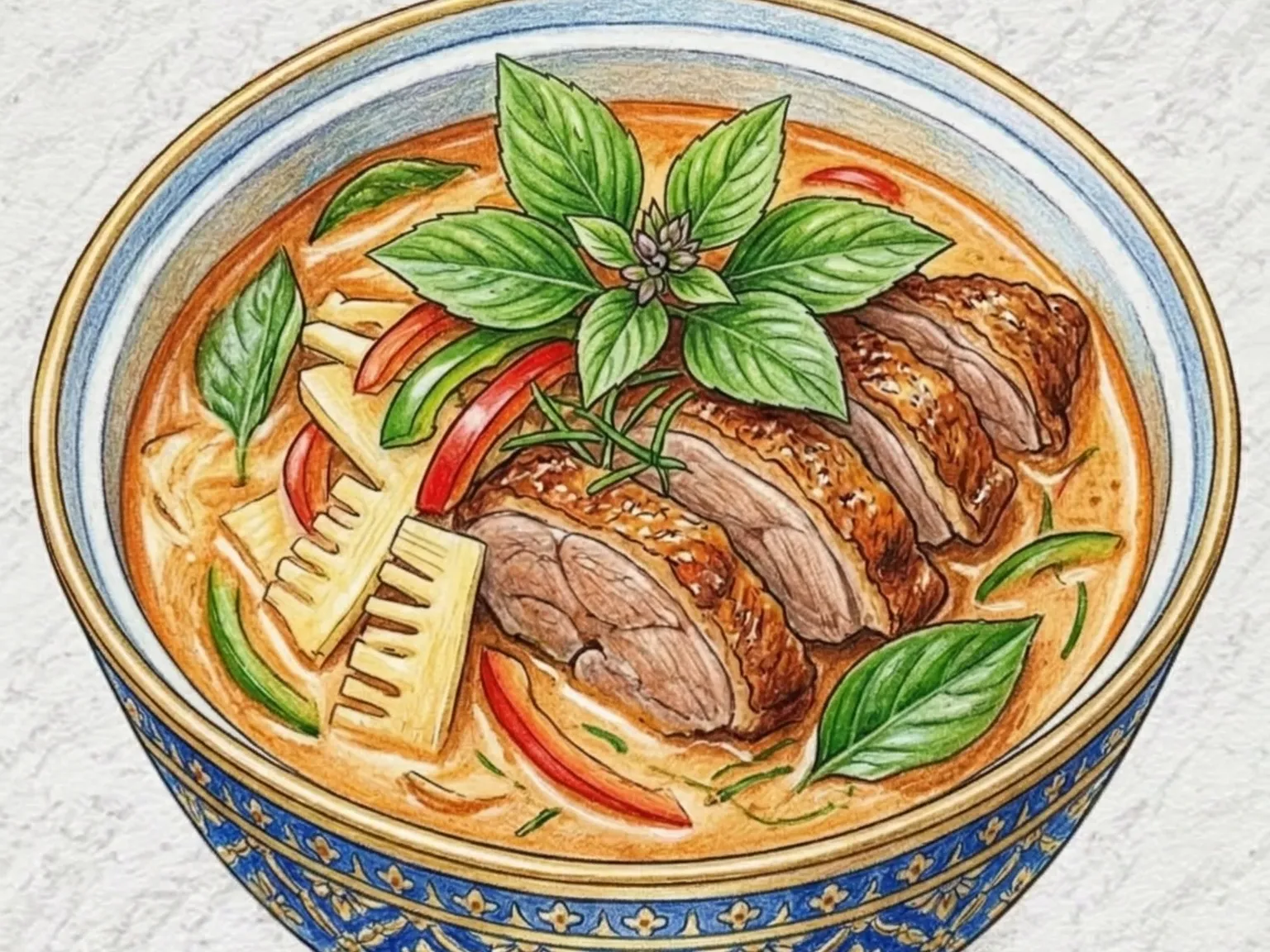
Panang curry is the thickest and richest member of the Thai curry family, distinguished by its concentrated coconut base and the addition of ground peanuts. The cooking begins by splitting coconut cream in a hot pan until the fat separates, then frying the curry paste in that fat to bloom its aromatics. The remaining coconut milk is added gradually and simmered until the sauce reduces to a spoonable consistency. Peanut butter or finely ground roasted peanuts give it a subtle nuttiness that sets it apart from green or red curries. Fish sauce provides depth, palm sugar brings sweetness, and torn kaffir lime leaves contribute a bright citrus fragrance.

Khao Kha Moo (Thai Braised Pork Leg Rice Bowl)
Shared ingredient: palm sugar Asian

Khao Kha Moo (Thai Braised Pork Leg Rice Bowl)

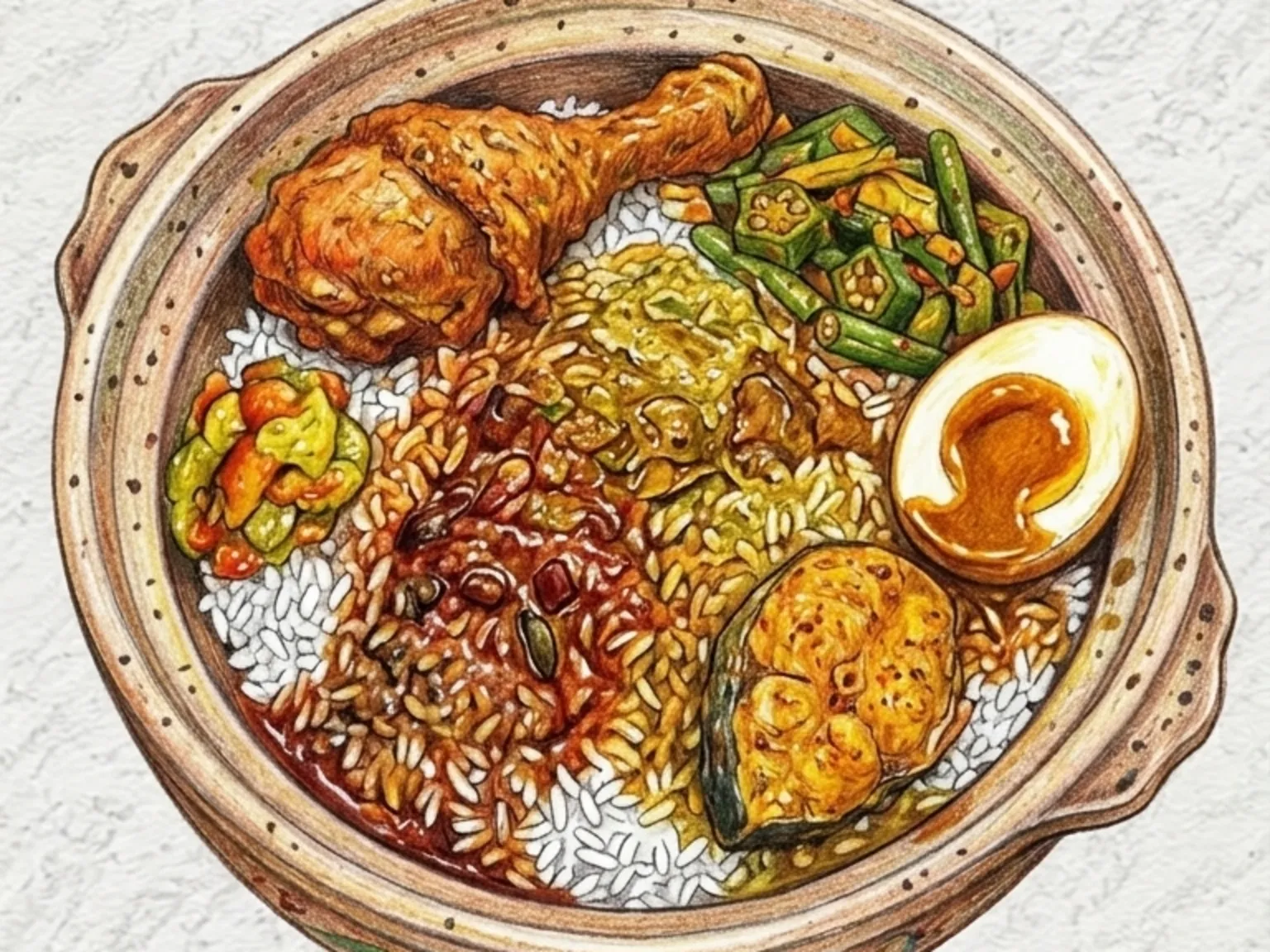
Khao kha moo is a Thai braised pork leg rice bowl built on a simple premise: the longer the pork simmers, the better it becomes. A whole pork hock or front leg is submerged in a soy-based braising liquid seasoned with palm sugar, dark soy sauce, star anise, cinnamon sticks, and whole garlic cloves, then cooked at a low, steady simmer for two hours or more. Sustained heat breaks down connective tissue and collagen until the meat yields at the slightest touch, pulling away from the bone in glossy, quivering strips. As the liquid reduces, palm sugar and soy caramelize into a thick, mahogany-tinted sauce that balances deeply savory and gently sweet notes in equal measure. Thick slices of the pork are arranged over fragrant jasmine rice, and several spoonfuls of the braising sauce are ladled over so the grains soak up the flavor. Traditional accompaniments include a hard-boiled egg steeped overnight in the braising liquid until it turns brown throughout, pickled mustard greens to cut through the richness with sharp brine, and a small cup of chili-vinegar sauce for those who want heat. The dish is among the most beloved items at night markets across Thailand and demonstrates how patience and a handful of pantry aromatics transform inexpensive pork into something extraordinary.

Thai Larb Gai
Serve together Salads

Thai Larb Gai

Larb gai is a traditional salad preparation originating from the Isan region of Thailand that uses ground chicken as its primary protein component. During the cooking process, the minced meat is simmered with a small volume of water to ensure that it remains soft and retains its natural moisture throughout the preparation. The chicken is then seasoned using a combination of fish sauce and the juice squeezed from fresh limes. A specific ingredient that gives this dish its unique character is khao khua, which is rice that has been dry-toasted and subsequently processed into a coarse powder. To create this, plain white rice is heated in a dry pan without the addition of any oil until the grains develop a golden brown color and release a toasted aroma. When this ground rice is added to the salad, it introduces a nutty and slightly smoky flavor profile that distinguishes larb from other types of minced meat preparations found in the region. The dish also incorporates thin slices of raw red onion, which provide a sharp flavor and a crisp texture. Additionally, fresh mint leaves are mixed in to provide a cooling herbal quality that balances the savory notes of the seasoned chicken. After the salad has been placed on a plate, the amount of lime juice can be adjusted according to individual preferences for acidity. The standard method for consuming larb gai involves placing a portion of the mixture into a fresh, crisp lettuce leaf, which provides an extra layer of crunch while helping to moderate the intensity of the spices.

Massaman Curry (Thai-Muslim Mild Chicken Potato Peanut Coconut Curry)
Similar recipe Asian

Massaman Curry (Thai-Muslim Mild Chicken Potato Peanut Coconut Curry)

Massaman curry stands apart from other Thai curries with its mild, sweet-savory character and its roots in the Muslim communities of southern Thailand, where trade routes from Persia and India brought cinnamon, cardamom, cloves, and star anise into the local kitchen long before chili became dominant. These whole spices simmer in the coconut milk base, lending an aromatic warmth that is closer to a slow-braised stew than to the fiery curries Thailand is more widely known for. Chicken thighs, whole shallots, potatoes, and roasted peanuts braise together until the potatoes begin to break apart and naturally thicken the sauce, absorbing the spiced oil along the way. Tamarind paste and palm sugar steer the richness toward a gentle tang and sweetness rather than a heavy or one-dimensional creaminess. The result is a deeply layered curry that uses almost no chili heat, making it one of the most approachable dishes in the Thai repertoire for those unaccustomed to spice while still rewarding more experienced palates with its complexity.

Serve with this

Thai Iced Tea
Drinks Easy

Thai Iced Tea

Thai iced tea is a boldly flavored, sweet milk tea made by steeping black tea leaves with cardamom over low heat for five minutes to produce a deeply concentrated brew. The intentionally strong extraction is necessary because the ice slowly dilutes the drink as it sits, and a weak brew would taste watery long before the last sip. Sugar is dissolved while the tea is still hot, then the liquid is cooled fully before being poured over a glass packed with ice. Milk and condensed milk are poured gently on top without stirring to create a visual gradient of white layered over amber, and the drink is mixed at the table before drinking. Once combined, the cardamom's floral spice and gentle bitterness weave through the sweetened black tea base to produce a complex flavor that goes beyond simple sweetness. Adjusting the amount of condensed milk is the easiest way to control how sweet the finished drink turns out.

🍺 Bar Snacks 🧒 Kid-Friendly
Prep 8min Cook 12min 3 servings
Northern Thai Coconut Curry Noodles
Noodles Medium

Northern Thai Coconut Curry Noodles

Khao soi is a coconut curry noodle soup from northern Thailand's Chiang Mai region. Red curry paste is fried in coconut cream until fragrant, then combined with more coconut milk and chicken stock to form a thick, spiced broth. Bone-in chicken thighs simmer in this liquid for about 20 minutes until the meat turns fork-tender. Egg noodles are boiled separately and placed in the bowl, but what sets the dish apart is a handful of the same noodles deep-fried until crisp and scattered on top - the crunch against the soft, soupy noodles below creates a sharp textural contrast. Shallots, cilantro, and a squeeze of lime cut through the richness, while fish sauce and a touch of sugar fine-tune the balance between salty, sweet, and sour.

🎉 Special Occasion 🌙 Late Night
Prep 20min Cook 30min 2 servings
Korean Grilled Eel Rice Bowl
Rice Medium

Korean Grilled Eel Rice Bowl

Jangeeo deopbap is a bowl of grilled freshwater eel over steamed rice, where the key technique is building up a thick, lacquered glaze through multiple applications of a sweet-salty sauce reduced from soy sauce, mirin, sugar, and ginger juice. The eel starts skin-side down on the grill over medium heat for around five minutes to crisp the skin, then is flipped and basted repeatedly with the sauce as it finishes cooking. A single coat of sauce produces a pale, thin color, so at least two applications and ideally three or more are needed to build the characteristic glossy surface. With each additional coat, the sugars in the sauce react with heat through both Maillard browning and caramelization, layering flavor with every pass. Because freshwater eel is naturally fatty, fat drips during grilling can cause flare-ups, so heat control is important throughout the process. Sansho pepper dusted on at the end cuts through the eel's inherent richness with a sharp, numbing fragrance that balances the sweet glaze and keeps the dish from feeling heavy.

🎉 Special Occasion 🏠 Everyday
Prep 10min Cook 15min 1 servings

Similar recipes

Beef Pad See Ew (Thai Wok-Fried Wide Rice Noodles in Dark Soy)
Asian Easy

Beef Pad See Ew (Thai Wok-Fried Wide Rice Noodles in Dark Soy)

Beef pad see ew is a Thai wok-fried noodle dish built around wide rice noodles and dark soy sauce. The name translates to 'fried with soy sauce,' and broad, silky noodles are stained deep brown by dark soy, balanced with light soy and oyster sauce for a sweet-savory glaze. Thinly sliced beef is seared first in a blazing wok, then noodles go in to absorb the sauce and char slightly against the hot metal. Chinese broccoli or kale adds crunch from its stems and softness from its leaves. The defining element is wok hei - the smoky flavor that only comes from letting noodles sit against the wok until they pick up toasted spots.

🏠 Everyday 🌙 Late Night
Prep 15min Cook 10min 2 servings
Thai Five-Spice Braised Pork and Eggs
Steamed Medium

Thai Five-Spice Braised Pork and Eggs

Moo palo is a Thai home-cooked braise of pork belly and soft-boiled eggs simmered slowly in a sauce built from soy sauce, palm sugar, and five-spice powder. The palm sugar goes into a dry pot first, caramelized until it turns a deep amber before the pork is added, which gives the meat a rich lacquered surface rather than a pale stew color. Five-spice powder draws together cinnamon, star anise, clove, fennel seed, and Sichuan pepper into a layered fragrance that permeates the braising liquid from the start, setting moo palo apart from simpler soy-based stews. Peeled eggs submerged in the liquid take on a uniform mahogany tint as they cook, absorbing the seasoning all the way to the yolk over the long simmer. Pork belly or shoulder with a good ratio of fat to lean is the right cut here, as the fat melts into the liquid and keeps the meat from drying out during the extended cooking time. Spooned over a bowl of steamed jasmine rice, the braise delivers a warm, sweet-salty depth punctuated by gentle spice heat, the kind of satisfying everyday meal that is central to Thai home cooking.

🎉 Special Occasion
Prep 20min Cook 70min 4 servings
Korean Grilled Chicken Skewers
Grilled Easy

Korean Grilled Chicken Skewers

Dak-kkochi-gui is a Korean grilled chicken skewer built on the flavors of street-stall cooking, made by threading bite-sized chicken breast or thigh onto bamboo sticks and painting them with a sauce of gochujang, soy sauce, honey, and minced garlic. Thigh meat is the better choice because its higher fat content keeps each piece juicy over direct heat, while breast will dry out quickly. Applying the glaze in two or three separate coats rather than all at once builds a thick, sticky, caramelized surface. Cutting the chicken into uniform cubes ensures even cooking, and alternating pieces with slices of green onion or bell pepper adds moisture and prevents the meat from tightening up. Turning the skewers frequently over medium heat keeps the sugars in the sauce from scorching while the surface develops an even, deep char. The same result comes out well in an air fryer at 200 degrees Celsius for twelve to fourteen minutes. Gochujang's fermented heat against the sweetness of honey and the smell of searing meat is the unmistakable signature of Korean pojangmacha.

🍺 Bar Snacks 🏠 Everyday
Prep 20min Cook 15min 2 servings

Tips

Soak bamboo skewers first to reduce burning.

Nutrition (per serving)

Calories
490
kcal
Protein
30
g
Carbs
10
g
Fat
36
g