Korean Grilled Mixed Mushrooms
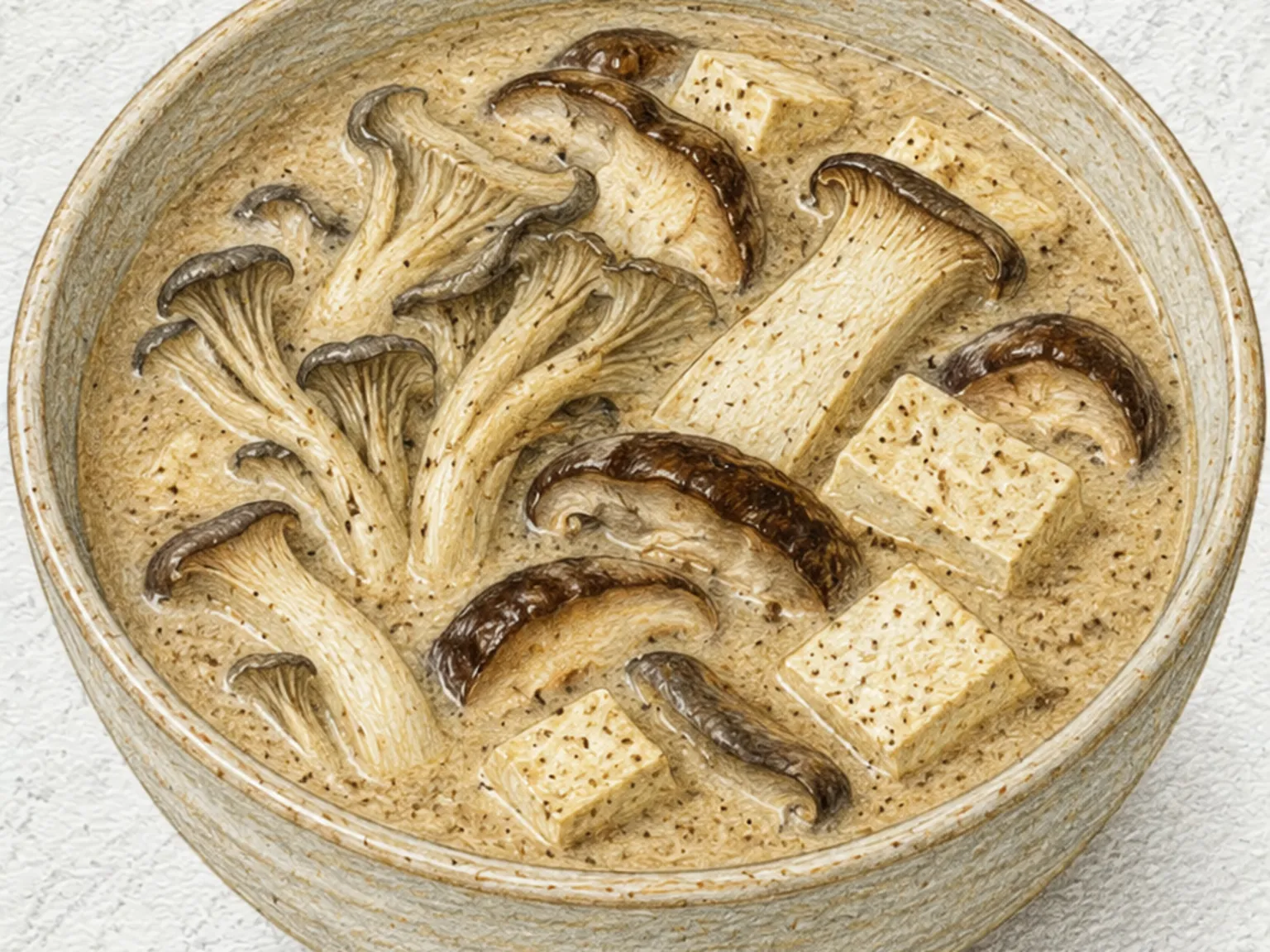
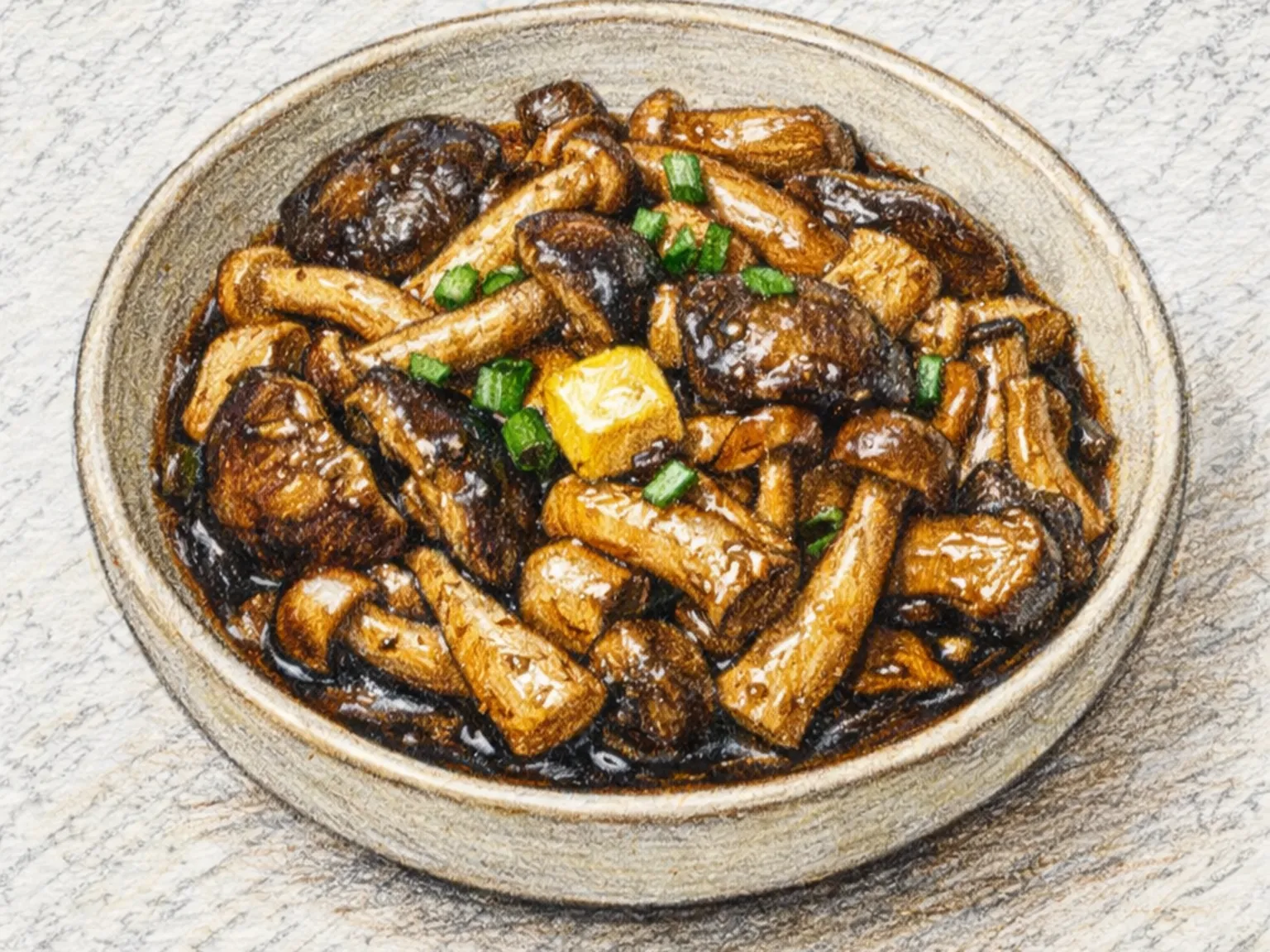
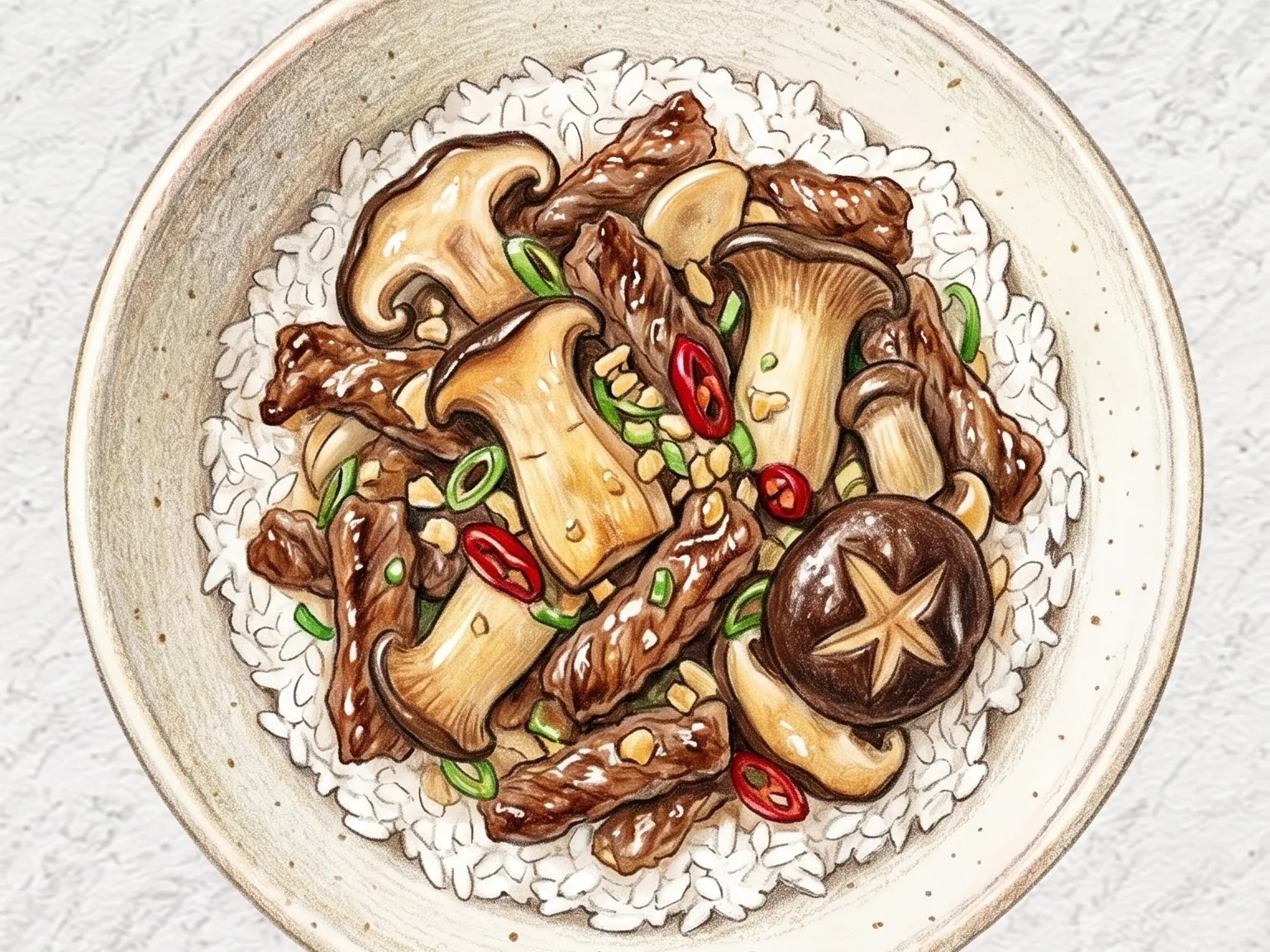
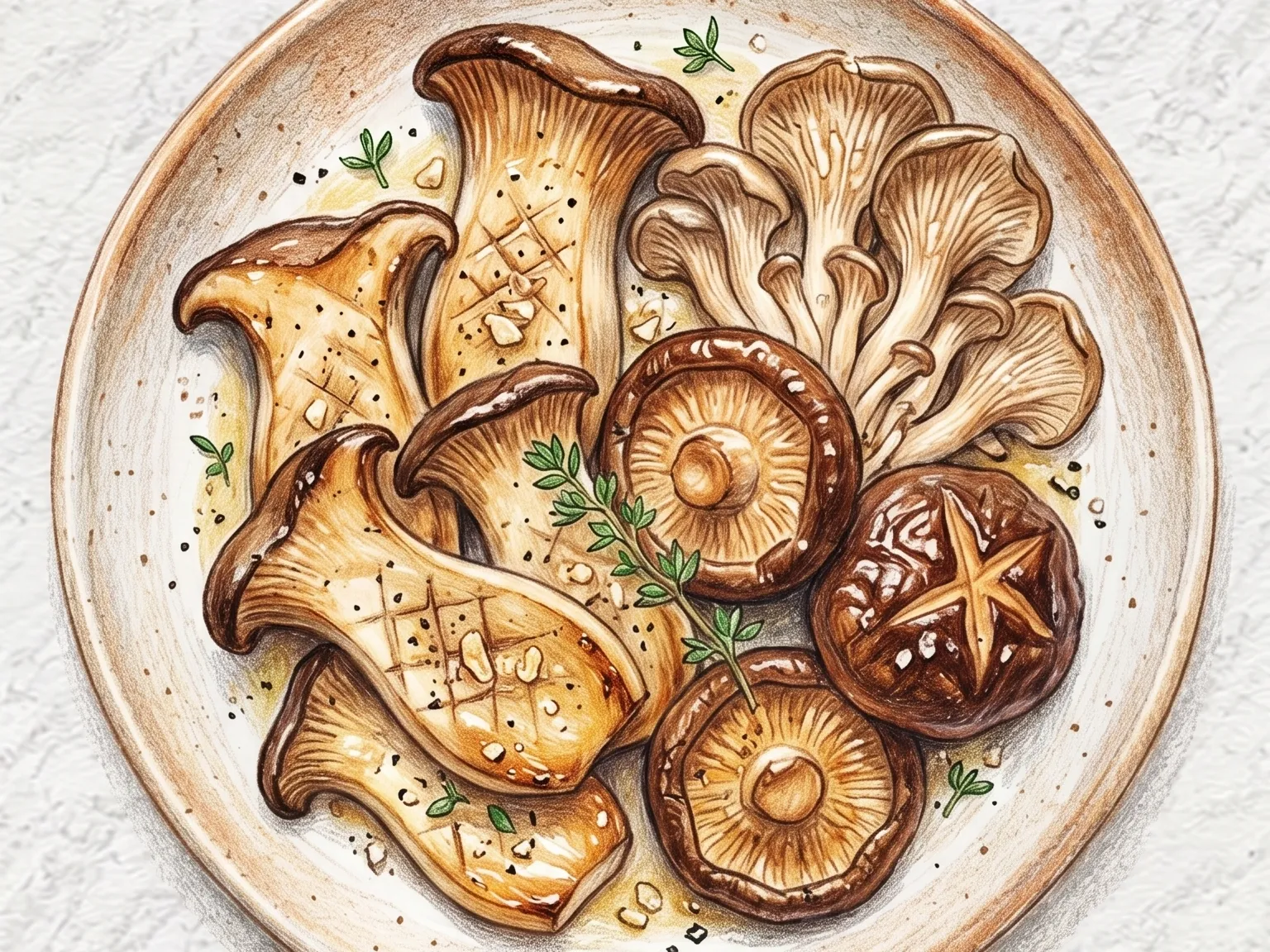
Mushroom-gui is a Korean grilled mixed mushroom dish combining king oyster, shiitake, and oyster mushrooms, seasoned simply with butter, minced garlic, salt, and black pepper. Each mushroom variety contributes a different texture: king oyster offers a dense, meaty chew from its thick stem, shiitake delivers concentrated umami from its cap, and oyster mushrooms add a delicate, silky shred. The key technique is to resist stirring the mushrooms after placing them in the pan-their high water content must evaporate first before the surfaces can brown and develop flavor. Adding butter partway through rather than at the start prevents it from burning while still infusing the mushrooms with its richness.
Adjust Servings
Instructions
- 1
Prepare mushrooms into serving-sized pieces.
- 2
Heat grill or pan and melt butter.
- 3
Add mushrooms, season with salt, pepper, and garlic, and grill.
- 4
Grill until moisture evaporates and mushrooms turn golden.
- 5
Transfer to a plate and serve.
As an Amazon Associate, we may earn from qualifying purchases.
Tips
Nutrition (per serving)
More Recipes

Korean Mixed Grilled Seafood
Haemul-gui modeum is a Korean mixed grilled seafood platter where shrimp, squid, Manila clams, and scallops are lightly dressed in olive oil, salt, and black pepper, then grilled at different intervals to account for each ingredient's cook time. Shrimp and scallops need only two to three minutes, squid takes three to four, and clams stay on the grill just until their shells pop open-staggering the timing ensures everything finishes together at peak texture. Overcooking any element by even a minute turns it rubbery, so close attention is the most important ingredient in this dish. A squeeze of fresh lemon juice over the entire platter at the table brightens the natural sweetness of each shellfish and ties the assortment into a cohesive, clean-tasting spread.

Korean Grilled Squid and Pork
Osam-gui is a Korean mixed grill of squid and pork belly marinated together in a spicy sauce of gochujang, soy sauce, sugar, minced garlic, and sesame oil, then cooked on a pan or grill. As the pork belly renders its fat, it merges with the marinade to form a rich, savory-spicy sauce in the pan that the squid absorbs during cooking, producing a deeper flavor than either ingredient would achieve alone. The two proteins cook at very different rates, so the pork belly goes in first for five to six minutes to render its fat and partially cook through before the squid is added-squid toughens past three to four minutes of heat exposure. The gochujang paste scorches easily at high temperatures, so maintaining medium heat and turning the pieces frequently is necessary to build a glossy glaze without any burnt bitterness.

Korean Assorted Grilled Chicken
Dakgogi-gui-modeum is a Korean assorted chicken grill that presents breast, thigh, and wing pieces on a single plate, each seasoned differently-salt for the breast, gochujang for the thigh, and soy glaze for the wings. Because each cut has a different fat content and muscle structure, cooking times must be adjusted individually: breast dries out fast and needs the shortest time on heat, while wings benefit from longer cooking to render their skin. The salt-seasoned breast highlights clean, mild poultry flavor, the gochujang thigh delivers fermented heat, and the soy-glazed wing offers a sweet-salty contrast. The appeal lies in tasting three distinct preparations side by side, demonstrating how seasoning and cut transform the same bird into entirely different dishes.

Korean Spicy Marinated Mackerel Grill
Godeungeo yangnyeom-gui is a Korean spicy marinated mackerel where fish pieces are coated in a paste of gochujang, soy sauce, sugar, garlic, ginger juice, and sesame oil, rested for thirty minutes, then grilled over medium heat with careful turning. The mackerel's own fat melts during cooking and accelerates the caramelization of the marinade, forming a glossy, deep-red crust on the skin. Ginger juice plays a dual role-it neutralizes the fish's raw smell and introduces a subtle freshness beneath the fermented kick of the gochujang. Because the high fat content causes flare-ups easily, maintaining steady medium heat and turning patiently is essential to achieve a charred glaze without burning.

Korean Butter Soy Grilled King Oyster Mushrooms
Three king oyster mushrooms are quartered lengthwise, scored on the surface, and seared in butter until golden on one side. After flipping, the remaining butter joins a sauce of soy sauce, oligosaccharide syrup, minced garlic, and black pepper, which reduces into a glossy glaze that coats every groove cut into the mushroom flesh. The scoring allows the sweet-salty sauce to penetrate deeper, so each bite releases a concentrated burst of buttery umami. King oyster mushrooms hold their dense, meaty chew even after cooking, making this dish satisfying without any actual meat. A final scattering of scallion and sesame seeds adds freshness and textural contrast.

Korean Steamed Mixed Mushrooms
Three types of mushrooms - oyster, shiitake, and enoki - are steamed in a soy sauce and garlic seasoning. Each mushroom variety keeps its distinct texture: the meaty chew of oyster, the thick bite of shiitake, and the delicate snap of enoki. Sesame oil adds a finishing nuttiness to the minimal soy-garlic base. With just a handful of ingredients, this steamed side dish lets the natural flavors and aromas of the mushrooms come through clearly.